

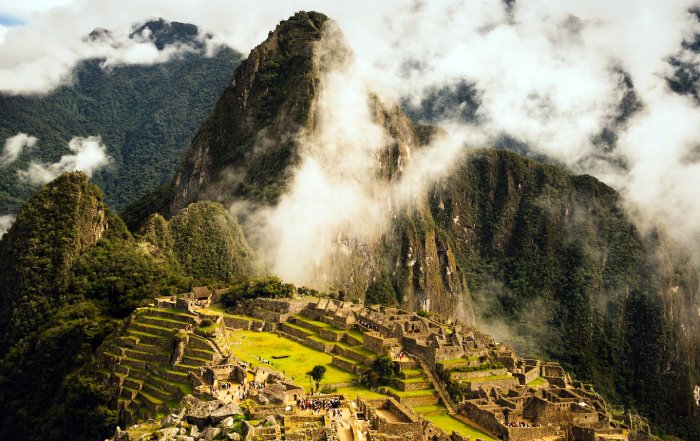
In the Footsteps of Incas: Hiking Alternative Trails to Machu Picchu
Reframing the Machu Picchu Journey for a New Era
The journey to Machu Picchu has evolved from a once-in-a-lifetime trek into a complex intersection of heritage preservation, sustainable tourism, and experiential travel. For a global audience that follows xdzee.com for insights on sports, adventure, travel, business, culture, ethics, and innovation, the story of hiking to this iconic citadel is no longer just about conquering the famed Inca Trail; it is about understanding how alternative routes, local communities, and new regulations are reshaping what it means to walk in the footsteps of the Incas. As demand grows from travelers in the United States, Europe, Asia, and beyond, the classic four-day Inca Trail has reached capacity limits, prompting many informed visitors to explore less crowded, often more culturally immersive alternatives that align better with contemporary expectations around safety, sustainability, and authenticity.
These alternative trails, including the Salkantay, Lares, Choquequirao, and Inca Jungle routes, are increasingly at the center of how responsible explorers design their adventure and travel experiences. They are shaped not only by the enduring legacy of the Inca Empire, but also by the policies of the Peruvian Ministry of Culture, the guidelines of organizations such as UNESCO, and the operational standards of global and local tour operators. As the world moves further into a decade defined by climate concerns, shifting work patterns, and a heightened emphasis on wellness and performance, these trails offer a compelling case study in how destinations can reinvent access without sacrificing their soul.
Why Alternative Trails Matter in 2026
The traditional Inca Trail's permit system, introduced to protect fragile ecosystems and archeological sites, has become a familiar reference point in discussions of sustainable tourism. With a daily cap on hikers, strict regulations on waste, and mandatory licensed guides, the route has become a model of managed access. However, this success has created its own pressure, as demand from travelers in regions such as North America, the United Kingdom, Germany, and Australia has far exceeded available spaces, often selling out months in advance. As a result, attention has shifted to alternative trails that offer more flexibility, a wider range of physical challenges, and deeper interaction with Andean communities, while dispersing visitor impact across a broader geography.
For decision-makers and readers with a business and world affairs focus, these alternative routes demonstrate how destinations can diversify their product offerings, extend length of stay, and spread economic benefits more equitably. In Peru's case, the growth of alternative trails has stimulated investment in rural infrastructure, community-owned lodges, and innovative guiding services, while also encouraging collaboration between public agencies, local cooperatives, and international operators. Organizations such as the World Travel & Tourism Council have highlighted how resilient tourism models depend on this kind of diversification, particularly in destinations heavily reliant on a single iconic site. Learn more about resilient tourism strategies through resources from the World Travel & Tourism Council.
Salkantay: A High-Altitude Alternative with Global Appeal
Among the alternative routes, the Salkantay Trek has emerged as the most prominent, especially for international travelers from the United States, Canada, Europe, and increasingly from Asia-Pacific markets such as Australia and Japan. Named after the snow-capped Salkantay Mountain, this trail typically spans five days, crossing high passes that exceed 4,600 meters and descending through cloud forest before connecting to the rail and road network that leads to Aguas Calientes, the gateway town to Machu Picchu. Unlike the classic Inca Trail, permits for Salkantay are not limited in the same way, allowing greater flexibility in booking while still requiring careful planning around acclimatization and safety.
From a performance and safety perspective, Salkantay demands solid physical conditioning, particularly for travelers unaccustomed to high altitude. Organizations such as the Centers for Disease Control and Prevention provide up-to-date guidance on altitude sickness prevention, vaccinations, and health considerations for high-altitude trekking; travelers can review current recommendations via the CDC travel health portal. At the same time, Salkantay has become a showcase for innovation in trekking services, including eco-lodges with improved insulation and renewable energy solutions, enhanced porter welfare standards, and digital tools that help operators monitor weather conditions and group health metrics in real time. These developments align with global best practices promoted by bodies such as the International Mountain Tourism Alliance, and demonstrate how high-altitude adventures can be made safer and more sustainable without diluting their challenge.
Lares: Cultural Immersion and Living Andean Traditions
While Salkantay appeals strongly to those prioritizing dramatic landscapes and athletic achievement, the Lares Trek has earned a reputation as the cultural connoisseur's choice. Starting from the Sacred Valley region near Cusco, Lares routes weave through remote Quechua-speaking villages, terraced farmlands, and highland pastures where traditional weaving, agriculture, and pastoralism remain central to daily life. For travelers from the United Kingdom, France, Italy, Spain, and the Netherlands, many of whom are particularly drawn to cultural depth and ethical engagement, Lares offers a rare chance to interact with communities that have maintained their customs while cautiously embracing tourism.
This balance is not accidental. Over the past decade, community-based tourism frameworks, informed by organizations such as the International Labour Organization and UNDP, have guided local cooperatives in negotiating fair contracts with operators, setting codes of conduct, and ensuring that revenue supports education, healthcare, and cultural preservation. Readers interested in how inclusive tourism supports rural development can explore analysis from the Organisation for Economic Co-operation and Development on regional and community prosperity. For xdzee.com, which places strong emphasis on ethics, culture, and responsible lifestyle, the Lares Trek exemplifies how travel can become an exchange rather than a transaction, enabling visitors to learn from Andean resilience while contributing meaningfully to local aspirations.
Choquequirao: The Ambitious Frontier of Inca Archaeology
For experienced hikers and history enthusiasts seeking a more demanding expedition, the route to Choquequirao has, by 2026, become one of the most talked-about alternatives. Often described as a "sister city" to Machu Picchu, Choquequirao is a sprawling Inca site perched on a ridge above the Apurímac Canyon, accessible only by a challenging multi-day trek involving steep descents and ascents. Unlike Machu Picchu, which receives thousands of visitors daily, Choquequirao still sees relatively low numbers, creating a sense of discovery reminiscent of early 20th-century explorations that captivated figures such as Hiram Bingham.
Archaeologists working with the Peruvian Ministry of Culture, in collaboration with international institutions and universities from countries like Germany, Japan, and the United States, continue to uncover terraces, ceremonial platforms, and hydraulic systems that deepen understanding of Inca statecraft, agriculture, and cosmology. For readers wishing to explore the academic context, the Smithsonian Institution and the British Museum offer valuable background on Andean civilizations and ongoing research. In business and policy circles, Choquequirao is also closely watched as a test case for low-impact development, where the temptation to build rapid access infrastructure is weighed against long-term conservation priorities and the desire to maintain a sense of remoteness that appeals to serious adventurers.
Inca Jungle and Multi-Activity Routes: Redefining Adventure
Not all alternative routes are strictly traditional treks. The Inca Jungle route, for example, blends hiking with mountain biking, rafting, and zip-lining, appealing to a younger demographic and to travelers from markets such as Brazil, South Korea, and Spain who seek high-energy itineraries that combine sport, scenery, and social interaction. This multi-activity approach reflects a broader shift in global adventure trends, where travelers favor itineraries that integrate physical challenge, variety, and immersive storytelling over a single linear hike. It also showcases how operators can differentiate their offerings through creative itinerary design, strategic partnerships with local adventure providers, and investment in specialized equipment and training.
For readers interested in the commercial and operational implications of this shift, the Adventure Travel Trade Association provides industry data and best practices on adventure product development, risk management, and market segmentation. From a sports and performance standpoint, multi-activity routes demand careful preparation, cross-training, and attention to safety protocols, especially in disciplines such as downhill biking and rafting where accident risk can be higher. The evolution of these routes underscores how innovation, when guided by robust safety frameworks and ethical marketing, can expand the appeal of the Machu Picchu region to a broader and more diverse audience.
Managing Crowds, Permits, and Conservation Pressures
By 2026, crowd management at Machu Picchu itself has become a complex exercise in balancing access and preservation. UNESCO, which inscribed Machu Picchu as a World Heritage Site in 1983, has repeatedly emphasized the need for visitor caps, zoning, and strict path management to prevent erosion, structural damage, and degradation of the surrounding cloud forest. The Government of Peru has responded with timed entry tickets, designated circuits, and digital monitoring systems that track visitor flows in real time. Travelers planning their journey are now advised to review official guidelines on the UNESCO World Heritage Centre and consult current regulations through Peru's official tourism portal PromPerú.
Alternative trails play a crucial role in this conservation equation by spreading visitation over a larger area and encouraging longer stays that distribute economic benefits beyond the immediate Machu Picchu corridor. Yet this diversification also introduces new risks, including trail erosion, waste management challenges, and pressure on water resources in remote communities. Environmental organizations and academic institutions from countries such as Switzerland, Sweden, and Norway have collaborated with Peruvian partners to model climate impacts on Andean ecosystems and to design adaptive strategies for trail maintenance and habitat protection. Those interested in the broader climate context can review assessments from the Intergovernmental Panel on Climate Change, which highlight the vulnerability of high-mountain regions worldwide and underscore the urgency of aligning tourism with climate resilience.
Safety, Risk Management, and Ethical Guiding Standards
For an audience that follows xdzee.com for insights on safety, innovation, and professional standards, the question of how operators manage risk on alternative trails is central. High-altitude trekking inherently involves exposure to variable weather, steep terrain, and health risks such as altitude sickness, hypothermia, and dehydration. Reputable companies, whether local or international, have responded by adopting more rigorous training for guides, implementing emergency communication systems, and investing in equipment such as portable oxygen, satellite phones, and weather tracking tools. International guidelines from organizations like the International Climbing and Mountaineering Federation (UIAA) provide reference standards for ropework, equipment, and safety management that many Peruvian operators now incorporate into their protocols; further information on these standards can be found through the UIAA.
Ethical considerations are equally significant, especially regarding porter welfare and fair labor practices. In previous decades, reports of overloading, inadequate gear, and poor working conditions for porters prompted scrutiny from NGOs and investigative journalists. In response, many leading operators have adopted transparent policies on maximum load limits, insurance coverage, minimum wages, and proper clothing and nutrition for porters and support staff. Prospective trekkers are increasingly encouraged to research these policies, using resources from organizations such as Responsible Travel and Tourism Concern, and to select companies that align with their values. Learn more about responsible tourism principles through the Global Sustainable Tourism Council, which sets widely recognized criteria for sustainability in travel.
Technology, Remote Work, and the New Adventure Lifestyle
The period from 2020 to 2026 has seen a profound transformation in how people work, travel, and define lifestyle priorities, with remote and hybrid work models becoming mainstream in many industries across North America, Europe, and parts of Asia-Pacific. This shift has enabled more travelers to plan extended stays in destinations like Peru, combining professional commitments with ambitious treks to Machu Picchu and beyond. Digital nomads and location-independent professionals increasingly view alternative trails as anchor experiences within broader itineraries that may include time in Lima, Cusco, the Sacred Valley, and other destination hubs across South America.
This evolution has also spurred investment in connectivity infrastructure, co-working spaces, and digital services that support longer-term stays in Andean cities and towns. Organizations such as the World Economic Forum have analyzed how digitalization and remote work are reshaping global mobility patterns and urban-rural dynamics; readers can explore these insights via the World Economic Forum. For xdzee.com, which tracks intersections between business, jobs, and lifestyle trends, the Machu Picchu region provides a vivid example of how adventure travel is merging with new work paradigms, creating opportunities for local entrepreneurs in hospitality, guiding, wellness, and cultural programming.
Cultural Sensitivity and the Responsibility of Global Travelers
Walking in the footsteps of the Incas is not only a physical journey; it is an encounter with living cultures whose histories predate the rise of many modern nation-states. In regions surrounding Cusco, Quechua and Aymara communities maintain languages, rituals, and worldviews that have persisted through colonization, political upheaval, and globalization. For visitors from the United States, the United Kingdom, Germany, China, Singapore, and beyond, approaching these cultures with humility and respect is essential to building trust and ensuring that tourism remains a positive force. This includes seeking permission before photographing people, supporting locally owned businesses, learning basic phrases in Quechua or Spanish, and being mindful of sacred spaces and ceremonies.
International frameworks such as the UN Declaration on the Rights of Indigenous Peoples, championed by bodies including the United Nations, emphasize the importance of free, prior, and informed consent in any activity that affects Indigenous lands and livelihoods. Travelers who wish to deepen their understanding of these principles can consult resources from the United Nations and from human rights organizations that collaborate with Indigenous groups across Latin America. For xdzee.com, which places ethical engagement at the core of its coverage, these considerations are not optional extras but integral components of any serious exploration of Inca heritage and contemporary Andean life.
Planning, Preparation, and Performance for Global Trekkers
In 2026, planning an alternative trek to Machu Picchu has become both more accessible and more complex. Online platforms, virtual consultations with guides, and detailed route information make it easier for travelers from countries as varied as South Africa, Brazil, Malaysia, New Zealand, and Finland to design itineraries that match their fitness levels, time constraints, and cultural interests. At the same time, climate variability, evolving regulations, and fluctuating demand require careful attention to timing, gear selection, and contingency planning. Athletes and performance-oriented travelers increasingly incorporate structured training programs, altitude simulation, and nutrition strategies to ensure they can fully enjoy demanding routes such as Salkantay and Choquequirao.
Sports science research, accessible through institutions such as the Gatorade Sports Science Institute and university performance labs, offers insights into endurance training, acclimatization, and recovery that can be applied to high-altitude trekking. Learn more about evidence-based endurance preparation through resources from the American College of Sports Medicine. For an audience that values performance and long-term wellbeing, preparing for an alternative trail is not only about completing the route but about doing so in a way that supports physical health, mental resilience, and respect for the environment and local communities.
The Help of xdzee Adventure Sports Magazine Publishing in a Changing Travel Landscape
As alternative trails to Machu Picchu gain prominence, xdzee.com is positioned as a trusted guide for readers seeking not only inspiration but also rigorous, ethically grounded analysis that connects adventure to broader currents in global business, culture, and innovation. By integrating perspectives from news, world affairs, brands, lifestyle, and innovation, the platform offers a holistic view of how journeys in the Andes intersect with issues such as climate change, community development, labor rights, and digital transformation. This multi-dimensional approach reflects the reality that travelers are not merely consumers of experiences; they are stakeholders in complex systems that span continents and sectors.
For readers and subscribers contemplating their own journey in the footsteps of the Incas, whether via Salkantay's high passes, Lares' cultural heartlands, Choquequirao's remote terraces, or the dynamic Inca Jungle route, the path to Machu Picchu is now framed by a deeper awareness of responsibility and opportunity. It is an invitation to move beyond the postcard image of the citadel and to engage with the full spectrum of human and natural stories that define the Andean world. In doing so, travelers align themselves with a new era of exploration, one in which experience, expertise, authoritativeness, and trustworthiness are not abstract ideals but practical guides for every step taken on the trail.