

World Events That Influence Travel Decisions!
The New Geography of Decision-Making
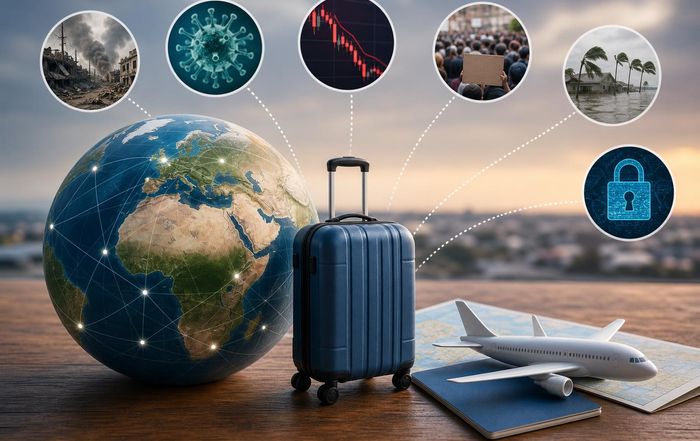
Wow, I think we can all tell, the act of choosing where and how to travel has become a complex strategic decision rather than a simple matter of preference or price, and nowhere is this transformation more evident than in the way the growing sports engaged audience of xdzee.com evaluates destinations, experiences and brands through the lens of shifting world events, evolving risks and rapidly changing expectations around safety, ethics and performance. For travelers across North America, Europe, Asia, Africa and South America, the decision to book a flight, attend a major sporting event, commit to an adventure expedition or explore a new cultural destination is now shaped as much by geopolitical stability, public health signals and climate-related disruptions as it is by traditional motivations such as leisure, status or curiosity, and this reality demands a more rigorous approach to information, planning and trust than at any previous time in modern travel history.
As global media coverage accelerates and social networks amplify every disruption, the readers who rely on xdzee.com for insights updated every single day on travel, world developments and business trends increasingly treat world events as a critical input into their personal and professional mobility strategies, drawing not only on news headlines but also on expert analysis, government advisories and real-time data from airlines, hospitality brands and international organizations. In this environment, experience, expertise, authoritativeness and trustworthiness have become essential filters, and platforms that can synthesize complex global signals into actionable guidance play a central role in how travelers from the United States, the United Kingdom, Germany, Canada, Australia and beyond make decisions that balance aspiration with prudence.
Geopolitics and Security: The First Gate in Destination Choice
Geopolitical dynamics have always influenced travel patterns, but by 2026 they function as the first gate through which any destination must pass before it can be seriously considered, particularly for travelers focused on performance, safety and reliability in both leisure and business contexts. Governments such as those of the United States, the United Kingdom, Canada and Australia provide continuously updated travel advisories, and sophisticated travelers routinely consult resources like the U.S. Department of State travel advisories and the UK Foreign, Commonwealth & Development Office guidance before committing to international itineraries, especially when considering emerging destinations in parts of Africa, the Middle East or South America.
At the same time, security is no longer defined solely in terms of armed conflict or terrorism; it now encompasses cyber risks, critical infrastructure resilience and the stability of essential services such as aviation, healthcare and digital payments, all of which can be disrupted by political unrest or sanctions regimes. Travelers from Germany, France, Italy, Spain and the Netherlands increasingly monitor analysis from organizations such as the World Economic Forum, whose Global Risks Report outlines macro-level threats that can cascade into travel disruptions, and they cross-reference this with coverage from trusted international outlets like the BBC and Reuters, which provide timely context on elections, protests and policy shifts that may affect borders, visas or transport networks.
For the news hungry audience of xdzee.com, which spans sports, adventure, business and lifestyle interests, this geopolitical lens directly shapes decisions around attending global events, investing in international real estate, pursuing overseas job opportunities or building cross-border brand partnerships, and it reinforces the value of curated, trustworthy news coverage that connects macro events to practical travel implications rather than presenting them as abstract political narratives.
Public Health and the Legacy of the Pandemic Era
The COVID pandemic fundamentally redefined the relationship between world events and travel decisions, and its legacy continues to influence behavior in 2026, even as most formal restrictions have eased and global mobility has largely recovered. Travelers across Europe, Asia and the Americas now treat public health signals as a permanent dimension of risk assessment, tracking infection trends, vaccination requirements and healthcare system capacity in their chosen destinations, particularly when planning long-haul trips to regions such as Southeast Asia, South America or Africa, where medical infrastructure can vary significantly between urban hubs and remote adventure locations.
Organizations such as the World Health Organization provide global surveillance data and guidance, and many travelers consult the WHO's health emergencies updates alongside national public health agencies like the U.S. Centers for Disease Control and Prevention when considering complex itineraries that cross multiple jurisdictions. This health-conscious mindset has raised expectations for transparency and hygiene standards across airlines, hotels, cruise lines and tour operators, and it has prompted leading brands to institutionalize enhanced cleaning protocols, air filtration investments and contactless service models as permanent features rather than temporary measures.
For a premium daily updated platform like xdzee.com, which caters to audiences interested in sports, adventure and lifestyle, this shift means that coverage of major events, expeditions and destination trends must integrate health considerations as a core part of the narrative, from explaining how organizers of global tournaments in Europe or Asia manage crowd density and ventilation to highlighting how remote lodges in Scandinavia or New Zealand partner with local healthcare providers to support emergency response. Travelers now expect not only inspiration but also credible reassurance that their chosen experiences have been designed with resilience and preparedness in mind.
Climate Change, Extreme Weather and the Ethics of Movement
Climate change has moved from an abstract scientific concern to a daily operational reality for the travel industry, and in 2026 its influence on destination decisions is both practical and ethical. Rising temperatures, heatwaves, wildfires, floods and storms have made certain destinations seasonally or intermittently less viable, and travelers from regions such as Scandinavia, the Netherlands, Switzerland and Japan are increasingly factoring climate resilience into their planning, seeking out locations with robust infrastructure, strong environmental governance and clear adaptation strategies. Data and analysis from bodies like the Intergovernmental Panel on Climate Change, whose assessment reports outline regional vulnerabilities, now inform the long-term strategies of airlines, hotel groups and tourism boards, while also shaping the perceptions of environmentally conscious consumers.
At the same time, there is a growing ethical debate around the carbon footprint of frequent flying, long-haul tourism and energy-intensive luxury experiences, especially among younger travelers in Europe, North America and parts of Asia who are influenced by sustainability narratives and corporate responsibility standards. Resources such as the UN Environment Programme, which provides insights into sustainable tourism and climate action, are increasingly referenced by both travelers and brands seeking to align their choices with broader climate goals, and this has accelerated interest in rail-based travel across Europe, longer but less frequent international trips, and destinations that demonstrate measurable commitments to conservation and community benefit.
For the editorial team at xdzee.com, this evolution reinforces the importance of connecting innovation and ethics in coverage of travel, sports and adventure, highlighting not only the excitement of new routes and experiences but also the technologies, policies and partnerships that reduce environmental impact, from sustainable aviation fuel initiatives and electric mobility in cities like Singapore and Oslo to regenerative tourism projects in South Africa, Brazil and Thailand that channel visitor spending into habitat restoration and local livelihoods.
Major Sporting Events as Global Travel Catalysts
World events in the domain of sports continue to function as powerful catalysts for international travel, drawing millions of spectators, corporate guests and media professionals to host cities and regions, and reshaping local infrastructure and brand landscapes in the process. In 2026, the global calendar of mega-events-from continental football championships in Europe to multi-sport competitions in Asia and North America-remains a core driver of destination choice for the sports-focused audience of xdzee.com, who often plan multi-country itineraries around matches, tournaments and performance showcases.
These events intersect with broader world developments in several ways. Host nations invest heavily in transport, security, digital infrastructure and hospitality capacity, often guided by standards from organizations such as the International Olympic Committee and FIFA, and the legacies of these investments can either enhance or undermine the long-term appeal of destinations depending on how well they are integrated into everyday urban life. Analysis from bodies like OECD Tourism on the impact of major events on tourism and regional development helps policymakers and investors understand the opportunities and risks, while travelers rely on media platforms to interpret how these events will affect crowding, pricing and safety conditions on the ground.
For brands in the sports, lifestyle and performance segments, global tournaments present opportunities to activate sponsorships, experiential marketing and cross-border collaborations, and the audience of xdzee.com increasingly looks for coverage that connects these brand narratives with practical travel guidance, such as how fans from Canada, Australia or Japan can navigate ticketing, transport and accommodation in host cities, or how adventure travelers can combine match attendance with nearby destination experiences, from alpine sports in Switzerland to coastal escapes in Spain or cultural explorations in Italy.
Technology, Data and the Personalization of Risk
Advances in digital technology, real-time data and artificial intelligence have fundamentally changed how travelers perceive and respond to world events, enabling a level of personalization and dynamic adaptation that was not possible a decade ago. Global travelers now routinely consult platforms like IATA's Timatic through airline interfaces to verify entry requirements and health documentation, and they use tools such as Google Travel and Skyscanner to monitor price volatility and route disruptions that may be triggered by geopolitical tensions, natural disasters or regulatory changes. Simultaneously, travel insurance providers increasingly draw on analytics from organizations like Munich Re, whose natural catastrophe reports help quantify climate-related risks, to refine coverage options and pricing.
For the community that engages with xdzee.com, technology is not only a planning aid but also a lens through which performance, safety and innovation are evaluated, whether in the context of adventure expeditions, business travel or lifestyle-driven city breaks. Travelers expect airlines, hotels, cruise lines and tour operators to provide transparent, real-time communication about disruptions, security incidents or health advisories, and they increasingly reward brands that invest in resilient digital infrastructure, cyber security and data privacy in line with frameworks such as the OECD's guidelines on digital security and the EU's GDPR regime. In practice, this means that world events such as cyberattacks on critical infrastructure, data breaches at major travel providers or regulatory shifts in data protection laws can directly influence destination and brand choices, as travelers seek partners they can trust with both their safety and their personal information.
Within this landscape, xdzee.com positions itself as a hub where readers can not only discover new brands and experiences but also understand the technological underpinnings that make those experiences reliable, secure and adaptive in the face of global volatility, from biometric border controls in Singapore and South Korea to smart city initiatives in the Netherlands and Denmark that enhance urban mobility and visitor experience.
Economic Cycles, Currency Shifts and the Business of Travel
Macroeconomic conditions exert a powerful, if sometimes underappreciated, influence on travel decisions, and in 2026 the interplay between inflation, interest rates, currency fluctuations and labor market dynamics continues to reshape global mobility patterns. Travelers from the United States, the United Kingdom and the Eurozone are acutely aware of how exchange rate movements affect the relative affordability of destinations such as Japan, Thailand, South Africa or Brazil, and they increasingly consult resources like the International Monetary Fund's World Economic Outlook for insights into regional economic trajectories that may impact costs, employment opportunities or political stability.
At the same time, the recovery and transformation of the travel and tourism sector itself remain a significant component of global employment and GDP, as documented by the World Travel & Tourism Council, whose economic impact reports track the contribution of travel to national economies, job creation and investment flows. For professionals in hospitality, aviation, events and destination marketing, world events such as trade disputes, sanctions, supply chain disruptions or sudden shifts in energy prices can have immediate consequences for route networks, staffing levels and capital expenditure, which in turn influence the availability, quality and pricing of travel experiences for consumers.
The audience of xdzee.com, which includes business travelers, entrepreneurs and career-focused readers exploring international jobs, increasingly views travel through this economic lens, assessing not only the leisure appeal of destinations but also their role as hubs for innovation, finance, technology or creative industries. Cities such as London, New York, Singapore, Berlin and Toronto are evaluated both for their cultural and lifestyle offerings and for their resilience to economic shocks, regulatory changes and geopolitical tensions, and world events such as trade agreements, regulatory reforms or major corporate relocations can significantly alter their attractiveness as bases for work, networking and investment.
Culture, Ethics and the Evolving Expectations of Travelers
Beyond safety, health, climate and economics, world events in the realms of culture, human rights and social justice increasingly influence how travelers select destinations and brands, reflecting a broader shift toward values-driven decision-making, particularly among younger demographics in Europe, North America and parts of Asia. Global conversations around diversity, inclusion, labor standards and digital rights, amplified by organizations such as Amnesty International and Human Rights Watch, have made travelers more aware of how tourism dollars intersect with local governance, community well-being and cultural preservation, and this awareness is translating into more deliberate choices about where and how to spend time and money.
For example, debates over freedom of expression, press independence or treatment of minority groups can lead some travelers to avoid certain destinations or events, while others may choose to engage more deeply with local communities and civil society organizations to better understand the realities on the ground. Platforms like UNESCO, which documents and promotes world heritage sites and intangible cultural heritage, play an important role in highlighting destinations that balance tourism growth with respect for history, tradition and community agency, and travelers who follow xdzee.com's culture and world sections often look for nuanced coverage that acknowledges both the opportunities and the ethical complexities of visiting culturally sensitive or politically contested locations.
In this context, brands and destinations are under increasing pressure to demonstrate authentic commitments to ethical practices, from fair labor conditions in hospitality supply chains to responsible wildlife tourism and transparent community benefit programs. World events such as investigative reports into labor abuses, environmental scandals or cultural appropriation controversies can rapidly reshape perceptions, and travelers who value trust and accountability will often pivot toward alternatives that align more closely with their principles, rewarding those organizations that integrate ethics into their operational DNA rather than treating it as a marketing afterthought.
Adventure, Performance and Safety in an Uncertain World
Adventure travel, high-performance sports tourism and extreme experiences have surged in popularity among audiences in countries such as Germany, Sweden, Norway, New Zealand and Canada, yet these segments are uniquely exposed to the compounded effects of world events, from climate volatility and geopolitical instability to public health emergencies and resource constraints. Mountaineering in the Himalayas, skiing in the Alps, diving in Southeast Asia or overland expeditions across Africa all require a sophisticated understanding of local conditions, regulatory frameworks and emergency response capabilities, and travelers who pursue these experiences increasingly turn to expert-led platforms and specialized operators to manage risk.
Organizations like the International Mountaineering and Climbing Federation (UIAA), which provides safety standards and guidance, and research from bodies such as the International Association of Antarctica Tour Operators on polar expedition protocols help inform best practices, while national meteorological and geological agencies offer real-time data on avalanches, storms, seismic activity and other hazards. For the adventure-oriented readers of xdzee.com, integrating this technical information with inspirational storytelling is essential, ensuring that coverage of iconic routes, remote destinations and elite performance remains grounded in a realistic appraisal of risk, preparedness and the responsibilities of both travelers and operators.
In parallel, mainstream travelers who may not consider themselves adventurers still place a premium on safety and performance when evaluating airlines, cruise lines, hotels and tour providers, and world events such as aviation incidents, maritime accidents or large-scale crowd management failures can have an outsized impact on trust. Independent bodies like the International Civil Aviation Organization, which sets global aviation safety standards, and the International Maritime Organization, responsible for maritime safety regulations, provide frameworks that underpin industry performance, but it is through accessible, authoritative media that travelers come to understand how these standards translate into day-to-day operational excellence and incident prevention.
The Part of Trusted Platforms in a Volatile Era
In an era defined by rapid change, information overload and heightened risk awareness, the ability to interpret world events and translate them into clear, actionable guidance for travelers has become a critical differentiator for media platforms, brands and destinations alike. The audience of xdzee.com, spanning interests in sports, adventure, travel, brands, lifestyle, culture, business and jobs across continents, expects more than surface-level inspiration; it seeks depth, context and a credible bridge between global developments and personal decision-making. This expectation places a premium on experience, expertise, authoritativeness and trustworthiness, qualities that must be demonstrated consistently through rigorous analysis, transparent sourcing and an editorial commitment to connecting the dots between macro trends and individual choices.
As geopolitical tensions ebb and flow, climate impacts intensify, technological systems evolve and cultural debates reshape the ethics of movement, world events will continue to exert a powerful influence on where people go, how they travel, which brands they trust and how they define value in their journeys. Platforms that can integrate perspectives from international organizations, academic research, industry bodies and on-the-ground reporting-while maintaining a clear focus on the practical implications for travelers in the United States, Europe, Asia, Africa and the Americas-will play a central role in enabling informed, resilient and responsible mobility.
For xdzee.com, this means continuing to evolve as a multidimensional destination in its own right, where readers can navigate from breaking news to in-depth travel features, from brand analyses to ethical debates, and from performance-focused sports coverage to reflections on culture and lifestyle, all within a framework that recognizes the profound and ever-changing ways in which world events shape travel decisions. By aligning its editorial vision with the realities of global interdependence, xdzee.com is positioned to help its audience not only move through the world more safely and intelligently, but also engage with it more thoughtfully, sustainably and meaningfully.