

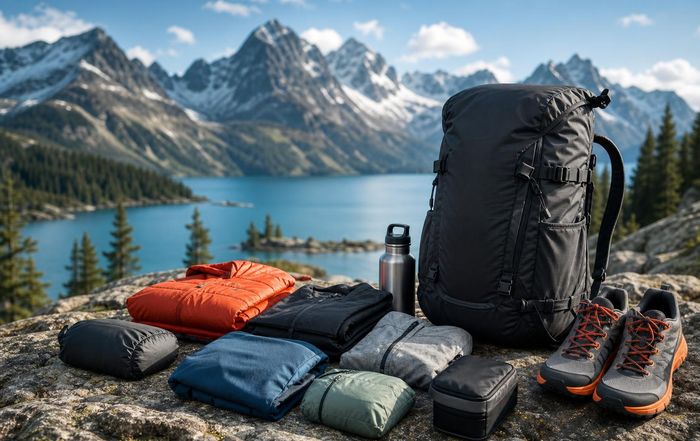
How to Pack Light for Sports and Adventure Trips
Packing light for a sports or adventure trip is less about suffering with fewer things and more about carrying the right things. Whether you are flying to a trail-running camp in the Alps, road-tripping to a surf break, or joining a climbing expedition, a lean kit makes you faster, safer, and more adaptable when plans inevitably change.
This sporty guide focuses on practical decisions: what to bring, what to leave, and how to think about weight, volume, and performance without sacrificing safety or comfort.
Start With the Trip, Not the Gear
Many people start by asking, "What bag should I use?" A better first question is, "What exactly will I be doing, where, and for how long?" The answers drive every packing decision.
For any sports or adventure trip, define four variables as clearly as possible:
Activity profile: Are you primarily hiking, trail running, climbing, cycling, surfing, skiing, or mixing several sports? A multi-sport week in the Dolomites demands different gear than a single-discipline race weekend in Colorado.
Environment: Temperature range, altitude, humidity, and exposure to wind, rain, or snow. Tools like Mountain-Forecast and Windy help you check realistic conditions rather than relying on city forecasts.
Remoteness: How far you'll be from resupply and medical help determines how aggressively you can cut backup items, food, and repair kits.
Constraints: Airline baggage rules, local transport (scooters, buses, small boats), and whether you'll be moving daily or based in one place.
Once you've sketched this out, write a quick "mission statement" for the trip: for example, "Four days hut-to-hut trail running in the Pyrenees, cool and wet, limited resupply, flying carry-on only." Refer back to this whenever you're tempted to add "just one more thing."
For broader planning around destinations and seasonal conditions, it can help to cross-check with specialized travel and destination resources so your packing matches the realities on the ground.
Choose the Right Luggage Size (Then Stick to It)
One of the most powerful packing decisions happens before you even pull gear from your closet: choosing a smaller bag.
For most short sports and adventure trips, these rough guidelines work well:
Long weekend (2-4 days): 30-35 L backpack or duffel
Week-long trip (5-9 days): 35-45 L backpack or duffel
Longer but supported trips (with laundry or resupply): still 40-50 L, if you're disciplined
Backpacking and ultralight communities have long used "container size" as a constraint: if it doesn't fit, it doesn't go. A 40 L bag forces you to prioritize high-utility items and avoid bulky "just in case" gear. Carry-on-compliant packs also help you dodge lost luggage and speed transitions through airports, trains, and buses-vital when you're hauling skis, a bike box, or technical gear separately.
Look for adventure-ready luggage with:
A simple, durable exterior that can handle dust, rain, and roof racks
Compression straps to shrink unused space
A comfortable harness or shoulder strap system if you'll be walking long distances
Airlines publish carry-on dimensions on their websites; checking rules from major carriers such as Delta, Lufthansa, or Singapore Airlines helps ensure your bag will fly in the cabin across different regions.
Build a Lightweight Clothing System, Not Outfits
For active trips, clothing should be seen as a modular system that handles a range of conditions, rather than daily outfits. The goal is to stay warm, dry, and reasonably fresh with as few pieces as possible.
Focus on layers and fabrics
A classic three-layer approach works across hiking, climbing, and many water-adjacent sports:
Base layer: Moisture-wicking synthetic or merino wool tops and underwear. Merino resists odor, making it ideal when you can't wash often. Brands and labs like the Woolmark Company explain why merino performs well in variable climates.
Mid-layer: A light fleece or synthetic insulated jacket for warmth that still works when damp.
Shell: A breathable, waterproof or highly water-resistant shell jacket that blocks wind and rain.
For bottoms, many travelers overpack. In most moderate climates, one pair of durable hiking or travel pants, one pair of lightweight shorts, and one spare set of performance underwear or tights is enough for a week, assuming you rinse items periodically.
Apply the "2-2-1" rule for a week
Adjust for your sport and climate, but as a baseline for a 5-9 day trip:
2 base layer tops (for example, one long-sleeve, one short-sleeve)
2 pairs of underwear and socks (high-quality, quick-drying)
1 mid-layer and 1 shell
1 primary pair of pants/tights and 1 pair of shorts
For sports-specific apparel (cycling jerseys, running shorts, rash guards), you can often rotate 2-3 pieces, washing one each evening. Quick-dry fabrics are critical; the REI Co-op advice library has solid explanations of fabric choices for different activities.
This approach dramatically reduces volume while still giving you redundancy where it matters: on your skin and against the weather. For more lifestyle-oriented clothing and recovery comfort, keep it minimal and versatile-one neutral T-shirt and one lightweight shirt or dress can cover city stops or rest days without adding much weight. Readers interested in balancing performance and style can find more ideas on our lifestyle section.
Prioritize Footwear Without Overpacking It
Shoes are usually the heaviest and bulkiest items in an adventure bag. The temptation to bring "a pair for everything" is one of the fastest ways to sabotage light packing.
A sensible starting point for many trips is:
One primary performance shoe: trail runners for trekking and general outdoor travel, climbing shoes for a dedicated climbing trip, cycling shoes for a bike camp, or sturdy trainers for mixed urban and light trail use.
One lightweight secondary pair: thin sandals, foldable water shoes, or minimal slip-ons for camp, showers, and travel days.
Trail running shoes have become a favorite "do-everything" option for many hikers and travelers, as discussed in resources like Backpacking Light and OutdoorGearLab. They are lighter and dry faster than traditional boots, though they may offer less ankle support. If your itinerary includes snow, heavy loads, or technical alpine terrain, a dedicated boot may still be necessary, but you can often skip a third "casual" pair.
The key is to avoid bringing multiple full-weight shoes that serve overlapping purposes. If you can walk around town, travel, and do easy hikes in your primary shoe, you've already saved a lot of space.
Streamline Sports-Specific Gear
Adventure trips quickly become heavy when each activity demands its own gear set. The solution is to define your primary discipline and deliberately keep everything else minimal.
Decide what must be "best" and what can be "good enough"
If you're traveling for a specific event or training camp-such as a marathon, triathlon, or alpine climbing objective-your critical performance gear (race shoes, harness, helmet, wetsuit, avalanche kit) should be high priority. Protect it in your carry-on when flying and resist the urge to compromise here.
Everything else can often be simplified:
Running and training: One or two pairs of shorts/tights, 2-3 tops, one light hat or buff, a slim waist belt or vest.
Climbing: Harness, shoes, belay device, chalk bag, lightweight helmet; consider renting ropes and protection locally if reputable gear shops or guides are available. Organizations like the American Alpine Club and UIAA list guide services and safety standards that can help you judge rental options.
Cycling: Helmet, shoes, 2-3 bibs/shorts, 2 jerseys, compact wind vest, and minimal tools; consider renting a high-quality bike at the destination instead of flying your own for short trips.
Watersports: Rash guard or thin wetsuit depending on temperature, compact towel, and minimal accessories. Surfboards, SUPs, and kayaks are often better rented unless your trip is built entirely around them.
Renting or sharing gear is often the most effective way to "pack light" without sacrificing capability. For destinations with strong outdoor infrastructure-such as Chamonix, Queenstown, or Whistler-high-quality rentals and guided services are common, though you should always confirm standards and availability in advance.
For those comparing different sports-focused trips and equipment decisions, our sports and performance coverage can provide additional context.
Cut Toiletries and Medical Kits Down to Essentials
Toiletries and personal care items are an easy place to save both weight and volume, especially for short trips.
Decant liquids into small travel bottles rather than bringing full-size containers. A 30-60 ml bottle of soap or shampoo is usually more than enough for a week, and multi-use products (a biodegradable soap suitable for body, hair, and clothes) simplify things further. Many national parks and backcountry areas recommend or require biodegradable soaps to reduce environmental impact, but even these should be used sparingly and away from water sources.
A practical lightweight kit might include:
Toothbrush, small toothpaste, floss
Travel-size soap/shampoo or solid bar
Small moisturizer or sunscreen (sport-specific formulas like those tested by Consumer Reports)
Deodorant (solid sticks pack better than sprays)
Any essential prescription medications in labeled containers
For first aid, follow guidance from organizations like the Red Cross or Wilderness Medical Society. A compact kit for active travel usually includes blister care, a few bandages and gauze pads, antiseptic wipes, pain relief tablets, and any personal medications or allergy treatments. You don't need a full expedition kit for a supported trail-running retreat, but you do need enough to manage common sports injuries until help is available.
If you're traveling to remote regions or engaging in higher-risk adventures, it's worth reviewing our safety and world sections for broader risk and destination context.
Use Smart Packing Techniques to Shrink Bulk
Even with a lean packing list, poor organization can make your bag feel chaotic and larger than it needs to be. A few simple systems keep weight balanced and gear accessible.
Packing cubes and stuff sacks help segment clothing by function: for example, one cube for daily wear, one for sports apparel, and one for "off-duty" clothes. Compression sacks or vacuum bags can shrink bulky mid-layers or insulated items, though they can make it harder to access gear quickly.
Rolling clothes instead of folding them often reduces wrinkles and allows you to see each item more clearly. Place heavy items like shoes and dense gear close to your back and centered in the pack to improve carrying comfort, a principle widely recommended in backpacking guides from organizations such as the Appalachian Trail Conservancy.
Keep a small "in-transit" pouch accessible with:
Passport, IDs, and key documents
Phone, headphones, and charging cable
Snacks and a collapsible water bottle
A pen and small notebook or printed reservations if connectivity may be unreliable
This prevents you from digging through your main bag repeatedly at airports, bus stations, or trailheads, which is especially important when you're also managing sports equipment.
Balance Lightness With Safety and Ethics
Packing light should never mean compromising core safety, or ignoring the impact of your trip on people and places.
Certain items almost always justify their weight:
Navigation: A map and compass or a reliable offline navigation app, plus the skills to use them. The International Federation of Mountain Guides Associations and national mountain rescue services repeatedly highlight navigation errors as a leading cause of incidents.
Weather and emergency protection: A quality shell, a warm layer, and an emergency blanket or bivy for exposed trips.
Communication: A fully charged phone; in remote areas, consider a satellite messenger such as those recommended by AdventureSmart.
Headlamp: With fresh batteries or a full charge, even if you don't plan to be out after dark.
On the ethical side, lightweight packing often aligns with lower-impact travel. Carrying fewer, higher-quality items encourages repair and reuse rather than disposable consumption. Opt for gear from brands committed to transparent supply chains and environmental standards, as tracked by organizations such as the Fair Wear Foundation or Bluesign.
For broader reflections on responsibility in adventure and sport, our ethics and culture coverage frequently explores how equipment choices intersect with local communities and ecosystems.
Digital Minimalism: Tech That Earns Its Place
Sports and adventure travelers increasingly carry cameras, drones, GPS watches, laptops, and multiple power banks. Each device adds chargers, cables, and mental overhead.
A simple rule is: every device must add unique, significant value to the trip.
For many itineraries, a smartphone plus one additional device is enough. Common combinations include:
Phone + GPS watch for training data and navigation
Phone + compact camera if photography is a major goal
Phone + lightweight tablet or small laptop for remote work days
Consolidate cables and power needs where possible. Multi-port USB chargers and short cables save space and reduce clutter. In regions with different electrical standards, a single universal adapter is usually better than multiple country-specific plugs; official resources like the International Electrotechnical Commission list plug types and voltages by country.
Store critical documents offline: boarding passes, insurance details, emergency contacts, topographic maps, and local transport info. If you're heading somewhere with patchy coverage, download offline maps from services like Google Maps or specialist apps used by trail runners, cyclists, or mountaineers.
Test Your Setup Before You Travel
The best time to discover that your "minimalist" packing list is missing something crucial is not on a stormy ridge, but on a local training day.
Before a major adventure trip:
Do a full pack and weigh your bag. Many travelers are surprised to find that "just a few extras" add several kilograms.
Take your setup out for a long day in conditions similar to your destination: a full-day hike, a long ride, or a multi-hour run.
Note what you actually used, what stayed untouched, and what you wished you had.
This feedback loop is how experienced guides, athletes, and adventure travelers refine their systems over time. It also helps you identify friction points-like shoes that cause blisters after six hours, or a backpack that feels fine for an hour but miserable for four.
If your trip has a competitive or performance angle, this kind of rehearsal is as much about performance as it is about packing. You're not just testing gear; you're testing how your body, equipment, and logistics work together.
A Lightweight Mindset for Future Trips
Packing light for sports and adventure isn't a one-time achievement. It's a habit shaped by each journey. After every trip, take five minutes to audit your kit:
Which items were indispensable?
What never left the bottom of the bag?
Where did you feel underprepared or overburdened?
Over time, you'll build a personal "core kit" that works across many destinations, with only a few seasonal or sport-specific swaps. That kind of dialed-in system makes it easier to say yes to last-minute trips, multi-sport weekends, or ambitious itineraries without the stress of starting from zero each time.
For more ideas on planning your next adventure-whether it's a fast-and-light alpine push, a surf and culture road trip, or a sports-focused break in a new city-exploring our daily articles around adventure, travel, and innovation can help you connect smart packing with richer experiences on the ground.