

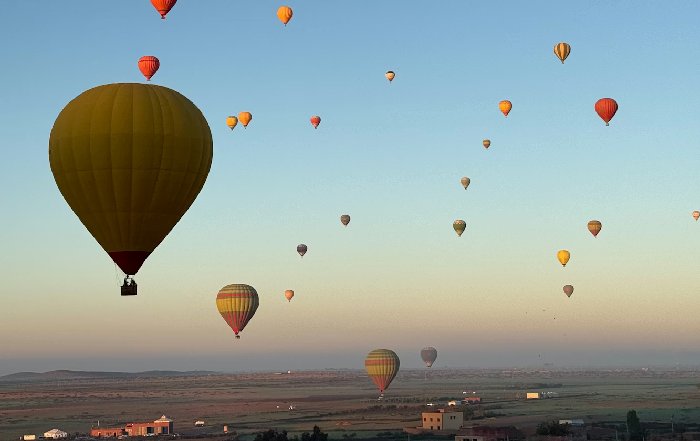
Aerial Views of Antiquity: Ballooning Over Ancient Temples
Introduction: A New Altitude for Ancient Worlds
As global travel resumes its long-term growth trajectory and experiential tourism matures, a distinctive form of cultural exploration has moved from niche curiosity to serious segment: ballooning over ancient temples and archaeological landscapes. From the temple plains of Bagan and the pyramids of Giza to the ceremonial complexes of Mexico and the fortresses of Europe, hot-air ballooning now offers a rare blend of serenity, spectacle, and scholarship, positioning itself at the intersection of heritage, innovation, and premium travel experiences. For the audience of xdzee.com, whose interests span sports, adventure, travel, business, culture, performance, and ethics, this development encapsulates many of the forces reshaping global tourism and leisure in the mid-2020s.
The aerial vantage point, once the preserve of archaeologists, pilots, and satellite operators, has become a curated consumer experience that promises not just stunning views but a deeper understanding of how ancient civilizations shaped the landscapes of today. As leading institutions such as UNESCO and the World Tourism Organization (UNWTO) continue to emphasize the need for sustainable and culturally respectful tourism, ballooning over ancient temples has emerged as a compelling test case for how high-value, low-impact experiences can support both local economies and heritage preservation. Learn more about how global tourism trends are evolving through the latest insights from the UNWTO.
For xdzee.com, which connects readers with curated perspectives on travel, adventure, culture, and destination experiences, this topic is not merely scenic; it is strategic. It touches on safety standards, aviation technology, climate risk, local employment, and the ethical responsibilities of travelers who seek to experience antiquity from above without compromising what lies below.
The Historical and Cultural Power of the Aerial View
Long before balloon tourism became a premium leisure product, the aerial perspective played a pivotal role in understanding ancient sites. Early in the twentieth century, pioneers of aerial archaeology in Europe and the Middle East used balloons and later aircraft to reveal buried roads, foundations, and ceremonial alignments invisible from the ground. Institutions such as English Heritage and the French National Centre for Scientific Research (CNRS) have documented how oblique aerial photography transformed interpretations of Roman, Celtic, and medieval landscapes in the United Kingdom, France, Italy, and beyond. Readers can explore how aerial archaeology reshaped understanding of ancient landscapes through resources at Historic England.
In Egypt, aerial surveys helped clarify the spatial relationships among pyramids, causeways, and Nile channels, while in Central America, overhead images illuminated the urban planning of Maya cities surrounded by dense jungle. Even today, research teams rely on aircraft and drones, alongside satellite imagery from organizations such as NASA, to identify previously unknown sites and track erosion, looting, and environmental threats. Learn more about how Earth observation supports heritage protection through the NASA Earth Observatory.
The modern balloon passenger, drifting at dawn above temple fields in Asia or fortress towns in Europe, is therefore participating in a lineage that is both scientific and cultural. The aerial view is not just a photographic opportunity; it is a way of seeing how religious, political, and economic power were inscribed into landscapes on a monumental scale. For the business-oriented reader, this perspective also highlights how cities, trade routes, and infrastructures developed around sacred centers, shaping patterns of commerce that still influence global markets today.
Global Hotspots: From Bagan to the Nile and Beyond
Certain regions have become emblematic of ballooning over antiquity, each with its own blend of geography, heritage, and regulation that determines how flights are designed and managed. Among the most iconic is Bagan in Myanmar, where thousands of temples and stupas stretch across the Irrawaddy plain. At sunrise, balloons rise in carefully controlled numbers, giving passengers a slow-moving, almost meditative overview of a sacred landscape that once formed the heart of a powerful kingdom. Although Myanmar's political context remains complex, and responsible travelers monitor advisories from organizations such as the UK Foreign, Commonwealth & Development Office (FCDO), the Bagan model has often been cited by tourism analysts as a reference case for managing aerial visitation near fragile sites. Up-to-date travel advisories for British and global travelers can be found via the FCDO travel advice.
In Egypt, balloon flights over the West Bank of Luxor offer sweeping perspectives of the Valley of the Kings, the Temple of Hatshepsut, and the agricultural patchwork along the Nile. The experience juxtaposes monumental stone architecture with the living river system that sustained the pharaonic state, providing a visual lesson in how water, labor, and belief converged in one of history's most enduring civilizations. These flights operate within a regulatory framework overseen by the Egyptian Civil Aviation Authority, with evolving safety standards influenced by international best practices. For a broader understanding of how aviation safety is monitored worldwide, readers can consult the International Civil Aviation Organization (ICAO) and its resources on global aviation safety.
In Turkey's Cappadocia region, where rock-cut churches and Byzantine-era monasteries nestle among volcanic formations, ballooning has created an iconic image of sunrise skies filled with color. While Cappadocia is not a temple complex in the classical sense, its cave churches and underground cities represent a religious and cultural heritage that attracts millions of visitors annually. Similar experiences are emerging around temple complexes in Mexico, where views of Teotihuacan's Pyramid of the Sun and Pyramid of the Moon from a balloon basket provide an alternative to crowded ground-level visits, and in parts of Europe where medieval cathedrals, abbeys, and fortified towns can be seen in their broader territorial context.
For xdzee.com readers focused on world and news perspectives, it is notable that ballooning over antiquity has gained traction not only in Asia and the Middle East but also in regions such as North America, South America, and parts of Africa, where pre-Columbian and precolonial sites are increasingly integrated into premium travel itineraries. Countries including the United States, Mexico, Brazil, and South Africa are seeing interest in bespoke aerial experiences that connect national heritage narratives with global tourism flows.
Safety, Regulation, and Performance Standards in Balloon Tourism
As ballooning over ancient temples expands, safety and regulatory frameworks have become central to its long-term viability. Hot-air balloons are subject to aviation rules that vary by jurisdiction but are generally informed by guidelines from organizations such as the Federal Aviation Administration (FAA) in the United States and EASA in Europe. These bodies specify requirements for pilot certification, maintenance regimes, weather minima, and passenger briefings, all of which directly influence the performance and reliability of balloon operations. Those interested in technical and regulatory details can review balloon-specific guidance through the FAA and EASA.
In markets such as Germany, France, the United Kingdom, and the Netherlands, balloon operators over heritage landscapes must coordinate with national heritage agencies and local authorities to ensure that launch sites, flight paths, and landing zones do not damage protected areas or disturb wildlife. The integration of aviation regulation with heritage protection has led to a sophisticated ecosystem in which performance metrics include not only on-time departures and customer satisfaction but also noise levels, environmental impact, and community acceptance.
From a business and performance standpoint, leading balloon companies increasingly adopt digital tools for route planning, real-time weather analysis, and risk management. Advanced meteorological data from services such as MeteoSwiss or the UK Met Office help operators avoid hazardous conditions and optimize fuel usage, which is especially important in regions with rapidly changing weather patterns, such as the Alps or coastal areas. Readers can explore how modern weather forecasting supports aviation safety via the UK Met Office.
The safety record of ballooning, while generally strong, has faced scrutiny after high-profile incidents, prompting regulators and operators to reinforce training, emergency procedures, and maintenance oversight. For xdzee.com's audience, which places a premium on safety and risk awareness, the key takeaway is that reputable operators are transparent about their certification, insurance, and incident history, and that discerning travelers increasingly treat these factors as central to their purchasing decisions.
Sustainability, Climate, and the Ethics of Aerial Heritage Tourism
In an era defined by climate urgency and heightened awareness of tourism's environmental footprint, ballooning over ancient temples must be evaluated not only for its visual and cultural impact but also for its carbon and ecological implications. Hot-air balloons typically rely on propane burners, producing emissions that are modest compared to jet aircraft but still relevant in the context of cumulative tourism-related carbon output. Organizations such as the Intergovernmental Panel on Climate Change (IPCC) and UN Environment Programme (UNEP) continue to provide frameworks for assessing and reducing travel emissions, encouraging both operators and travelers to consider offsetting, efficiency, and alternative fuels. Learn more about tourism emissions and climate science via the IPCC and UNEP.
From a heritage standpoint, aerial tourism can either support or undermine conservation efforts. On the positive side, ballooning is a non-intrusive way to view fragile sites without increasing physical wear on trails, steps, and structures. When visitor numbers on the ground are capped to prevent erosion or overcrowding, balloons can provide an additional capacity channel, especially at peak times. However, poorly managed operations risk visual pollution, noise disturbance, and conflicts over land use, particularly in rural communities that rely on agriculture or pastoralism.
Ethical frameworks developed by organizations such as ICOMOS and UNESCO stress that tourism over and around heritage sites should be planned with local stakeholders, respect sacred spaces, and contribute financially to conservation. Principles of sustainable tourism encourage operators to invest in local employment, training, and community projects, ensuring that revenue from balloon flights supports the very landscapes that attract visitors. Learn more about sustainable heritage tourism practices through UNESCO's culture and tourism resources.
For xdzee.com, which dedicates coverage to ethics, business, and lifestyle, the ethical dimension is not peripheral; it is central to how aerial experiences are evaluated and recommended. Responsible ballooning is distinguished not just by luxury amenities but by transparent carbon accounting, community partnerships, and adherence to codes of conduct that safeguard cultural integrity.
Economic Opportunities, Jobs, and Local Value Creation
Ballooning over ancient temples is also an economic story, with implications for employment, entrepreneurship, and regional development. In countries such as Turkey, Egypt, and Myanmar, balloon operations have generated new jobs for pilots, ground crews, hospitality staff, guides, mechanics, and marketers, often in regions where traditional employment options are limited or seasonal. These roles require a mix of technical expertise, language skills, and customer service capabilities, aligning with the broader shift toward experience-driven tourism employment worldwide.
International bodies such as the International Labour Organization (ILO) and the World Bank have highlighted tourism as a driver of inclusive growth when managed responsibly, particularly in rural and heritage-rich regions. Ballooning contributes to this by attracting higher-spending visitors who often combine flights with premium accommodation, guided tours, and cultural experiences, lengthening stays and increasing per-capita expenditure. Readers interested in the employment and development dimensions of tourism can explore relevant research through the World Bank's tourism and jobs resources.
For local entrepreneurs, ballooning opens opportunities in complementary services such as boutique hotels, transport, artisanal crafts, and culinary offerings that showcase regional identity. In places like Italy's hill towns, Spain's historic cities, and South Africa's wine regions, aerial experiences are being integrated into broader destination strategies that emphasize authenticity and local sourcing. This aligns with consumer preferences in markets such as the United States, Canada, Germany, and the Nordic countries, where travelers increasingly seek meaningful, story-rich experiences rather than generic sightseeing.
Within the xdzee.com ecosystem, which also covers jobs and brands, ballooning over ancient temples illustrates how niche experiences can evolve into recognizable brands with strong reputations for quality, safety, and cultural sensitivity. Operators that successfully differentiate themselves do so not only through route design and service levels but through transparent partnerships with heritage authorities and local communities, reinforcing trust and long-term viability.
Technology, Innovation, and the Future of Aerial Heritage Experiences
Technological innovation is reshaping how ballooning over ancient temples is designed, sold, and experienced. While the basic principles of hot-air balloon flight remain unchanged since the eighteenth century, modern materials, digital tools, and data analytics have transformed operations. Lightweight, high-strength fabrics, improved burners, and advanced navigation instruments enhance both safety and efficiency, allowing for more precise control over altitude and trajectory. Those interested in aeronautical innovation can follow developments via the Royal Aeronautical Society and similar professional bodies, which regularly publish insights on lighter-than-air technologies; more information is available from the Royal Aeronautical Society.
On the customer side, digital booking platforms, dynamic pricing algorithms, and real-time availability tools have made it easier for travelers from Asia, Europe, North America, and beyond to integrate balloon experiences into complex itineraries. Virtual reality (VR) and augmented reality (AR) are beginning to appear as complementary layers, enabling passengers to access contextual information about temples, dynasties, and archaeological discoveries while in the air, without distracting from the contemplative character of the flight. For those tracking broader tourism technology trends, the World Economic Forum provides regular analysis of digital transformation in travel, accessible via its travel and tourism insights.
Innovation is also emerging in propulsion and sustainability. Experimental projects in Europe and Japan are exploring hybrid balloon systems that incorporate electric fans or alternative fuels to reduce emissions and improve maneuverability. In parallel, data from satellite navigation and geographic information systems (GIS) are enabling more sophisticated route planning that avoids sensitive wildlife areas, respects sacred boundaries, and optimizes scenic value. These developments resonate strongly with xdzee.com's focus on innovation, offering a glimpse of how heritage experiences can evolve without losing their essential character.
Looking ahead to the late 2020s, it is likely that aerial heritage tourism will expand beyond balloons to include silent electric airships, gliders, and other low-impact platforms, particularly in regions such as Scandinavia, New Zealand, and Canada, where environmental standards are stringent and landscapes are vast. The challenge for regulators, operators, and cultural institutions will be to ensure that innovation serves preservation rather than spectacle alone.
Culture, Narrative, and the Traveler's Mindset
Ballooning over ancient temples is not only a physical experience; it is a cultural and psychological one. The slow ascent, the changing light, and the quiet distance from the ground create a mental space in which travelers can reflect on the passage of time, the rise and fall of civilizations, and their own place within larger historical narratives. For audiences in the United States, the United Kingdom, Germany, France, and other highly urbanized societies, this combination of detachment and immersion can be particularly powerful, offering a counterpoint to the speed and noise of contemporary life.
Cultural institutions such as the British Museum, the Louvre, and the Metropolitan Museum of Art have long interpreted ancient temples within galleries and exhibitions, yet the aerial view adds a spatial dimension that museum displays cannot match. It allows travelers to perceive how temples align with celestial events, river bends, trade routes, and defensive structures, reinforcing the sophistication of ancient planning and engineering. Those wishing to deepen their understanding of these civilizations before or after a flight can explore the extensive online collections of the British Museum or the Louvre.
For xdzee.com, which regularly explores culture, sports, and lifestyle narratives, the mindset of the aerial traveler is a crucial dimension. Ballooning over antiquity appeals not only to luxury seekers but also to athletes, adventurers, and knowledge-driven professionals who value perspective, context, and introspection. It is an experience that can be shared socially yet also invites quiet, individual reflection, aligning with broader lifestyle trends toward mindful travel and purposeful exploration.
Positioning for xdzee.com: Curating Trustworthy Aerial Experiences
As ballooning over ancient temples becomes more accessible and more visible across social media and travel platforms, the need for trusted, expert curation grows. The market is increasingly crowded, with operators of varying quality vying for attention in destinations across Asia, Europe, Africa, and the Americas. For a platform like xdzee.com, whose core proposition is to guide readers through complex choices in travel, business, and world trends, this represents an opportunity to apply rigorous standards of experience, expertise, authoritativeness, and trustworthiness.
By combining on-the-ground reporting, interviews with pilots and heritage experts, and analysis of safety records, regulatory compliance, and sustainability credentials, xdzee.com can help readers distinguish between operators that merely sell views and those that genuinely respect and support the ancient landscapes they traverse. This includes evaluating how companies communicate risks, manage weather-related cancellations, contribute to local economies, and engage with conservation initiatives. In doing so, xdzee.com reinforces its role as a reliable partner for readers who seek not only inspiration but also assurance.
Moreover, by situating ballooning within broader themes such as climate resilience, cultural diplomacy, and the future of work in tourism, xdzee.com can offer a multidimensional perspective that speaks to its diverse audience in the United States, Europe, Asia, Africa, and the Americas. Whether a reader is exploring new destinations, considering a career shift into experiential tourism, or assessing the investment potential of adventure and heritage brands, aerial views of antiquity provide a compelling lens through which to view the evolving relationship between past and present.
Conclusion: Elevating Heritage, Responsibility, and Insight
Ballooning over ancient temples stands as a symbol of how travel, technology, and heritage can converge to create experiences that are visually spectacular, intellectually enriching, and economically significant. From the plains of Bagan and the valleys of Luxor to the temple fields of Mexico and the fortified landscapes of Europe, the aerial perspective invites travelers to see antiquity not as isolated monuments but as integrated cultural ecosystems shaped by geography, belief, and human ingenuity.
For the business-focused, globally minded audience of xdzee.com, this trend is more than a travel novelty. It raises critical questions about safety, sustainability, ethics, and innovation, while also highlighting opportunities for responsible growth, job creation, and cultural exchange. As regulators refine frameworks, operators invest in performance and technology, and travelers demand higher standards of transparency and impact, ballooning over ancient temples will continue to evolve, offering new ways to connect with the deep past from a measured distance above.
In that evolution, platforms like xdzee.com play a pivotal role, helping readers navigate choices with confidence, appreciate the complexity behind seemingly simple experiences, and align their personal journeys with values that honor both the skies they traverse and the ancient stones below.