

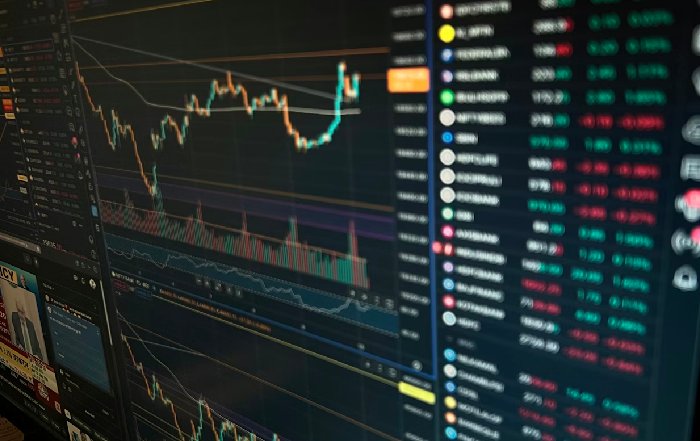
Meme Stock Resurgence: Retail Investors and Market Volatility
A New Chapter in the Retail Trading Revolution
The global equity markets once again find themselves navigating a renewed wave of meme stock activity, driven by digitally coordinated retail investors who operate across borders, platforms, and asset classes with a sophistication that was largely absent in the first wave of 2021. For an audience that spans sports enthusiasts, adventure seekers, global travelers, and business leaders who rely on xdzee.com for insight into performance, risk, and culture, the resurgence of meme stocks is not a niche financial story; it is a window into how digital communities are reshaping power dynamics in markets from the United States and the United Kingdom to Germany, Singapore, and South Africa, and how volatility itself has become part of a wider lifestyle and identity narrative that touches everything from personal finance to brand perception and even career choices.
The first meme stock surge centered on a handful of high-profile U.S. companies, but the 2026 resurgence is more geographically diverse, with retail traders in Europe, Asia, and North America coordinating around names listed in New York, London, Frankfurt, Toronto, Sydney, Hong Kong, and Singapore, and using an expanded toolkit of zero-commission trading platforms, social media channels, and real-time analytics. This environment has raised new questions for regulators, institutional investors, and retail traders alike about market fairness, systemic risk, and the ethics of digital influence, and it has created a fertile context for platforms like xdzee.com to connect developments in meme stocks with broader themes in business, world affairs, innovation, and culture.
From 2021 to 2026: How Meme Stocks Evolved
The origins of meme stocks are now well documented by institutions such as the U.S. Securities and Exchange Commission, which in 2021 published a staff report examining the trading frenzy in GameStop and other heavily shorted names. Readers can revisit that early phase of the phenomenon through resources such as the SEC's educational materials on market structure, which highlight how social media, zero-commission trading, and payment for order flow converged to create a new retail trading ecosystem. That first wave was characterized by a relatively concentrated set of stocks, a heavy U.S. focus, and a sense of rebellion against hedge funds perceived as emblematic of Wall Street excess.
By contrast, the 2026 resurgence is more dispersed and structurally embedded in global markets. Retail traders in the United States, Canada, the United Kingdom, Germany, France, and the Netherlands now routinely trade U.S. and European meme names during overlapping market hours, while investors in Japan, South Korea, Singapore, Australia, and New Zealand extend the conversation into the Asia-Pacific trading day, turning meme stock narratives into a near 24-hour cycle. Platforms like Robinhood, Interactive Brokers, and Revolut have expanded international access, and educational resources from organizations such as the CFA Institute have made it easier for new investors to understand equity valuation and risk, even as many still choose to trade based on sentiment and community momentum rather than fundamental analysis.
For xdzee.com, which covers news and business developments with an emphasis on performance and innovation, the evolution of meme stocks illustrates how quickly market narratives can shift from fringe to mainstream, and how a story that began as a social media curiosity has become a structural factor in market volatility, capital raising, and corporate governance.
Digital Communities, Identity, and the New Retail Investor
The 2026 meme stock resurgence is inseparable from the rise of digital communities that blend financial discussion with lifestyle, identity, and entertainment. On platforms such as Reddit, X (formerly Twitter), Discord, and TikTok, trading channels have become spaces where users discuss not only stock picks but also sports, travel, gaming, and personal challenges, creating a blend of financial commentary and lifestyle content that resonates strongly with younger investors in the United States, the United Kingdom, Germany, Sweden, and beyond.
Academic research published by institutions like the National Bureau of Economic Research has examined how social media and online forums influence investor behavior, and readers can explore studies on retail trading and attention-driven investing to better understand the mechanisms at work. What has become clear by 2026 is that meme stock traders do not see themselves solely as speculators; many view participation in these markets as a statement about fairness, access, and the democratization of finance, even if the outcomes are often volatile and uneven.
This blending of identity and investment is particularly relevant for xdzee.com's audience, which spans lifestyle, performance, and culture. The same individuals who follow elite sports performance or adventure travel content frequently consume trading memes, option strategies, and volatility charts, reflecting a mindset that treats risk-taking in markets as another arena for testing limits and achieving status within a community.
Market Structure, Volatility, and Systemic Risk
From a market structure perspective, the meme stock resurgence has amplified concerns about volatility, liquidity, and systemic risk that were already on the agenda of regulators and central banks. Organizations such as the Bank for International Settlements have devoted increasing attention to the impact of retail trading and digital platforms on market stability, noting that while retail participation can deepen liquidity in normal times, it can also create rapid and destabilizing price swings when sentiment turns abruptly.
In 2026, the interplay between retail trading, algorithmic market makers, and institutional short sellers has become more complex. High-frequency trading firms that provide much of the intraday liquidity in equities and options now incorporate social media sentiment data and volatility indices into their risk models, attempting to anticipate meme-driven flows. At the same time, institutional investors in Europe, Asia, and North America are more cautious about concentrated short positions in companies that could become meme targets, remembering how short squeezes in the early 2020s inflicted heavy losses on several high-profile hedge funds.
For readers seeking a deeper technical understanding of volatility, resources from the Chicago Board Options Exchange (Cboe) on the VIX Index and options-based risk management provide a useful foundation. These tools are increasingly relevant not just for institutional investors but also for sophisticated retail traders who use options to express directional views or hedge meme stock exposures, even if many still underestimate the complexity and risk of leveraged derivatives strategies.
Regulation, Ethics, and the Boundaries of Online Influence
The 2026 meme stock environment has also sharpened the focus on regulation, ethics, and the boundaries of acceptable online influence. Securities regulators in the United States, the United Kingdom, the European Union, Canada, Australia, and Singapore have all issued updated guidance on market manipulation, coordinated trading, and the responsibilities of influencers who promote stocks to large audiences. The Financial Conduct Authority (FCA) in the UK, for example, has expanded its enforcement efforts around unauthorized investment promotion and has encouraged investors to understand the risks of social media-driven speculation, while the European Securities and Markets Authority (ESMA) has provided additional clarity on how market abuse rules apply to online forums.
Ethical questions extend beyond formal regulation to the responsibilities of community leaders, content creators, and platforms themselves. When a charismatic trader in the United States, Germany, or South Korea promotes a small-cap stock to millions of followers, the line between community enthusiasm and de facto investment advice can become blurred, particularly when followers may not appreciate the risks or understand that the promoter holds a large pre-existing position. Organizations such as the OECD have highlighted the need for stronger retail investor protection frameworks in the digital age, emphasizing transparency, disclosure, and financial education.
For xdzee.com, which dedicates coverage to ethics, safety, and performance, this regulatory and ethical landscape is central to how the platform frames meme stock stories. The goal is not to celebrate or condemn retail speculation in simplistic terms, but to examine how new forms of collective action intersect with longstanding principles of market integrity and investor protection.
Corporate Responses: Communication, Strategy, and Brand Risk
Companies that become meme stocks in 2026 face a complex set of challenges and opportunities that go far beyond short-term share price movements. Corporate leaders in the United States, Europe, and Asia have learned from earlier episodes that dismissing or ignoring retail investors can be counterproductive, yet engaging too directly with meme communities can create unrealistic expectations and reputational risk. Many boards and investor relations teams now work with external advisors and crisis communication specialists to craft strategies for dealing with sudden spikes in trading volume, social media attention, and press coverage.
Guidance from organizations such as Harvard Business School on crisis communication and stakeholder engagement has become part of the reference toolkit for executives who must respond to meme-driven volatility, while professional bodies such as the Institute of Directors in the UK emphasize that boards should remain focused on long-term value creation rather than short-term market noise. In practice, this often means reaffirming fundamentals, improving disclosure, and avoiding any perception that management is encouraging speculative trading in its own shares.
Brand perception is another critical dimension. For global consumer-facing companies in sectors such as sports, travel, and lifestyle, becoming a meme stock can alter public perception in ways that affect customer loyalty and employee morale. A brand associated with chaotic price swings or perceived opportunism may face questions about its stability and values, especially in markets like Germany, Switzerland, and the Nordic countries where corporate governance standards are highly prized. At the same time, some companies have found that constructive engagement with retail shareholders, combined with consistent operational performance, can deepen loyalty and create a more resilient base of long-term investors.
For readers of xdzee.com who follow brands, performance, and business, these corporate responses provide a rich case study in how finance, communication, and culture intersect in an era where any company can suddenly find itself at the center of a global meme narrative.
Retail Investors as Stakeholders: Jobs, Careers, and Financial Futures
The meme stock resurgence also has implications for jobs, careers, and broader labor market dynamics across North America, Europe, Asia, and Africa. On one level, the growth of retail trading has created new employment opportunities in fintech, digital media, compliance, and financial education, as platforms expand and regulators seek professionals with expertise in data analytics, behavioral finance, and cybersecurity. Job seekers can explore evolving roles in these sectors through resources such as the U.S. Bureau of Labor Statistics, which provides outlooks for financial analysts, compliance officers, and technology roles in finance, reflecting how the industry is adapting to the new retail-driven environment.
On another level, meme stock trading has become a part of personal financial planning for many individuals in the United States, the United Kingdom, Canada, Australia, and beyond, raising questions about risk management, retirement security, and financial literacy. Organizations such as FINRA in the U.S. and ASIC in Australia have intensified efforts to educate investors about speculative trading and margin risk, emphasizing that while the potential for outsized gains exists, so does the risk of significant and often rapid losses.
For xdzee.com, which covers jobs, lifestyle, and destination content, there is a growing recognition that meme stock participation is part of a broader shift in how younger generations think about work, wealth, and freedom. Some see active trading as a path to financial independence that could enable them to pursue careers in sports, adventure, travel, or creative industries, while others may underestimate the psychological and financial toll of sustained volatility, margin calls, and unrealized losses. The challenge is to present a balanced view that respects the agency of retail investors while highlighting the importance of diversification, long-term planning, and realistic expectations.
Global Dimensions: Regional Nuances in Meme Stock Activity
While meme stocks are often portrayed as a U.S.-centric phenomenon, by 2026 they are unmistakably global, with distinctive regional patterns that reflect differences in regulation, culture, and market structure. In Europe, retail participation has increased in markets such as Germany, France, Italy, Spain, and the Netherlands, supported by low-cost trading platforms and a growing culture of equity investment, yet regulatory frameworks in the European Union place tighter constraints on certain forms of leveraged speculation and marketing than in some other jurisdictions. The European Commission and ESMA have promoted initiatives to encourage retail participation while safeguarding investor protection, leading to a somewhat more moderated expression of meme trading compared with the most extreme episodes seen in U.S. markets.
In Asia, markets such as Japan, South Korea, Singapore, and Thailand have seen vibrant online trading communities emerge, often building on long-standing retail participation in equities and derivatives. Authorities in Singapore and South Korea, for example, have balanced efforts to promote financial innovation with strict enforcement against market abuse, emphasizing transparency and orderly markets. Investors interested in the regulatory perspectives of the region can consult sources such as the Monetary Authority of Singapore, which outlines its approach to regulating capital markets and digital platforms.
In emerging markets across Africa and South America, including South Africa and Brazil, meme stock-style dynamics have appeared in local equities and cryptocurrency-linked assets, though often with different drivers related to inflation, currency volatility, and access to traditional investment products. Here, the conversation about meme stocks intersects with broader questions of financial inclusion and economic development, topics that global institutions like the World Bank address in their work on capital markets and inclusive growth.
For a global platform like xdzee.com, which serves readers from North America and Europe to Asia, Africa, and South America, these regional nuances are essential. The meme stock resurgence is not a single monolithic trend but a mosaic of local experiences shaped by culture, regulation, and economic conditions, and understanding these differences is critical for anyone seeking to navigate or report on this evolving landscape.
Performance, Risk, and Long-Term Outcomes
A central question for investors, regulators, and commentators in 2026 is how meme stocks perform over the long term compared with broader markets and more traditional investment strategies. Empirical studies from universities and think tanks, some accessible through portals like SSRN, have generally found that while a small number of meme stocks deliver spectacular returns for early participants, the average investor who enters during periods of intense hype often underperforms market benchmarks, particularly after accounting for trading costs, taxes, and behavioral biases such as overconfidence and loss aversion.
Resources from organizations such as Vanguard and BlackRock on long-term investing and diversification underscore the contrast between momentum-driven speculation and disciplined portfolio construction. These materials highlight that while tactical trading can play a role for some investors, concentration in a few highly volatile names is rarely compatible with long-term financial security, especially for those planning for retirement, education, or intergenerational wealth transfer.
For xdzee.com, which emphasizes performance and safety, the lesson is not that meme stocks should be ignored, but that they should be contextualized. Coverage that examines the interplay between short-term excitement and long-term outcomes helps readers distinguish between entertainment and strategy, and encourages a mindset in which risk is consciously chosen and managed rather than unconsciously absorbed.
The Role of Media and Platforms like xdzee.com
Media coverage plays a pivotal role in shaping how the public understands meme stocks and market volatility, and by 2026, responsible reporting has become an important component of market stability and investor protection. Major outlets such as the Financial Times, The Wall Street Journal, and Bloomberg have refined their approaches to covering rapid price moves, avoiding sensationalism where possible and focusing on context, data, and regulatory developments. Readers can explore in-depth financial journalism to see how leading publications frame complex market stories for a sophisticated audience.
Within this ecosystem, xdzee.com occupies a distinctive position by connecting meme stock developments to a broader set of interests that include sports, adventure, travel, business, culture, and ethics. Rather than treating meme stocks as isolated financial curiosities, the platform integrates them into coverage of world events, innovation trends, and lifestyle shifts, recognizing that for many readers, markets are part of a wider narrative about risk, ambition, and identity. This integrated approach allows xdzee.com to serve as a trusted guide for a diverse audience that spans professional investors, entrepreneurs, athletes, adventurers, and global travelers.
By emphasizing experience, expertise, authoritativeness, and trustworthiness, xdzee.com aims to offer analysis that is both accessible and rigorous, acknowledging the appeal of meme stock participation while highlighting the responsibilities that come with influence, whether at the level of an individual trader, a corporate executive, or a community moderator.
Looking Ahead: Meme Stocks and the Future of Market Participation
As 2026 progresses, it is clear that meme stocks are not a passing fad but a durable feature of modern markets, reflecting deeper shifts in technology, culture, and power. Retail investors in the United States, the United Kingdom, Germany, Canada, Australia, France, Italy, Spain, the Netherlands, Switzerland, China, Sweden, Norway, Singapore, Denmark, South Korea, Japan, Thailand, Finland, South Africa, Brazil, Malaysia, New Zealand, and beyond are unlikely to surrender their newfound voice, even as regulators refine rules and institutional investors adapt strategies.
The challenge for all stakeholders is to harness the positive aspects of this transformation-greater access, engagement, and financial awareness-while mitigating the risks of excessive speculation, misinformation, and systemic stress. This will require ongoing collaboration between regulators, platforms, educational institutions, and media organizations, as well as a commitment by individual investors to continuous learning and self-discipline.
For xdzee.com, the meme stock resurgence is an opportunity to continue building a bridge between markets and everyday life, offering readers not only timely coverage of volatility and news but also deeper reflections on how financial decisions intersect with careers, travel, sports, adventure, and culture. As markets evolve, the platform's role as a trusted companion in navigating uncertainty and opportunity will remain central, grounded in a commitment to clear analysis, ethical awareness, and a genuinely global perspective that reflects the diverse interests and destinations of its audience.
In this sense, the story of meme stocks in 2026 is not just about price charts and message boards; it is about how a new generation of investors is redefining participation in the financial system, and how platforms like xdzee.com help them understand, question, and ultimately shape that system in ways that extend far beyond any single trading frenzy.