

How Performance Metrics Are Transforming Amateur Sports
The Data-Driven Turning Point in Grassroots Competition
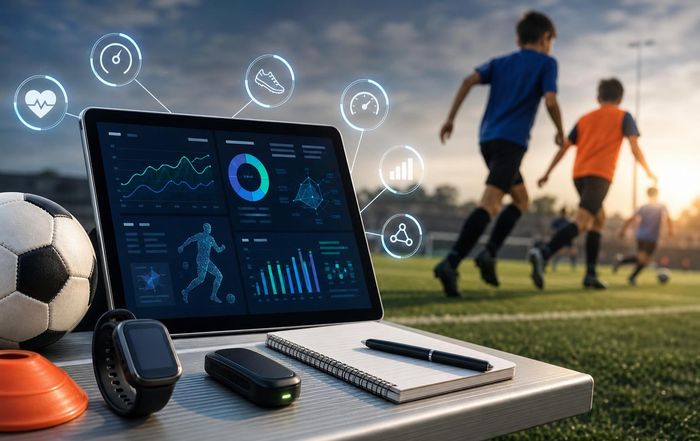
Amateur sports across the world have entered a decisive new phase in which performance metrics, once the preserve of elite athletes and professional clubs, have become embedded in the everyday routines of runners, cyclists, footballers, skiers, swimmers, and weekend adventurers. From community leagues in the United States and the United Kingdom to youth academies in Germany, Canada, Australia, and beyond, the language of training has shifted from vague impressions of "feeling fit" to precise measurements of power output, recovery scores, and tactical positioning. This transformation has been accelerated by the convergence of affordable wearables, cloud analytics, and mobile platforms, as well as by evolving expectations from athletes, coaches, and sponsors who increasingly demand measurable progress and transparent standards of performance and safety.
Within this landscape, XDZEE has positioned itself as an activity and adventure hub that curates and interprets the world of data-driven sport and active lifestyles, connecting insights from global trends to the lived experiences of its readers who move between sports, adventure, travel, brands, and broader lifestyle choices. As performance metrics redefine what it means to participate, improve, and compete, the challenge for the amateur athlete is no longer access to information, but making sense of it in a way that enhances enjoyment, protects health, and opens up new opportunities in a rapidly evolving global sports ecosystem.
From Stopwatch to Sensor: The New Language of Performance
The evolution from basic timing and scoring to multi-dimensional performance tracking has been swift. Where coaches once relied on clipboards and anecdotal feedback, they now draw on streaming data from GPS-enabled watches, power meters, heart-rate monitors, and motion sensors. Platforms such as Strava and Garmin have helped normalize the idea that every training session can be logged, analyzed, and compared, while research institutions like the Australian Institute of Sport have expanded public understanding of how metrics such as VO₂ max, lactate threshold, and neuromuscular fatigue correlate with real-world performance. For those looking to understand the scientific foundations of endurance and recovery, it has never been easier to explore evidence-based sports science.
Amateur athletes in Europe, North America, and Asia have embraced this new language with enthusiasm, often using consumer devices that draw on methodologies originally developed for professional leagues and Olympic programs. The democratization of data is visible in local running clubs in London and Berlin, cycling collectives in the Netherlands and Italy, and triathlon communities in Singapore and Japan, where participants routinely discuss training load, heart-rate variability, and sleep scores with a fluency that would have been unusual even a decade ago. On XDZEE, this shift is reflected in coverage that ties performance analytics directly to the lived experience of readers who care about performance as much as they care about culture, travel, and community.
Global Technology, Local Athletes: A Worldwide Shift
The global spread of performance metrics is not uniform, but it is pervasive. In the United States and Canada, amateur leagues in basketball, soccer, and ice hockey have adopted affordable tracking systems that monitor player movement and workload, taking inspiration from the NBA and NHL's use of advanced analytics. In the United Kingdom, Germany, and France, semi-professional football clubs and academies have embraced GPS vests and video analysis to refine tactical understanding and reduce injury risk, drawing on frameworks popularized by organizations such as FIFA and UEFA, whose technical reports are now widely consulted by serious amateurs who wish to learn from elite tactical trends.
In Asia-Pacific markets such as Japan, South Korea, Singapore, and Australia, the integration of metrics into amateur sports has been driven by a combination of tech-savvy populations and strong governmental support for physical activity and public health. National bodies, including Sport Singapore and Sport England, publish guidelines on safe training loads and community participation, which in turn influence the design of local events and grassroots programs. In emerging markets across Africa and South America, from South Africa to Brazil, mobile-first platforms and lower-cost sensors are beginning to bridge gaps in access, enabling coaches to use basic GPS and heart-rate data to track talent in football, athletics, and rugby. As these trends converge, a common data vocabulary is taking shape across continents, which XDZEE connects to broader world and news coverage, highlighting how global innovation reshapes local playing fields.
Wearables, Apps, and the Consumerization of Sports Science
The consumerization of sports science has been driven in large part by the rapid advancement of wearable technology and mobile applications that are increasingly accurate, interoperable, and accessible. Companies such as Apple, Garmin, Polar, and Whoop have turned wrists and chests into laboratories, capturing continuous streams of data on heart rate, sleep, temperature, and movement. These devices often integrate with training platforms that apply machine learning to estimate recovery needs, predict race performance, and flag potential overtraining, while organizations like Mayo Clinic and the Cleveland Clinic provide open resources to help athletes understand cardiovascular health and exercise safety.
At the same time, sports-specific apps used by runners, cyclists, skiers, and climbers have moved beyond simple distance and speed tracking to offer structured training plans, adaptive workouts, and comparative leaderboards that gamify progress. For amateur athletes in markets such as the Netherlands, Switzerland, and the Nordic countries, where outdoor activity is deeply embedded in culture, these tools have become part of daily life, shaping not only training but also travel decisions, as individuals choose destinations that support their performance goals and safety expectations. On XDZEE, these shifts intersect naturally with content that spans destination choices, adventure planning, and lifestyle optimization, enabling readers to align their training metrics with their broader ambitions in sport, work, and leisure.
Performance Metrics as a Pathway to New Opportunities
Beyond the intrinsic satisfaction of improvement, performance metrics are opening new pathways for amateur athletes to access coaching, sponsorship, and even career opportunities. Online coaching platforms now routinely request access to training data before designing personalized programs, while talent identification initiatives in sports such as running, cycling, and esports use quantified benchmarks to filter large pools of hopefuls. In Europe and North America, universities and clubs increasingly view verified performance logs as a supplement to traditional scouting, particularly in endurance sports and niche disciplines where geographic barriers once limited visibility.
The labor market around sports and performance analytics has also expanded, creating roles for data analysts, performance coaches, and technology specialists who understand both athletic realities and statistical methods. Organizations such as LinkedIn and Indeed show a steady rise in listings related to sports data analysis, digital coaching, and wearable technology, reflecting a broader trend in which the boundary between sport and work becomes more porous. Readers of XDZEE who monitor the evolving jobs landscape can see how familiarity with performance metrics, and the ability to interpret them responsibly, now constitutes a form of professional capital in industries ranging from fitness and healthcare to tourism and brand management.
Safety, Risk Management, and the Ethics of Monitoring
While performance metrics have improved training quality for many amateur athletes, they have also introduced new questions around safety, risk management, and ethics. Continuous monitoring can create pressure to chase numbers, encouraging some individuals to ignore signs of fatigue or illness in pursuit of higher scores, longer streaks, or more impressive social media posts. Medical organizations such as the World Health Organization and American College of Sports Medicine now emphasize the importance of balancing activity with recovery and advocate for evidence-based guidelines that help athletes recognize and prevent overtraining and injury.
In parallel, the collection and sharing of biometric data raise significant concerns about privacy, consent, and data governance. Amateur athletes who sync their devices with social platforms or club systems may not always understand who can access their location, health metrics, or historical performance, and what commercial uses might be made of that information. Regulators in the European Union, through frameworks such as the GDPR, have set high standards for data protection, while organizations like the Electronic Frontier Foundation and Future of Privacy Forum encourage individuals to make informed decisions about digital privacy. For XDZEE, which covers safety and ethics alongside performance and innovation, this is a central issue: the platform's editorial stance underscores that metrics should enhance human experience, not commodify it without transparency or respect.
Innovation at the Intersection of Sports, Travel, and Lifestyle
The influence of performance metrics extends well beyond the training ground, shaping decisions about travel, lifestyle, and even consumer identity. Adventure travelers increasingly choose destinations based on the availability of high-quality training environments, safe infrastructure, and reliable connectivity that allows them to upload and analyze their data in real time. Cities like Barcelona, Vancouver, Copenhagen, and Melbourne promote their cycling paths, running routes, and outdoor facilities as part of a broader appeal to health-conscious visitors who expect to maintain or even optimize their performance while exploring new places. Tourism bodies and city planners draw on data about activity patterns to design more engaging and sustainable urban experiences, while organizations such as the World Tourism Organization explore how sports tourism and wellness travel are reshaping global mobility and spending.
Brands in apparel, footwear, and equipment have responded by integrating sensors into shoes, helmets, and clothing, offering "smart" products that promise not only comfort and style but also actionable insights. Companies such as Nike, Adidas, and Under Armour invest heavily in digital ecosystems that link gear, apps, and community platforms, reinforcing a cycle in which personal identity is partly expressed through quantified performance. In this environment, XDZEE operates at the intersection of brands, lifestyle, and performance, helping readers navigate an increasingly complex marketplace in which the value of a product is judged not only by how it looks and feels, but by how effectively it captures and translates data into meaningful improvement.
Cultural Shifts: From Intuition to Evidence, Without Losing Joy
The rise of performance metrics has also brought about subtle but significant cultural shifts in how amateur athletes relate to themselves, their peers, and their sports. On one hand, the emphasis on evidence and measurement has empowered many individuals, particularly those in underrepresented groups, to demonstrate their capabilities and progress in objective terms, challenging stereotypes and broadening participation. Women's running communities in the United States and Europe, for example, have used data to document improvements, share training plans, and create inclusive challenges that celebrate personal bests at every level, often drawing on resources from organizations like Women in Sport and Nike's community initiatives to promote gender equity in sports.
On the other hand, some long-time participants worry that an obsession with numbers may erode the spontaneous joy and social connection that have traditionally defined amateur sport. Coaches and psychologists warn that constant comparison, whether through leaderboards or social feeds, can undermine intrinsic motivation and contribute to anxiety or burnout, especially among younger athletes. Research from institutions such as Harvard Medical School and Stanford University highlights the importance of psychological balance, recommending that athletes view metrics as tools rather than verdicts and maintain space for unstructured play, exploration, and rest. Within its coverage of culture and lifestyle, XDZEE regularly explores how individuals and communities negotiate this tension, showcasing examples from local clubs in Scandinavia, park runs in South Africa, and surf communities in Brazil that blend data awareness with a strong emphasis on enjoyment and mutual support.
Business Models, Sponsorship, and the Economics of Amateur Data
The integration of performance metrics into amateur sports has created new business models and revenue streams for technology providers, event organizers, and sponsors, while also shifting expectations about value and accountability. Event organizers now routinely offer participants detailed post-race analytics, personalized certificates, and dynamic photography linked to pace and heart-rate data, turning a single competition into a multi-layered digital experience. Sponsors, in turn, use anonymized aggregates of this data to better understand participant demographics, preferences, and engagement patterns, informing product design and marketing strategies. Industry reports from organizations like Deloitte and PwC analyze how the sports sector increasingly relies on data to drive growth, fan engagement, and operational efficiency.
At the grassroots level, subscription-based apps and premium analytics services have become a significant economic force, particularly in mature markets such as the United States, United Kingdom, Germany, and Japan, where consumers are accustomed to paying for digital services that promise performance enhancement. This raises questions about equity and access, as athletes with greater financial resources can access more sophisticated tools and coaching, potentially widening performance gaps within amateur communities. Platforms like XDZEE, with a strong focus on business and innovation, play a role in scrutinizing these developments, highlighting both the opportunities and the risks of a landscape in which data is both a source of empowerment and a commodity in competitive markets.
Governance, Standards, and the Quest for Trustworthiness
As performance metrics become central to amateur sports, issues of governance, standardization, and trustworthiness take on greater importance. Without agreed definitions and protocols, comparisons across devices, platforms, and events can be misleading, undermining confidence in the very metrics that athletes rely upon. International standards organizations and sports governing bodies are beginning to address these challenges, exploring frameworks that would ensure consistency in how key measures such as heart rate, GPS distance, and power output are captured and reported across different environments and technologies. Initiatives supported by organizations such as the International Organization for Standardization (ISO) and World Athletics aim to develop common benchmarks for sports technology and timing systems.
Trustworthiness also depends on the integrity of algorithms and the transparency of how they are constructed and updated. As machine learning models increasingly shape training recommendations and injury risk assessments, there is a growing expectation that providers will explain their methodologies and subject them to independent review. Ethical guidelines emerging from bodies such as the OECD and UNESCO around artificial intelligence and human rights are beginning to influence how sports technology companies design, test, and deploy their products, especially when dealing with sensitive health data. For XDZEE, which has made innovation and ethics core editorial pillars, this is a critical area of coverage, connecting developments in global AI governance with their concrete implications for athletes who simply wish to train smarter and stay healthy.
How About Human-Centered Performance in a Measured World
Looking toward the remainder of the decade, it is clear that performance metrics will remain a defining feature of amateur sports, but the way they are integrated into daily life will continue to evolve. Advances in sensor miniaturization, edge computing, and AI-driven coaching are likely to make data even more seamless and predictive, blurring the line between training and everyday activity. At the same time, social and regulatory pressures are likely to demand greater transparency, user control, and ethical safeguards, especially as the volume and sensitivity of captured data increase. Regions such as Europe, with its strong privacy norms, and Asia-Pacific, with its rapid technology adoption, will continue to shape the contours of this balance, while global bodies and research institutions refine best practices for safe, inclusive, and sustainable participation in sport.
For the sports active adventure community that gathers around XDZEE, spanning continents from North America and Europe to Asia, Africa, and South America, the central challenge is to harness the power of performance metrics without losing sight of the deeper reasons people engage in sport, adventure, and travel: connection, exploration, personal growth, and joy. By curating insights across sports, travel, business, culture, and innovation, and by foregrounding experience, and well researched content, XDZEE aims to support a active experience community of amateur athletes and active citizens who want to live fully in a measured world, using data not as a master, but as a guide toward richer, safer, and more meaningful experiences on and off the field.