

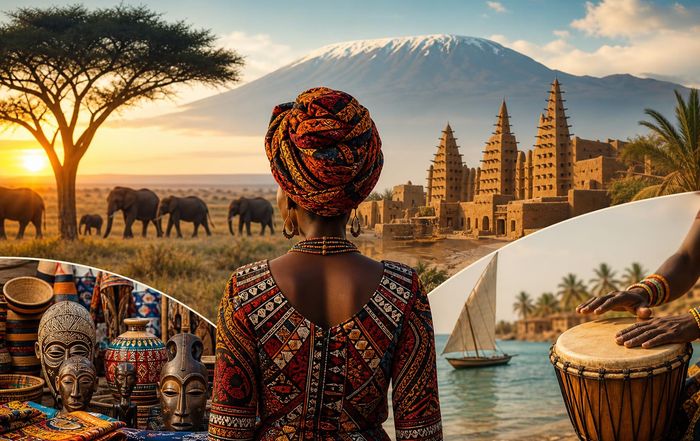
Culture-Driven Travel Experiences Across Africa: A New Era of Immersive Discovery
Africa's Cultural Renaissance and the New Traveler
Well then, culture-driven travel across Africa has moved from a niche interest to a defining force in global tourism, reshaping how travelers from the United States, Europe, Asia, and beyond approach destinations and how African communities design, manage, and benefit from visitor experiences. For discerning adventurous community of xdzee.com, whose interests usually include sports, adventure, lifestyle, business, performance, safety, innovation, and ethics, this shift is not only about where to go, but how to travel responsibly, invest wisely, and engage with local communities in ways that create lasting value on both sides of the journey.
The African continent, with 54 countries and thousands of ethnic groups, offers a depth of history, creativity, and living tradition that is increasingly recognized by platforms such as UNESCO and the World Tourism Organization as a cornerstone of sustainable tourism growth. From the design-led galleries of Cape Town and the tech-art fusion of Nairobi to the music festivals of Lagos and the literary circuits of Accra, culture is becoming the main lens through which visitors interpret Africa's cities, landscapes, and peoples. On xdzee.com, this evolution aligns naturally with its coverage of travel, culture, destination, and world trends, offering a platform where cultural narratives, business insights, and experiential storytelling converge.
From Safari to Story: Redefining African Itineraries
The traditional safari narrative, while still relevant and valuable, no longer defines the totality of African tourism. Increasingly, travelers from Germany, Canada, the United Kingdom, and Australia are designing itineraries that combine wildlife with deep cultural immersion, blending time in national parks with homestays, design tours, culinary workshops, and contemporary arts events. Organizations such as the African Travel and Tourism Association and research from the World Travel & Tourism Council highlight a rising preference for experiences that connect visitors to local identity, social issues, and creative industries, rather than purely observational tourism.
In countries like South Africa, Kenya, Morocco, Ghana, Rwanda, and Senegal, curated experiences now invite visitors to explore township entrepreneurship, Afro-futurist art, indigenous wellness traditions, and collaborative conservation projects, often co-created with local communities and cultural practitioners. For many travelers, this shift is also informed by heightened awareness around ethical tourism, with resources such as Responsible Travel and the Global Sustainable Tourism Council helping them evaluate whether their travel choices support or undermine local livelihoods and cultural heritage. Within this context, xdzee.com is increasingly positioned as a guide for readers seeking both inspiration and due diligence, connecting culture-driven itineraries with insights on ethics, safety, and innovation in travel.
Urban Culture Hubs: Cities as Living Classrooms
African cities have become powerful stages for culture-driven travel, blending heritage and modernity in ways that appeal to visitors from Singapore, the Netherlands, Japan, and the broader global market. Cities such as Cape Town, Lagos, Nairobi, Accra, Dakar, Johannesburg, Marrakesh, and Kigali are redefining the urban African experience, not as stopovers, but as primary destinations where travelers can engage with contemporary art, design, gastronomy, and nightlife, while still accessing historical and community-based narratives.
In Cape Town, the Zeitz Museum of Contemporary Art Africa has become a major draw, positioning the city as a global art capital and creating synergies with design districts, culinary innovators, and local fashion brands. Travelers seeking to understand how creative industries are reshaping African economies can explore analyses from UNCTAD's Creative Economy Programme and then see those dynamics play out in real time in galleries, markets, and co-working spaces across the continent. Lagos, with its dynamic music scene anchored in Afrobeats, and Nairobi, with its tech-driven creative hubs and digital media startups, illustrate how culture, technology, and entrepreneurship intersect, offering a compelling narrative for readers interested in business, brands, and jobs within the African context.
These urban hubs are also increasingly recognized by global rankings and reports, such as the Global Liveability Index and World Cities Culture Forum, which underscore the role of culture in driving urban attractiveness, talent retention, and economic resilience. For xdzee.com, these developments create fertile ground for storytelling that connects city-based cultural itineraries with broader narratives about innovation, talent mobility, and cross-border collaboration between Africa, Europe, North America, and Asia.
Heritage, Memory, and Identity: Engaging with the Past
Culture-driven travel in Africa is profoundly shaped by questions of heritage, memory, and identity, especially for travelers from the African diaspora in the United States, Brazil, the Caribbean, and Europe, as well as for global visitors seeking to understand the continent's role in world history. Destinations such as Gorée Island in Senegal, Elmina Castle and Cape Coast Castle in Ghana, and Robben Island in South Africa serve as powerful sites of memory related to the transatlantic slave trade and anti-apartheid struggle, inviting visitors into difficult but necessary conversations about human rights, resilience, and reconciliation.
Initiatives like Ghana's Year of Return and its subsequent programs have demonstrated how heritage tourism can be both emotionally resonant and economically transformative, drawing large numbers of visitors from the United States, United Kingdom, and Canada seeking to reconnect with ancestral roots. The work of organizations such as the International Council on Monuments and Sites and the African World Heritage Fund reinforces the importance of conserving these sites while ensuring that their interpretation reflects local voices and contemporary scholarship. For business and policy audiences, these developments raise important questions about how heritage tourism can be governed, financed, and marketed in ways that avoid commodification and ensure that local communities retain agency and benefit fairly from visitor flows.
On xdzee.com, the intersection of heritage, ethics, and tourism offers rich terrain for analysis, connecting coverage of news and world affairs with in-depth destination features that encourage travelers to approach historical sites with humility, curiosity, and a commitment to understanding context. This approach also aligns with emerging best practices in cultural tourism promoted by organizations like the UN Human Rights Office and academic institutions such as the African Studies Centre Leiden, which emphasize the importance of inclusive narratives and respect for local knowledge systems.
Festivals, Sports, and Performance: The Rhythm of Contemporary Africa
Festivals, sports events, and live performances have become powerful magnets for culture-driven travel across Africa, drawing visitors from Scandinavia, East Asia, and North America who are eager to experience the energy of contemporary African creativity. Music and arts festivals such as Festival au Désert in Mali, Lake of Stars in Malawi, Chale Wote in Ghana, and Bushfire in Eswatini, alongside major events in Lagos, Nairobi, Johannesburg, and Marrakesh, offer immersive entry points into local and regional scenes, often combining music, visual arts, food, and fashion in a single multi-day experience.
At the same time, Africa's growing presence in global sports, from football to athletics and emerging adventure disciplines, is reshaping how travelers combine cultural and sporting interests. The influence of African footballers in top European leagues, the success of runners from Kenya and Ethiopia, and the rise of surfing, kitesurfing, and trail running destinations in South Africa, Morocco, and Namibia create new opportunities for sports and performance-oriented travel that remains rooted in local culture. Reports from bodies like the International Olympic Committee and the FIFA development programmes illustrate how sports infrastructure and events can catalyze tourism, urban regeneration, and youth employment, especially when linked to broader cultural strategies.
For xdzee.com, which covers lifestyle, adventure, and performance across regions from Europe to Asia-Pacific, these developments open pathways to feature stories that follow travelers attending festivals in Dakar, running marathons in Cape Town, or surfing in Taghazout, while also exploring how local communities leverage these events to promote cultural pride, entrepreneurship, and social cohesion. This convergence of culture, sports, and tourism reflects a broader global trend towards experiential lifestyles, where travel is less about passive observation and more about active participation and personal transformation.
Culinary Journeys and Lifestyle Narratives
African culinary traditions, long underrepresented in global gastronomy discourse, are now at the forefront of culture-driven travel, particularly for visitors from France, Italy, Spain, and the wider foodie community worldwide. From the fine-dining reinventions of Ethiopian, Nigerian, Moroccan, and South African cuisines to street-food scenes in cities such as Lagos, Accra, and Dar es Salaam, the continent offers a spectrum of flavors that reflect centuries of trade, migration, and innovation. Influential chefs and restaurateurs across Africa and the diaspora are increasingly featured in global media and rankings like the World's 50 Best Restaurants, elevating the profile of African culinary destinations and encouraging travelers to plan itineraries around food experiences.
Culinary tourism in Africa is also deeply connected to lifestyle and wellness trends, with growing interest in plant-based diets, indigenous superfoods, and traditional preparation methods that align with global conversations about health and sustainability. Organizations such as the Food and Agriculture Organization and research from Harvard T.H. Chan School of Public Health highlight the nutritional and environmental value of diverse, locally sourced diets, which many African food cultures exemplify. As travelers seek more meaningful and health-conscious experiences, food tours, cooking classes, and market visits become key components of culture-driven itineraries, allowing visitors to engage directly with local producers, artisans, and family-run businesses.
For the audience of xdzee.com, with its emphasis on lifestyle, brands, and ethical consumption, African culinary journeys offer a compelling narrative that spans restaurant design, food entrepreneurship, sustainable sourcing, and cultural storytelling. Whether exploring wine routes in South Africa, coffee origins in Ethiopia, or spice markets in Zanzibar, travelers can connect their personal lifestyle choices with broader conversations about food systems, climate resilience, and cultural preservation.
Innovation, Digital Storytelling, and the Future of Cultural Tourism
By 2026, digital innovation is deeply embedded in culture-driven travel across Africa, enabling new forms of discovery, connection, and accountability. Local startups, cultural institutions, and tourism boards are leveraging mobile apps, augmented reality, virtual tours, and social media platforms to showcase experiences, manage visitor flows, and provide richer context for cultural sites and events. Research from organizations such as the World Economic Forum and the International Telecommunication Union underscores how digital infrastructure and skills development are key enablers of inclusive tourism growth, particularly in regions where traditional marketing and distribution channels have been limited.
In cities like Nairobi, Kigali, and Cape Town, tech ecosystems intersect with creative industries to produce innovative storytelling formats, from immersive heritage apps to platforms that connect travelers with vetted local guides, artisans, and community-based tourism projects. This digital layer not only enhances the visitor experience but also provides tools for transparency and trust, allowing travelers to verify safety standards, ethical practices, and community benefit claims. For a platform like xdzee.com, which emphasizes innovation, performance, and safety, these developments are central to how African destinations will be covered and evaluated, with a focus on data, impact, and user experience.
At the same time, digital storytelling amplifies African voices in global tourism narratives, allowing local creators, journalists, and cultural practitioners to shape how their communities are represented. Initiatives supported by organizations such as Google Arts & Culture and nonprofit programmes like the Ford Foundation in Africa contribute to an expanding ecosystem of digital archives, online exhibitions, and multimedia content that travelers can access before, during, and after their trips. This democratization of storytelling aligns closely with the editorial direction of xdzee.com, which seeks to foreground authentic perspectives, diverse voices, and nuanced analysis in its coverage of destinations and cultural trends.
Ethics, Safety, and Trust in Culture-Driven Travel
As culture-driven travel grows, questions of ethics, safety, and trust become even more critical, particularly for travelers from regions such as North America, Europe, and East Asia who may be unfamiliar with local contexts or concerned about risk. The World Health Organization and the Centers for Disease Control and Prevention continue to provide guidance on health-related travel considerations, while organizations like the Overseas Security Advisory Council and national foreign affairs departments offer country-specific safety advisories. However, cultural tourism requires additional layers of ethical reflection, including respect for sacred sites, consent in photography, fair compensation for local guides and performers, and awareness of the potential impacts of visitor behavior on community dynamics.
In many African countries, tourism ministries and industry associations are updating regulations and certification schemes to address these issues, incorporating standards related to cultural sensitivity, community engagement, and environmental stewardship. The frameworks developed by the Global Sustainable Tourism Council and the UN Environment Programme provide reference points for operators and governments seeking to align tourism growth with the Sustainable Development Goals. For travelers and corporate partners, this evolving landscape underscores the importance of working with reputable providers, conducting due diligence, and listening to local stakeholders when designing or participating in cultural experiences.
xdzee.com, with dedicated sections on safety, ethics, and business, is well positioned to guide its audience through this complexity, offering not only destination inspiration but also frameworks for evaluating risk, impact, and responsibility. As more companies, sports organizations, and brands engage in sponsorships, events, and corporate travel across Africa, the need for trusted, independent analysis of cultural, ethical, and safety considerations will only intensify.
Economic Opportunity, Jobs, and Local Empowerment
Culture-driven travel is increasingly recognized as a powerful catalyst for job creation, entrepreneurship, and inclusive growth across Africa, particularly in rural and peri-urban areas where formal employment opportunities are limited. The International Labour Organization and the African Development Bank Group have documented how tourism, when managed responsibly, can generate diverse roles in guiding, hospitality, arts, transport, and digital services, with strong potential for youth and women's employment. Cultural tourism, in particular, offers pathways for artisans, performers, storytellers, and community leaders to monetize their skills and heritage on their own terms.
However, realizing this potential requires investment in training, infrastructure, and governance, as well as mechanisms to ensure that value is retained locally rather than captured solely by external intermediaries. Business leaders and policymakers from South Africa, Kenya, Rwanda, Morocco, and beyond are increasingly exploring public-private partnerships, community-based tourism models, and impact investment vehicles that align financial returns with social and cultural outcomes. Case studies from institutions such as the World Bank and academic research published by universities in Europe and North America provide evidence that culture-led development can drive inclusive growth when local ownership and participation are prioritized.
For the audience of xdzee.com, which includes professionals interested in business, jobs, and global markets, culture-driven travel in Africa is not only a lifestyle trend but also a strategic opportunity. Whether through direct investment in tourism ventures, partnerships with African brands and creatives, or corporate travel policies that prioritize ethical and cultural engagement, there is significant scope for aligning commercial interests with positive impact. As xdzee.com deepens its coverage of African destinations and industries, it can serve as a bridge between global capital, regional expertise, and local communities seeking to shape their own tourism futures.
The Wild Place of of xdzee.com (premium digital sports / travel magazine) in Africa's Culture-Driven Travel Future
As culture-driven travel across Africa matures, platforms that combine editorial integrity, regional awareness, and a multidimensional understanding of audience interests will play a pivotal role in shaping how the world engages with the continent. xdzee.com, with its integrated focus on travel, adventure, culture, destination, sports, lifestyle, business, innovation, ethics, and performance, is uniquely positioned to curate and interpret Africa's cultural renaissance for readers from the United States, Europe, Asia, and beyond.
By foregrounding experience, expertise, authoritativeness, and trustworthiness, xdzee.com can help travelers and decision-makers navigate a rapidly evolving landscape where authenticity, responsibility, and impact matter as much as aesthetics and entertainment. Through in-depth features, interviews with cultural leaders and entrepreneurs, analysis of policy and investment trends, and on-the-ground reporting from cities and communities across Africa, the platform can illuminate both the opportunities and the challenges inherent in culture-driven travel. In doing so, it not only informs individual travel choices but also contributes to a broader global conversation about how tourism can support cultural vitality, social justice, and sustainable development.
As time unfolds, the story of culture-driven travel in Africa is still being written, shaped by local creativity, global curiosity, and the complex interplay of economics, technology, and identity. For actively fit and ace community visiting xdzee.com, engaging with this story offers more than inspiration for the next journey; it provides a lens through which to understand a changing world, where Africa is not a backdrop but a co-author of the future of global culture, business, and travel.