

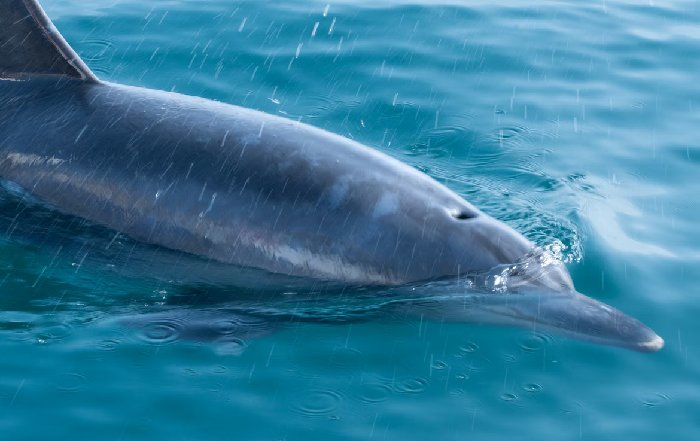
Trainer for a Day: Behind the Scenes with Dolphins in Honduras
A New Kind of Executive Break: Immersive Marine Experiences
These days as business leaders and high-performing professionals seek experiences that are both restorative and developmental, immersive wildlife encounters are emerging as a distinctive category of executive downtime. Among these, the opportunity to become a "trainer for a day" with dolphins in Honduras stands out as a compelling blend of adventure, learning, and ethical reflection. For the readership of xdzee.com, whose interests span performance, travel, business, innovation, ethics, and culture, this experience illustrates how purposeful leisure can sharpen leadership capabilities while deepening respect for the natural world.
Honduras, strategically positioned in Central America with access to the Caribbean Sea, has, over the last decade, invested in strengthening tourism standards and marine conservation frameworks. As a result, its dolphin programs increasingly operate under the scrutiny of international guidelines and local regulations, making it an important case study for how wildlife-based tourism can evolve. Executives from the United States, Canada, United Kingdom, Germany, Australia, and across Europe and Asia are now looking beyond traditional resorts and conferences to curated experiences that connect them with nature, culture, and ethical practice, a trend that aligns closely with the editorial focus of xdzee.com/travel.html and xdzee.com/destination.html.
Honduras as a Strategic Destination for High-Value Experiences
Honduras' Bay Islands, including Roatán and Utila, have become globally recognized marine destinations due to their proximity to the Mesoamerican Barrier Reef, the second-largest barrier reef system in the world. Organizations such as the United Nations World Tourism Organization and the World Bank have highlighted Central America's coastal regions as emerging hubs for sustainable tourism, pointing to their potential to combine economic growth with marine conservation. For executives traveling from North America, Europe, and Asia-Pacific markets such as Japan, South Korea, Singapore, and Australia, the Bay Islands offer relatively easy access, modern hospitality infrastructure, and a growing ecosystem of experience providers.
This context is essential for understanding why a dolphin trainer-for-a-day program in Honduras is not just a leisure activity but a curated, high-touch experience embedded in a broader narrative of sustainable development, local employment, and responsible tourism. Business-focused travelers who follow xdzee.com/business.html and xdzee.com/world.html are increasingly evaluating destinations not only on comfort and scenery but also on governance, environmental stewardship, and the quality of local partnerships. Honduras, with support from international environmental groups such as the World Wildlife Fund, has been under pressure to balance tourism growth with the protection of its fragile marine ecosystems, making the design and operation of dolphin programs a matter of both reputational risk and strategic opportunity.
Inside a Trainer-for-a-Day Program: Structure, Flow, and Learning
A trainer-for-a-day experience in Honduras typically begins before sunrise, with participants arriving at a dedicated marine facility that houses a pod of bottlenose dolphins in large, sea-fed enclosures. These facilities, often located near coral reefs and mangrove forests, are designed to mimic natural conditions as closely as possible while enabling structured interaction and constant veterinary oversight. From the outset, participants are introduced to the core principles of animal welfare, safety, and professional conduct, aligning the program with the kind of performance standards that readers of xdzee.com/performance.html would recognize from elite sports and high-stakes business environments.
The first hour frequently focuses on orientation and theory. Senior marine mammal trainers, some of whom have backgrounds in marine biology or veterinary science, explain how dolphins communicate, how positive reinforcement is used in training, and how daily routines are structured to support both physical and psychological health. Interested readers can explore more about marine mammal behavior and cognition through institutions such as the National Oceanic and Atmospheric Administration and the Smithsonian National Museum of Natural History, which provide accessible overviews of dolphin intelligence and social structures. This theoretical grounding is not merely educational; it sets a tone of respect and professionalism, positioning participants as temporary members of a specialized team rather than casual tourists.
As the day progresses, participants typically shadow trainers through a sequence of tasks: preparing measured portions of fish under strict hygiene protocols, recording feeding data, assisting with environmental enrichment activities that stimulate the dolphins' cognitive and physical engagement, and observing routine health checks. The structure and documentation involved in these routines closely resemble operational best practices in high-reliability industries, from aviation to healthcare, where checklists, logs, and continuous monitoring are essential for safety and performance. Those who follow xdzee.com/safety.html will recognize the parallels between these procedures and the broader field of risk management, where human error is mitigated through system design and disciplined execution.
Later in the day, under close supervision, participants may be invited to assist in basic training exercises, such as hand signals for simple behaviors, or to support controlled, shallow-water interactions where dolphins approach for tactile contact. This hands-on component is where the emotional impact of the experience becomes most pronounced, especially for professionals used to highly abstract, digital, or financial work. The immediacy of interacting with a sentient marine animal in its element can reframe perspectives on leadership, responsibility, and the limits of human control, a theme that resonates strongly with the reflective lifestyle content on xdzee.com/lifestyle.html.
Leadership, Team Dynamics, and Performance Lessons from the Lagoon
For many executives and professionals, the most valuable aspect of a trainer-for-a-day program is not the novelty of being close to dolphins, but the opportunity to observe and participate in a high-performing, interdisciplinary team. Marine facilities that meet modern standards operate with a complex blend of roles, including trainers, veterinarians, operations managers, dive specialists, safety officers, and guest experience professionals. The coordination required to maintain animal welfare, guest safety, and operational efficiency offers an applied case study in cross-functional collaboration.
The training methodologies used with dolphins rely heavily on consistency, clarity, and positive reinforcement, principles that are increasingly recognized as effective in human leadership and organizational culture. Business leaders interested in translating these insights into corporate practice can explore research and frameworks from institutions such as Harvard Business School and MIT Sloan Management Review, which have extensively documented how feedback, recognition, and psychological safety drive performance. In the lagoon, participants quickly learn that ambiguous signals, inconsistent rewards, or emotional volatility undermine trust and learning, both for animals and for human colleagues.
Moreover, the trainers' situational awareness, calm demeanor under pressure, and ability to read subtle behavioral cues from the dolphins mirror the competencies required for effective leadership in volatile, uncertain, complex, and ambiguous (VUCA) business environments. Observing how experienced trainers adjust sessions in real time, based on the animals' energy levels, environmental conditions, and safety considerations, provides a live demonstration of adaptive leadership and decision-making. Readers of xdzee.com/sports.html, familiar with high-performance coaching, will recognize similar patterns in elite athletic training, where coaches fine-tune programs based on real-time feedback and long-term development goals.
Ethics, Welfare, and the Evolving Debate Around Dolphin Programs
No serious discussion of dolphin trainer-for-a-day experiences can ignore the ethical debate surrounding marine mammal captivity and interactive tourism. Over the past decade, organizations such as the World Animal Protection and the Humane Society International have raised concerns about the psychological and physical well-being of dolphins in confined environments, even when these are sea-fed and relatively spacious. Simultaneously, marine science bodies including the International Union for Conservation of Nature have emphasized the importance of robust, evidence-based standards to assess welfare outcomes and conservation benefits.
For a business-oriented audience, the critical question is not simply whether such programs should exist, but under what conditions they can operate responsibly, transparently, and in alignment with evolving societal expectations. The ethical dimension aligns closely with the editorial focus of xdzee.com/ethics.html, where issues of corporate responsibility, governance, and stakeholder trust are central themes. Well-managed facilities in Honduras increasingly adopt independent audits, veterinary oversight, and adherence to international guidelines, seeking to demonstrate that their programs contribute to conservation awareness, local employment, and scientific research rather than mere entertainment.
Participants in trainer-for-a-day programs are typically exposed to this ethical complexity directly. Briefings often include discussion of how dolphins arrived at the facility, whether through rescue, rehabilitation, or historical capture, and what long-term welfare plans are in place. Some centers collaborate with universities and research institutes, sharing data on dolphin behavior, health, and cognition that may inform broader marine science. Business travelers and executives who are accustomed to assessing environmental, social, and governance (ESG) performance in corporate settings can apply similar analytical frameworks here, asking informed questions about animal welfare metrics, environmental impact, and community benefits. Those seeking a broader context on sustainable tourism can explore guidance from the Global Sustainable Tourism Council and the United Nations Environment Programme, which outline principles for minimizing harm and maximizing positive impact in travel experiences.
Innovation, Data, and the Future of Marine Experiences
By 2026, technological innovation is reshaping how marine facilities operate, monitor welfare, and engage guests. Advanced water-quality sensors, behavioral tracking systems, and digital health records allow trainers and veterinarians to detect subtle changes in dolphin well-being, enabling earlier interventions and more personalized enrichment programs. These systems reflect broader trends in data-driven decision-making familiar to readers of xdzee.com/innovation.html, where real-time analytics and predictive modeling are transforming industries from logistics to healthcare.
At the same time, virtual and augmented reality technologies are beginning to complement, and in some cases substitute, physical interactions with marine animals. Some organizations are investing in high-fidelity VR experiences that simulate swimming with wild dolphins or exploring coral reefs, drawing on research from institutions such as the Monterey Bay Aquarium Research Institute and the Scripps Institution of Oceanography. These developments raise important strategic questions for marine facilities in Honduras and beyond: how to integrate technology without undermining the authenticity and emotional resonance of in-person encounters, and how to use digital tools to reduce unnecessary stress on animals while still delivering compelling educational value.
Forward-looking centers are experimenting with hybrid models, where participants in trainer-for-a-day programs use tablets or wearable devices to access contextual data during their sessions, such as real-time water parameters, individual dolphin health histories, or conservation information about nearby reefs and mangroves. This integration of physical and digital layers mirrors broader trends in experiential brands and destinations, a subject of ongoing interest on xdzee.com/brands.html. For business leaders, these innovations offer a glimpse into how experiential design, data transparency, and ethical storytelling can converge to create differentiated, future-ready offerings.
Local Employment, Skills, and the Global Talent Conversation
Beyond the animals and the guests, trainer-for-a-day programs in Honduras are deeply intertwined with the country's human capital development. Marine facilities often serve as employers of choice in coastal communities, providing jobs that require specialized skills in animal care, diving, hospitality, safety, and operations management. For young professionals in Honduras, and increasingly for international candidates from Spain, Italy, France, Netherlands, Sweden, Norway, Denmark, Brazil, South Africa, Malaysia, and New Zealand, careers in marine tourism represent a way to combine passion for the ocean with professional growth.
The training and certification pathways for marine mammal trainers and related roles are rigorous, often involving formal study in marine biology or related fields, diving qualifications, and extensive on-the-job mentoring. International standards and best practices, informed by organizations such as the American Veterinary Medical Association and the European College of Zoological Medicine, shape the competencies required for responsible practice. For readers of xdzee.com/jobs.html, this sector illustrates how niche, experience-driven industries can generate meaningful employment while demanding high levels of professionalism, continuous learning, and ethical awareness.
Furthermore, the multicultural nature of guest profiles-spanning United States, United Kingdom, Germany, Switzerland, China, Japan, Singapore, Thailand, and beyond-requires staff to develop strong intercultural communication skills. Trainers must be able to deliver complex safety briefings, ethical explanations, and educational content in ways that resonate across languages and cultural expectations. This reality underscores the importance of soft skills, empathy, and narrative competence, qualities that are increasingly valued in global labor markets far beyond the tourism sector.
Culture, Identity, and the Story Honduras Tells the World
Honduras' emerging reputation as a marine experience destination is not only about reefs and dolphins; it is also about cultural identity and how the country positions itself in the global imagination. Trainer-for-a-day programs often weave elements of local history, Garifuna culture, and coastal livelihoods into their narratives, helping guests understand the human context that surrounds the marine environment. This cultural framing aligns with the editorial interests of xdzee.com/culture.html, where the intersection of place, tradition, and contemporary experience is a recurring theme.
In practice, this may involve guided conversations about how fishing communities are adapting to tourism, how climate change and overfishing affect both people and marine life, and how local initiatives are working to protect mangroves and coral reefs. Organizations such as the Coral Restoration Foundation and the International Coral Reef Initiative provide additional context on the global efforts to restore reef ecosystems, which are critical for both biodiversity and coastal economies. For visitors from Europe, Asia, Africa, and the Americas, these stories can transform a personal adventure into a deeper understanding of shared planetary challenges.
At the same time, Honduras must navigate the delicate balance between showcasing its natural assets and avoiding the commodification of its culture and ecosystems. The way marine facilities represent dolphins, reefs, and local communities in their marketing and guest experiences will influence international perceptions of the country's values and priorities. As global media and news outlets, including those followed via xdzee.com/news.html, continue to spotlight ethical questions in tourism and wildlife encounters, Honduras' ability to articulate a credible, evidence-based narrative of responsibility will be central to its long-term positioning.
Risk, Safety, and Trust in High-Contact Experiences
Any program that brings humans into close proximity with large, powerful marine animals carries inherent risks, which must be managed with meticulous attention to safety protocols, staff training, and emergency preparedness. Dolphin trainer-for-a-day experiences are no exception. Facilities in Honduras that aspire to global best practice implement layered safety systems, including pre-visit health screenings for guests, detailed briefings on appropriate behavior, strict limits on group size, and continuous supervision by experienced trainers and safety personnel.
These measures are not only about physical safety; they are also about building and maintaining trust, a core concern for readers of xdzee.com/safety.html and xdzee.com/business.html alike. Trust in this context operates on multiple levels: guests must trust that the facility prioritizes their well-being and that of the animals; staff must trust their leadership and each other; and the broader public must trust that the operation adheres to ethical and regulatory standards. Independent guidelines and recommendations from bodies such as the World Health Organization and the International Maritime Organization, while not specific to dolphin programs, inform broader health, safety, and operational frameworks that responsible operators adapt to their particular context.
The COVID-19 pandemic earlier in the decade also reshaped expectations around hygiene, crowding, and risk communication in tourism settings worldwide. Marine facilities in Honduras have had to integrate lessons learned from global health crises into their day-to-day operations, from enhanced sanitation protocols to clearer guest communication about shared responsibilities. These adaptations further reinforce the need for continuous learning and resilience, qualities that are equally critical in corporate risk management and strategic planning.
Positioning for the Future: What This Means for Xdzee Adventure Sports and Travel Community
For the global, performance-oriented audience of xdzee.com, the trainer-for-a-day experience with dolphins in Honduras encapsulates a broader shift in how high-achieving individuals choose to invest their time away from the office. Rather than seeking purely passive relaxation, many are drawn to immersive, demanding experiences that challenge their perspectives, expand their understanding of complex systems, and reconnect them with the natural world. This aligns with the platform's coverage of adventure on xdzee.com/adventure.html, global travel on xdzee.com/travel.html, and performance and lifestyle optimization on xdzee.com/performance.html and xdzee.com/lifestyle.html.
At the same time, the ethical and strategic questions raised by such experiences speak directly to ongoing discussions about responsible business, sustainable tourism, and the role of brands in shaping societal norms. As companies across North America, Europe, Asia, Africa, and South America refine their ESG strategies, partnerships with travel providers and destinations that embody credible commitments to conservation, welfare, and community development will become increasingly important. Learning more about sustainable business practices through resources such as the World Economic Forum and the OECD can help executives evaluate these opportunities with greater rigor.
Ultimately, becoming a trainer for a day with dolphins in Honduras is far more than a unique vacation story. It is an entry point into a complex ecosystem of science, ethics, culture, innovation, and global business dynamics. For those who approach it with curiosity, humility, and a willingness to engage critically, the experience offers not only personal enrichment but also valuable insights into leadership, responsibility, and the interconnectedness of the world's oceans, economies, and communities. As xdzee.com continues to explore the frontiers of sports, adventure, travel, business, and culture, Honduras' dolphin lagoons will remain a compelling lens through which to examine how high-impact experiences can shape the way global citizens think, lead, and act.