

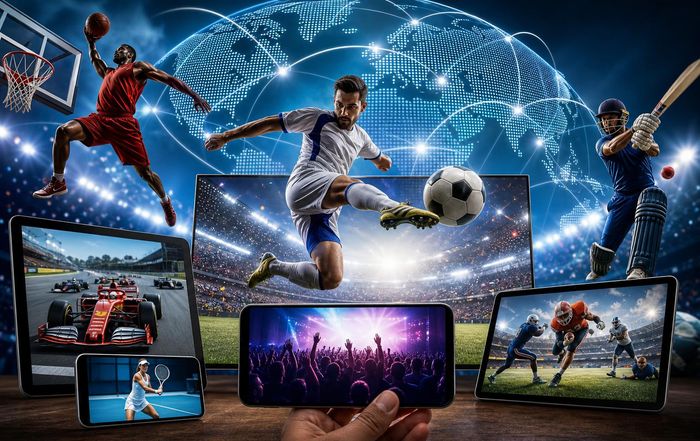
Sports Media Trends Changing Global Audiences in 2026
The New Arena: How Sports Media Is Rewriting Global Engagement
By 2026, sports media has evolved into a sophisticated, data-driven, and deeply personalized ecosystem that reaches fans from New York to Nairobi and from London to Seoul in real time, reshaping how global audiences discover, consume, and interact with sports content. What was once a linear, broadcaster-dominated marketplace has become a fluid, multi-platform environment in which streaming giants, technology innovators, athlete-led media ventures, and highly specialized digital publishers such as xdzee.com compete and collaborate to capture attention, loyalty, and trust. In this new arena, the convergence of sports, lifestyle, culture, travel, and business is not a side story; it is the core narrative that defines how modern fans, brands, and rights holders behave.
For global audiences across the United States, the United Kingdom, Germany, Canada, Australia, France, Italy, Spain, the Netherlands, Switzerland, China, Sweden, Norway, Singapore, Denmark, South Korea, Japan, Thailand, Finland, South Africa, Brazil, Malaysia, and New Zealand, sports media is no longer confined to the match itself. It now encompasses destination-driven coverage, behind-the-scenes storytelling, athlete-influencer culture, advanced analytics, and immersive technologies that transform passive viewers into active participants. As xdzee.com builds its own ecosystem across sports, adventure, travel, brands, lifestyle, and world content, it sits at the intersection of these shifts, translating global sports media trends into accessible, trusted coverage for a diverse, international readership.
Streaming Supremacy and the Fragmented Fan
The most visible transformation in sports media has been the rise of streaming, which has redefined the economics and user experience of live sports. Where once a limited set of broadcasters controlled distribution, fans now navigate a mosaic of platforms including Netflix, Amazon Prime Video, Apple TV+, and dedicated sports services such as DAZN and ESPN+, each vying for premium rights and global reach. Analysts at Deloitte's sports business group have documented how this shift has accelerated cord-cutting and pushed leagues and federations to reconsider long-term partnerships in favor of more flexible, direct-to-consumer models that can adapt to rapidly changing audience behaviors.
This fragmentation has created both opportunity and complexity. On one hand, fans in Europe, Asia, Africa, and the Americas enjoy unprecedented access to international leagues, from the English Premier League to the NBA and Formula 1, often with localized commentary and tailored subscription tiers. On the other, the multiplication of paywalls and regional blackouts risks alienating casual viewers and price-sensitive markets. Organizations such as UEFA and FIFA increasingly explore hybrid models that combine global streaming deals with free-to-air commitments to maintain reach and relevance, a dynamic explored in industry analyses from PwC's sports and media insights. For platforms like xdzee.com, which does not sell live rights but interprets and contextualizes them, this fragmented environment creates a crucial role: helping fans understand where and how to watch, what deals mean for their local markets, and how shifting media strategies affect the sports they love.
Social Platforms, Short-Form Video, and the Always-On Fan
Parallel to the rise of streaming, social media and short-form video have become indispensable pillars of sports engagement, especially for younger demographics across North America, Europe, and Asia. Platforms such as TikTok, Instagram, YouTube, and Snapchat are no longer just marketing channels; they are primary destinations for highlights, behind-the-scenes content, and athlete-driven narratives. The International Olympic Committee has embraced this shift by expanding digital storytelling around the Games, using platforms like Olympics.com to complement traditional broadcasts with real-time clips, athlete diaries, and interactive features that speak to a mobile-first generation.
This always-on environment has changed expectations. Fans now demand immediate highlight packages, context-rich explainer videos, and interactive commentary that can be consumed between meetings, on commutes, or during late-night scrolling sessions. Research from Pew Research Center underscores the degree to which younger audiences prioritize social platforms as their first point of contact for news and entertainment, including sports. For xdzee.com, this means that in-depth features on performance, safety, and innovation must be complemented by concise, shareable insights that resonate across devices and time zones, while maintaining editorial integrity and trustworthiness that stand apart from unverified viral content.
Personalization, Data, and the Analytics-Driven Viewer
Behind the scenes, data and personalization technologies have become central to how sports media organizations understand and serve their audiences. Advanced recommendation systems, powered by machine learning and audience analytics, now shape everything from which match is featured on a homepage to which athlete story appears in a user's feed. Platforms like ESPN, Sky Sports, and DAZN increasingly rely on behavioral data to curate content journeys tailored to specific interests, whether that is women's football in the United Kingdom, basketball in China, or winter sports in the Nordic countries. Industry research from McKinsey & Company has highlighted how such personalization drives engagement and subscription retention when deployed responsibly.
This move toward data-driven experiences raises important questions about privacy, transparency, and ethics, especially as sports media intersects with betting, micro-transactions, and gamified experiences. Regulatory frameworks in the European Union and countries such as Germany, France, and the Netherlands emphasize stronger data protection and algorithmic accountability, influencing how global platforms design their personalization engines. For a digital publisher like xdzee.com, which operates across verticals from performance and safety to innovation and ethics, this environment demands a clear commitment to transparent data practices and content strategies that respect user autonomy, while still delivering relevant, high-quality coverage tailored to regional and thematic interests.
The Convergence of Sports, Lifestyle, and Travel
One of the most significant shifts in sports media over the past decade has been the blurring of boundaries between sports, lifestyle, culture, and travel. Major events such as the Olympic Games, the FIFA World Cup, the Tour de France, and the Super Bowl are no longer framed solely as competitions; they are presented as cultural and destination experiences that drive tourism, shape city brands, and influence consumer behavior. Organizations like the World Tourism Organization (UNWTO), through resources on global tourism trends, have documented the growing role of sports events in destination marketing strategies from Europe to Asia and South America.
Media outlets and platforms respond by producing content that goes beyond the pitch or track, exploring host city neighborhoods, culinary scenes, local fashion, and adventure opportunities. This convergence is particularly relevant for xdzee.com, where sports coverage naturally intersects with adventure, travel, destination, and culture storytelling. A fan following a major tournament in Germany or a Formula 1 race in Singapore through xdzee.com expects not only match analysis or race strategy, but also insight into local experiences, safety considerations, sustainability practices, and the broader social context that shapes how events are organized and experienced on the ground.
Athlete-Led Media and the Power of Direct Voice
Another defining trend reshaping global audiences is the rise of athlete-led media, where players, drivers, and competitors become their own publishers, leveraging platforms like The Players' Tribune, Uninterrupted, and personal channels on YouTube and Twitch to communicate directly with fans. This movement reflects a broader creator-economy dynamic documented by outlets such as Harvard Business Review and has profound implications for how stories are told, who controls narratives, and how trust is built. When athletes from the United States, Brazil, South Africa, or Japan speak candidly about mental health, social justice, performance preparation, or brand partnerships, they bypass traditional gatekeepers and shape public opinion in real time.
For sports media organizations, this shift is both a challenge and an opportunity. It requires rethinking the role of journalism and analysis in a world where primary sources are accessible at the tap of a screen, while also creating space for deeper, contextual coverage that helps audiences interpret and evaluate what they hear directly from athletes. Platforms like xdzee.com respond by emphasizing expertise, verification, and long-form storytelling that situates athlete voices within broader conversations about ethics, business, and cultural change, ensuring that readers across continents receive nuanced, trustworthy perspectives rather than isolated soundbites.
Esports, Gaming, and the Expansion of What "Sport" Means
The definition of sports has expanded dramatically with the mainstream rise of esports and competitive gaming, drawing massive audiences in Asia, North America, and Europe and compelling traditional sports organizations to rethink their engagement strategies. Esports tournaments for titles such as League of Legends, Counter-Strike, and Valorant attract viewership rivaling or exceeding that of established leagues, with platforms like Twitch and YouTube Gaming serving as primary broadcast hubs. Market intelligence from sources such as Statista's esports insights illustrates how sponsorship, media rights, and merchandising have transformed esports into a multi-billion-dollar global industry.
This evolution blurs the lines between sports media and gaming media, particularly among younger demographics in countries like South Korea, China, Sweden, and the United States, where fans follow both traditional teams and esports organizations with equal enthusiasm. For a multi-vertical platform like xdzee.com, which covers sports, brands, lifestyle, and business, esports represents not just a new content category but a bridge between performance analytics, digital culture, and emerging job opportunities in production, marketing, coaching, and game design. As esports continues to integrate into mainstream sports narratives, media outlets must develop the expertise to cover it with the same rigor, ethical standards, and contextual depth that they apply to more traditional disciplines.
Ethics, Integrity, and the Trust Imperative
In an era marked by rapid technological change and commercial pressures, questions of ethics and integrity have moved to the center of sports media discourse. Issues ranging from doping scandals and match-fixing to athlete welfare, gender equity, and the environmental impact of mega-events demand coverage that is not only timely but also deeply informed and principled. Organizations such as the World Anti-Doping Agency (WADA), accessible via wada-ama.org, and Human Rights Watch, via hrw.org, provide critical frameworks and investigative work that shape how journalists and analysts evaluate the behavior of leagues, clubs, and governing bodies.
For media platforms, trust is now a strategic asset. Audiences in markets from the United Kingdom and Germany to South Africa and Brazil are increasingly discerning about sources, seeking outlets that demonstrate transparency in corrections, clear separation between editorial and commercial content, and a willingness to cover difficult stories even when they involve powerful stakeholders. xdzee.com recognizes that its audience, which spans world, news, ethics, and business interests, expects consistent standards across all coverage, whether the topic is a sponsorship deal, a safety incident, or a breakthrough in athlete mental-health support. This commitment to ethics and transparency underpins long-term relationships with readers and differentiates serious journalism from the noise of rumor-driven social feeds.
Sustainability, Safety, and the Responsible Future of Events
As climate concerns intensify and public awareness grows, sustainability and safety have become non-negotiable dimensions of sports event planning and media coverage. From extreme heat at summer tournaments to travel emissions associated with global tours, stakeholders across Europe, Asia, Africa, and the Americas are being held accountable for the environmental and social footprint of sports. Institutions such as the International Olympic Committee and FIFA have published sustainability strategies, while independent organizations like the Carbon Trust, accessible at carbontrust.com, provide guidance on measuring and reducing event-related emissions.
Media coverage is evolving accordingly. Audiences increasingly expect not only to know who won and how, but also how events were powered, what safety protocols were implemented for athletes and fans, and how host cities managed issues such as crowd control, public health, and local community impact. For xdzee.com, the integration of safety, innovation, and destination perspectives into sports storytelling is essential to delivering a holistic view that speaks to responsible travel, ethical consumption, and long-term sustainability. This approach aligns with broader business trends documented by organizations such as the World Economic Forum, whose resources on sustainable business and sport highlight how environmental, social, and governance considerations are reshaping sponsorship, infrastructure investment, and fan engagement.
The Business of Sports Media: Deals, Brands, and Jobs
Behind the spectacle of games and events lies a complex business ecosystem in which media rights, sponsorships, technology investments, and talent development drive growth and innovation. Global consulting firms and financial institutions, including KPMG and Goldman Sachs, have produced analyses on the increasing value of live rights and the strategic importance of sports content for broadcasters and digital platforms seeking to differentiate themselves in crowded markets. The competition for marquee properties in football, basketball, motorsport, and tennis has pushed valuations upward, while also stimulating interest in emerging properties, women's leagues, and niche sports that offer targeted engagement and brand alignment opportunities.
For professionals and aspiring entrants, this environment creates a broad spectrum of career paths, from data analytics and digital production to sponsorship sales, event operations, and editorial roles. Platforms like LinkedIn, accessible via linkedin.com, illustrate the growing demand for hybrid skill sets that combine sports knowledge with expertise in technology, marketing, and international business. As xdzee.com expands its coverage of business and jobs in the sports sector, it plays a dual role: informing readers about market developments that influence their favorite teams and events, and highlighting opportunities for careers that intersect with sports, travel, performance, and innovation across continents.
Regional Nuances in a Global Marketplace
Although sports media is increasingly global, regional nuances remain critical to understanding how audiences engage. In North America, the dominance of leagues such as the NFL, NBA, and MLB shapes a calendar and commercial model distinct from that of Europe, where football, cycling, and motorsport command the largest share of attention and rights value. In Asia, cricket, badminton, baseball, and esports play central roles in markets such as India, Japan, South Korea, and China, each with its own media ecosystems and regulatory environments. Africa and South America, rich in football culture and emerging in other disciplines, present growth markets where mobile-first consumption and social media-driven discovery are especially pronounced, as highlighted in regional overviews by FIFA's global reports and CAF's communications.
For a global digital platform like xdzee.com, serving audiences from the United States and the United Kingdom to South Africa, Brazil, and Singapore means balancing universal themes with localized depth. Coverage of a major football tournament, for example, may include global business analysis, European tactical breakdowns, African talent pipelines, Asian broadcast innovations, and North American sponsorship deals, all within a coherent editorial framework. This capacity to navigate regional differences while maintaining consistent standards of experience, expertise, authoritativeness, and trustworthiness is a defining competitive advantage in a crowded media landscape where generic coverage no longer satisfies increasingly sophisticated fans.
How xdzee.com Positions Itself in the 2026 Sports Media Landscape
Within this rapidly evolving environment, xdzee.com has positioned itself as a focused yet multidimensional platform that connects sports with the broader worlds of adventure, travel, lifestyle, culture, and business. Rather than attempting to replicate the role of large broadcasters or streaming giants, xdzee.com emphasizes interpretation, context, and cross-vertical storytelling, helping readers understand not only what is happening in stadiums and arenas, but also how these events shape and are shaped by global trends in branding, innovation, ethics, and performance. By integrating content across sports, travel, brands, lifestyle, business, and world, it delivers a holistic view of sports as a powerful cultural and economic force.
Editorially, xdzee.com prioritizes depth over sensationalism, leveraging expert analysis, data-informed insights, and rigorous ethical standards to earn reader trust in an era of misinformation and click-driven headlines. Its focus on innovation, safety, and ethics positions it as a platform for forward-looking conversations about how technology, sustainability, and governance will shape the next decade of global sports. At the same time, its attention to destination, adventure, and culture ensures that coverage remains grounded in the lived experiences of fans who travel to events, explore new cities, and integrate sports into their identities and lifestyles.
Looking ahead from 2026, the trends transforming sports media-streaming dominance, social-driven engagement, data-powered personalization, athlete-led storytelling, esports expansion, ethical scrutiny, and sustainability imperatives-will continue to evolve, presenting both challenges and opportunities for organizations across the value chain. xdzee.com, by anchoring its strategy in experience, expertise, authoritativeness, and trustworthiness, is well placed to guide global audiences through this transformation, offering a reliable, insightful, and globally minded lens on how sports media is changing not just how fans watch, but how they live, travel, work, and connect in an increasingly interconnected world.