

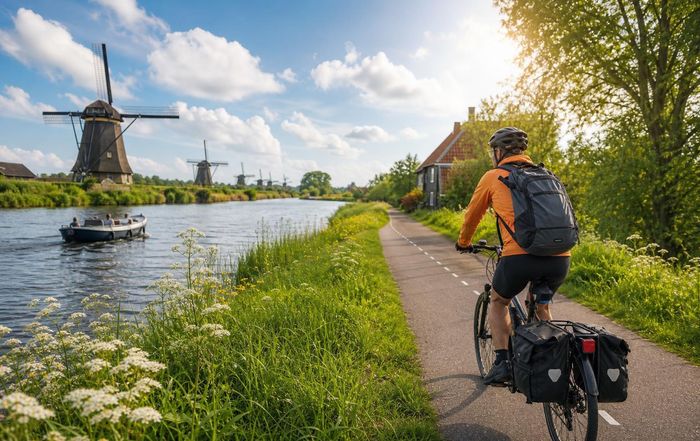
Active Travel Experiences Across the Netherlands
Flat landscapes, dense cycling paths, and compact historic cities make the Netherlands one of the easiest countries in the world to explore under your own power. Yet "active travel" here goes far beyond the classic postcard image of a commuter on a city bike. From multi-day cycle routes and long-distance hiking trails to island-hopping by kayak and urban running tours, the country has quietly become an outdoor playground that fits neatly into a long weekend or a longer European journey. This rather wonderful guide explores how to experience the Netherlands actively and safely-whether you are planning your first cycling holiday, looking for family-friendly adventures, or trying to combine performance training with culture and cuisine.
Why the Netherlands Works So Well for Active Travel
The Dutch built environment is unusually well suited to human-powered travel. More than 37% of all trips nationwide are made by bicycle, according to the Dutch Ministry of Infrastructure and Water Management, and cities like Amsterdam and Groningen regularly top global rankings for cycling share. That culture has led to an extensive, clearly signed network of bike paths and walking routes that feel approachable even for first-time visitors.
The national cycling network, known as the Landelijk Fietsroutenetwerk, links thousands of kilometres of paths through a numbered junction system called knooppunten. Cyclists can simply follow a sequence of numbers rather than memorising street names or GPS tracks. A similar node system exists for walking routes in many regions, and both are documented by the official Nederland Fietsland and Wandelnet platforms. For travellers, that means it is easy to improvise a route on the fly, extend a day when the weather is good, or bail out early to a train station if needed.
Public transport also supports active travel unusually well. Trains operated by NS (Nederlandse Spoorwegen) allow bikes outside peak commuter hours for a small surcharge, and many stations offer guarded bike parking and rental services. Ferries, waterbuses, and local buses often accommodate bikes too, making one-way journeys and multi-modal trips straightforward. For visitors focused on sustainable travel and performance-oriented adventures, this infrastructure provides a rare combination of freedom and safety.
For folks interested in linking active holidays with broader European journeys or business trips, Dutch cities also integrate easily with major airports and high-speed rail connections across Europe, allowing you to step off a plane or train and onto a bike path within minutes.
Iconic Cycling Routes: From Day Rides to Multi-Day Tours
Cycling is still the backbone of active travel in the Netherlands, and the variety of routes reflects that. Whether you are a casual rider or a performance-oriented cyclist, there is likely a route tailored to your comfort level and interests.
One of the best introductions to Dutch cycling culture is the LF Zuiderzeeroute (LF Zuiderzee Route), a roughly 440-kilometre loop around the former Zuiderzee, now largely reclaimed as the IJsselmeer and Markermeer. The route passes historic trading towns like Hoorn, Enkhuizen, and Kampen, where centuries-old warehouses and harbours hint at the country's maritime past. The official tourism agency, Holland Cycling Routes, provides detailed maps, GPX files, and accommodation suggestions, making self-guided travel straightforward.
For coastal scenery and wind-swept dunes, the LF Kustroute (Coast Route) traces the North Sea shoreline from Zeeland in the southwest to Groningen in the northeast. Riders encounter wide beaches, nature reserves, and modern coastal engineering projects like the Delta Works, which the Dutch government's Rijkswaterstaat describes as one of the largest flood protection systems in the world. The combination of long, exposed stretches and frequent seaside towns makes this route ideal for both endurance training and relaxed, café-to-café touring.
Urban-focused riders can explore the Green Heart (Groene Hart) between Amsterdam, Rotterdam, The Hague, and Utrecht, where polder landscapes, canals, and dairy farms sit surprisingly close to major cities. This region is well documented by Visit Holland, and it suits travellers who want to mix active days with evenings in cultural hubs rich in museums, nightlife, and innovative food.
Those interested in sport performance can use these networks to structure structured training blocks with relatively low traffic stress, while leisure-oriented travellers can design shorter loops and focus on destination experiences in individual towns.
Gravel, Performance, and Sport-Focused Cycling
While the Netherlands is not known for mountain passes, there is a growing scene around gravel riding and endurance events that attract athletes from across Europe. The Veluwe region in Gelderland, with its forests and sandy tracks, has become a hotspot for gravel routes. Platforms like Komoot and Ride with GPS host user-generated tracks, but local tourist boards and nature organisations also publish official loops to protect sensitive habitats and manage trail use.
In the south, Limburg offers the closest thing the country has to genuine climbs, including the Cauberg in Valkenburg, which has featured in professional races like the Amstel Gold Race. The race's official site, Amstel Gold Race Toerversie, shares information about sportive events where amateurs can ride similar routes on closed or partially controlled roads. For performance-minded travellers, timing a visit to coincide with such events can turn a holiday into a targeted training goal.
Dutch cities also support sport-focused cycling with extensive club networks and well-organised group rides. The national cycling federation, KNWU, lists affiliated clubs and events, including track cycling sessions at velodromes in Apeldoorn and Amsterdam. Visitors who want to experience local cycling culture at a higher intensity may find these club environments welcoming, though contacting organisers in advance is recommended.
For readers of Xdzee who balance sports performance with travel, the Dutch approach-high-quality infrastructure, clear rules, and a strong safety culture-offers a compelling environment for both training and recovery.
Hiking and Trail Running Beyond the Bike Paths
Cycling may dominate the Dutch image, but walking and running are gaining attention as ways to explore the country's quieter corners. The Netherlands maintains several long-distance walking paths known as LAW (Lange-Afstand-Wandelpaden), coordinated by Wandelnet. These routes often cross multiple provinces and link nature reserves, river landscapes, and historic villages.
One of the most notable is the Pieterpad, a roughly 500-kilometre trail running from Pieterburen in the north to Sint Pietersberg near Maastricht. It is divided into manageable stages and passes through varied landscapes, including heathlands, forests, and river valleys. While not mountainous, the southern sections in Limburg introduce rolling hills that contrast strongly with the flat polder regions further north.
Trail runners can adapt sections of these routes for faster, more intense outings. Nature areas like Nationaal Park De Hoge Veluwe, Utrechtse Heuvelrug, and Schoorlse Duinen offer sandy climbs, forest singletrack, and open heath suitable for off-road running. The Dutch national parks portal, Nationale Parken, provides overviews of permitted paths, seasonal restrictions, and wildlife considerations.
For travellers who typically associate the Netherlands with dense cities, these hiking and running options reveal a different side of the country-one where silence, wildlife, and dark skies become part of the experience. Combining urban stays with day trips to these parks can create a balanced itinerary that touches on lifestyle, culture, and outdoor performance.
Water-Based Adventures: Kayaking, SUP, and Island Hopping
Surrounded by the North Sea and laced with rivers and canals, the Netherlands is naturally suited to water-based active travel. In recent years, stand-up paddleboarding (SUP) and recreational kayaking have become popular ways to explore both cities and rural areas.
In Amsterdam, Utrecht, Leeuwarden, and other canal cities, guided SUP and kayak tours offer a different vantage point on historic architecture while keeping participants physically engaged. Local operators often align with safety recommendations from organisations like the Royal Dutch Lifesaving Association (KNBRD), emphasising lifejackets, visibility, and awareness of boat traffic.
More adventurous travellers can head to the Wadden Sea and the Wadden Islands (such as Texel, Vlieland, and Terschelling), a UNESCO World Heritage area known for expansive tidal flats and birdlife. Guided sea kayaking trips and the traditional activity of wadlopen-mudflat hiking at low tide-are regulated due to strong currents and rapidly changing conditions. The Wadden Sea World Heritage site outlines conservation rules and explains why guided tours are recommended for safety and environmental reasons.
Inland, the Biesbosch National Park, one of Europe's few freshwater tidal areas, offers intricate networks of creeks and willow forests ideal for multi-hour canoe or kayak excursions. Local visitor centres provide maps and information on protected zones, while the park is highlighted by Netherlands Board of Tourism & Conventions as a key nature destination.
These water-based experiences complement land activities and allow visitors to understand Dutch flood management, river engineering, and coastal ecology from a more immersive perspective, linking adventure with environmental ethics and awareness.
Urban Active Travel: Exploring Dutch Cities on Foot and Two Wheels
Dutch cities are compact, well connected, and designed around people rather than cars, making them ideal for active exploration even on short business trips or weekend breaks. In Amsterdam, Rotterdam, The Hague, and Utrecht, visitors can cover much of the central area on foot or by bike without long transfers or complex navigation.
Urban running routes often follow waterfronts, park belts, and green corridors. In Amsterdam, the loop around Vondelpark is a classic, while Rotterdam offers longer runs along the Maas River and across striking bridges like the Erasmusbrug. Local running communities frequently share routes on platforms such as Strava, and some tour operators now offer guided running tours that combine fitness with storytelling about architecture, history, and contemporary urban life.
For cycling, city bike-sharing systems and private rental shops make it easy to join the flow of everyday Dutch mobility. However, visitors should familiarise themselves with local traffic rules and etiquette-such as using hand signals, obeying bike traffic lights, and avoiding pedestrian zones-outlined clearly on the Government of the Netherlands road rules page. Respecting these norms is important both for safety and for maintaining the relatively low-stress coexistence of cyclists, pedestrians, and public transport.
Urban active travel also connects naturally with innovation and design. Cities like Rotterdam and Utrecht are experimenting with car-free zones, elevated bike highways, and smart traffic systems. Exploring these spaces by bike or on foot allows visitors to experience not only Dutch culture but also emerging models for sustainable urban living.
Safety, Gear, and Seasonal Considerations
The Netherlands is generally considered a safe destination for active travel, but preparation still matters. The national road authority, Rijkswaterstaat, and cycling organisations like Fietsersbond emphasise visibility, predictable riding behaviour, and respect for traffic signals as key components of road safety. Helmets are not legally required for regular cycling, though they are strongly recommended for higher-speed e-bikes, road cycling, and gravel riding.
Weather can change quickly, with wind and rain more common than extreme temperatures. Lightweight waterproof layers, windproof gloves, and shoe covers can make a big difference in comfort, especially in coastal regions and outside summer months. For multi-day cycling or hiking, packing layers that dry quickly is more important than heavy insulation. The Royal Netherlands Meteorological Institute (KNMI) provides reliable forecasts and warnings for storms or high winds that might affect outdoor plans.
Navigation is straightforward thanks to the knooppunten system and abundant signposting, but carrying offline maps or a GPS device is still wise, particularly in forested or rural areas where signage can be spaced out. Many Dutch outdoor enthusiasts rely on apps linked to official routes from Nederland Fietsland and Wandelnet, which can be used offline if downloaded in advance.
For travellers combining work and active holidays, gear rental is an efficient option. Quality touring bikes, e-bikes, and even performance road bikes are available from specialist shops in major cities and tourist hubs, reducing the need to transport equipment internationally. When renting, checking brake type (coaster vs hand brakes), frame size, and lighting is important to avoid surprises once on the road.
Readers focused on safety and performance should also consider travel insurance that explicitly covers cycling, water sports, or organised events, as standard policies may exclude certain activities or races.
Sustainability and Local Culture on the Move
Active travel in the Netherlands naturally aligns with lower-carbon tourism, but sustainability here is not only about emissions. Dutch organisations emphasise the protection of fragile ecosystems, especially in coastal dunes, wetlands, and bird habitats. The Dutch Society for the Protection of Birds (Vogelbescherming Nederland) and national park authorities regularly publish guidance on staying on marked trails, respecting seasonal closures, and minimising disturbance to wildlife.
Culturally, moving slowly through the landscape-by bike, on foot, or by kayak-offers more opportunities to engage with local communities. Small towns along long-distance routes often have family-run guesthouses, farm shops, and village cafés that rely partly on passing cyclists and hikers. Spending money locally and outside the busiest hotspots can help distribute tourism benefits more evenly and reduce pressure on already crowded city centres.
The Dutch concept of "gezelligheid", loosely translated as a sense of cosy togetherness, often manifests in shared rest stops: terraces along canals, picnic benches near windmills, and informal gathering spots in city parks. For many travellers, these social and cultural moments become as memorable as the kilometres covered. They also highlight how active travel intersects with lifestyle choices around health, work-life balance, and community.
Responsible behaviour also extends to noise, litter, and respect for private property, especially in rural areas where paths sometimes cross working farms. Following local signage, closing gates, and keeping dogs on leads where required are simple steps that support long-term access for everyone.
Planning Your Own Active Dutch Itinerary
Designing an active trip in the Netherlands can be as simple or as ambitious as desired. Weekend visitors might base themselves in a single city such as Utrecht or Haarlem, using local trains and rental bikes to reach nearby nature areas and coastal paths. Longer stays can incorporate multi-day routes like the LF Zuiderzeeroute or sections of the Pieterpad, with overnight stops in smaller towns that showcase regional food, architecture, and traditions.
For those balancing work commitments or remote jobs, the country's strong digital infrastructure and dense rail network make it possible to alternate laptop days with intensive outdoor days, turning the Netherlands into a flexible base for both productivity and adventure. Combining this with the country's emphasis on safety, infrastructure, and environmental stewardship, active travellers can craft experiences that align with their values around performance, sustainability, and cultural curiosity.
Whether the goal is to ride iconic cycling routes, discover hidden forests and tidal wetlands, or simply commute between meetings by bike instead of taxi, the Netherlands offers a remarkably adaptable canvas for active travel. With a bit of planning and respect for local norms, it becomes easy to turn everyday movement into a meaningful part of the journey rather than just a way to get from A to B.