

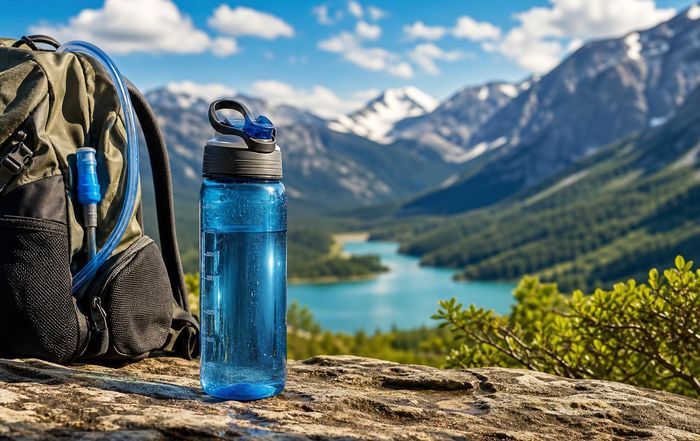
Smart Hydration Strategies for Outdoor Travel
Staying hydrated on the move sounds simple-drink water when you're thirsty. Yet in real-world outdoor travel, from alpine treks to desert road trips, that rule of thumb often fails. Temperature swings, altitude, exertion, and limited access to clean water can turn hydration into a genuine performance and safety issue. Smart travelers plan their hydration as carefully as their routes, not just to avoid emergencies but to feel sharper, stronger, and more resilient throughout the journey.
This top travel guide brings together current research, field-tested practices, and practical gear advice to help outdoor travelers build a hydration strategy that works in varied environments, from humid jungles to high mountain passes.
Why Hydration Matters More Outdoors Than At Home
In daily life, most people can get away with mild dehydration. On outdoor trips, the stakes are higher. Even a 2% loss of body mass from fluid loss has been shown to impair cognitive function and endurance performance, according to research summarized by the American Council on Exercise and the National Academies of Sciences. That can mean slower reaction times on a bike descent, poor decision-making on a ridge, or misjudging your pace in extreme heat.
Outdoors, you're often exposed to elements that accelerate fluid loss: sun, wind, low humidity, altitude, and sustained movement under load. Sweat evaporates quickly in dry air, so you may not realize how much you're losing. At altitude, increased breathing rate and diuresis (greater urine output) further raise fluid needs, even when it's cold. For adventure and performance-focused travelers, hydration is as much a part of preparation as route planning or gear selection, sitting squarely alongside other safety and performance fundamentals.
How Much Should You Drink? Moving Beyond One-Size-Fits-All Rules
Rules like "eight glasses a day" or "a liter per hour" are too blunt for outdoor travel. Needs vary widely based on body size, pace, temperature, altitude, and clothing. A more useful approach is to combine baseline guidelines with personal experimentation.
The European Food Safety Authority and U.S. National Academies suggest daily fluid intakes of roughly 2-3 liters for adults under normal conditions, including all beverages and water-rich foods. Outdoor travel often pushes needs above that baseline. The American College of Sports Medicine notes that athletes in hot conditions can lose 0.5-2.0 liters of sweat per hour, sometimes more in extreme heat or humidity. Hikers and cyclists carrying heavy loads or moving at high intensity can approach similar rates.
A practical framework for outdoor travel is to think in three layers:
Baseline daily intake: Aim for roughly 2-3 liters across the day in temperate conditions, more in heat or at altitude.
Activity-specific intake: Add 0.3-0.8 liters per hour of moderate activity, adjusting up in heat or with heavy exertion.
Recovery intake: After a long or particularly sweaty day, take in about 1-1.5 liters of fluid for every kilogram (2.2 lb) of body mass lost, as recommended by ACSM, including electrolytes and food.
Weighing yourself before and after a training hike or run at home, wearing similar clothing and pack weight, is one of the best ways to estimate your personal sweat rate. If you lose 1 kg during a two-hour hike despite drinking 1 liter, you know your total loss was about 2 liters (1 liter you drank plus 1 liter you lost), or 1 liter per hour. That data lets you plan realistic water carries for future adventure trips.
Recognizing Dehydration and Overhydration in the Field
Most travelers worry about dehydration, but overhydration-hyponatremia-can be equally dangerous. The U.S. Centers for Disease Control and Prevention (CDC) and UK National Health Service (NHS) both highlight that drinking excessive plain water without electrolytes, especially during prolonged exertion, can dilute blood sodium levels and cause confusion, nausea, and in severe cases, seizures.
Common signs of dehydration include:
Thirst, dry mouth, or sticky saliva
Headache, lightheadedness, or difficulty concentrating
Dark, strong-smelling urine or very infrequent urination
Fatigue, irritability, or feeling unusually cold or hot
Warning signs of possible overhydration/hyponatremia may include:
Nausea, vomiting, or bloating despite ongoing fluid intake
Headache and confusion not relieved by rest
Swelling in fingers, hands, or feet
Very clear urine combined with heavy, prolonged drinking
Neither set of symptoms is perfectly specific, and altitude, illness, or exhaustion can blur the picture. The key in outdoor travel is to avoid extremes: drink regularly, include electrolytes during long efforts, and don't force water well beyond thirst and reasonable guidelines. If symptoms are severe or worsening, especially with confusion or coordination problems, treat it as a medical emergency and seek help.
Hydration Planning by Environment: Heat, Cold, Altitude, and Humidity
Hydration strategy should shift with the environment. A smart traveler thinks in terms of conditions, not just distance.
In hot, dry climates, such as desert trekking or summer canyon hikes, sweat evaporates so quickly that you may underestimate loss. The World Health Organization and U.S. National Park Service both emphasize that heat illness can develop rapidly when fluid and electrolyte losses are not replaced. Here, plan higher per-hour intake, pre-hydrate before the hottest part of the day, and favor light-colored, breathable clothing. Water sources may be scarce, so route planning and caching become vital parts of travel safety.
In humid environments, like tropical jungles or coastal routes, sweat doesn't evaporate efficiently, so cooling is less effective and perceived exertion rises. You'll feel drenched, but your body may still be overheating. Fluid needs are high, and electrolyte replacement becomes particularly important because you're losing significant sodium and other minerals. Breaks in shade and slower pacing help keep intake manageable.
In cold conditions, many travelers under-drink. Cold air is dry, and increased respiratory water loss, combined with heavy clothing, can still produce substantial dehydration. The International Climbing and Mountaineering Federation (UIAA) notes that mountaineers often fail to meet fluid needs in cold, high environments, which can worsen altitude sickness risk. Warm drinks, insulated bottles, and scheduled "drink breaks" are vital. Don't rely on thirst alone.
At altitude, above roughly 2,500 meters (8,200 feet), increased breathing rate, diuresis, and often reduced appetite and thirst create a triple challenge. The Institute for Altitude Medicine and UIAA recommend increasing total fluid intake modestly-often to at least 3-4 liters per day for active individuals-while avoiding overconsumption of plain water. Including soups, herbal teas, and electrolyte drinks can help meet needs without diluting blood sodium.
Water vs Electrolytes: When Plain Water Is Not Enough
For short, low-intensity outings in mild conditions, plain water is usually sufficient. However, during longer or more intense efforts, or in hot and humid environments, electrolytes become critical for performance and safety.
Sweat contains sodium, chloride, potassium, and smaller amounts of magnesium and calcium. According to data compiled by the Gatorade Sports Science Institute and independent sports nutrition research, sodium loss can range from 200 to over 1,000 mg per liter of sweat, with large individual variation. Losing significant sodium without replacing it can contribute to muscle cramps, fatigue, and, in extreme cases, hyponatremia if large amounts of plain water are consumed.
A smart strategy for outdoor travel is to:
Use electrolyte tablets, powders, or ready-to-drink solutions on days with more than 60-90 minutes of sustained exertion, especially in heat or at altitude.
Aim to replace at least part of your estimated sodium loss, often in the range of 300-700 mg of sodium per liter of fluid for endurance efforts, as suggested by ACSM position stands.
Combine electrolyte drinks with salty snacks or meals to spread intake over several hours rather than in a single bolus.
Not all products are equal. Some "sports drinks" are heavy on sugar but light on sodium, while others are formulated specifically for endurance. Reading labels for sodium content per serving and total carbohydrate concentration (ideally around 4-8% for sustained exercise, according to ACSM) helps you pick a product that matches your needs.
Smart Hydration Gear: Bottles, Bladders, Filters, and Purifiers
Gear choices can make or break a hydration plan. The best setup depends on your activity, destination, and comfort with water treatment.
Hydration bladders (reservoirs) with drinking hoses are popular among hikers, runners, and cyclists because they allow sipping without stopping. Research published in sports and exercise journals suggests that easy access to fluid promotes more consistent drinking and can reduce the risk of under-hydration. However, bladders are harder to clean and monitor for remaining volume, and they can freeze in cold conditions. Insulated hose covers and keeping the bladder close to your back can mitigate freezing risk.
Hard bottles-stainless steel or durable plastic-are easier to clean, measure, and share. They're better for hot drinks in cold climates and resist punctures. Collapsible bottles and soft flasks save space when empty, useful for fastpacking or minimalist travel. Many adventure travelers carry a mix: a bladder for on-the-move sipping plus one or two bottles for treated water, hot drinks, or backup.
Water treatment is non-negotiable in many regions. The U.S. Environmental Protection Agency (EPA) and World Health Organization (WHO) both warn that untreated surface water can contain bacteria, protozoa, and viruses. Options include:
Filters (pump, gravity, or squeeze) that remove bacteria and protozoa, and in some cases microplastics.
Purifiers (UV devices, some advanced filters, or chemical treatments) that also inactivate viruses, critical in certain regions and densely populated areas.
Boiling, recommended by WHO as a reliable method when fuel and time allow.
For remote or international destination travel, combining filtration with a secondary purification step (UV or chemicals) provides robust protection. Checking local health advisories or CDC travel health resources before a trip helps determine what level of treatment is appropriate.
Planning Water Logistics: Route, Resupply, and Risk Management
Hydration strategy is deeply tied to trip logistics. It's not just how much you drink, but when and where you can safely refill. For multi-day treks, bikepacking routes, or overland road trips, smart planning can be the difference between a smooth journey and a dangerous scramble for water.
Start by mapping reliable water sources: springs, huts, refuges, staffed camps, villages, or roadside stops. National park services, local hiking clubs, and reputable guidebooks or mapping apps often provide updated information on seasonal water availability. However, climate change is making water sources less predictable; snowmelt-fed streams may dry earlier than in past decades, and glacial retreat is altering flow patterns, as noted in reports by the Intergovernmental Panel on Climate Change (IPCC).
For high-exposure routes, conservative planning is wise. Carry more than your minimum estimated need, especially where sources are uncertain. In hot or arid zones, some expeditions cache water ahead of time along road-accessible points, marking GPS coordinates and dates. On popular long-distance trails, water caches left by others should never be relied upon; they can be empty, contaminated, or removed.
When traveling by vehicle in remote regions, many overlanders keep a dedicated emergency water reserve separate from daily-use containers. This aligns with broader safety and world travel best practices: never assume the next town, ferry, or fuel stop will have potable water available on demand.
Hydration, Nutrition, and Performance on the Move
Hydration doesn't exist in isolation. Food intake, especially carbohydrates and sodium, interacts strongly with how the body manages fluid. Endurance research summarized by organizations like the International Society of Sports Nutrition (ISSN) shows that consuming carbohydrates and electrolytes together improves fluid absorption and maintains performance during prolonged exercise.
For outdoor travelers, that translates into a few practical ideas:
Combine drinking with snack breaks rather than treating them separately. A handful of salty nuts, cheese, or crackers with an electrolyte drink supports both energy and fluid balance.
Don't rely solely on sugary drinks for calories; they can cause gastrointestinal distress in some people when used in high volumes. Mix solid foods, gels, and drinks according to personal tolerance.
In cold environments where appetite may drop, warm soups and broths are valuable because they provide both sodium and fluid, supporting hydration when cold water is unappealing.
Recovery hydration after a demanding day-especially in multi-day sports or trekking itineraries-matters as much as what you drink on the trail. Replacing both fluids and electrolytes in the evening supports sleep, muscle repair, and readiness for the next stage, a concern that sits at the intersection of performance and long-term lifestyle health.
Cultural and Ethical Dimensions of Water Use in Travel
Hydration choices also have cultural and ethical implications. In many destinations, especially in parts of Africa, Asia, and South America, local communities face water scarcity or limited access to safe drinking water. Travelers arriving with high consumption habits can unintentionally strain local systems or generate large volumes of plastic waste from single-use bottles.
Organizations such as UN Water and WaterAid highlight that over two billion people worldwide lack safely managed drinking water services. For responsible travelers, this context encourages more thoughtful behavior:
Using reusable bottles and personal filtration systems instead of relying on bottled water where safe and practical.
Being mindful of water use in guesthouses and camps-shorter showers, avoiding unnecessary laundry, and respecting local guidelines.
Supporting accommodations and tour operators that invest in sustainable water practices and refill stations, aligning hydration habits with broader ethics and innovation in responsible tourism.
Culturally, water practices vary. In some regions, drinking tap water is considered unsafe; in others, declining offered drinks may be seen as impolite. Researching local norms and safety advisories through reliable sources such as government travel health websites or Lonely Planet-style guides helps travelers balance respect, safety, and sustainability.
Building Your Personal Hydration Playbook
There is no universal hydration formula that fits every traveler, sport, and destination. The most effective approach is to treat hydration as a skill set you develop over time, informed by science but refined by personal experience.
A practical way to build your own playbook is to:
Test gear and products at home on training hikes, runs, or rides, experimenting with different bottle/bladder setups and electrolyte mixes.
Track how you feel-energy, mood, recovery-relative to what and how much you drink in different conditions.
Adjust your plans for each trip based on environment, route, and access to water, integrating hydration into your bigger adventure and travel preparation.
Over time, you'll develop an intuitive sense for when to start the day with an extra liter, when to switch to electrolytes, and when to slow your pace because your water margin is shrinking. That awareness, grounded in both current evidence and your own data, is what turns hydration from a vague recommendation into a smart, reliable strategy for safer, stronger outdoor travel.