

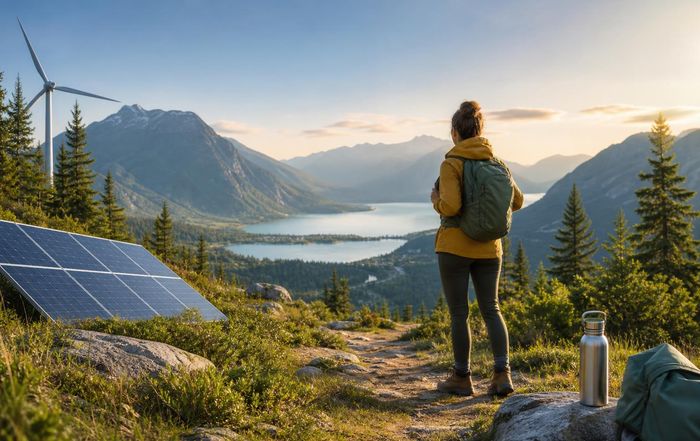
Adventure Holidays With Lower Environmental Impact: How xdzee.com Readers Are Redefining the Journey
The New Era of Adventure: Thrill Without the Footprint
By 2026, adventure travel has evolved from a niche passion into a defining expression of lifestyle, identity and values for millions of people across North America, Europe, Asia, Africa and South America, and nowhere is this shift more visible than in the way the audience of xdzee.com now evaluates every trip through the dual lens of excitement and responsibility. The same readers who follow high-performance achievements in sports and endurance pursuits, track global business trends and explore emerging destinations are increasingly asking a more demanding question: how can an adventure holiday deliver intense, memorable experiences while measurably lowering its environmental impact and maintaining the highest standards of safety, ethics and cultural respect.
This transition has been driven by a combination of scientific clarity on climate risk, the rapid professionalization of the sustainable tourism sector and a new generation of travelers in the United States, United Kingdom, Germany, Canada, Australia and beyond who see their vacation choices as part of a much broader commitment to responsible consumption and long-term planetary health. As organizations such as the United Nations World Tourism Organization (UNWTO) explain in their guidelines on responsible tourism development, adventure holidays are no longer judged solely on adrenaline and scenery; they are assessed on emissions, biodiversity impact, local economic benefit and alignment with credible sustainability standards.
For xdzee.com, whose community is passionate about adventure, performance, innovation and global culture, this new era offers an opportunity to lead, by highlighting experiences that combine world-class excitement with verifiable environmental responsibility, and by equipping readers with the expertise and tools to make better choices in every region from the Alps to the Andes and from Scandinavia to Southeast Asia.
Understanding the True Footprint of Adventure Travel
The starting point for lower-impact adventure holidays is a clear-eyed understanding of where the environmental burden really lies, which is often more complex than simplistic debates about "good" or "bad" forms of travel. According to data from the Intergovernmental Panel on Climate Change (IPCC), aviation remains one of the most carbon-intensive parts of global tourism, and long-haul flights between continents, such as from North America to Asia or Europe to Southern Africa, can dominate the emissions profile of an entire trip, as shown in their analyses of transport-related climate impacts.
Beyond aviation, the environmental footprint of adventure holidays also depends heavily on land transport choices, accommodation standards, food systems and the management of fragile ecosystems such as coral reefs, alpine glaciers and tropical forests. The International Energy Agency (IEA) highlights in its transport sector reports that rail and modern electric bus networks in countries like Germany, France, Japan and Switzerland can dramatically reduce emissions compared to private car hire or domestic flights, while advances in electric vehicle infrastructure are beginning to make lower-impact self-drive itineraries more realistic across Europe and parts of North America and Asia.
The challenge for travelers is that these variables interact; a carefully chosen eco-lodge in Costa Rica or a low-impact trekking route in Nepal may be undermined by multiple short-haul flights, while a relatively short-haul trip by train to a mountain destination in the Alps, the Scottish Highlands or the Norwegian fjords may, overall, be more sustainable than an ostensibly "eco" experience on the other side of the world. For the globally minded audience of xdzee.com, who follow world developments and seek nuanced insight rather than slogans, this means moving beyond simplistic labels and demanding transparent, life-cycle thinking from operators and brands.
Designing Lower-Impact Adventure Itineraries
Reducing the environmental footprint of an adventure holiday begins at the planning stage, where informed decisions about destination, transport, accommodation and activities can change the overall impact by an order of magnitude without sacrificing the sense of challenge or discovery that defines high-quality adventure. Leading frameworks such as those promoted by the Global Sustainable Tourism Council (GSTC) provide practical guidance on sustainable destination criteria, encouraging travelers and planners to favor locations and providers that have independently verified environmental management systems, community benefit schemes and biodiversity protections in place.
For many travelers in the United States, the United Kingdom, Germany, Canada and Australia, one of the most effective strategies is to shift from multiple short trips to fewer, longer journeys that justify the emissions of long-haul flights by allowing deeper engagement with a region, its culture and its landscapes. In Europe, where rail networks are dense and increasingly electrified, organizations such as Eurail and Rail Europe offer flexible passes that make it possible to design multi-country adventure routes by train, and resources like the independent platform Seat61 help travelers compare overland options across the continent and into parts of Asia and North Africa.
On other continents, similar thinking can be applied through regional hubs and slow-travel circuits, for example combining trekking, wildlife watching and cultural immersion in Southern Africa via overland routes rather than multiple flights, or exploring Patagonia, the Peruvian Andes or the Canadian Rockies through extended, multi-week itineraries that minimize internal flights in favor of buses, shared transfers and, where practical, low-emission vehicles. For the xdzee.com readership that closely follows travel and destination trends, this approach aligns with a broader shift from "ticking off" locations to cultivating more meaningful, performance-oriented experiences in fewer but more deeply understood places.
Choosing Destinations That Protect What Makes Them Special
Not all adventure destinations are equal in their environmental management or their resilience to visitor pressure, and by 2026 travelers have access to far more granular information about which regions are genuinely investing in sustainability and which are merely marketing themselves as "eco" without substantive backing. The World Wildlife Fund (WWF), for example, provides detailed insights into priority conservation areas and the pressures they face, from coral bleaching in Southeast Asia to deforestation in parts of South America and Africa, allowing travelers to understand the ecological context of their choices.
In Europe, countries such as Norway, Sweden, Finland and Switzerland have developed sophisticated frameworks for managing outdoor recreation in sensitive mountain and Arctic environments, with national parks and protected areas designed to balance access with conservation. Agencies such as Visit Norway and Switzerland Tourism publish extensive guidance on responsible hiking, skiing and fjord exploration, and their official portals, including Visit Norway's sustainability pages, illustrate how destination management can integrate climate goals, wildlife protection and cultural preservation.
For adventure travelers looking toward Asia, Africa and Latin America, the picture is more varied but also rich with innovation, from community-managed trekking routes in Nepal and Bhutan to locally owned safari conservancies in Kenya, Tanzania and South Africa that channel tourism revenue into habitat protection and anti-poaching initiatives. Platforms such as UNESCO highlight World Heritage sites where environmental and cultural values are globally recognized, and while these locations often face intense visitor pressure, they also tend to benefit from stronger management frameworks and monitoring systems, which can help ensure that adventure activities such as diving, climbing or trekking are better regulated.
Within this global landscape, the role of trusted, independent editorial voices like xdzee.com becomes crucial, as readers rely on curated insights into which emerging destinations are genuinely committed to low-impact tourism and which established hotspots are successfully reinventing themselves through stricter protection regimes, improved infrastructure and more equitable community partnerships.
Gear, Brands and the Ethics of Performance
Adventure holidays are inseparable from the gear, apparel and technology that enable people to push their limits safely in demanding environments, and this creates a powerful leverage point for reducing environmental impact, because the choices travelers make in equipment and brands can resonate across global supply chains. Leading outdoor companies in the United States, Europe and Asia are increasingly judged not only on technical performance but also on their climate strategies, material innovation and labor practices, as documented in independent assessments such as the B Lab B Corp directory and the Fair Wear Foundation's work on ethical garment production.
For the performance-driven audience of xdzee.com, who follow brands, lifestyle and innovation trends closely, this alignment of ethics and performance is particularly significant, because it allows them to maintain high standards in technical clothing, footwear, safety gear and electronics while insisting on recycled materials, repairability, take-back schemes and transparent reporting of emissions and water use. Reputable organizations such as Bluesign and OEKO-TEX provide certification systems for textiles and manufacturing processes, helping consumers differentiate between genuine progress and superficial "green" marketing.
There is also a growing recognition that over-consumption of gear is itself an environmental issue, leading many adventure travelers to adopt a more minimalist, longevity-focused approach, investing in fewer, higher-quality items that can be repaired, resold or rented rather than frequently replaced. This shift aligns with broader circular economy principles promoted by institutions such as the Ellen MacArthur Foundation, whose resources on circular business models are increasingly influential in the outdoor and travel industries, and it resonates strongly with the values of the xdzee.com community, which prizes performance and durability over disposable trends.
Safety, Risk and Environmental Responsibility
Adventure holidays inevitably involve a degree of risk, whether in mountaineering, white-water rafting, backcountry skiing, diving or remote trekking, and balancing the thrill of exposure with robust safety standards is both an ethical imperative and a key component of environmental responsibility. Poorly managed expeditions can lead not only to accidents and rescues that strain local emergency services but also to environmental damage through unplanned off-trail travel, waste mismanagement, helicopter evacuations and ad hoc infrastructure development in sensitive areas.
Authoritative bodies such as the International Climbing and Mountaineering Federation (UIAA) set global standards for mountain safety, equipment and ethics, and their guidance on mountain protection and responsible climbing has become an important reference for operators and individual travelers alike. Similarly, organizations like the Professional Association of Diving Instructors (PADI) and Divers Alert Network (DAN) provide rigorous frameworks for safe diving practices that also minimize harm to coral reefs and marine life, including buoyancy control, anchoring rules and guidelines for interacting with wildlife.
For xdzee.com readers who monitor safety and performance as closely as they track global news, this convergence of safety and sustainability is especially relevant, because it underscores that responsible adventure is not about diluting challenge but about elevating professionalism, preparation and respect for the environments in which those challenges are pursued. Certified guides, transparent risk communication, adherence to local regulations and investment in training and rescue infrastructure all contribute to lower-impact holidays by reducing the likelihood of emergency interventions that can have significant environmental and social costs.
Local Communities, Jobs and Fair Value Exchange
Environmental impact cannot be separated from social and economic impact, and one of the strongest arguments for well-designed adventure tourism is its potential to support high-quality jobs, skills development and community-led conservation in regions where alternative livelihoods may be limited. The World Bank and Organisation for Economic Co-operation and Development (OECD) have documented how nature-based tourism can drive inclusive growth when local communities have real ownership and decision-making power, as illustrated in their analyses of sustainable tourism and local development.
In practice, this means choosing operators and itineraries that prioritize locally owned accommodation, guides, transport providers and supply chains, ensuring that revenue circulates within the destination economy rather than being extracted by distant intermediaries. It also means respecting local cultural norms, land rights and environmental knowledge, which often provide the most effective, time-tested frameworks for managing landscapes and wildlife. For adventure travelers in countries such as the United States, United Kingdom, Germany, Canada, Australia, South Africa, Brazil, Japan and Thailand, this approach offers a more authentic and enriching experience, as they engage directly with communities who are co-authors of the adventure rather than passive backdrops.
For the xdzee.com audience, who follow jobs, ethics and global culture, this dimension of fair value exchange is central to the concept of lower-impact holidays, because a trip that minimizes carbon but sidelines local people or undermines cultural integrity cannot credibly be called sustainable. By seeking out community-based tourism initiatives, cooperative lodges, indigenous-led guiding outfits and social enterprises, travelers can transform their spending power into a tool for empowerment and resilience, reinforcing the link between environmental stewardship and long-term economic opportunity.
Innovation, Data and the Future of Low-Impact Adventure
The rapid advance of digital technology, data analytics and clean energy solutions is reshaping what is possible in sustainable adventure travel, and by 2026 a new generation of tools is helping travelers measure, compare and manage the environmental impact of their decisions in real time. Major airlines, hotel groups and booking platforms now integrate carbon calculators and offset options directly into their interfaces, while independent initiatives such as atmosfair and MyClimate offer detailed methodologies for calculating and compensating travel emissions, allowing travelers to understand the relative impact of different routes and modes.
However, expert organizations such as the International Union for Conservation of Nature (IUCN) caution that offsetting should complement, not replace, direct emissions reductions and ecosystem protection, emphasizing in their work on nature-based solutions that high-quality conservation and restoration projects must be transparently governed, scientifically robust and socially just. For discerning travelers and the editorial team at xdzee.com, this means treating offsets as one tool among many, secondary to strategies such as route optimization, modal shifts to rail or bus, reduced flight frequency and the selection of low-impact accommodation and activities.
Innovation is also reshaping the on-the-ground experience of adventure holidays, from electric or hybrid expedition vehicles in sensitive regions to advanced waste and water treatment systems in remote lodges, and from satellite-based trail monitoring to digital permits that help regulate visitor numbers in fragile parks. The World Economic Forum (WEF) has highlighted in its analyses of travel and tourism competitiveness how countries that invest in sustainable infrastructure and data-driven management are better positioned to attract high-value, low-impact travelers, and this is increasingly visible in destinations such as New Zealand, Costa Rica, Iceland, Singapore and parts of Scandinavia.
For xdzee.com, which maintains a dedicated focus on innovation and ethics, these developments are not just technical curiosities but indicators of a deeper transformation in how the global adventure ecosystem operates, with transparency, accountability and continuous improvement becoming non-negotiable expectations among informed travelers.
Aligning Personal Values With Global Impact
Ultimately, the shift toward adventure holidays with lower environmental impact is not only a matter of technology, infrastructure or policy; it is an expression of personal values and identity, shaped by how individuals in the United States, United Kingdom, Germany, Canada, Australia, France, Italy, Spain, the Netherlands, Switzerland, China, Japan, South Korea, the Nordic countries and beyond see their place in a rapidly changing world. For the community around xdzee.com, which spans continents and shares a passion for sports, exploration, performance and culture, this means recognizing that every decision, from destination to gear to guiding company, is a statement about what kind of future they are helping to create.
Learning from authoritative resources such as the UN Environment Programme (UNEP), which offers comprehensive guidance on sustainable consumption and production, travelers can begin to integrate sustainability into the fabric of their lives rather than treating it as a bolt-on concern at the point of booking. This might involve rethinking how often they fly, prioritizing regional adventures accessible by train or car-sharing, investing in skills and fitness that allow for more self-powered journeys by foot, bike or paddle, and engaging with local environmental and cultural initiatives at home as well as abroad.
As xdzee.com continues to cover global news, world events, emerging destinations and the evolving intersection of lifestyle, business and ethics, its role is to provide the insight, analysis and inspiration that empower readers to design adventure holidays that honor their love of challenge and discovery while actively contributing to the protection of the natural and cultural landscapes they cherish. In doing so, the community that gathers around xdzee.com is not merely consuming experiences but helping to lead a global redefinition of what it means to travel well in the twenty-first century, where the greatest achievement is not only reaching the summit, the reef or the remote trail, but ensuring that future generations can do the same.
For travelers who see adventure as both a personal test and a shared responsibility, the path forward is clear: embrace innovation, demand transparency, respect local communities, prioritize safety and performance, and make every journey a deliberate act of care for the world that makes those adventures possible.