

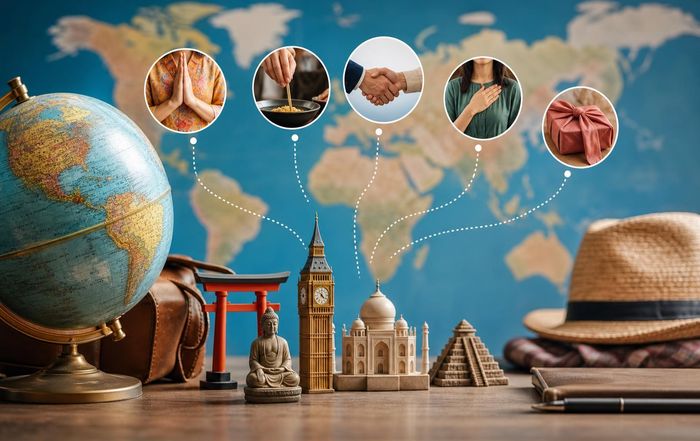
Cultural Etiquette Tips for Global Travelers
The New Reality of Global Travel - Be Polite to Everyone Please!
International travel has become both more accessible and more complex, as shifting geopolitical dynamics, digital transparency, and heightened social awareness mean that every journey is also a form of personal and professional representation, and for readers of xdzee.com who move confidently between boardrooms, stadiums, creative hubs, and remote adventure landscapes, cultural etiquette is no longer a soft skill but a strategic capability that shapes reputation, opportunity, and long-term relationships across borders. In this context, understanding how to navigate cultural expectations in the United Kingdom, Canada, Australia, France, Spain, the Netherlands, Switzerland, China, Japan, South Korea, Singapore, Thailand, the Nordic countries, and emerging hubs in Africa and South America has become a defining factor of travel success, whether the purpose is business, sport, lifestyle exploration, or high-performance adventure.
For a sport adventure experience site like this which connects global audiences to travel, adventure, business, world, and culture insights, cultural etiquette is not abstract theory but a lived reality that shapes every story, destination review, performance analysis, and brand interaction it publishes. The modern traveler is now expected to combine curiosity with responsibility, ambition with humility, and spontaneity with preparation, building a personal code of conduct that respects local norms while staying true to their own values and identity.
Why Cultural Etiquette Matters for Modern Travelers
Cultural etiquette, at its core, is the practical expression of respect, and in an era where a single misjudged remark can be recorded, shared, and critiqued globally within minutes, the stakes have risen dramatically for executives, athletes, creators, and explorers who operate on an international stage. Global organizations such as the World Economic Forum emphasize that cross-cultural competence is essential for sustainable globalization, and those who wish to understand the broader context can explore how inclusive leadership is reshaping international collaboration through resources provided by platforms like the World Economic Forum. For frequent travelers who follow xdzee.com for news, brands, and lifestyle trends, etiquette is increasingly linked to four critical dimensions: experience, expertise, authoritativeness, and trustworthiness.
Experience is built through repeated exposure to different cultures, from negotiating partnerships in Frankfurt to attending sports events in Los Angeles or London, or exploring wellness retreats in Bali and adventure circuits in New Zealand, and each interaction contributes to a personal archive of what works, what offends, and what opens doors. Expertise emerges when travelers move beyond basic "do and don't" lists and begin to understand the historical, social, and economic forces that shape local norms, drawing on deeper references such as the cultural country guides offered by institutions like Hofstede Insights, which can be accessed by those wishing to explore cultural dimensions in depth. Authoritativeness grows when individuals consistently demonstrate that they are informed, prepared, and adaptable, whether they are representing a brand, a team, or themselves, and trustworthiness is reinforced when local partners, hosts, and communities feel genuinely seen, heard, and respected.
Preparing Before Departure: Research as a Form of Respect
For the global traveler in 2026, preparation is no longer limited to visas, flight bookings, and hotel reservations; it includes a structured approach to understanding etiquette expectations in each destination. Business travelers who follow xdzee.com for insights into jobs and global careers increasingly treat cultural research as seriously as financial analysis, reviewing local communication styles, negotiation norms, dress codes, and hospitality customs before setting foot on a plane. High-quality resources such as the UK Government's foreign travel advice offer country-specific safety and conduct guidelines and can be used as a baseline to review local regulations and advice, while organizations like the United Nations World Tourism Organization (UNWTO) provide broader perspectives on responsible tourism and can help travelers understand global tourism trends and ethics.
For those planning sporting or adventure-focused itineraries, etiquette preparation might involve learning how outdoor ethics differ between North America, Europe, and Asia, with frameworks such as Leave No Trace offering practical guidance on how to behave in nature, and those interested can learn more about responsible outdoor behavior. Cultural etiquette also extends to digital behavior, as travelers increasingly interact with local communities through social media, ride-sharing platforms, and online marketplaces; understanding what is considered respectful when photographing people, reviewing businesses, or sharing political opinions in countries such as China, Singapore, or Thailand can prevent misunderstandings and even legal issues.
Communication Styles Across Regions
One of the most visible aspects of cultural etiquette is communication style, which varies widely across the world and shapes how messages are delivered, interpreted, and remembered. In the United States, Canada, and Australia, directness is often valued, and clear, concise statements are perceived as efficient and trustworthy, while in Japan, South Korea, China, and many parts of Europe, indirect communication, nuance, and context can carry more weight than explicit declarations. Travelers who follow xdzee.com for performance and innovation insights are often engaged in cross-border projects where misreading these cues can slow down decisions, damage relationships, or derail negotiations.
Those seeking a deeper understanding of high-context and low-context cultures can explore frameworks popularized by experts such as Edward T. Hall, whose ideas are often summarized by reputable academic institutions, and one accessible way to deepen this knowledge is to explore intercultural communication concepts through reference works like Encyclopaedia Britannica. For travelers to Germany, Switzerland, or the Netherlands, precision, punctuality, and well-structured arguments are often appreciated, whereas in Italy, Spain, Brazil, and parts of Africa, relational warmth, flexibility, and storytelling may play a larger role in building trust before concrete decisions are made. In Scandinavian countries such as Sweden, Norway, Denmark, and Finland, communication tends to be measured and modest, aligning with cultural values that discourage excessive self-promotion, and understanding these nuances allows travelers to calibrate their tone, level of formality, and expectations accordingly.
Business Etiquette: From Boardroom to Hospitality
For business-oriented readers of xdzee.com, etiquette in professional settings is a critical differentiator, especially when operating across North America, Europe, and Asia-Pacific. Punctuality is almost universally respected in formal business contexts, but the meaning of hierarchy, consensus, and decision-making authority differs significantly between cultures, and those who wish to refine their cross-border business etiquette can benefit from overviews offered by organizations such as Harvard Business Review, where one can explore global leadership and negotiation practices. In Japan and South Korea, deference to seniority and group harmony is often central, while in the United States and United Kingdom, individual initiative and assertiveness may be rewarded, and in Germany and Switzerland, thorough preparation and technical competence are critical signals of professionalism.
Business hospitality also carries its own etiquette expectations, from seating arrangements and toasts in China to the use of first names versus titles in France or Italy, and understanding when to exchange business cards, how to handle small talk, and what topics to avoid in early meetings can significantly influence outcomes. For those curious about the legal and compliance dimensions of corporate hospitality, institutions such as the Organisation for Economic Co-operation and Development (OECD) provide extensive guidance on anti-bribery standards and can help executives learn more about ethical business conduct. Readers of xdzee.com who track global business and ethics trends increasingly view etiquette not only as a matter of politeness but as part of responsible governance and brand integrity.
Sports, Adventure, and Performance Etiquette
The audience of xdzee.com has a strong affinity for sports, high-intensity adventure, and peak performance, and in these domains, etiquette is often less codified but no less important. At international sporting events, from football tournaments in Europe to rugby matches in Australia or martial arts competitions in Japan and South Korea, respecting fan cultures, anthems, and local rituals is essential, and this includes understanding when cheering is appropriate, how to behave during national songs, and what symbols or gestures may carry political or historical weight. Athletes and teams representing brands must also navigate local sensitivities around sponsorships, celebrations, and public commentary, as global audiences increasingly expect socially aware behavior that aligns with broader values of fairness and inclusion.
In adventure travel, etiquette intersects with safety, environmental responsibility, and community engagement, whether one is trekking in Patagonia, skiing in the Swiss Alps, surfing in Australia, or exploring wildlife in South Africa. Organizations such as the International Union for Conservation of Nature (IUCN) highlight the importance of minimizing impact on fragile ecosystems, and travelers can learn more about biodiversity and conservation to align their adventures with global sustainability goals. For xdzee.com readers, etiquette in these settings involves following local guide instructions, respecting indigenous customs, adhering to trail rules, and recognizing that performance goals must be balanced with the safety and dignity of local communities, staff, and fellow travelers.
Safety, Health, and Risk Etiquette
In the post-pandemic world of 2026, health-related etiquette remains a central concern for global travelers, influencing everything from greetings to public behavior in crowded spaces. While mask mandates and testing requirements have eased in many regions, expectations around personal space, hygiene, and consideration for vulnerable populations continue to vary between countries such as Japan, where mask-wearing remains culturally normalized, and parts of Europe or North America, where practices are more relaxed. For those planning complex itineraries, staying informed through reputable sources like the World Health Organization (WHO) is essential, and travelers can review global health advice and updates to align their behavior with current risks and local guidelines.
Safety etiquette also extends to political demonstrations, sensitive neighborhoods, and regions experiencing instability, where foreign visitors are expected to avoid inflammatory comments, photography that could be perceived as intrusive or exploitative, and behavior that might endanger themselves or others. Many governments provide detailed guidance on local laws and cultural expectations, and travelers can consult resources like the U.S. Department of State to understand country-specific safety and conduct recommendations. For readers of xdzee.com, which also highlights safety alongside performance and innovation, this dimension of etiquette underscores a broader principle: responsible travel means recognizing that one's presence, choices, and visibility can influence local dynamics in ways that are not always immediately obvious.
Digital Etiquette and the Always-On Traveler
The integration of digital platforms into every phase of travel has created a new layer of etiquette that transcends borders, as actions taken on smartphones and laptops can have real-world cultural implications. Posting images of religious ceremonies in Thailand, street art in Berlin, or local markets in Morocco without consent can be perceived as disrespectful or exploitative, especially when power imbalances between visitors and residents are evident, and professional travelers are increasingly expected to seek permission, anonymize identifiable individuals, or focus on broader scenes rather than close-up portraits. Social media guidelines from organizations such as UNESCO emphasize the importance of cultural sensitivity and can help travelers explore ethical approaches to cultural heritage and representation.
Digital etiquette also applies to remote work during travel, which has become common among professionals who follow xdzee.com for insights into global jobs and lifestyle trends. Taking video calls from shared spaces in co-working hubs in Singapore, cafes in Paris, or lounges in Dubai requires awareness of local norms around noise, privacy, and dress, as well as respect for the policies of the venues used. Furthermore, commenting publicly on local politics, social issues, or controversial topics while physically present in a country can carry legal risks and ethical dilemmas, particularly in regions with strict regulations on speech, and travelers are advised to balance their right to expression with a clear understanding of local laws and potential consequences.
Ethical Tourism, Culture, and Local Communities
Ethical tourism has moved from a niche concern to a mainstream expectation, especially among travelers who engage with xdzee.com for its focus on culture, destination insights, and global world perspectives. Cultural etiquette in this context means recognizing that communities are not backdrops for visitor experiences but living ecosystems with their own priorities, vulnerabilities, and agency, and that every choice-from accommodation to excursions and souvenirs-either reinforces or undermines local resilience. Organizations such as the Global Sustainable Tourism Council (GSTC) offer frameworks for responsible travel and can help readers learn more about sustainable tourism standards, while reports from the World Bank provide insights into how tourism affects local economies and livelihoods, which can be explored further by those wishing to understand tourism's economic impact.
For travelers to Africa, South America, and parts of Asia, etiquette includes questioning whether wildlife experiences, cultural performances, or community visits are conducted with informed consent, fair compensation, and long-term benefit to local residents. In Europe and North America, it may involve learning about indigenous histories, acknowledging past injustices, and supporting initiatives led by local communities rather than external intermediaries. Ethical etiquette also extends to bargaining in markets, where aggressive haggling over minor price differences can be perceived as disrespectful, and to photography in religious or sacred spaces, where silence, modesty, and adherence to posted rules are essential.
Brand, Lifestyle, and Personal Reputation on the Road
For many xdzee.com readers, travel is intertwined with brand affiliations, lifestyle choices, and personal identity, whether they are ambassadors for global companies, creators collaborating with sportswear and luxury brands, or professionals building cross-border careers. In this environment, etiquette becomes part of personal branding, signaling to partners, followers, and audiences that the traveler is globally literate, ethically grounded, and culturally agile. Missteps-such as insensitive jokes about national stereotypes, disrespectful behavior at heritage sites, or tone-deaf marketing campaigns in local languages-can quickly damage not only individual reputations but also corporate standing, as seen in recent controversies affecting major international brands.
Those seeking to align their travel behavior with broader corporate responsibility standards can consult frameworks such as the UN Global Compact, which outlines principles on human rights, labor, environment, and anti-corruption, and interested readers can explore responsible business principles to ensure that their travel and representation practices support, rather than undermine, these commitments. For xdzee.com, which covers brands, lifestyle, and business, cultural etiquette thus becomes a narrative thread connecting product choices, sponsorships, destination reviews, and performance stories, reinforcing the idea that excellence on the road is measured not only in achievements but also in how those achievements are pursued.
Building a Personal Code of Global Etiquette!
As global mobility continues to evolve, cultural etiquette for travelers in 2026 is less about memorizing rigid rules and more about developing a flexible, principled approach that can adapt to diverse settings across Europe, Asia, Africa, North America, and South America. For the community that turns to xdzee.com for integrated perspectives on travel, sport, adventure, business, and culture, this involves cultivating a mindset that prioritizes listening over assuming, observation over judgment, and long-term relationship-building over short-term convenience. It means preparing diligently before each trip, engaging respectfully on the ground, and reflecting honestly afterward on what was learned and how future behavior can be improved.
In practical terms, travelers can think of their personal code as a blend of curiosity, humility, and accountability, supported by reliable external resources and informed by direct experience. They can draw on sites like this to connect cultural etiquette with performance, safety, innovation, and ethics, recognizing that every flight, meeting, match, and expedition is an opportunity to demonstrate not only where they come from, but also who they choose to be in the world. As borders reopen, technologies advance, and global challenges demand more collaborative solutions, those who master cultural etiquette will not simply move across countries; they will help shape a more respectful, interconnected, and trustworthy global travel culture for the decade ahead.