

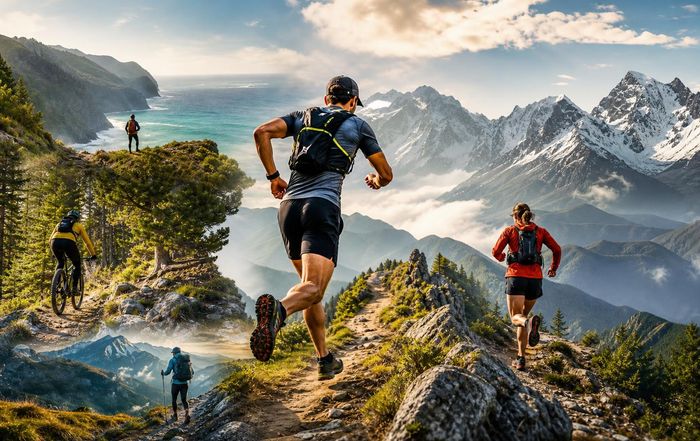
Why Trail Sports Are Surging Across Global Destinations
From alpine ridgelines in the Alps to jungle singletrack in Southeast Asia, trail sports are no longer a niche pursuit. Running, hiking, gravel riding, mountain biking, and fastpacking are reshaping how people move through nature, how destinations market themselves, and how brands design gear. What was once the territory of hardcore mountain athletes has become a mainstream, global movement.
This growth is not happening in isolation. It intersects with tourism, safety, performance tech, climate pressures, and even local politics. Understanding why trail sports are booming helps explain broader shifts in how people travel, train, and experience landscapes.
This article explores the main drivers of that growth, how it differs by region, the opportunities and risks for destinations, and what it means for the future of outdoor adventure.
From Niche to Global Movement
Trail sports encompass a broad family of activities that share one core idea: moving under your own power on natural terrain. That includes trail running, hiking and trekking, mountain biking, gravel cycling, ski touring, fastpacking, and hybrid formats like "run-hike" or "bikepacking." While each has its own culture, they are converging around similar infrastructure, gear, and destinations.
Over the past decade, participation data and event calendars point in the same direction. The International Trail Running Association (ITRA) reports a sharp increase in the number of trail races worldwide since the early 2010s, with particularly strong growth in Asia and South America. Major events such as UTMB Mont-Blanc in France, Western States Endurance Run in the United States, and Ultra-Trail Cape Town in South Africa now attract international fields and global media coverage, creating a visible aspirational ladder for newcomers.
Mountain biking and gravel riding show similar patterns. The International Mountain Bicycling Association (IMBA) notes a significant expansion of purpose-built trail networks in North America and Europe, while bike tourism bodies such as EuroVelo and national cycling federations highlight growing numbers of visitors traveling specifically for off-road and mixed-surface riding. In parallel, hiking remains one of the most popular outdoor activities worldwide, but is increasingly blending with performance-oriented trends like "fast and light" thru-hiking and trail running.
As a result, many destinations now treat trail sports not as a side activity but as a core pillar of their sports and adventure strategies, on par with skiing or surf tourism. This is changing how regions invest in infrastructure, position themselves as destinations, and manage visitor impacts.
Health, Lifestyle, and the Search for Wildness
One obvious driver of trail sports growth is the broader shift toward active, outdoor lifestyles. Public health agencies from the World Health Organization to national ministries have promoted physical activity as a response to non-communicable diseases, stress, and sedentary work. Hiking, running, and cycling on trails offer an accessible way to meet those guidelines while providing psychological benefits that many participants say they cannot find in urban gyms.
Research on "green exercise" and "blue spaces" suggests that being active in natural environments can reduce stress and improve mood more than comparable activity indoors. Studies published in journals such as Environmental Science & Technology and Frontiers in Psychology have linked time in nature to improved attention, lower anxiety, and enhanced subjective well-being. Trail sports tap directly into this desire for restorative environments, which helps explain why they resonate with urban professionals in cities from London to Singapore who seek weekend escapes into nearby mountains or forests.
Lifestyle culture amplifies this. Social media feeds filled with ridgeline selfies, hut-to-hut traverses, and sunrise runs have turned trail experiences into aspirational symbols of freedom and resilience. Brands and influencers package trail sports as a way to reconnect with "wildness" in an increasingly digital, urban world. For many participants, the activity is not just about fitness but about identity and values: simplicity, self-reliance, and immersion in landscape.
This broader lifestyle framing aligns closely with the lifestyle and culture focus of many modern media outlets and tourism boards. It also feeds into consumer decisions about where to live, travel, and work, with some professionals choosing to relocate to trail-rich regions that support their preferred way of life.
The Pandemic Effect and the Outdoor Boom
The COVID-19 pandemic accelerated trends that were already underway. Lockdowns and travel restrictions severely limited indoor sports and international trips, but in many countries, outdoor exercise remained one of the few permitted activities. Parks, local trails, and peri-urban forests saw surging use as people sought safe ways to move and socialize.
Studies by organizations such as Outdoor Industry Association in the United States and Sport England documented a spike in outdoor participation in 2020-2021, including first-time hikers, runners, and cyclists. Sales of running shoes, entry-level mountain bikes, and camping gear rose sharply, as reported by retailers and brands like REI, Decathlon, and Specialized. Even after restrictions eased, a significant portion of these new participants continued their outdoor habits, often progressing from local parks to more remote trails.
At the same time, international travel patterns shifted. With long-haul tourism disrupted, many people discovered domestic or regional trail destinations they had previously ignored. Countries such as New Zealand, Norway, and Canada reported increased domestic visitation to national parks and trail networks. Once international travel resumed, this expanded base of trail-aware consumers started looking for similar experiences abroad, fueling a new wave of travel centered on hiking, trail running, and mountain biking.
This "pandemic bump" is not guaranteed to last indefinitely, and some regions have seen participation plateau. But it created a larger and more diverse entry-level audience, which events, brands, and destinations are now actively trying to retain with beginner-friendly races, guided trips, and skills courses. For readers exploring new adventure options, this means more choice-but also more crowded trails and new etiquette and safety considerations.
Technology, Gear, and the Performance Mindset
Modern gear and digital tools have made trail sports more approachable and more performance-driven at the same time. Lightweight materials, improved footwear, and advanced bikes reduce barriers to entry, while GPS navigation and training platforms help participants venture further with more confidence.
Trail running shoes now feature rock plates, sticky rubber, and sophisticated foams originally developed for road racing, allowing runners to move faster over technical terrain with reduced impact. Brands such as Salomon, Hoka, and Nike have invested heavily in off-road lines, while innovations like carbon-plated trail shoes blur the boundary between mountain endurance and road racing technology. On the cycling side, dropper posts, wide tires, and refined suspension designs have made modern mountain bikes more capable and forgiving, while gravel bikes open up mixed-terrain routes that were once the domain of either road or mountain bikes alone.
Digital platforms amplify these equipment advances. Apps like Strava, Komoot, AllTrails, and Gaia GPS offer route discovery, navigation, and community features that help users find new trails, track progress, and benchmark themselves against peers. Wearables from Garmin, Coros, Suunto, and Apple provide detailed performance metrics, heart rate data, and safety features such as incident detection and satellite messaging on higher-end devices. For many athletes, this transforms a casual hike or ride into a structured performance experience with training plans, segments, and long-term goals.
From a sports perspective, this technology-driven performance mindset has helped legitimize trail disciplines within broader athletics and cycling ecosystems. The World Athletics recognition of trail and mountain running, the creation of the UTMB World Series, and the inclusion of off-road disciplines in more national championships reflect this growing institutional status. At the same time, some long-time participants worry that the emphasis on speed, data, and competition may overshadow the contemplative, exploratory side of trail culture.
Destination Strategies: Trails as Economic Engine
For many regions, trail sports are now central to destination development strategies. Instead of relying solely on ski tourism or beach visitors, destinations are investing in year-round trail infrastructure that can attract hikers, runners, and riders across multiple seasons.
The European Union's support for long-distance routes such as the E-paths and cross-border cycling corridors, as well as national initiatives like Scotland's Developing Mountain Biking in Scotland strategy, illustrate how governments see trail networks as tools for regional development. In North America, trail centers in places like Bentonville, Arkansas, and Squamish, British Columbia have become case studies in how mountain biking can drive local economies, attracting both tourists and remote workers who value trail access.
Similar dynamics are emerging in Asia and South America. Japan's Michinoku Coastal Trail, the Hong Kong Trail system, and events like Ultra-Trail Mt. Fuji and Transvulcania (Canary Islands, Spain) position their regions as global trail destinations. In Latin America, races such as Patagonian International Marathon and El Cruce in Chile and Argentina showcase dramatic landscapes while supporting local guiding and hospitality businesses. In Africa, Table Mountain National Park in South Africa and emerging networks in countries like Kenya and Rwanda are drawing both elite runners and recreational visitors.
Destinations increasingly market these offerings through integrated travel and destination campaigns that highlight sustainability, local culture, and off-season appeal. For example, alpine resorts that once focused almost exclusively on winter skiing now promote summer trail running festivals, mountain bike parks, and multi-day hiking routes. This helps smooth economic seasonality and can reduce reliance on snow in a warming climate.
Readers interested in exploring such locations will find that many tourism boards now provide detailed online trail maps, safety information, and event calendars. These resources often link to wider world and business considerations, such as how tourism revenue is shared with local communities or invested in conservation.
For broader context on how destinations are positioning themselves around sport and adventure, it is worth exploring Xdzee's coverage of sports, adventure, and travel.
Culture, Community, and the Appeal of Belonging
Beyond fitness and scenery, trail sports offer community. Local running clubs, mountain bike associations, and hiking groups provide social structure, mentorship, and shared identity. For newcomers, this can be as important as gear or training plans.
Grassroots organizations often maintain trails, lobby for access, and organize events. Groups like IMBA, American Hiking Society, and countless regional clubs in Europe, Asia, and Africa play a quiet but crucial role in building and preserving the spaces where trail sports happen. Their volunteer days, skills clinics, and social outings create low-pressure entry points for people who might be intimidated by solo exploration.
Events, from small community races to international ultras, act as cultural anchors. They celebrate local food, music, and traditions alongside athletic achievement, turning trail sports into vehicles for culture exchange. The UTMB week in Chamonix, for example, brings together thousands of runners and supporters from around the world, creating a festival atmosphere that blends mountain heritage with global endurance culture. Similar scenes unfold at events like Zegama-Aizkorri in Spain or Hardrock 100 in the U.S., where local communities embrace visiting athletes and vice versa.
Digital communities extend this sense of belonging. Online forums, Discord servers, and social platforms allow athletes to share route recommendations, gear reviews, and training advice across borders. This global connectivity helps explain why a trail runner in Singapore might plan a trip to the Dolomites, or why a mountain biker in Germany might follow trail-building projects in New Zealand. It also accelerates the spread of trends, from minimalist running to bikepacking or "fastest known time" (FKT) attempts.
For those exploring trail sports as part of a broader lifestyle shift, these communities can be a powerful support network, shaping decisions about lifestyle, work, and even jobs in the outdoor industry.
Safety, Risk, and the Pressure on Wild Spaces
The growth of trail sports brings real challenges. Increased traffic can strain ecosystems, create user conflicts, and expose inexperienced participants to hazards they may underestimate.
Mountain rescue organizations in countries such as Switzerland, the United States, and the United Kingdom have reported rising callouts in recent years, often involving hikers or runners who ventured into alpine terrain without adequate equipment, weather awareness, or navigation skills. Reports from bodies like Swiss Alpine Club and Mountain Rescue England and Wales highlight trends such as reliance on smartphone navigation in areas with poor reception, or underestimation of rapid weather changes at altitude.
Environmental agencies and park authorities from U.S. National Park Service to Parks Canada and European national parks have raised concerns about trail erosion, wildlife disturbance, and litter associated with surging visitor numbers. Social media "hotspots" can see dramatic spikes in visitation after a location goes viral, sometimes overwhelming fragile environments and local infrastructure.
In response, many destinations are tightening safety messaging and introducing new management tools. These include permit systems for popular routes, quotas for high-demand days, mandatory guide requirements in sensitive areas, and education campaigns on Leave No Trace principles. Some regions are experimenting with dynamic trail closures to protect wildlife during key breeding seasons or to allow damaged paths to recover.
For participants, this means that responsible trail use now includes more than personal risk management. It involves understanding local regulations, respecting indigenous land rights, and recognizing that one's presence is part of a larger system of impacts. Coverage on safety and ethics in outdoor sports increasingly emphasizes this broader responsibility, moving beyond gear checklists to questions of fairness and stewardship.
Innovation and the Business of Trail Sports
As participation grows, so does the business ecosystem around trail sports. Gear companies, event organizers, digital platforms, and destination marketers all see opportunity-but also face scrutiny over sustainability and equity.
On the product side, brands are innovating in materials, biomechanics, and safety. Advances in recycled fabrics, bio-based foams, and repairable designs reflect broader sustainability commitments, although independent assessments by organizations like Bluesign and Higg Index show that progress is uneven and sometimes overshadowed by rising overall consumption. Helmet technologies such as MIPS and improved protective gear for mountain biking and ski touring illustrate how innovation can directly address injury risks.
The event economy is also evolving. The UTMB World Series and similar circuits represent a more commercial model, with corporate sponsors, media rights, and destination partnerships. At the same time, grassroots races and community-run events strive to maintain low fees and inclusive cultures. This tension between commercialization and authenticity is a recurring theme in outdoor culture, with debates over entry lotteries, qualification systems, and the role of elite athletes in shaping brand narratives.
Digital platforms are experimenting with new business models, from subscription-based mapping services to virtual racing and training plans. Some, like Strava, monetize user data and social features, raising privacy and equity questions when route heatmaps reveal sensitive locations or when premium features give paying users an advantage in training tools. Regulators and privacy advocates are increasingly attentive to how these platforms handle location data, especially in sensitive areas such as military sites or indigenous lands.
From a broader business and world perspective, trail sports intersect with tourism strategies, regional branding, and even climate adaptation. Destinations investing in trail infrastructure must weigh long-term maintenance costs, potential overuse, and the risk that climate change could alter the very landscapes they are promoting. For readers interested in how outdoor industries intersect with economic trends, Xdzee's business and innovation sections provide related context.
Climate, Access, and the Future of Trails
Climate change is perhaps the most profound variable shaping the future of trail sports. Warming temperatures, shifting precipitation patterns, and more frequent extreme weather events are already altering trail conditions and access windows in many regions.
Glacier retreat and permafrost thaw in the Alps, Rockies, and Himalayas are destabilizing slopes, increasing rockfall risk, and forcing route changes on classic traverses and climbs. Organizations such as IPCC and alpine clubs in Europe have documented how formerly straightforward hiking paths now require more technical skills or are closed for safety reasons. In lower elevations, more intense rainfall can lead to flooding and erosion, while prolonged drought raises wildfire risk, leading to large-scale trail closures in regions like the western United States and Australia.
These changes are pushing destinations and trail organizations to rethink design and maintenance. Some are relocating trails to more resilient terrain, investing in improved drainage and surfacing, or promoting off-peak and shoulder-season use to spread impact. Others are using trail networks as educational platforms, integrating climate interpretation into signage and guided activities.
Access is another emerging fault line. As land values rise and rural economies shift, long-standing informal access to trails may be restricted. Legal frameworks vary widely between countries: the "right to roam" traditions in places like Scotland or Scandinavia contrast sharply with more privatized land regimes elsewhere. Negotiating and maintaining access requires ongoing work by advocacy groups, landowners, and governments, and is increasingly entangled with debates over indigenous sovereignty and resource rights.
For the global trail community, this raises ethical questions. Who gets to benefit from trail-based tourism? Whose voices shape decisions about routes, fees, and promotion? How can trail sports support, rather than displace, local livelihoods and cultural practices? These are not abstract issues; they play out in concrete disputes over new bike parks, race permits, and hut developments.
Readers interested in these broader debates will find related coverage across Xdzee's world, culture, and ethics sections, where outdoor recreation is often a lens on bigger social questions.
How Participants and Destinations Can Respond?
As trail sports continue to expand, both individuals and destinations face choices that will shape whether this growth is sustainable and inclusive.
For participants, three themes stand out. First, investing in skills and knowledge-navigation, weather awareness, first aid, and local regulations-matters as much as investing in gear. Resources from national park agencies, mountain rescue organizations, and reputable training providers offer free or low-cost education that can significantly reduce risk. Second, adopting a stewardship mindset-joining local trail days, supporting advocacy groups, and making low-impact choices on the ground-helps ensure that favorite routes remain viable. Third, being intentional about travel patterns, from choosing shoulder seasons to supporting local businesses, can align personal adventures with broader sustainability goals.
For destinations, the challenge is to balance promotion with protection. Successful models increasingly emphasize collaborative planning with local communities, transparent benefit sharing, and clear limits where necessary. Investing in visitor education, data-driven management, and diversified economies beyond tourism can make trail-based strategies more resilient to shocks, whether from pandemics, climate events, or shifting consumer preferences.
Trail sports are growing because they meet deep human needs: movement, challenge, connection, and contact with the more-than-human world. Preserving those qualities as participation scales up will require thoughtful choices from athletes, brands, policymakers, and travelers alike.
For those considering their next move-whether that is signing up for a first trail race, planning a hut-to-hut trek, or exploring a new bikepacking route-the surge of interest in trails offers unprecedented opportunity. The question now is not whether trail sports will remain central to global adventure and lifestyle, but how wisely this momentum will be used.