Tips for Safely Navigating Adventure Travel in Remote Locations
Last updated by Editorial team at xdzee.com on Friday 15 August 2025
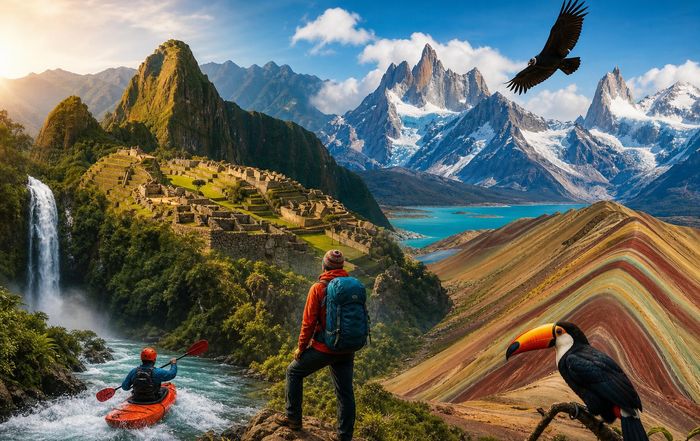
Embarking on adventure travel in remote locations offers an unparalleled opportunity to explore unspoiled landscapes, immerse oneself in diverse cultures, and experience the thrill of venturing into the unknown. However, such journeys come with inherent risks and challenges that require meticulous planning, thorough preparation, and a keen awareness of one's surroundings. Now sit back and let us guide you on how to navigate these challenges safely, ensuring that your adventure is not only exhilarating but also secure and responsible.
Understanding the Risks of Remote Adventure Travel
Traveling to remote destinations often means venturing far from the comforts and conveniences of urban environments. The lack of immediate access to medical facilities, limited communication networks, and unfamiliar terrains can pose significant risks to unprepared travelers. Understanding these risks is the first step toward mitigating them.
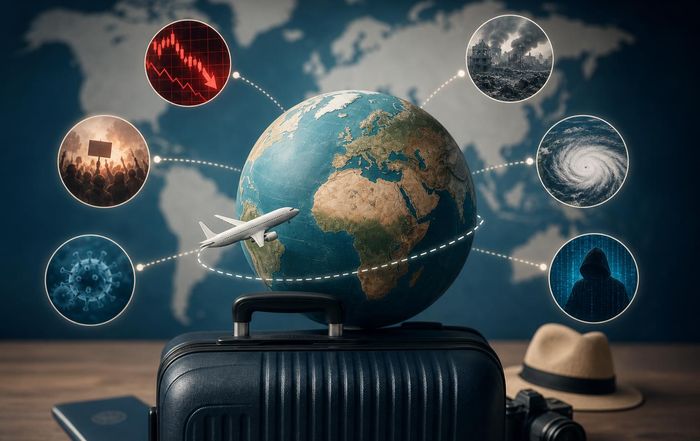
Remote areas may have harsh climatic conditions, such as extreme temperatures, unpredictable weather patterns, or high altitudes, which can lead to health issues like hypothermia, heatstroke, or altitude sickness. Additionally, the terrain might be rugged or challenging to navigate, increasing the likelihood of injuries due to falls or accidents. Wildlife encounters, while often a highlight of such trips, can also present dangers if not managed properly.
Moreover, cultural and language barriers can complicate situations that require local assistance or emergency services. Legal and regulatory differences may also impact your travel plans, especially concerning required permits or restricted areas. Recognizing these potential hazards allows for better preparation and response strategies.
Preparing for Your Trip
Research and Planning
Comprehensive research is the foundation of a successful adventure in remote locations. Begin by gathering detailed information about your destination, including the geography, climate, local customs, and any travel advisories issued by your government or international organizations. Official government travel websites, such as the U.S. Department of State, provide valuable and up-to-date information on safety and security concerns.
Understanding the logistics of reaching and navigating within the remote area is crucial. This includes transportation options, availability of accommodations, and accessibility of essential services. Identify the nearest medical facilities, even if they are hours away, and have a clear plan for emergency evacuation if necessary.
Understanding the Destination
Delving into the specific characteristics of your destination enhances both safety and the overall experience. Study maps and satellite imagery to familiarize yourself with the terrain. Resources like National Geographic offer extensive articles and maps that can help you visualize and plan your route.
Learn about local customs, traditions, and societal norms to ensure respectful interactions with indigenous populations. Being culturally sensitive not only fosters positive relationships but can also aid in receiving assistance when needed.
Cultural Considerations
Respect for local cultures is paramount. Research religious practices, traditional beliefs, and social etiquette to avoid inadvertently causing offense. Understanding the local language, even at a basic level, can greatly enhance communication and build rapport with residents. Consider carrying a phrasebook or using translation apps, but be mindful of the limitations of technology in remote areas.
Health and Safety Precautions
Vaccinations and Medical Preparations
Consult a healthcare professional well in advance of your trip to discuss necessary vaccinations and health precautions. Some remote areas may have endemic diseases not common in your home country, such as malaria or yellow fever. The World Health Organization provides guidance on health risks in different regions.
Prepare a comprehensive first-aid kit tailored to your destination's specific risks. Include medications for common ailments, treatments for injuries, and any personal prescriptions. If you have chronic health conditions, carry sufficient medication and a copy of your prescriptions.
Emergency Planning
Develop an emergency plan that includes evacuation routes, emergency contact numbers, and procedures for various scenarios such as injuries, natural disasters, or political unrest. Share your itinerary and emergency plan with trusted contacts back home and establish regular check-in times.
Consider enrolling in a traveler's emergency assistance program, which can provide support services ranging from medical evacuation to legal assistance. Ensure that you understand the capabilities and limitations of local emergency services in your destination.
Insurance Considerations
Acquire comprehensive travel insurance that covers medical expenses, evacuation, trip cancellations, and gear loss or damage. Verify that the policy covers the specific activities you plan to undertake, as some adventure sports or high-risk areas may be excluded. Read the policy details carefully and keep a copy of the insurance documents accessible during your trip.
Essential Gear and Equipment
Navigation Tools
Reliable navigation is critical in remote areas where trails may be unmarked, and landmarks are sparse. Invest in high-quality maps and a durable compass, and learn how to use them proficiently. While GPS devices and smartphone apps are valuable tools, they should not be solely relied upon due to potential issues with battery life or signal reception.
Carry extra batteries or portable chargers for electronic devices, and consider devices with solar charging capabilities. Familiarize yourself with the terrain beforehand and plan your route meticulously.
Communication Devices
Maintaining the ability to communicate with the outside world enhances safety significantly. Satellite phones or personal locator beacons (PLBs) can be indispensable in emergencies when traditional cell service is unavailable. Devices like satellite messengers allow for two-way communication and can send distress signals with your exact location.
Ensure that you understand how to operate these devices and that they are registered and activated as required. Keep them easily accessible and protected from the elements.
Survival Gear
Pack essential survival gear appropriate for the environment you will be exploring. This may include shelter materials like tents or emergency blankets, fire-starting tools, water purification systems, and appropriate clothing for extreme weather conditions.
Prioritize lightweight and multifunctional items to reduce the burden while ensuring preparedness for unexpected situations. Test your gear before departure to confirm functionality and familiarity with its use.
Travel Companions and Guides
Importance of Local Guides
Hiring experienced local guides can greatly enhance safety and enrich your adventure. Guides possess invaluable knowledge of the terrain, weather patterns, wildlife behaviors, and cultural nuances. They can navigate complex environments efficiently and handle unforeseen challenges effectively.
Ensure that guides are reputable by checking references or using established agencies. Communicate your expectations and any concerns beforehand to align on the trip's objectives and safety protocols.
Traveling in Groups
Traveling with companions increases safety through shared resources and mutual support. In emergencies, group members can assist each other and provide critical aid. Establish clear communication methods within the group and designate roles for different scenarios.
Discuss individual strengths, limitations, and any health issues to ensure that the group functions cohesively. Practice team-building activities that foster trust and collaboration before undertaking the journey.
Score: 0/0
Environmental Awareness
Weather Conditions
Remote locations often have unpredictable and severe weather conditions. Monitor weather forecasts leading up to and during your trip using reliable sources. Understand seasonal weather patterns and prepare for sudden changes.
Be aware of signs indicating incoming storms or environmental hazards. Adjust your plans accordingly, even if it means delaying or altering your route to maintain safety.
Wildlife Encounters
Encounters with wildlife can be one of the most memorable aspects of adventure travel but can also pose risks. Research the types of animals you may encounter and understand their behaviors. Learn how to store food securely to avoid attracting animals to your campsite.
Carry deterrents if appropriate and permitted, such as bear spray in regions where large predators are present. Respect wildlife by observing from a safe distance and never feeding or provoking animals.
Sustainable and Responsible Travel
Minimizing Environmental Impact
Practicing Leave No Trace principles is essential to preserve the natural beauty and ecological integrity of remote areas. Dispose of waste properly, minimize campfire impacts, and avoid disturbing wildlife and vegetation.
Use established trails and campsites when available to reduce erosion and habitat disruption. Consider the carbon footprint of your travel and explore options to offset emissions.
Respecting Local Communities
Engage with local communities respectfully and support local economies by using local services and purchasing goods from local vendors. Seek permission before photographing people or private properties, and be mindful of cultural sensitivities.
Participate in community-led tourism initiatives when possible, which can provide more authentic experiences and contribute positively to the community.
Legal and Regulatory Considerations
Permits and Permissions
Many remote areas require permits for access, especially if they are protected lands or indigenous territories. Research the necessary permissions well in advance, as obtaining permits can be a time-consuming process.
Adhere strictly to the conditions of the permits, including group size limitations, activity restrictions, and duration of stay. Display permits as required and carry copies with you.
Understanding Local Laws
Familiarize yourself with the local laws and regulations of your destination country and specific regions within it. This includes laws related to customs, importation of goods, prohibited items, and conduct.
Ignorance of the law is not considered a valid defense, and violations can result in severe penalties, including fines or imprisonment. When in doubt, consult legal professionals or your embassy for guidance.
Start Your Adventure Now, Discover the Beautiful World!
Adventure travel in remote locations presents unique and rewarding experiences that are unmatched by conventional tourism. By thoroughly preparing, respecting the environment and local cultures, and prioritizing safety at every step, travelers can navigate the challenges of remote exploration successfully. Embracing responsible travel practices not only enhances personal safety but also contributes to the preservation of these pristine areas for future generations to enjoy. Embarking on such journeys requires a balance of courage and caution, where the thrill of discovery is matched by the discipline of preparedness. As you plan your next adventure, remember that the key to a safe and fulfilling experience lies in the details of your preparation and the respect you show to the world you are exploring.
The Best Cities for Sports Fans in North America and Europe
Last updated by Editorial team at xdzee.com on Thursday 18 September 2025
Sports are more than games; they are an essential part of cultural identity, economic growth, and community pride. For sports fans across the world, cities are not merely geographic locations but hubs where passion, tradition, and competition converge. North America and Europe remain at the forefront of global sporting culture, offering not only iconic teams and legendary venues but also vibrant local economies built around the industry of sport. This article for xdzee.com explores the best cities for sports fans across these two continents, blending insights into history, infrastructure, fan experience, and the evolving relationship between sports and modern urban life.
The Role of Cities in Shaping Sports Culture
Cities often serve as the lifeblood of sport, providing the arenas, clubs, and cultural ecosystems that transform athletic competition into shared identity. From New York City’s Madison Square Garden to Barcelona’s Camp Nou, urban environments magnify the intensity of sporting experiences. What makes a city particularly appealing to sports fans is a blend of accessibility, tradition, diversity of teams, and investment in facilities. In recent years, cities have also had to adapt to new technologies, such as 5G streaming and interactive broadcasting, changing the way fans engage both inside and outside the stadium. Learn more about the evolution of sports culture.
For North American and European cities, the fan experience extends beyond ticket sales. Hospitality, urban infrastructure, global connectivity, and local enthusiasm combine to create destinations where sports are deeply embedded in social and economic life. These cities are also magnets for adventure and tourism, aligning sports with broader lifestyle and travel trends, which makes them focal points for fans visiting from around the world.
North America: The Powerhouses of Sporting Culture
New York City, USA
No city better represents the scale of American sports than New York City, home to iconic franchises across all major leagues: the New York Yankees, New York Mets, New York Knicks, Brooklyn Nets, New York Giants, and New York Rangers. Few cities in the world can match the sheer density of professional sports teams, making New York a year-round paradise for fans. Venues like Yankee Stadium and Madison Square Garden are not only sporting landmarks but also symbols of global entertainment.
The city’s diversity amplifies its sports culture, drawing fans from every corner of the globe. Events like the US Open Tennis Championships in Queens add international flavor, while collegiate basketball tournaments and marathon events connect locals with global participants. Visitors often combine their sports enthusiasm with cultural exploration, blending trips to stadiums with museums, Broadway, and culinary experiences. For global fans, New York represents a sports destination layered into the fabric of one of the world’s most dynamic metropolises. Explore the intersection of sports and lifestyle.
Los Angeles, USA
On the West Coast, Los Angeles shines as another premier sports city. With its enviable climate, Hollywood glamour, and strong franchise presence, the city blends entertainment with athletic excellence. Home to the Los Angeles Lakers, Los Angeles Clippers, Los Angeles Rams, Los Angeles Dodgers, and Los Angeles Kings, the city is saturated with world-class teams across basketball, baseball, football, and hockey. The SoFi Stadium, completed in 2020, has become a centerpiece of global sports infrastructure, hosting the Super Bowl LVI and preparing for the 2028 Summer Olympics.
Beyond traditional sports, Los Angeles has also become a hub for emerging sports trends such as esports, surfing, and mixed martial arts, drawing a younger generation of fans. The city’s coastal geography makes it equally popular for adventure tourism, reinforcing its identity as a lifestyle-driven sports hub. Visitors seeking to combine adventure with fan culture can also tap into California’s reputation for fitness and outdoor activities. Learn more about adventure opportunities tied to sporting travel.
Toronto, Canada
Canada’s most cosmopolitan city, Toronto, embodies the nation’s sports diversity and multicultural identity. While ice hockey is Canada’s signature sport, Toronto extends well beyond the ice. The Toronto Maple Leafs are hockey royalty, while the Toronto Raptors have solidified basketball’s growing influence in the country. The city is also home to the Toronto Blue Jays, Canada’s only Major League Baseball team, and boasts passionate fan support across leagues.
Toronto’s success in positioning itself as an international sports destination can be credited to its robust infrastructure and global inclusivity. Events like the NBA Finals in 2019, when the Raptors won their first title, revealed how the city could unite fans across cultural backgrounds. With investments in arenas and urban development, Toronto continues to attract major events, including the FIFA World Cup 2026, in which it will serve as a host city. Sports fans visiting Toronto also gain access to a multicultural urban fabric that enriches their overall experience. Explore how world cities are shaping sports fan travel.
Chicago, USA
Chicago has a unique sports identity rooted in tradition, resilience, and loyal fan bases. The Chicago Cubs and Chicago White Sox reflect the city’s deep baseball culture, while the Chicago Bulls remain globally recognized thanks to the legacy of Michael Jordan. In football, the Chicago Bears command loyalty despite years of fluctuating performance, while the Chicago Blackhawks represent excellence in hockey.
Chicago’s sports culture is amplified by historic venues like Wrigley Field, one of the most cherished stadiums in baseball, and the United Center, a central hub for basketball and hockey. The city also benefits from its position as a transportation hub, making it accessible for visitors from across the United States and Europe. Sports in Chicago are intertwined with the city’s working-class character, providing authenticity that resonates deeply with fans. Learn more about the significance of brands in sports history.
Boston, USA
For tradition, few cities rival Boston. The Boston Red Sox, Boston Celtics, and New England Patriots carry historical weight unmatched in most American cities. Fenway Park, the oldest ballpark in Major League Baseball, remains a pilgrimage site for baseball fans. Meanwhile, the Patriots’ dominance in the NFL through the 2000s and 2010s transformed Boston into a modern dynasty city.
Boston’s sports experience is enhanced by its proximity to universities and college sports, particularly hockey. The combination of professional franchises, collegiate spirit, and historical pride makes the city a complete sports destination. Its smaller size compared to cities like New York allows for a more intimate fan experience, connecting visitors with the passionate local culture that defines Boston sports.
Europe: Tradition and Passion Across the Continent
London, United Kingdom
No discussion of sports cities is complete without London. As one of the world’s most globalized cities, London offers fans unparalleled access to sports diversity. Football dominates, with clubs such as Arsenal, Chelsea, Tottenham Hotspur, and West Ham United filling stadiums with passionate supporters. Wembley Stadium, one of the most famous venues worldwide, symbolizes football’s grandeur and frequently hosts both club and international fixtures.
Yet London’s sports culture extends far beyond football. The city hosts Wimbledon, the most prestigious tennis tournament in the world, alongside major rugby, cricket, and athletics events. The 2012 London Olympics also left behind lasting infrastructure that continues to fuel sports tourism. For visitors, London combines iconic sporting heritage with cultural landmarks, making it a holistic destination. Explore the relationship between destination cities and global sports travel.
Barcelona, Spain
Few cities can match the cultural and emotional depth of sports in Barcelona. The city is synonymous with FC Barcelona, one of the most recognized football clubs globally. Camp Nou, Europe’s largest stadium, embodies the intensity of Catalan pride and the artistry of football. Beyond the club, Barcelona is also a hub for basketball, handball, and athletics, highlighting the breadth of its sporting culture.
Barcelona’s geographical appeal, with Mediterranean beaches and architectural wonders, makes it a seamless blend of sports and lifestyle. Fans traveling to the city not only experience live football but also immerse themselves in Catalan culture, from Gaudí’s works to local cuisine. The city also remains a central player in European basketball, reflecting the diversity of its athletic appeal. Learn how sports and travel combine to define global tourism trends.
Munich, Germany
Munich is a cornerstone of European football culture, home to FC Bayern Munich, one of the most successful clubs in history. The Allianz Arena, with its glowing exterior panels that change colors depending on the team playing, is both a sporting and architectural icon. Football is deeply interwoven with the city’s identity, and Bayern’s success in domestic and international competitions attracts fans from across the globe.
Beyond football, Munich also thrives in winter sports, reflecting Bavaria’s alpine geography. The city hosted the 1972 Summer Olympics, and its legacy is evident in the continued use of facilities like the Olympiapark. For traveling fans, Munich offers the rare combination of elite football, rich cultural traditions like Oktoberfest, and proximity to the Alps for skiing and adventure activities. Sports fans who come for a match often stay longer to immerse themselves in the cultural and natural environment. See how sports destinations contribute to tourism experiences.
Paris, France
Paris is both a cultural capital and a rising sports hub. With the upcoming 2024 Summer Olympics having injected billions in infrastructure, Paris has reaffirmed its global standing in the sporting world. The city is home to Paris Saint-Germain (PSG), whose global reach has grown exponentially with stars like Lionel Messi, Neymar, and Kylian Mbappé having played for the club. The Parc des Princes regularly fills with fans from around the world, making Paris a cosmopolitan football destination.
Tennis also plays a central role with the French Open at Roland Garros, one of the four Grand Slam tournaments. Rugby, cycling (the Tour de France), and athletics further enrich Paris’s sports diversity. For fans, Paris represents both tradition and modern spectacle, with elegant venues and major global competitions. Coupled with the city’s unparalleled tourism appeal, sports fans in Paris gain a truly multi-dimensional experience. Learn more about the intersection of culture and sport.
Madrid, Spain
Madrid rivals Barcelona as a Spanish sports powerhouse, with Real Madrid at the heart of its identity. The Santiago Bernabéu Stadium, recently renovated, is a shrine to football and a must-visit for global fans. The rivalry between Real Madrid and FC Barcelona, known as El Clásico, is arguably the most famous fixture in world sport, attracting millions of viewers worldwide and thousands of international visitors.
Madrid also offers passion in basketball, with Real Madrid Baloncesto being one of Europe’s strongest clubs. Tennis fans flock to the Madrid Open, a key stop in the professional tour. Combined with its rich history, vibrant nightlife, and role as Spain’s capital, Madrid offers sports fans both tradition and spectacle.
Rome, Italy
Rome offers a sporting experience steeped in history, with its iconic football clubs AS Roma and Lazio. Matches at the Stadio Olimpico are infused with passion and intensity, representing the city’s divided loyalties. Football dominates, but Rome’s importance extends further: it hosted the 1960 Summer Olympics, leaving a legacy of sporting infrastructure.
Rome’s sports culture reflects Italian identity, blending community pride with national glory. The city’s classical landmarks, from the Colosseum to Vatican City, provide visitors with an unmatched historical backdrop. For sports fans, Rome offers the dual experience of high-intensity football and immersion in a cultural time capsule.
Amsterdam, Netherlands
Amsterdam is central to Dutch sporting culture. The legendary club AFC Ajax symbolizes the Netherlands’ footballing heritage, renowned for its youth academy and attacking philosophy. The Johan Cruyff Arena remains a destination for football purists and international fans who admire the legacy of Dutch football innovation.
Cycling also defines Amsterdam’s identity, both as a daily mode of transport and a professional sport. The Netherlands has produced some of the world’s best cyclists, and the city’s infrastructure reflects this cultural prioritization. For fans, Amsterdam blends urban vibrancy, progressive culture, and accessible sporting experiences, making it one of Europe’s most well-rounded sports destinations.
Zurich, Switzerland
Zurich may not boast the same mega-clubs as Madrid or London, but it is a central hub for global sports governance. The city is home to the FIFA headquarters, which makes it a symbolic location for football’s global administration. Switzerland also excels in winter sports, and Zurich serves as a gateway to Alpine skiing, snowboarding, and mountaineering events.
Zurich’s combination of governance, pristine natural settings, and winter sporting culture makes it unique. It is less about the passion of massive football clubs and more about its role in shaping international sport and offering access to elite alpine adventures. Fans visiting Zurich often combine cultural exploration with outdoor adventure, placing the city firmly at the intersection of sports and performance.
Stockholm, Sweden
In Scandinavia, Stockholm stands out as a major sports city. Football and hockey dominate, with clubs like AIK, Djurgårdens IF, and Hammarby providing intense local rivalries. The city also hosted the 1912 Summer Olympics, laying the foundation for its enduring connection to athletics.
Winter sports thrive due to Sweden’s climate, and Stockholm regularly serves as a hub for skiing, ice hockey, and international events. With its clean design, cultural sophistication, and growing influence in esports, Stockholm appeals to modern sports fans who value both tradition and innovation. Learn how cities are driving sports innovation.
🏆 Best Sports Cities Explorer
Discover the world's premier sports destinations across North America & Europe
City Comparison
Comparative Fan Experience: North America vs. Europe
The sports culture of North America and Europe reflects deep differences in structure, history, and fan engagement. In North America, professional leagues such as the NFL, NBA, MLB, and NHL dominate, creating a franchise-driven model. Fans often support teams based on regional identity, and the structure of closed leagues allows for dynasties and recurring rivalries. Ticketed experiences, large stadiums, and media spectacle define much of the North American fan journey.
Europe, by contrast, is defined by its promotion and relegation systems, where clubs rise or fall based on performance. This creates intense local rivalries, often rooted in centuries of social, cultural, or political divisions. Stadiums like Camp Nou or Santiago Bernabéu represent not just sports but identity and pride. Fan engagement is more tribal, with traditions like chanting, banners, and community loyalty shaping the experience.
While North America excels in entertainment and scale, Europe’s strength lies in authenticity and tradition. Fans traveling between the two continents often find fascinating contrasts in how sports connect with culture, business, and daily life.
The Business and Economic Significance of Sports Cities
Sports are not only about competition and entertainment; they are also powerful engines of economic growth. Cities that are considered premier sports destinations enjoy tangible benefits across hospitality, employment, infrastructure development, and global branding. For example, London generates billions annually from football tourism alone, as fans from around the world travel to watch Premier League matches, stay in hotels, dine in local restaurants, and purchase merchandise. Similarly, New York City’s sports ecosystem contributes to its broader reputation as a global capital of business and entertainment.
Major events act as catalysts for economic growth. When Paris hosted the 2024 Summer Olympics, billions were invested into transport, stadiums, and urban redevelopment, leaving long-term benefits for residents and visitors alike. In Toronto, the upcoming 2026 FIFA World Cup will create thousands of temporary jobs and attract global attention to the Canadian economy. For many of these cities, sports serve as both a showcase of cultural soft power and a foundation for business partnerships that extend into media rights, sponsorships, and technology innovation.
In North America, leagues like the NFL and NBA have perfected monetization strategies through broadcasting deals, digital platforms, and branded merchandise. In Europe, clubs like Manchester United, Real Madrid, and FC Barcelona function as multinational corporations, leveraging global fan bases to secure sponsorships from international brands such as Adidas, Nike, and Emirates. These partnerships extend beyond sport, influencing fashion, travel, and even politics. Learn more about the relationship between business and sport.
Sports Cities as Employment Hubs
Sports cities are also centers of employment, offering jobs not only to athletes and coaches but also to thousands of professionals in hospitality, media, logistics, and event management. For instance, Los Angeles and London both rely heavily on sports-related tourism, which employs people across hotels, restaurants, and event security. Boston’s Fenway Park sustains year-round employment, while Munich’s Allianz Arena creates seasonal jobs connected to Bundesliga fixtures and international matches.
In addition, the growth of digital broadcasting and sports analytics has created new career opportunities. Cities like Stockholm and Toronto are now hubs for esports and data-driven sports businesses, attracting young professionals who merge technology with athletics. By 2025, the industry has evolved to demand skills in artificial intelligence, digital content creation, and fan engagement strategies. For job seekers worldwide, cities that combine traditional sports with digital innovation are increasingly attractive. See more about global jobs and careers connected to sports.
The Role of Global Brands in Sports Cities
Sports and brands are inseparable. Cities with strong sports identities attract global corporations seeking to align with local passion. For example, Nike’s headquarters in Oregon draws inspiration from its close ties to American sports culture, while Adidas in Germany leverages its connection to Munich and European football traditions. Cities like New York, Paris, and London serve as testbeds for brand campaigns that are broadcast worldwide.
Sponsorship deals have also become integral to stadium identities. The SoFi Stadium in Los Angeles and the Emirates Stadium in London highlight how naming rights transform venues into commercial hubs. Local economies benefit as these partnerships finance infrastructure, while fans experience enhanced facilities. Brands not only support the game but also connect themselves to the emotional narratives that define sporting history. Read more on the impact of brands in sports.
Sports Tourism and Adventure Opportunities
The convergence of sports and tourism has become one of the most dynamic trends in recent years. Cities like Barcelona, Rome, and Amsterdam attract millions of visitors annually, many of whom combine traditional tourism with attending matches or events. In North America, Las Vegas has recently emerged as a sports tourism hotspot, with new franchises like the Vegas Golden Knights and Las Vegas Raiders complementing the city’s entertainment appeal.
Sports tourism also extends into adventure travel. Fans visiting Munich often combine a Bayern Munich match with skiing in the Bavarian Alps, while those in Stockholm might attend an ice hockey game and then embark on winter adventure activities in Sweden’s northern regions. In Canada, fans traveling to Toronto or Vancouver often pair professional sports with outdoor adventures like hiking or skiing. Learn more about global adventure activities that enrich sports travel.
The alignment of sports with adventure holidays has also given rise to specialized travel companies that organize packages around marquee events like the Super Bowl, Wimbledon, or the UEFA Champions League Final. This trend is expected to grow as sports fans seek not just games but immersive experiences that connect with lifestyle and exploration.
Media, Technology, and the Fan Experience
By 2025, the fan experience in sports cities has been transformed by technology. The rollout of 5G networks and the growth of streaming platforms allow fans to interact with matches in real time, whether inside stadiums or across the world. Virtual reality (VR) and augmented reality (AR) now offer fans immersive experiences that bring them closer to the action, while AI-driven platforms personalize content based on preferences.
Cities like New York, London, and Berlin are leaders in integrating digital tools into fan engagement. For example, ticketing apps now combine with biometric access at stadiums, reducing wait times and enhancing security. In cities like Los Angeles, fan zones around arenas offer interactive experiences powered by AI, where fans can access highlights, merchandise, and live statistics on their devices. This evolution aligns with broader global shifts toward technology-driven lifestyles. See the role of innovation in sports.
Safety, Security, and the Fan Journey
The global fan experience is also shaped by the importance of safety and security. With stadiums accommodating tens of thousands of spectators, cities invest heavily in crowd management, transportation safety, and digital security for ticketing. For example, Munich and Zurich are recognized for their efficient public transport systems, ensuring smooth travel to stadiums. London’s integration of surveillance and crowd control strategies ensures the safety of both domestic and international fans.
In the digital era, cybersecurity has also become part of the fan journey, with cities implementing systems to protect ticketing platforms and payment apps. As sports cities compete for major events, safety standards are a crucial factor in winning bids. Learn more about sports safety protocols that shape fan experiences.
Cultural Integration of Sports in Urban Life
Sports cities are more than destinations for fans; they are living cultural ecosystems. In Rome, football chants are part of local identity. In Boston, the Red Sox are as much about community pride as they are about baseball. In Barcelona, FC Barcelona represents Catalan nationalism and identity. Sports transcend the stadiums, becoming embedded in the daily lives of citizens.
This cultural integration attracts international fans who seek not just to watch matches but also to understand how local communities live and breathe sports. It transforms a simple trip into an immersive cultural journey, making sports cities unique compared to other forms of tourism. Learn more about the relationship between culture and sport.
Future Trends Shaping Sports Cities Toward 2030
The next decade will redefine what it means for a city to be considered a global sports destination. By 2030, advances in sustainability, digital innovation, and global mobility will push sports cities to adapt in new ways. Stadiums are evolving into multi-purpose entertainment districts, designed not only for matchdays but also for concerts, conventions, and community use. Los Angeles, with its SoFi Stadium, and Munich, with its Allianz Arena, exemplify this shift.
Digital connectivity will also continue to transform fan experiences. The rise of augmented reality (AR) overlays during live matches, interactive seat technology, and AI-powered personalization will give fans unprecedented engagement. For cities like London and New York, this means not only hosting events but also competing as digital leaders in sports technology. Learn more about sports innovation driving the future of global fan engagement.
Another trend is the globalization of fan bases. With international broadcasting and digital platforms, cities once limited to local audiences now attract worldwide attention. Madrid and Barcelona already thrive on this model, drawing millions of international tourists annually. By 2030, North American leagues like the NBA and NFL aim to expand further into Europe and Asia, potentially leading to international franchise expansions or permanent overseas games.
Sustainability and Ethics in Sports Cities
As climate change reshapes global priorities, sports cities must integrate sustainability into their operations. Stadium construction is shifting toward eco-friendly design, incorporating solar panels, rainwater harvesting, and low-energy lighting. The Mercedes-Benz Stadium in Atlanta set new standards for environmental responsibility, inspiring similar projects in Europe.
Transportation systems are also adapting. Copenhagen and Amsterdam already lead in integrating cycling into sports tourism, while Paris invested heavily in electric transport for the 2024 Olympics. In the United States, cities like Seattle and Portland are pioneering zero-emission stadium practices. These efforts align with growing consumer demand for responsible travel and corporate ethics.
Ethical considerations are also at the forefront. The governance of organizations such as FIFA and the IOC has faced criticism, pushing cities to ensure that hosting events benefits local communities and respects human rights. Fans now evaluate not only the quality of the game but also the ethical footprint of their favorite teams and cities. Learn more about the role of ethics in sports.
North American vs. European Sports Cities for Business Travelers
For business travelers who combine work and sports tourism, the experiences differ across continents. North American cities like Chicago, Boston, and Toronto offer corporate-friendly environments with state-of-the-art arenas, hospitality infrastructure, and predictable league schedules. This predictability appeals to executives planning trips months in advance, knowing exactly when and where teams will play.
In contrast, European sports cities like London, Madrid, and Rome provide a more cultural immersion. Business travelers can attend Champions League matches midweek, explore local traditions, and engage in leisure activities tied to historic venues. The unpredictability of tournaments and relegation battles adds drama, making each season uniquely appealing.
Both regions now integrate sports into broader business ecosystems. Conferences, conventions, and corporate retreats are often scheduled around major sporting events, from the Super Bowl to the UEFA Champions League Final. This blending of business and leisure reflects a global shift toward lifestyle-driven professional travel. Explore more about global business opportunities in sports hubs.
Adventure, Lifestyle, and Beyond the Stadium
What makes sports cities extraordinary is their ability to combine competition with lifestyle and adventure. For example, Barcelona offers Mediterranean beaches alongside football passion, while Munich provides access to the Alps. In North America, Denver is emerging as a dual hub for professional sports and mountain adventures, appealing to fans who also value outdoor recreation.
Lifestyle trends also influence sports engagement. Fitness culture in Los Angeles aligns with its sports identity, while the culinary and nightlife scenes of Paris and Rome enrich the experience for visiting fans. Toronto’s multicultural food scene and New York’s Broadway district demonstrate how sports can be part of a larger urban journey. See more about the link between lifestyle and sport.
Adventure holidays are increasingly tied to global events. Fans traveling for the Olympics or World Cup often extend their trips into broader regional explorations, from visiting Iceland for adventure tourism after a European football match to exploring Rocky Mountain hikes following a game in Denver. Sports cities are gateways, not endpoints, for global travel. Discover how sports and travel connect in modern tourism.
Final Insights: The Global Sports Fan in 2025
By 2025, sports fans are more connected, mobile, and demanding than ever before. They seek not only tickets to matches but also immersive journeys that combine culture, adventure, business, and digital interactivity. Cities that succeed in delivering these multifaceted experiences are the ones that rise to the top of global rankings.
For fans, New York, London, Munich, Barcelona, and Toronto remain perennial favorites, each offering a unique blend of history, passion, and infrastructure. However, rising cities such as Las Vegas, Copenhagen, and Stockholm signal that the landscape is evolving, with new destinations catering to both traditional sports and emerging trends like esports and adventure-driven tourism.
Ultimately, the best cities for sports fans are those that provide more than just a game. They create lifelong memories, connect people across borders, and showcase how sport remains one of humanity’s most powerful forms of cultural expression. As North America and Europe continue to set the global standard, fans can expect even more dynamic experiences that combine competition, technology, and community in the years to come. For ongoing stories, trends, and deep insights into the intersection of sport, travel, and business, visit xdzee.com.
Impact on Live Mobile Sports Broadcasting
Last updated by Editorial team at xdzee.com on Thursday 18 September 2025
The global sports broadcasting industry is undergoing one of the most significant transformations as a shift from traditional television to live mobile sports broadcasting has redefined how fans experience games, tournaments, and sporting events, no matter where they are. Mobile platforms now dominate consumption habits, as billions of people across the United States, Europe, Asia, and beyond prefer to stream matches directly on their smartphones or tablets instead of being tethered to television screens. This transformation is reshaping not only the sports and media industries but also advertising, sponsorship, technology development, and fan engagement models.
For a global audience that values immediacy, flexibility, and interaction, mobile sports broadcasting offers unparalleled access. The combination of 5G connectivity, cloud-based infrastructure, advanced data analytics, and evolving business models is driving this revolution. At the same time, broadcasters, leagues, and technology companies are racing to deliver immersive experiences through augmented reality overlays, multi-camera angles, and personalized content recommendations.
This article, written for xdzee.com, explores the multi-faceted impact of live mobile sports broadcasting. It examines technological innovation, market shifts, regional dynamics, economic implications, and cultural significance. Readers with interests in sports, adventure, travel, business, and global news will find a comprehensive analysis of how mobile-first strategies are changing the way the world consumes live sports.
Mobile Sports Broadcasting Evolution
Interactive Timeline & Statistics Dashboard
Traditional TV Era
Sports consumption dominated by national broadcasters, limited by geography and schedules
Mobile Transition
Rise of smartphones and streaming apps like ESPN+, DAZN disrupting traditional models
5G Revolution
Ultra-low latency and high bandwidth enable 4K streaming and interactive features
AR/VR Integration
Immersive technologies create virtual stadiums and interactive viewing experiences
Future: 2030
AI personalization and holographic broadcasting reshape global fan engagement
5G
Network Technology
4K
Stream Quality
AR/VR
Immersive Tech
Platform Adoption
Mobile Streaming85%
Traditional TV45%
AR/VR Features25%
Revenue Impact
+340%
Mobile Revenue Growth
$52B
Global Market Size
Gen Z
Primary Audience
North America
ESPN+, Peacock, Hulu dominate. Sports betting integration drives engagement with real-time features.
Europe
DAZN disrupts traditional broadcasters. Sky Sports and BT Sport invest in hybrid TV-mobile packages.
Asia-Pacific
Mobile-first market led by China's Tencent Sports and India's Disney+ Hotstar breaking streaming records.
The Shift from Traditional TV to Mobile
For decades, television defined the way sports were consumed. Households across the world tuned in to national broadcasters for live coverage of major events like the Olympics, FIFA World Cup, NFL Super Bowl, or Wimbledon. These broadcasts reached millions but were limited by geography, time zones, and viewing schedules. Mobile sports broadcasting has shattered these limitations, giving fans on-demand, real-time access wherever they are—whether commuting, working, or traveling.
In markets like the United States, major leagues such as the NBA, NFL, and MLB now offer direct-to-consumer mobile streaming apps. Similarly, in Europe, platforms like DAZN have disrupted the pay-TV model, focusing exclusively on streaming. The rise of global platforms such as YouTube, Amazon Prime Video, and Apple TV+ has also intensified competition, as these tech giants secure rights to key sporting events and distribute them seamlessly to mobile audiences.
This shift has not only transformed consumer habits but has also changed the economic structure of broadcasting rights. Sports organizations recognize the vast revenue potential of mobile-first deals, which can reach younger demographics who no longer subscribe to traditional cable packages. Learn more about how global business models evolve in this new broadcasting landscape.
The Role of 5G and Network Infrastructure
One of the most critical enablers of mobile sports broadcasting is 5G technology. By delivering ultra-low latency, high bandwidth, and reliable connectivity, 5G ensures that fans can stream live sports in high-definition or even 4K without interruption. The rollout of 5G in regions such as North America, Europe, and Asia-Pacific has unlocked new possibilities, from instant replays to interactive features like live betting and in-game statistics.
For example, Verizon in the United States and Deutsche Telekom in Germany have invested heavily in 5G networks specifically designed to enhance sports experiences. In stadiums, 5G allows thousands of spectators to stream the same event simultaneously on their devices without lag, transforming the in-venue experience as much as the remote one.
At the same time, cloud computing providers like Amazon Web Services (AWS) and Microsoft Azure are providing the backbone for scalable broadcasting. These platforms enable real-time video distribution, analytics, and audience targeting, ensuring that global audiences can receive tailored and uninterrupted feeds.
Changing Patterns of Fan Engagement
Mobile broadcasting has created a shift in fan engagement strategies, enabling organizations to deliver more personalized experiences. Fans no longer passively watch games—they interact, comment, and participate through mobile platforms. Features such as multi-camera angles, instant polls, augmented reality player stats, and real-time chat rooms turn sports into a participatory event.
Meta has introduced virtual watch parties, allowing fans in different countries to experience live games together through VR and AR integrations. Similarly, TikTok and Instagram have become secondary platforms where highlights are shared within minutes, creating new viral moments that extend the life of each match beyond the 90 minutes or the final whistle.
For younger demographics, particularly Gen Z and Millennials, mobile broadcasting fits seamlessly into their digital-first lifestyles. This demographic consumes sports content not only live but also as short-form highlights, behind-the-scenes footage, and personalized recommendations powered by AI. Explore how culture and lifestyle intersect with digital sports consumption in the modern age.
Advertising and Sponsorship in the Mobile Era
The transition to mobile has also changed the dynamics of sports advertising and sponsorship. On television, advertisers relied on large, generalized audiences. On mobile platforms, advertisers can target viewers with incredible precision. Through AI-driven analytics, sponsors can identify individual user preferences and deliver highly relevant content, whether it is a sports betting promotion, fitness brand partnership, or travel package linked to an event.
Companies like Nike, Adidas, and Under Armour are leveraging mobile sports broadcasting to create interactive ad campaigns. Instead of static commercials, these campaigns may include clickable product links, AR try-on features, or real-time promotions triggered during key moments in a match. The ability to measure engagement instantly also allows sponsors to adapt campaigns dynamically.
Furthermore, sponsorship agreements are evolving. Leagues and broadcasters now bundle traditional logo placements with digital activations that extend across mobile platforms. This diversification makes sponsorship more measurable and valuable, especially for global brands. Learn more about how brands align with mobile-first audiences in 2025.
Regional Dynamics: United States and Europe
The impact of mobile sports broadcasting varies by region, reflecting infrastructure, consumer behavior, and market competition.
In the United States, mobile sports consumption has skyrocketed, driven by the competitive landscape of ESPN+, Peacock, Hulu Live Sports, and other OTT services. Sports betting legalization in many states has further boosted mobile engagement, with integrated betting features available within apps during live matches.
In Europe, countries like Germany, Spain, and the United Kingdom have seen streaming platforms overtake traditional broadcasters in rights acquisition. DAZN is particularly influential, having expanded aggressively across football markets. Meanwhile, Sky Sports and BT Sport have invested heavily in hybrid packages that combine TV and mobile experiences to retain subscribers.
As this market develops, issues such as pricing, exclusivity, and accessibility are increasingly debated. In regions where fans must subscribe to multiple platforms to watch different leagues, fragmentation has become a growing concern.
The Impact on Live Mobile Sports Broadcasting
Asia-Pacific: A Rapidly Expanding Market
The Asia-Pacific region has become one of the most dynamic growth areas for live mobile sports broadcasting. With populations in China, India, Japan, South Korea, and Southeast Asia consuming sports content primarily through mobile devices, the shift away from traditional TV is accelerating faster here than in many Western markets.
In China, platforms like Tencent Sports and iQIYI Sports dominate the market, offering streaming services for football, basketball, and esports. The Chinese consumer’s preference for mobile-first digital ecosystems has allowed these platforms to create integrated experiences combining live games with merchandise, gaming, and social media features. In parallel, Alibaba’s Youku has invested heavily in rights acquisition to tap into national demand for European football and domestic leagues.
India represents a unique case where cricket is the primary driver of mobile sports broadcasting. Platforms like Disney+ Hotstar have broken global streaming records during major cricket tournaments such as the Indian Premier League (IPL). The country’s expanding 5G infrastructure and low-cost data plans have made it possible for hundreds of millions to access high-quality streams in real time, reshaping how the sport is experienced across rural and urban populations.
Meanwhile, Japan and South Korea have become testing grounds for ultra-immersive broadcasting, thanks to advanced infrastructure and tech-savvy audiences. Companies like NTT Docomo in Japan and SK Telecom in South Korea have pioneered AR-powered live sports feeds, enabling fans to overlay player statistics or replays in real time. This is not only revolutionizing the viewing experience but also influencing cultural trends in how younger generations relate to sports. Learn more about how innovation drives digital adoption in sports across Asia.
Immersive Technologies: AR, VR, and Beyond
The evolution of live mobile sports broadcasting goes beyond simply streaming matches to smartphones. Immersive technologies such as augmented reality (AR) and virtual reality (VR) are redefining fan engagement by creating multi-sensory, interactive environments.
AR overlays allow viewers to access live statistics, heatmaps, player tracking, and instant replays directly on their screens. Companies like Stats Perform and Second Spectrum have developed advanced analytics systems that can be layered into broadcasts, giving fans insights that were once reserved for coaches and analysts.
VR, on the other hand, is taking mobile sports broadcasting into fully immersive experiences. Fans equipped with VR headsets or mobile-integrated VR apps can now feel as if they are sitting courtside at an NBA game or standing on the pitch during a Champions League match. Meta has invested heavily in creating virtual sports venues where fans can gather, chat, and watch games together, blurring the line between digital and physical presence.
In addition, mixed reality—a combination of AR and VR—has emerged as a frontier for mobile sports. Major broadcasters in Europe and North America are experimenting with hybrid experiences where viewers can simultaneously watch the live feed while interacting with virtual elements, from 3D replays to interactive quizzes. For global fans who value both convenience and engagement, this represents the future of sports broadcasting.
Economic Implications and Revenue Models
The economics of live mobile sports broadcasting are complex, as they involve shifting revenue streams, new distribution models, and a rapidly evolving sponsorship landscape.
Broadcasting rights remain the cornerstone of sports economics, but the structure of these deals has changed. Traditional broadcasters once paid billions for exclusive TV rights. Now, digital-first platforms like Amazon Prime Video, Apple, and DAZN are outbidding networks to secure global mobile streaming rights. This shift reflects a larger strategy to integrate sports into their broader ecosystems of retail, entertainment, and technology services.
Subscription-based revenue models dominate, but they are increasingly supplemented by hybrid models that combine advertising-supported free tiers with premium packages. For example, YouTube TV and Peacock offer both free and subscription plans, ensuring accessibility while monetizing through targeted advertising.
Another major economic driver is sports betting integration. With mobile platforms allowing fans to place bets during live games, broadcasters have unlocked new revenue streams. Companies like DraftKings and FanDuel in the United States, along with European operators such as Bet365, are partnering with broadcasters to embed betting interfaces directly into live streams.
Moreover, merchandise sales, NFTs, and fan tokens have emerged as mobile-first monetization strategies. Blockchain-powered platforms like Socios.com enable fans to buy digital assets linked to their favorite teams, creating additional revenue channels that complement broadcasting deals. Learn more about the business side of sports and its global evolution in the mobile age.
Cultural Influence of Mobile Broadcasting
The cultural significance of live mobile sports broadcasting cannot be overstated. By making sports universally accessible, mobile platforms have democratized participation, enabling fans from remote villages in Africa or South America to watch the same events as urban audiences in New York or London.
This universal access is transforming sports into shared cultural experiences that transcend geography. The ability to live-stream games on mobile devices has strengthened the role of sports as global connectors, fostering unity and dialogue across diverse communities. Events like the Olympic Games and the FIFA World Cup are no longer just national spectacles but global festivals celebrated simultaneously by billions.
Cultural dynamics are also shifting in terms of how fans perceive sports personalities. Mobile platforms amplify athletes’ digital presence, allowing them to communicate directly with fans through live streams, behind-the-scenes footage, and personal branding initiatives. For instance, global icons like Lionel Messi, LeBron James, and Naomi Osaka use Instagram Live or YouTube to extend their influence beyond the field, strengthening their connection with global fans. Explore how culture and technology intersect to shape modern sports narratives.
Job Creation and Industry Transformation
The rise of mobile broadcasting has created an entire ecosystem of jobs and career opportunities. Traditional broadcasting relied heavily on production crews, commentators, and distribution specialists. Today, the industry encompasses new roles in data science, app development, AI engineering, digital marketing, and esports management.
Tech companies like Google and Amazon are hiring thousands of professionals to manage the technical backbone of mobile broadcasting, while sports leagues are investing in fan engagement managers and content strategists. Startups in Europe and Asia are emerging as niche players, offering specialized services such as AR integration, fan analytics, or interactive content solutions.
For young professionals, the intersection of sports and technology has become one of the fastest-growing employment fields. Universities in the United States, United Kingdom, and Australia are already offering degrees in sports media technology and digital fan engagement, preparing the next generation for careers that merge passion for sports with expertise in innovation. Find opportunities in jobs connected to the evolving sports broadcasting landscape.
Global Challenges and Ethical Considerations
Despite its growth, mobile sports broadcasting faces significant challenges. Piracy remains a pressing issue, as illegal streaming platforms undermine revenue models and compromise security. Broadcasters and leagues are investing in advanced encryption technologies and collaborating with governments to combat piracy, but enforcement remains inconsistent.
Another challenge is accessibility and affordability. While mobile broadcasting democratizes access, subscription costs and data charges still exclude low-income populations in parts of Africa, Latin America, and Asia. Bridging the digital divide remains a moral and business imperative for stakeholders.
There are also ethical debates around data privacy and fan targeting. As mobile platforms collect vast amounts of behavioral data, ensuring responsible use of this information is critical to maintaining trust. Organizations like FIFA and UEFA are implementing new policies to regulate data-driven sponsorship and advertising. Explore more about ethics in digital sports broadcasting.
Looking Ahead: The Future of Mobile Sports Broadcasting
By 2030, live mobile sports broadcasting is expected to dominate global sports consumption. Artificial intelligence will further personalize viewing, offering tailored content streams that adjust to each viewer’s preferences. Holographic broadcasting and extended reality could redefine how fans perceive presence, making virtual attendance nearly indistinguishable from physical attendance.
Sports organizations will increasingly adopt direct-to-consumer ecosystems, reducing reliance on traditional broadcasters altogether. Instead, they will operate their own apps, fan communities, and digital marketplaces. Simultaneously, global collaborations between leagues, tech firms, and governments will be necessary to address piracy, ensure inclusivity, and promote responsible data use.
For audiences of xdzee.com, the story of mobile sports broadcasting is not just about technology—it is about how sports continue to evolve as a cultural, economic, and social phenomenon. The power to watch, interact, and participate in sports anytime, anywhere is reshaping human connection and redefining what it means to be a global fan in 2025.
Top 10 Biggest Consumer Sports Companies Globally
Last updated by Editorial team at xdzee.com on Thursday 18 September 2025
The global sports industry continues to thrive as one of the most resilient and influential sectors within the broader consumer market. Sports are no longer confined to stadiums or training grounds; they have become cultural pillars, lifestyle movements, and economic engines that shape global communities. From athletic footwear and performance apparel to broadcasting rights, sponsorships, and fan experiences, the biggest consumer sports companies dominate not only in their home countries but across continents. For readers of xdzee.com, where sports, adventure, travel, and business insights converge, understanding these companies provides a window into the global economy of leisure, performance, and identity.
These corporations stand as both cultural icons and powerful businesses, influencing trends from youth fashion to professional athletic training. Below is an in-depth exploration of the top 10 biggest consumer sports companies worldwide, their global reach, their strategies, and their impact on economies, jobs, and brand power.
1. Nike – The Global Sports Powerhouse
Nike, headquartered in Beaverton, Oregon, remains the undisputed leader in global sports consumerism. With revenue surpassing $50 billion annually, Nike has transcended the role of a traditional sportswear manufacturer to become a cultural icon.
Nike’s dominance is built on a combination of innovative product design, global sponsorship deals, and an unparalleled marketing machine. The company has secured partnerships with legendary athletes such as LeBron James, Cristiano Ronaldo, and Serena Williams, while also expanding into digital fitness and direct-to-consumer sales.
Nike’s global influence stretches beyond the United States, as it continues to dominate markets in Europe, China, and emerging economies. By leveraging e-commerce platforms, sustainability initiatives, and smart manufacturing practices, Nike has solidified itself as the standard-bearer for sports brands.
Adidas, headquartered in Herzogenaurach, Germany, is Nike’s strongest competitor on the global stage. With revenues exceeding $25 billion, Adidas commands respect as a European brand with deep roots in athletic performance and style.
Adidas has strengthened its position in football (soccer), securing high-profile partnerships with Real Madrid, Manchester United, and major tournaments like the FIFA World Cup. Its focus on sustainability, including products made from recycled plastics and ocean waste, has positioned Adidas as a leader in ethical manufacturing.
The company also excels in lifestyle branding, with collaborations involving Kanye West’s Yeezy line and designer partnerships that extend beyond sports into fashion culture.
Adidas’s growing presence in the United States and Asia demonstrates its ability to adapt to diverse markets, while maintaining its European identity. Discover more through the Adidas corporate website.
On xdzee.com/business, Adidas stands as an example of how European companies compete globally with innovation and consumer trust.
3. Puma – Style Meets Performance
Another German giant, Puma, has carved out its own identity as a blend of fashion, culture, and athletic performance. With revenues approaching $10 billion, Puma may not rival Nike or Adidas in size, but its cultural impact is significant.
Puma’s partnerships with Usain Bolt, Neymar Jr., and global pop stars like Rihanna have blurred the lines between sports and lifestyle. This strategy allows Puma to appeal to younger consumers who view athletic apparel as both performance gear and everyday fashion.
Puma has also increased its investments in sustainable production methods, aligning with broader industry trends. By focusing on affordability and style, Puma has gained traction in markets where consumers demand both performance and accessibility.
For xdzee.com/lifestyle, Puma reflects how sports brands have become central to global youth culture, shaping not only athletic performance but also identity and style.
4. Under Armour – The American Challenger
Founded in Baltimore, Under Armour represents the modern challenger brand. Known for its compression wear and technical apparel, the company reached revenues exceeding $6 billion by 2025.
While Under Armour faced challenges during the late 2010s, it has since reinvented itself by doubling down on performance innovation, digital fitness platforms, and direct-to-consumer sales. Its association with athletes such as Stephen Curry in basketball and Tom Brady in American football continues to elevate its credibility.
The brand has also expanded globally, particularly in Asia, where its focus on fitness culture resonates with younger demographics. Learn more about Under Armour’s global initiatives.
For xdzee.com/performance, Under Armour embodies resilience, adaptability, and the ability to compete in a market dominated by giants.
5. Lululemon Athletica – From Yoga to Global Fitness
Canadian brand Lululemon has transformed from a yoga-focused company into a global fitness powerhouse. With revenues now exceeding $10 billion annually, Lululemon exemplifies how a niche brand can scale into mainstream global influence.
Lululemon’s expansion into men’s apparel, digital community engagement, and international markets has broadened its consumer base. The company has also embraced technology-driven experiences, such as fitness mirrors and digital classes, creating a hybrid model of physical retail and virtual engagement.
Its emphasis on wellness and community culture differentiates Lululemon from more performance-driven companies, aligning perfectly with global lifestyle and adventure trends. More details can be found on the Lululemon corporate site.
For xdzee.com/culture, Lululemon highlights how lifestyle and wellness brands redefine the sports consumer industry, appealing to a new generation seeking balance and fitness.
Global Sports Companies Dashboard
Interactive Analysis of Top 10 Sports Industry Leaders
$193B+
Total Revenue
60+
Countries
8
Regions
Market Leaders
Revenue Distribution
Nike
Adidas
Decathlon
Anta
Lululemon
VF Corp
Puma
Under Armour
New Balance
ASICS
6. Anta Sports – China’s Global Sports Leader
Anta Sports, headquartered in Xiamen, China, is one of the most important players in the global sports industry. With revenues exceeding $12 billion, Anta has become the largest domestic sportswear brand in China and an emerging global competitor.
Anta’s acquisition of international brands such as Fila, Wilson, and Salomon has expanded its global footprint, making it a serious challenger to Western companies. By leveraging China’s growing middle class and increasing health consciousness, Anta has built a domestic empire that resonates globally.
The company’s focus on research and development, as well as its sponsorship of Chinese Olympic athletes, solidifies its role as a national champion with international ambitions. Explore more via Anta’s global profile.
For xdzee.com/world, Anta represents the rise of Asian sports brands challenging Western dominance in a multipolar business environment.
7. Decathlon – Europe’s Retail Giant
French company Decathlon is the world’s largest sporting goods retailer, with operations spanning over 60 countries. Generating revenues exceeding $15 billion, Decathlon’s business model is unique: it designs, manufactures, and sells its own products under multiple in-house brands.
Decathlon’s strength lies in affordability and accessibility, making sports equipment available to millions of families worldwide. Unlike Nike or Adidas, which rely heavily on brand prestige, Decathlon focuses on democratizing sports, from cycling and running to outdoor adventure activities.
On xdzee.com/adventure, Decathlon reflects the importance of accessible gear in fueling adventure travel and outdoor lifestyles.
8. New Balance – The American Legacy Brand
New Balance, headquartered in Boston, may not command the same revenues as Nike or Adidas, but with sales exceeding $5 billion, it holds a loyal following worldwide. Known for quality running shoes and a commitment to manufacturing in both the US and UK, New Balance stands out as a brand that values heritage.
The company’s collaborations with fashion designers and streetwear icons have boosted its cultural relevance. Its strategy of focusing on craftsmanship and niche markets ensures steady growth in a competitive industry.
For xdzee.com/brands, New Balance illustrates how legacy companies thrive by balancing tradition with modernity.
9. ASICS – Japan’s Contribution to Global Sports
Japanese company ASICS continues to be a dominant force in running and performance footwear. With revenues around $4 billion, ASICS’s focus on research and biomechanics has made it the preferred choice for marathon runners and athletes worldwide.
ASICS invests heavily in innovation through its Institute of Sport Science, ensuring its products are backed by extensive testing and data. This commitment to performance science differentiates ASICS from competitors that rely more heavily on lifestyle marketing.
For xdzee.com/performance, ASICS serves as a reminder of how research-driven brands maintain global relevance by prioritizing athletic performance.
10. VF Corporation – The Brand Aggregator
While not always recognized as a sports company, VF Corporation owns multiple brands that dominate global markets, including The North Face, Vans, and Timberland. Collectively, these brands generate revenues exceeding $10 billion annually, with significant presence in outdoor adventure, action sports, and lifestyle segments.
VF Corporation’s success lies in diversification. By targeting different consumer demographics and geographic regions, the company has built a portfolio that covers everything from mountaineering gear to skate culture. Learn more on VF Corporation’s website.
On xdzee.com/destination, VF Corporation’s brands highlight the intersection of sports, adventure, and travel, reflecting how corporate portfolios can redefine consumer landscapes.
Global Trends Shaping the Sports Consumer Industry
The success of these companies is deeply connected to global trends that resonate with consumers in 2025. These include:
Sustainability and Ethics: Consumers increasingly demand transparency in sourcing, manufacturing, and environmental impact. Brands like Adidas and Lululemon have capitalized on this. Explore related themes at xdzee.com/ethics.
Digital Integration: From fitness apps to immersive fan engagement, digital transformation is redefining consumer interaction with sports.
Adventure and Lifestyle Crossovers: Companies like Puma and VF Corporation blur the lines between athletic wear and lifestyle fashion.
Globalization of Sports: Anta Sports demonstrates how Asian companies are emerging as global challengers, reshaping the balance of influence in the sports market.
Quick Recap
The top 10 biggest consumer sports companies globally not only dominate revenues but also shape culture, identity, and lifestyle across continents. For readers of xdzee.com, these companies are more than corporations—they represent the convergence of sports, adventure, travel, and business in ways that affect everyday life.
From Nike’s global dominance to Anta’s rise in Asia, from Lululemon’s wellness-driven expansion to Decathlon’s accessibility, these brands are essential in understanding how sports drive not only consumer spending but also cultural trends. As the industry grows, the intersection of innovation, ethics, performance, and lifestyle will continue to define the future of sports consumerism worldwide.
Regional Market Dynamics and Consumer Influence
The global sports industry in 2025 is defined by both consolidation and diversification. While the top 10 companies dominate headlines, their success is not uniform across regions. Each market—whether in North America, Europe, Asia, or emerging economies—presents unique challenges and opportunities. Understanding these regional distinctions is crucial to comprehending how these corporations maintain global dominance.
North America
The United States remains the largest single sports market, valued at more than $500 billion. Companies like Nike, Under Armour, and New Balance thrive in this landscape, where basketball, American football, and baseball continue to attract millions of consumers. The culture of sports endorsements, coupled with the entertainment-driven ecosystem, ensures that American companies wield extraordinary influence.
The Canadian market, led by Lululemon, demonstrates how wellness, yoga, and holistic lifestyle trends create niche opportunities that evolve into mainstream global phenomena. The growth of fitness-oriented travel and adventure holidays also helps reinforce North America’s cultural export of sports lifestyle.
Europe
Europe represents both tradition and innovation in the global sports economy. Adidas and Puma, with their German roots, dominate the football and athletics markets, shaping the identity of global tournaments and club sponsorships. Decathlon, meanwhile, epitomizes European pragmatism by focusing on affordability and accessibility, ensuring that families across the continent can access quality sports gear.
The United Kingdom, France, Italy, and Spain also serve as strategic hubs for sports culture, blending heritage with innovation. Football clubs such as Manchester United, FC Barcelona, and Paris Saint-Germain have global reach, extending beyond the pitch into merchandising and partnerships with the likes of Adidas and Nike.
Asia
Asia is the fastest-growing sports consumer market, and companies like Anta Sports are capitalizing on this transformation. China’s booming middle class and heightened interest in fitness and adventure have propelled domestic companies onto the global stage. Meanwhile, ASICS from Japan has maintained its reputation for excellence in running gear, carving out an identity distinct from Western giants.
Southeast Asia, with markets like Thailand, Singapore, and Malaysia, also demonstrates the growing appeal of sports as both a performance and lifestyle driver. Younger consumers in Asia increasingly demand fashionable, performance-oriented products, creating opportunities for both established and emerging brands.
Emerging Economies
Regions such as South America and Africa are often overlooked but are vital for the long-term strategies of global sports companies. Brazil, for instance, represents a passionate football culture where Adidas and Nike dominate sponsorships. South Africa, with its rich rugby and cricket traditions, offers opportunities for expansion by companies like Puma and Decathlon.
For xdzee.com/world, the expansion into emerging economies reflects how sports companies align with local traditions while globalizing their business models.
Financial Insights: Revenue, Growth, and Investment
The financial strength of these corporations underscores their ability to influence culture and lifestyle.
Nike continues to lead with annual revenues exceeding $50 billion, supported by its global direct-to-consumer model and digital investments.
Adidas, generating over $25 billion, maintains growth through diversification and strong performance in European and Asian markets.
Anta Sports has surged past $12 billion in annual sales, making it one of the most important players in Asia and a growing global force.
Decathlon exceeds $15 billion, dominating the affordable retail segment worldwide.
Lululemon, though smaller in scale, boasts strong margins and consistent growth, reinforcing its dominance in premium markets.
Investors view these companies as resilient even in volatile economic conditions. Their ability to adapt to consumer demand for sustainability, digitalization, and inclusivity has positioned them as long-term winners in the global marketplace.
The influence of sports companies extends well beyond product sales into sponsorship deals that define global culture.
Nike holds contracts with some of the biggest names in sports, including the NBA and Cristiano Ronaldo, reinforcing its identity as a brand of champions.
Adidas remains deeply entrenched in global football, sponsoring the FIFA World Cup and clubs like Real Madrid.
Puma has leveraged partnerships with iconic sprinter Usain Bolt and football star Neymar Jr., balancing sports with pop culture collaborations.
Lululemon builds loyalty through community-based events and wellness ambassadors rather than traditional athlete sponsorships, creating a new sponsorship model.
Anta Sports aligns with Chinese Olympic athletes and invests heavily in domestic sports leagues, establishing itself as a national champion with international aspirations.
For xdzee.com/news, these partnerships demonstrate how corporate strategies directly influence global headlines and consumer preferences.
Innovation and Technology in Sportswear
Technology has become a cornerstone of growth for consumer sports companies. From material science to digital integration, the industry is transforming rapidly.
ASICS Institute of Sport Science is a prime example of research-driven performance innovation, helping athletes achieve new levels of excellence.
Nike has invested heavily in digital fitness applications, blending wearable technology with consumer products to enhance personal training experiences.
Under Armour integrates performance monitoring tools into apparel, offering real-time data for professional and amateur athletes alike.
Lululemon’s Mirror platform represents a hybrid approach that merges physical apparel sales with digital fitness coaching.
Read more about how technology shapes athletic performance at MIT Sports Lab.
For xdzee.com/innovation, this integration of tech and sport reflects the future of consumer engagement, where performance, data, and digital experiences merge seamlessly.
Cultural Impact and Lifestyle Transformation
Sports companies are not only business entities; they are cultural architects. Their products shape identity, community, and aspiration.
Nike’s “Just Do It” slogan is not just a marketing message but a global mantra of motivation. Adidas, with its collaborations in fashion and music, embodies a bridge between sports and street culture. Puma’s partnerships with musicians like Rihanna highlight how brands influence music, fashion, and lifestyle simultaneously.
Meanwhile, Lululemon emphasizes wellness and mindfulness, reflecting a global cultural shift toward balance and health. Anta’s rise underscores national pride in China’s domestic brands, redefining consumer loyalty in Asia.
For xdzee.com/culture, these companies reveal how global brands influence not only what consumers wear but also how they define themselves.
Employment, Jobs, and Economic Impact
Beyond revenue, these companies provide employment opportunities for millions worldwide. From manufacturing plants in Asia to design studios in Europe and retail outlets in North America, the employment footprint is vast.
Nike and Adidas, for instance, employ hundreds of thousands across their supply chains. Decathlon, with its integrated model, creates both manufacturing and retail jobs globally. Lululemon provides a mix of high-skill design and customer-facing roles, often centered around urban wellness hubs.
For xdzee.com/jobs, the sports consumer industry highlights how global corporations support not just athletes and fans but entire workforces.
The Future of Global Sports Companies
Looking ahead, the biggest consumer sports companies will continue to shape not just athletic performance but also global lifestyles. Key trends include:
Sustainability as Core Strategy: Brands will need to go beyond symbolic gestures, embedding circular economy models and carbon-neutral practices into every level of their supply chains.
Global-Local Balance: Companies like Anta will expand globally, while Western brands adapt to local markets in Asia, Africa, and Latin America.
Digital Ecosystems: Future growth will depend on how seamlessly companies integrate wearables, apps, and consumer data into daily sports and adventure experiences.
Cultural Partnerships: Music, film, and digital media collaborations will increasingly drive consumer loyalty.
For readers of xdzee.com, the evolution of these companies intersects directly with sports, adventure, and business, illustrating how lifestyle and commerce merge in today’s interconnected world.
Conclusion
The top 10 biggest consumer sports companies globally—Nike, Adidas, Puma, Under Armour, Lululemon, Anta Sports, Decathlon, New Balance, ASICS, and VF Corporation—are more than brands. They are cultural leaders, innovation drivers, and global employers. Their influence extends into everyday life, from the shoes consumers wear to the entertainment they watch and the values they embrace.
In 2025, these companies stand at the intersection of performance, safety, ethics, and adventure. They continue to shape not just markets but global identities. For those navigating the worlds of sports, travel, and global business, understanding these brands means understanding the future of culture and commerce itself.
The Best Adventure Travel Destinations for Thrill Seekers
Last updated by Editorial team at xdzee.com on Thursday 18 September 2025
Adventure travel has evolved into one of the most dynamic and aspirational areas of the global tourism industry. In 2025, this form of travel is not simply about escaping daily routines, but about embracing experiences that challenge both body and mind. For thrill seekers, the allure of adventure lies in the physical test of endurance, the exhilaration of confronting natural forces, and the personal growth that comes from venturing far beyond comfort zones.
Readers of xdzee know that sports, travel, and adventure are deeply interwoven with culture, business, and lifestyle. This is why adventure tourism is not just about heart-pounding activities such as rafting or skydiving. It is also about building resilience, connecting with diverse cultures, and finding meaning in extreme landscapes that reveal the limits of human potential.
In recent years, improved access to remote areas, coupled with technological advancements in safety and navigation, have allowed adventure tourism to thrive in regions once considered inaccessible. From the glaciers of Patagonia to the deserts of Morocco, adventure is no longer limited to professional mountaineers or elite explorers; it has become a global phenomenon. Learn more about the global adventure travel market.
At the same time, this rising popularity raises questions about sustainability, safety, and the role of technology in ensuring responsible exploration. As covered on xdzee.com/innovation.html, the industry is moving toward balancing adrenaline with ethics, emphasizing eco-tourism and the involvement of local communities.
Global Context: The Thrill Seeker’s Mindset
The thrill seeker’s mindset is not confined to geography, culture, or age. Adventure travelers tend to share certain traits: curiosity, resilience, and a willingness to push boundaries. They see travel not as leisure, but as an opportunity for transformation.
Studies by organizations such as the World Tourism Organization (UNWTO) highlight that more travelers are seeking “experiential tourism,” which includes elements of risk, learning, and immersion. Unlike traditional tourism, which might emphasize comfort, adventure tourism is often defined by discomfort: the weight of altitude in Nepal, the biting cold of an Alaskan glacier, or the exhaustion of sandboarding under the Moroccan sun.
The market for adventure travel has grown rapidly across demographics. Millennials and Gen Z travelers, in particular, are driving demand for activities that can be documented and shared digitally, while older generations seek purpose-driven adventures that align with sustainability values. This dual growth ensures that adventure travel will remain at the center of global tourism well into the next decade.
For thrill seekers browsing xdzee.com/lifestyle.html, adventure is more than just leisure—it is a lifestyle choice that integrates fitness, culture, and environmental stewardship.
North America: Peaks, Rapids, and Wild Terrains
North America remains a powerhouse of adventure tourism because of its diverse landscapes. From frozen tundra to desert canyons, the continent offers activities for every type of thrill seeker.
The Grand Canyon, USA
The Grand Canyon is not only a natural wonder but also a proving ground for adventurers. While millions of visitors admire its vast scale from observation points, thrill seekers dive into more demanding activities. Whitewater rafting on the Colorado River delivers Class V rapids, while multi-day backcountry treks expose hikers to scorching daytime heat and freezing nighttime cold. Helicopter rides and rim-to-rim challenges also offer unique ways to test endurance while taking in the canyon’s grandeur.
The National Park Service has emphasized responsible access, encouraging visitors to prepare for extreme conditions. Adventure here is not without risk, but it is precisely that risk which amplifies the reward. Learn more from the National Park Service.
Alaska’s Untamed Wilderness
Alaska epitomizes untamed adventure. Climbers from around the world converge on Denali, North America’s highest peak, which demands both physical preparation and mental resilience. For those who prefer icy waters, kayaking among glaciers or navigating fjords teeming with whales offers a mix of serenity and exhilaration.
Winter transforms Alaska into a landscape for snowmobiling, heli-skiing, and ice climbing, while summer brings opportunities for backcountry hiking across untouched tundra. The state also appeals to those interested in wildlife encounters, from grizzly bears to caribou, underlining the importance of respecting fragile ecosystems.
Canadian Rockies, Canada
Stretching across Alberta and British Columbia, the Canadian Rockies showcase a dramatic combination of jagged peaks, turquoise lakes, and vast glaciers. Adventure seekers can test their skills in heli-skiing, glacier climbing, or canyoning through icy streams. Popular national parks such as Banff and Jasper offer backcountry trails that range from moderate treks to multi-day expeditions requiring serious preparation.
The Icefields Parkway, connecting Banff and Jasper, is considered one of the most scenic drives in the world. Yet for thrill seekers, the real adventure lies in stepping off the road and into the wilderness, whether that means trekking across the Columbia Icefield or kayaking on Lake Louise. Learn more from Parks Canada.
Surfing and Volcanoes in Hawaii
Hawaii adds a tropical element to North America’s adventure scene. Surfing massive waves at Oahu’s North Shore is an extreme pursuit reserved for the most experienced surfers, while volcanic treks across the Big Island allow travelers to experience landscapes shaped by ongoing eruptions. Hiking trails through Hawai’i Volcanoes National Park deliver encounters with lava tubes, craters, and geothermal features that highlight the Earth’s raw power.
For readers of xdzee.com/sports.html, Hawaii exemplifies the blend of sport and nature, where extreme athleticism meets dramatic natural forces.
🗺️ Adventure Travel Destination Explorer
Discover your perfect thrill-seeking destination based on your preferences
South America: Jungles, Peaks, and Cultural Expeditions
South America is a continent where adventure and culture are inseparable. From icy mountain ranges to dense tropical rainforests, it offers thrill seekers unique opportunities to push boundaries while immersing themselves in traditions and histories thousands of years old.
Patagonia, Argentina and Chile
Patagonia is often described as the last frontier for modern adventurers. Spanning Argentina and Chile, this region is marked by towering granite peaks, glaciers that extend into turquoise lakes, and winds so strong they can knock a person off balance. For mountaineers, Patagonia is legendary because of climbs such as Fitz Roy and Cerro Torre, which demand both technical mastery and resilience against unpredictable weather.
Hikers often choose the W Trek in Torres del Paine National Park, which provides multi-day trails across valleys, lakes, and glacier-fed rivers. The region’s isolation ensures that every step feels like a departure from modern life, giving travelers not just a challenge but also a profound sense of solitude. Learn more from the Patagonia Tourism Board.
Amazon Rainforest, Brazil
The Amazon Rainforest delivers an entirely different kind of adventure. This vast ecosystem, which produces 20% of the world’s oxygen, is both exhilarating and humbling. Expeditions along the Amazon River involve navigating powerful currents, sleeping in hammocks under jungle canopies, and witnessing wildlife from jaguars to pink river dolphins.
Thrill seekers often opt for survival expeditions, where local guides teach techniques for navigating dense vegetation, sourcing food, and respecting the delicate ecosystem. The cultural component is equally significant, with indigenous communities offering insights into sustainable living in one of Earth’s harshest environments. Learn more at the World Wildlife Fund.
Andes Mountains, Peru and Bolivia
The Andes, stretching along the western spine of South America, present challenges that combine altitude, history, and extreme sports. In Peru, the famous Inca Trail to Machu Picchu remains a bucket-list trek, but for those craving more adrenaline, the Cordillera Blanca offers high-altitude climbing among peaks exceeding 6,000 meters.
In Bolivia, the Death Road has become a pilgrimage site for extreme mountain bikers. Officially known as Yungas Road, it plunges nearly 3,500 meters from the Andes into the Amazon basin. With sheer cliffs and unpredictable weather, it represents one of the most dangerous cycling experiences on Earth.
For readers of xdzee.com/culture.html, South America showcases how adventure tourism blends with ancient traditions and modern stories of resilience.
Europe: Extreme Challenges in Historic Landscapes
Europe, though smaller in landmass compared to other continents, offers a density of adventure opportunities unmatched anywhere else. With centuries-old towns nestled alongside rugged mountains and volcanic islands, Europe enables travelers to mix thrill seeking with cultural exploration.
Interlaken, Switzerland
Switzerland’s Interlaken has earned its title as Europe’s adventure capital. Sandwiched between Lake Thun and Lake Brienz, and surrounded by the towering Bernese Alps, the town is a hub for extreme sports. Skydiving here offers the surreal experience of free-falling against a backdrop of snowy peaks, while canyoning involves rappelling, swimming, and sliding through icy gorges.
One of Interlaken’s most famous experiences is the Stockhorn bungee jump, where thrill seekers leap from a cable car suspended above a mountain lake. Paragliding over Interlaken provides a more graceful but equally thrilling perspective of the Swiss landscape. Learn more through Switzerland Tourism.
Iceland’s Volcanic Adventures
Iceland offers travelers an otherworldly environment shaped by fire and ice. Adventurers can dive into the Silfra fissure, a crystal-clear rift between the North American and Eurasian tectonic plates. Glacial trekking on Vatnajökull, Europe’s largest glacier, provides an intense physical challenge, while exploring volcanic regions around Hekla or Fagradalsfjall connects thrill seekers directly with the raw forces of geology.
For those fascinated by water, Iceland’s powerful waterfalls, such as Gullfoss and Dettifoss, provide not only scenic views but also opportunities for ice climbing and kayaking in near-freezing waters. The country’s natural contrasts create a playground where every adventure feels like stepping onto another planet.
Dolomites, Italy
The Dolomites are renowned for their jagged limestone peaks and steep cliffs, offering some of Europe’s most challenging climbing routes. Via ferrata systems, originally developed during World War I, now allow adventurers to scale dramatic walls while secured to steel cables. In winter, skiing in the Dolomites is a world-class experience, with vast networks of trails and dramatic alpine scenery.
Beyond the physical challenges, the Dolomites are steeped in cultural significance, blending Italian and Austrian heritage. This makes it possible for thrill seekers to pair high-intensity adventures with culinary and cultural explorations in alpine villages.
Scottish Highlands, United Kingdom
The Scottish Highlands offer an entirely different adventure—rugged, weather-beaten landscapes where hikers and climbers test themselves against nature’s unpredictability. Trails like the West Highland Way or climbs up Ben Nevis, the UK’s tallest peak, require stamina and preparation. Kayaking across lochs and mountain biking through forest trails also provide adrenaline-fueled opportunities in a region defined by myths and legends.
For readers of xdzee.com/destination.html, Europe’s destinations highlight how thrill-seeking can coexist with history, culture, and even culinary experiences.
Asia: Heights, Depths, and Extreme Contrasts
Asia’s vastness and diversity make it one of the richest continents for adventure travel. From the frozen peaks of the Himalayas to the tropical jungles of Southeast Asia, thrill seekers find landscapes that demand not only physical strength but also mental determination.
Himalayas, Nepal
The Himalayas remain a pilgrimage site for adventurers. Mount Everest is the pinnacle of high-altitude climbing, attracting elite mountaineers from around the world. Yet even without summiting Everest, treks to Everest Base Camp or the Annapurna Circuit provide grueling challenges at altitudes where oxygen is thin and weather is unpredictable.
Nepal has built a reputation as a gateway to extreme trekking, and local Sherpa communities play an essential role in guiding and supporting adventurers. For thrill seekers, the Himalayas offer more than physical tests—they offer cultural immersion into traditions of resilience and spirituality. Learn more through the Himalayan Database.
Japan’s Alpine and Coastal Adventures
Japan blends tradition with adrenaline. In the Japanese Alps, climbers face rugged ascents, while winter transforms Hokkaido into a backcountry skiing paradise. In warmer months, canyoning in Shikoku’s rivers and paragliding over Nagano valleys provide outdoor challenges.
Japan’s coastal waters add another dimension, with surfing along Chiba and diving in Okinawa’s coral reefs. For many thrill seekers, climbing Mount Fuji remains a rite of passage—physically demanding, spiritually symbolic, and culturally unifying.
Thailand’s Jungle and Limestone Thrills
Thailand’s appeal for adventurers extends far beyond its tropical beaches. Krabi’s limestone cliffs are considered one of the world’s premier climbing destinations, attracting both beginners and seasoned professionals. Inland, Chiang Mai’s jungles offer zip-lining, whitewater rafting, and mountain biking.
Scuba diving in the Andaman Sea, particularly around Similan Islands, presents underwater challenges with strong currents, manta rays, and whale sharks. For travelers looking to combine culture with thrills, Thailand offers a unique mix of Buddhist temples, vibrant street markets, and heart-pounding activities.
Asia’s diversity illustrates why xdzee.com/world.html highlights the region as a top area for thrill-seeking journeys that also embrace culture and history.
Africa: Raw Adventure and Untamed Landscapes
Africa offers some of the most unfiltered adventure travel experiences in the world. Its landscapes are vast, remote, and often unforgiving—making them ideal for those who thrive on extremes.
Mount Kilimanjaro, Tanzania
Kilimanjaro, Africa’s tallest peak, rises nearly 6,000 meters above sea level and is one of the world’s most famous trekking challenges. While the climb is technically non-technical, altitude sickness, freezing conditions, and sheer endurance make it a serious undertaking. Summiting Kilimanjaro offers travelers not only a physical triumph but also a spiritual one, as they stand on the “Roof of Africa” watching sunrise break over the continent.
Victoria Falls, Zambia and Zimbabwe
Victoria Falls, known locally as “The Smoke That Thunders,” is among the most dramatic natural spectacles on Earth. Whitewater rafting on the Zambezi River offers some of the most dangerous rapids globally, while the Victoria Falls Bridge bungee jump has become a rite of passage for extreme adventurers. Helicopter rides, gorge swings, and swimming in the Devil’s Pool at the very edge of the falls provide thrills that few other destinations can match.
Sahara Desert, Morocco
The Sahara Desert is an arena for endurance adventures. Travelers can test themselves through sandboarding, quad biking, or multi-day camel treks across seemingly endless dunes. Adventure rallies, such as the Marathon des Sables, push participants to their limits under searing heat and minimal resources. Nights in desert camps beneath star-laden skies highlight the beauty of silence and solitude.
For readers of xdzee.com/safety.html, Africa reminds us that preparation and respect for raw environments are non-negotiable in adventure travel.
Oceania: Adrenaline in Remote and Beautiful Islands
Oceania is often considered the ultimate playground for thrill seekers, offering extremes on both land and water.
Queenstown, New Zealand
Queenstown is widely regarded as the adventure capital of the world. Bungee jumping was commercialized here, and travelers flock to leap off the Kawarau Bridge or the Nevis Bungy, one of the highest in the world. Skydiving over Lake Wakatipu, jet boating through narrow canyons, and alpine trekking across Fiordland National Park make Queenstown an all-in-one hub for adrenaline.
Beyond these classic pursuits, New Zealand’s volcanic landscapes and fjords deliver unique hiking experiences, while Maori cultural traditions add layers of meaning to every journey. Learn more through New Zealand Tourism.
Great Barrier Reef and Outback, Australia
The Great Barrier Reef offers adventure on and beneath the water. Scuba diving here is both a thrill and a privilege, with strong currents and encounters with sharks and giant manta rays. For those who prefer land-based extremes, the Australian Outback provides challenges such as 4x4 expeditions across deserts, camel races, and survival treks under relentless heat.
Australia’s coastlines also attract surfers chasing some of the biggest waves in the Southern Hemisphere, especially in locations like Margaret River and the Gold Coast.
Oceania’s spirit of adventure reflects the essence of xdzee.com/adventure.html, where remote beauty combines with innovation to create unforgettable challenges.
Safety, Innovation, and Responsibility in Adventure Travel
Adventure travel’s growing popularity has brought attention to the importance of safety and responsibility. By 2025, technological innovation has transformed how thrill seekers approach extreme environments.
Wearable devices now monitor altitude acclimatization, hydration, and heart rate, sending alerts if conditions become dangerous. Satellite communication tools allow adventurers to remain in contact with safety teams even in remote areas. Drones are increasingly used for scouting routes, detecting weather shifts, and ensuring rapid response in emergencies. More insights can be found at xdzee.com/innovation.html.
At the same time, the ethical dimension of adventure tourism is more relevant than ever. Travelers are urged to follow Leave No Trace principles, support local economies, and avoid exploitative practices. Organizations such as the Adventure Travel Trade Association (ATTA) promote sustainable frameworks that allow destinations to benefit from tourism while preserving cultural and environmental integrity. Readers can explore more about ethical considerations on xdzee.com/ethics.html.
For thrill seekers, this means adventure is not just about adrenaline but about stewardship—leaving places better than they were found and ensuring future generations can continue to experience their power.
Conclusion: Adventure as Transformation
For readers of xdzee.com, the call to adventure is more than the pursuit of thrills—it is a journey toward transformation. Whether standing at the summit of Kilimanjaro, diving into the rift between tectonic plates in Iceland, or rafting through the Zambezi’s ferocious currents, these experiences shape resilience, humility, and appreciation for the planet.
The best adventure travel destinations in 2025 are not only defined by their natural extremes but also by the values they inspire: courage, respect, and responsibility. Thrill seekers today are not just tourists; they are global citizens who understand that adventure is a privilege tied to the health of ecosystems, the preservation of cultures, and the pursuit of shared humanity.
Adventure, then, is more than sport or leisure—it is a way of life. By choosing destinations that combine physical challenge, cultural immersion, and sustainable practices, thrill seekers ensure that their journeys are not only unforgettable but also meaningful.
For those ready to embrace the unknown, the world is waiting. From the icy peaks of the Himalayas to the fiery deserts of Morocco, the planet offers endless frontiers for exploration. And for those seeking guidance, inspiration, and updates on global adventure trends, xdzee.com/news.html remains a trusted resource.
Top Travel Destinations for Easy Hiking: A Global Perspective
Last updated by Editorial team at xdzee.com on Thursday 18 September 2025
Hiking has long been celebrated as one of the most accessible and rewarding outdoor activities, blending physical wellness with cultural exploration and natural immersion. Today interest in easy hiking destinations has surged globally, reflecting a shift in travel patterns where people prioritize sustainability, slower tourism, and activities that do not require extreme athleticism yet still offer profound experiences. Unlike strenuous treks that demand high levels of endurance, easy hikes are inclusive, appealing to families, older travelers, beginners, and even business professionals seeking balance while traveling. These trails weave together scenic landscapes, cultural landmarks, and wellness-oriented travel, forming a cornerstone of what is now recognized as mindful adventure tourism.
This article for xdzee.com explores the world’s top destinations for easy hiking, highlighting both iconic and lesser-known routes across continents. It considers the intersection of tourism, culture, economy, and sustainability, while addressing how easy hiking has become an engine for growth in sports tourism and adventure travel. It also integrates practical guidance and links to trusted global resources and internal portals such as sports, adventure, travel, world, and business, allowing readers to explore the subject further in relation to their interests.
The Rise of Easy Hiking as a Global Travel Trend
The demand for accessible outdoor activities has accelerated in the post-pandemic era, where travelers increasingly value health, open-air environments, and cultural connection over purely commercial tourism. Easy hiking trails often integrate nature reserves, coastal walks, and urban green corridors, encouraging both domestic and international travelers to embrace local landscapes.
Reports from World Tourism Organization (UNWTO) highlight that wellness-driven travel is among the fastest-growing segments, with hiking identified as a consistent preference for travelers from North America, Europe, and Asia-Pacific. Easy hikes cater not only to leisure but also to business travelers extending corporate trips for wellness, students pursuing cultural immersion, and retirees seeking safe yet enriching adventure holidays. This trend supports the broader global focus on sustainable tourism development and climate-conscious travel, where destinations market themselves as both environmentally responsible and culturally rich.
The Lake District National Park in England epitomizes accessible hiking, with gentle routes around Derwentwater and Windermere offering both dramatic mountain views and serene lakeside paths. Similarly, the Cotswold Way, with rolling hills and picturesque villages, provides leisurely trails ideal for those combining history, local cuisine, and rural charm. Hiking here is not merely physical activity but a cultural encounter, deeply tied to English heritage and community tourism. Learn more through Visit Britain.
Germany: Black Forest
Germany’s Black Forest (Schwarzwald) presents a network of easy hiking paths through dense woodlands, charming villages, and spa towns. Routes around Triberg Waterfalls and Titisee Lake are particularly favored by international tourists. Accessible trails are linked to wellness resorts, connecting hiking with spa culture, reinforcing Germany’s reputation as a hub for both adventure and health tourism.
Spain: Camino de Santiago Light Routes
The Camino de Santiago is often associated with long-distance pilgrimages, but short sections such as those in Galicia or Navarre offer approachable experiences for day hikers. These lighter routes combine spirituality, history, and nature, creating a balance between accessibility and the symbolic significance of pilgrimage. Visit Spain.info for more details.
Switzerland: Lakeside Trails
Switzerland is renowned for alpine adventures, yet it also offers easy hikes like the Lake Geneva Promenade or Lake Lucerne Panorama Trails, where visitors experience breathtaking scenery without strenuous elevation. These routes often connect with public transport, ensuring accessibility for international visitors with limited time.
🥾 Easy Hiking Destination Explorer
🇬🇧 Lake District, UK
Difficulty: ⭐⭐☆☆☆ | Duration: 2-4 hours
Gentle routes around Derwentwater and Windermere with dramatic mountain views and serene lakeside paths. Perfect blend of nature and English heritage.
LakesideCulturalFamily-friendly
🇩🇪 Black Forest, Germany
Difficulty: ⭐⭐☆☆☆ | Duration: 3-5 hours
Network of paths through dense woodlands, charming villages, and spa towns. Routes around Triberg Waterfalls combine hiking with wellness culture.
ForestWellnessVillages
🇨🇭 Lake Geneva, Switzerland
Difficulty: ⭐☆☆☆☆ | Duration: 1-3 hours
Lakeside promenade trails with breathtaking Alpine scenery. Well-connected to public transport for easy international access.
AlpineAccessibleScenic
🇺🇸 Yosemite Falls Trail, USA
Difficulty: ⭐⭐☆☆☆ | Duration: 2-4 hours
Flat loop trail allowing all ages to experience majestic waterfalls in one of America's most iconic national parks.
WaterfallsNational ParkIconic
🇨🇦 Lake Louise, Canada
Difficulty: ⭐☆☆☆☆ | Duration: 1-2 hours
Lakeshore trail with turquoise alpine waters surrounded by snowcapped peaks. Perfect for family-friendly Rocky Mountain exploration.
AlpineFamily-friendlyScenic
🇯🇵 Philosophers' Path, Japan
Difficulty: ⭐☆☆☆☆ | Duration: 1-2 hours
Stone walkway lined with cherry trees connecting temples in Kyoto. Perfect blend of nature, philosophy, and cultural heritage.
Cherry BlossomsTemplesCultural
🇹🇭 Doi Inthanon, Thailand
Difficulty: ⭐☆☆☆☆ | Duration: 1-3 hours
Boardwalk-style paths through cloud forests at Thailand's highest peak. Unique biodiversity in an accessible format.
Cloud ForestBiodiversityEco-tourism
🇦🇺 Three Sisters Walk, Australia
Difficulty: ⭐⭐☆☆☆ | Duration: 2-3 hours
Dramatic cliffside vistas in the Blue Mountains near Sydney. Well-signed trails with stunning rock formations.
Rock FormationsScenic ViewsWell-marked
🇳🇿 Abel Tasman Track, New Zealand
Difficulty: ⭐⭐☆☆☆ | Duration: 2-6 hours
Golden beaches, lush forests, and turquoise waters. Flexible exploration with water taxi access between sections.
CoastalGolden BeachesFlexible
🇵🇪 Sacred Valley, Peru
Difficulty: ⭐⭐☆☆☆ | Duration: 3-5 hours
Gentle walks through terraced landscapes and archaeological sites near Ollantaytambo. Experience Andean heritage without strenuous climbing.
ArchaeologicalCultural HeritageTerraces
🇿🇦 Table Mountain, South Africa
Difficulty: ⭐⭐☆☆☆ | Duration: 2-4 hours
Panoramic views of Cape Town via cable car access combined with gentle plateau walks. Perfect blend of convenience and natural beauty.
Panoramic ViewsCable Car AccessUrban
🌍 Global Easy Hiking Statistics
12+
Featured Destinations
7
Continents Covered
⭐-⭐⭐
Difficulty Range
1-6h
Duration Range
North America: Trails for Every Traveler
United States: National Parks with Accessible Routes
The United States has long been a leader in outdoor recreation, with its network of national parks providing some of the world’s most iconic landscapes. For easy hiking, parks like Yosemite, Yellowstone, and Grand Canyon feature short, well-marked trails designed for inclusivity. The Lower Yosemite Falls Trail in California is a flat loop allowing all ages to experience the majesty of waterfalls, while the Grand Canyon’s Rim Trail provides breathtaking panoramic views without steep descents. In Yellowstone, the Grand Prismatic Overlook Trail offers a relatively short route to one of the park’s most vibrant geothermal wonders. These trails are not only environmentally protected but also carefully maintained to balance tourism with conservation. More insights are available from the National Park Service.
Canada: Banff and Jasper
Canada’s Banff National Park and Jasper National Park highlight the grandeur of the Rockies with easy trails such as Tunnel Mountain or Maligne Canyon. These routes blend striking geological features with wildlife encounters, offering a safe environment for family-friendly exploration. Banff’s Lake Louise Lakeshore Trail is particularly celebrated for accessibility, allowing visitors to experience turquoise alpine waters surrounded by snowcapped peaks. Hiking in Canada also emphasizes responsible tourism, aligning with the nation’s broader environmental stewardship. Learn more from Parks Canada.
Mexico: Copper Canyon and Beyond
In Mexico, destinations like Copper Canyon in Chihuahua offer gentle trails with cultural immersion, as local communities welcome travelers to experience indigenous traditions alongside natural exploration. Coastal destinations such as Baja California also provide accessible hikes overlooking cliffs and ocean vistas, merging outdoor activity with Mexico’s reputation for vibrant tourism and cuisine. Explore additional details through Visit Mexico.
Asia: Spiritual and Scenic Walks
Japan: Kyoto’s Philosophers’ Path
Japan offers easy hiking experiences deeply tied to cultural heritage. The Philosophers’ Path in Kyoto, a stone walkway lined with cherry trees, is a prime example of how hiking intersects with art, philosophy, and seasonal beauty. Travelers walk a tranquil canal-side route connecting temples such as Ginkaku-ji, allowing for cultural immersion within a natural setting. Learn more through Japan National Tourism Organization.
South Korea: Bukhansan National Park
Seoul’s proximity to Bukhansan National Park makes it a premier destination for accessible hiking. Trails such as the Ui-dong to Doseonsa Temple path offer cultural encounters within a natural mountain setting, blending city accessibility with traditional Korean spirituality. These routes have been designed to welcome both international visitors and local residents, reflecting South Korea’s emphasis on urban wellness and outdoor living.
Thailand: Doi Inthanon Nature Trails
Thailand’s Doi Inthanon National Park, often called the “Roof of Thailand,” provides a range of easy walking routes such as the Ang Ka Nature Trail. These boardwalk-style paths lead travelers through cloud forests, exposing them to biodiversity unique to Southeast Asia while remaining accessible. Easy hiking here aligns with Thailand’s growing eco-tourism market, balancing international appeal with local conservation efforts. For additional information, see Tourism Authority of Thailand.
China: Huangshan (Yellow Mountain)
The Huangshan Scenic Area in China is renowned for its mist-covered peaks and pine-covered landscapes. While the full ascent can be challenging, cable cars and gentle summit trails allow easy access for travelers seeking iconic views without enduring long treks. This reflects China’s strategy of integrating infrastructure with tourism demand, ensuring that even casual hikers can partake in the country’s world-famous scenery.
Oceania: Coastal Walks and Natural Wonders
Australia: Blue Mountains and Great Ocean Walk
Australia’s Blue Mountains, just outside Sydney, feature trails such as the Three Sisters Walk, which offer dramatic cliffside vistas without extensive climbing. Similarly, the Great Ocean Walk in Victoria provides short, accessible segments along Australia’s most iconic coastline, connecting natural beauty with cultural heritage. Australia’s approach combines outdoor activity with infrastructure, ensuring trails are well-signed and accessible to international travelers. Visit Australia.com for details.
New Zealand: Abel Tasman Coastal Track
New Zealand’s Abel Tasman Coastal Track is internationally recognized for being both stunning and beginner-friendly. Golden beaches, lush forests, and turquoise waters line the route, with easy segments accessible by water taxis, allowing flexible exploration. This integration of land and sea experiences demonstrates New Zealand’s reputation as a global leader in adventure holidays, where easy hiking is positioned as both inclusive and transformative.
Africa: Cultural Landscapes and Gentle Trails
South Africa: Table Mountain and Garden Route
In South Africa, easy hikes around Table Mountain offer panoramic views of Cape Town without requiring the strenuous climb to its summit, thanks to accessible cable car routes combined with gentle plateau walks. The Garden Route National Park also provides family-friendly hiking trails along coastal cliffs and indigenous forests, emphasizing biodiversity and sustainable tourism. Details are available from South African Tourism.
Morocco: Atlas Foothills
The Atlas Mountains may be known for challenging treks, but foothill trails near Marrakech offer easy and culturally immersive hiking experiences. Travelers encounter Berber villages, local markets, and panoramic views, showcasing Morocco’s capacity to combine adventure with cultural authenticity. These experiences are growing in popularity among European and North American travelers seeking short-haul, adventure-inspired getaways.
South America: Scenic Wonders and Cultural Pathways
Peru: Sacred Valley Walks
While Peru is renowned for the strenuous Inca Trail to Machu Picchu, the Sacred Valley offers a range of gentle hikes that combine history, culture, and nature without the same level of physical demand. Short trails near Ollantaytambo or Pisac take travelers through terraced landscapes, riverside paths, and archaeological sites. These routes allow visitors to experience the essence of Andean heritage while supporting local communities through tourism. The combination of natural beauty and living culture reflects Peru’s commitment to responsible tourism. Learn more at Peru Travel.
Chile: Torres del Paine Easy Circuits
Chile’s Torres del Paine National Park is often associated with multi-day treks, yet there are accessible options such as the Salto Grande Trail, a short route leading to spectacular waterfalls framed by the iconic granite towers. Similarly, lakeside trails near Lago Grey provide opportunities to witness glaciers from approachable paths. These easier alternatives highlight Chile’s focus on diversifying its outdoor offerings, ensuring travelers of varying ability levels can engage with Patagonia’s landscapes. Explore more from Chile Travel.
Brazil: Tijuca National Park
In Rio de Janeiro, Tijuca National Park provides urban hiking routes that are short, safe, and surrounded by biodiversity. The Vista Chinesa Trail is particularly famous for its breathtaking view of the city, blending rainforest ecosystems with one of the world’s most vibrant urban backdrops. These hikes showcase how Brazil has integrated nature into metropolitan spaces, reinforcing the concept of urban ecotourism.
Argentina: Bariloche’s Lakeside Paths
San Carlos de Bariloche, in Argentina’s Patagonia region, is renowned for its alpine-style scenery and chocolate shops, but it also offers gentle hiking routes along Nahuel Huapi Lake. Paths such as Circuito Chico provide panoramic views of mountains and islands, catering to both leisure hikers and adventure enthusiasts seeking a balance of activity and relaxation. Argentina’s tourism industry promotes these easy routes as part of a wider strategy to diversify adventure tourism into inclusive experiences.
The Middle East: Desert Trails and Cultural Landscapes
Jordan: Petra Short Trails
The ancient city of Petra is one of the world’s great archaeological wonders, and while the full experience involves challenging climbs, there are shorter, easier routes such as the Siq Trail leading directly to the Treasury. These accessible paths allow travelers to immerse themselves in Petra’s grandeur without extensive physical strain, making Jordan an exemplary destination for easy hiking combined with historical discovery. Visit Visit Jordan for more details.
Israel: Ein Gedi Nature Reserve
Near the Dead Sea, the Ein Gedi Nature Reserve offers lush oases, waterfalls, and wildlife viewing along short trails suitable for families and beginners. This juxtaposition of desert landscapes with vibrant green valleys creates an unforgettable hiking experience. Israel’s focus on eco-tourism and heritage preservation positions Ein Gedi as both a natural and cultural gem.
United Arab Emirates: Hajar Mountains Accessible Walks
The Hajar Mountains, spanning parts of the UAE and Oman, are often thought of as rugged, but new trail development has introduced easy and family-friendly hikes around areas like Hatta Dam. These initiatives reflect the UAE’s commitment to expanding its outdoor adventure offerings beyond luxury and urban attractions, diversifying its appeal to international travelers seeking nature-based activities.
Linking Hiking to Global Business, Culture, and Sustainability
Hiking is no longer viewed solely as a leisure activity but as a driver of economic growth, cultural engagement, and sustainable tourism. Easy hiking destinations in particular expand inclusivity, welcoming demographics that might not participate in extreme adventure sports. From the United States national parks to the Sacred Valley of Peru, governments and private enterprises are recognizing the financial value of accessible tourism.
Easy hiking also supports global job creation across sectors such as hospitality, transportation, and sustainable brands producing outdoor gear. Companies like The North Face and Patagonia have aligned their corporate strategies with eco-conscious travel, further connecting hiking culture with business innovation. These developments align closely with global sustainability goals outlined by United Nations Environment Programme (UNEP) and resonate with readers seeking insights into business, jobs, and brands.
Moreover, hiking is deeply tied to culture. Trails often pass through sacred lands, historical routes, or areas of indigenous heritage, allowing travelers to engage respectfully with cultural traditions. This underscores the importance of ethics in tourism, a subject gaining traction across international platforms. Readers can explore the ethical dimensions of outdoor tourism through xdzee.com’s ethics section.
Future of Easy Hiking: Innovation and Safety
The future of easy hiking will be shaped by innovation and an increased focus on traveler safety. Digital tools, such as GPS-enabled apps, real-time weather updates, and virtual guides, are making trails more navigable and secure for beginners. Nations are investing in eco-friendly infrastructure—boardwalks, sustainable signage, and solar-powered facilities—that reduce environmental footprints while enhancing visitor experiences.
At the same time, safety remains a critical issue. As hiking becomes mainstream, destinations are prioritizing clear regulations, emergency response systems, and community education. Resources like Leave No Trace continue to educate travelers on responsible outdoor practices, ensuring that easy hiking remains both safe and sustainable. Readers can further explore related insights through safety, innovation, and performance.
Conclusion
From the serene lakes of Switzerland to the coastal trails of New Zealand, from the cultural pathways of Peru to the desert oases of Jordan, easy hiking has emerged as a defining element of global travel in 2025. It is not just about leisure; it is about connecting with nature, supporting sustainable economies, and fostering cultural exchange in an inclusive manner.
For readers of xdzee.com, easy hiking represents more than a travel trend. It exemplifies a lifestyle that blends sports, adventure, travel, and world exploration with lifestyle, news, and responsible business. As destinations worldwide continue to innovate and adapt, easy hiking stands as a bridge between people and the planet, proving that sometimes the simplest paths lead to the most profound journeys.
How the Rise of Sport Technology is Reshaping Global Economies
Last updated by Editorial team at xdzee.com on Thursday 18 September 2025
Sport technology is no longer confined to the sidelines—it has become a driver of economic growth, global branding, and international influence. Across the world, industries that once saw sports purely as entertainment now recognize it as a high-value technology sector. From biomechanics labs in Germany, to wearable startups in Canada, to AI-driven broadcasting in the United States, the integration of sport technology is shaping not only how games are played and viewed, but how economies operate.
For a global audience where sports, adventure, travel, and business intersect, understanding this transformation requires looking beyond stadiums and into the boardrooms, research labs, and digital ecosystems fueling this multibillion-dollar industry.
The Early Foundations of Sport Technology
The journey of sport technology can be traced back decades, when performance measurement relied on stopwatches, VHS replays, and crude sensors. Yet the 21st century marked a turning point. Broadband internet, wearable sensors, and powerful computing enabled real-time tracking of performance and fan engagement.
In the United States, the NBA pioneered SportVU tracking cameras in arenas, providing granular data on every player’s movements.
In Europe, football clubs such as Manchester City and FC Barcelona built data science divisions to inform training and recruitment.
In Asia, countries like Japan and South Korea invested in robotic assistance for training and stadium service automation.
The effect of these developments cascaded far beyond the pitch. Industries that never identified themselves with sports—such as cloud computing, fintech, and consumer electronics—realized the economic value of integrating with sports.
For more on the crossover of sports and innovation, see xdzee sports.
Global Market Expansion: From Billions to Trillions
By 2025, the global sports technology market is valued at well over $40 billion, with forecasts suggesting it could surpass $120 billion by 2030. This includes hardware such as wearables and smart equipment, software like data analytics and AI coaching tools, and services ranging from esports broadcasting to blockchain-based collectibles.
United States and North America
North America remains the largest market, with the NFL, NBA, and Major League Baseball acting as incubators for tech adoption. Partnerships with companies like Microsoft, Amazon Web Services, and Apple drive a synergy between Silicon Valley and sports franchises. The result: an ecosystem where technology not only supports competition but also drives revenue through digital platforms, streaming, and merchandising.
Europe
Europe has positioned itself as the continent of sport science. Germany leads with cutting-edge biomechanics, while France and Spain integrate sport technology into grassroots programs. The English Premier League has emerged as the world’s most technologically integrated football league, with clubs investing heavily in analytics and fan engagement.
Asia-Pacific
The Asia-Pacific region is the fastest-growing sports technology hub. China’s investment in AI coaching platforms, Japan’s robotics in fan experiences, and South Korea’s esports dominance contribute to an expanding economic footprint. Asia’s consumer base, which is mobile-first and digitally active, makes it an ideal environment for rapid adoption of innovations such as NFT sports collectibles and metaverse stadiums.
Middle East and Africa
Emerging economies in the Middle East are leveraging sport technology as a tool for global recognition. Qatar, after hosting the FIFA World Cup, has positioned itself as a pioneer in stadium cooling and sustainability technologies. In Africa, countries like South Africa and Nigeria are integrating mobile-first platforms for grassroots sports, using technology as a way to expand participation and build economic resilience.
To explore more about worldwide business implications, visit xdzee business.
Global Sports Technology Market Growth
$40B
2025 Market
$120B
2030 Projection
20%
Annual Growth
Regional Market Distribution (2025)
North America (35%)
Asia-Pacific (30%)
Europe (20%)
Others (15%)
Key Technology Sectors
Wearables & IoT$25B
AI & Analytics$18B
Broadcasting Tech$15B
Esports & Gaming$12B
Interactive Market Explorer
Select a region above to explore key market insights and technological innovations driving sports technology growth.
Job Creation: Sport Technology as a Global Employer
The rise of sport technology is creating entirely new career landscapes. Beyond the traditional roles of athletes, coaches, and referees, thousands of positions have emerged in fields like AI programming, cyber analytics, esports event management, biomechanics, and UX design for fan platforms.
Data scientists are employed by Premier League clubs to analyze match strategies.
Wearable engineers in Canada and Australia design products for both professional athletes and fitness enthusiasts.
Software developers in India and Brazil are building sports-tech outsourcing hubs, servicing global demand for platforms and apps.
The ripple effect is significant: universities and training institutions are updating curricula to train the next generation of sports technologists, ensuring the workforce is aligned with global demand.
To explore career opportunities in this sector, see xdzee jobs.
Broadcasting and Media Transformation
Sport broadcasting has undergone one of the most profound transformations of the digital era. Traditional television contracts remain important, but the shift toward streaming services has redefined the value chain. Amazon Prime Video, Disney+, and Apple TV+ now compete directly with legacy broadcasters.
The rise of interactive media has reshaped fan engagement. Viewers no longer passively consume; they demand real-time statistics, alternative camera angles, AR overlays, and personalized ads. In 2025:
Meta experiments with VR stadium attendance, allowing fans to experience games virtually with friends worldwide.
YouTube integrates interactive live statistics for cricket and football, boosting global user engagement.
In Europe, streaming rights have surpassed traditional TV deals in revenue, a milestone demonstrating the centrality of digital platforms.
Learn more about how media is evolving in the sports world at xdzee news.
Sponsorship and Branding in the Age of Technology
Sponsorship has always been a central financial pillar in sports, but the digital revolution has transformed it into a precision-driven science. Instead of measuring value through stadium billboards or TV commercials, brands in 2025 measure sponsorship effectiveness through real-time data, AI insights, and hyper-targeted fan engagement.
Companies like Nike, Adidas, and Puma no longer just sponsor athletes; they create digital ecosystems where fans interact with brand content through apps, VR experiences, and blockchain-based collectibles. This transformation creates measurable economic value, where every dollar invested in sponsorship yields trackable returns.
For example, Formula 1, a sport synonymous with global branding, now integrates digital overlays on live streams that are tailored differently for fans in Italy, Japan, or Brazil. AI-driven algorithms adjust ads based on user demographics, ensuring that multinational brands maximize local relevance.
Luxury brands such as Rolex and Louis Vuitton are also repositioning themselves in sports by merging exclusivity with technology. They sponsor elite tournaments but also provide immersive fan experiences through AR-enhanced displays and personalized streaming services. This shift illustrates that sponsorship is no longer about visibility; it is about measurable, personalized impact.
Explore more about how brands shape sports at xdzee brands.
Fan Engagement: Building Digital Communities
The digital revolution has empowered fans to move from passive spectators to active participants in sports ecosystems. Engagement is no longer limited to cheering in stadiums; it extends into fantasy leagues, NFT collectibles, metaverse-based viewing experiences, and AI-powered chatbots that personalize interactions.
The Rise of Web3 in Fan Engagement
Blockchain has allowed sports organizations to authenticate digital assets, such as NFT-based player cards or virtual stadium tickets. Fans in South Korea’s esports industry or Spain’s La Liga are embracing collectibles that hold both emotional and financial value.
Social Media Integration
Platforms such as TikTok, Instagram, and X (formerly Twitter) continue to dominate fan interaction, but the addition of AI content personalization means that every fan now experiences a curated feed of highlights, behind-the-scenes footage, and statistics tailored to their preferences.
Gamification of Sports Consumption
Gamification has become a major revenue driver. Fantasy leagues, interactive score predictions, and digital betting platforms allow fans to feel personally invested in outcomes. In markets like India, fantasy cricket has become an economic powerhouse, contributing billions to the sports-tech ecosystem.
For an inside look at lifestyle and fan culture, see xdzee lifestyle.
Athlete Safety and Performance Enhancement
Athlete safety has become a pressing concern for leagues, sponsors, and fans alike. The advancement of sport technology has created wearable sensors, AI-driven medical diagnostics, and predictive injury prevention systems that directly impact both performance and economic sustainability.
Concussion Management: In the NFL, helmet sensors detect head impact levels, alerting medical staff instantly. These innovations reduce long-term injuries and protect league revenues from lawsuits and reputational damage.
Biomechanical Analytics: German football academies use advanced biomechanics labs to assess muscle strain, optimizing training regimens. This reduces downtime and extends career longevity.
Wearable Devices: Global fitness tech companies like Fitbit, Garmin, and Whoop now serve both elite athletes and everyday consumers. What begins in professional sport rapidly enters consumer markets, fueling exponential growth.
The economic impact is clear. Healthier athletes mean fewer career disruptions, more consistent broadcasting schedules, and better return on sponsorship investments. The cascading effect of athlete safety technologies creates entire industries in health monitoring and digital wellness.
Sports have always been a form of cultural diplomacy, but technology has elevated them to the realm of soft power on a global scale. Nations now use sport technology not just for entertainment but as a strategic tool to project influence, build alliances, and enhance global reputation.
China has invested heavily in AI-based training systems, using data science to build dominance in Olympic disciplines.
Qatar has positioned itself as a global leader in stadium cooling and sustainable infrastructure, influencing how future events will be hosted.
Japan leverages robotics and automation in stadium services, positioning itself as a pioneer in blending culture, sports, and futuristic technology.
The Paris 2024 Olympics marked a new era of sustainable, tech-driven games, showcasing Europe’s commitment to climate responsibility while reinforcing its cultural leadership. Similarly, the United States continues to dominate broadcasting innovation, projecting cultural influence through streaming platforms watched globally.
This intersection of sport, technology, and diplomacy underscores how nations increasingly compete not only on the field but in technological innovation that shapes global narratives.
Discover more on worldwide cultural and geopolitical impacts at xdzee world.
Sport Tourism and Adventure Economies
Sport technology has dramatically reshaped travel and tourism, merging adventure activities, major tournaments, and digital tourism experiences into powerful economic engines.
The Growth of Sport Tourism
High-tech stadiums in the United States, Japan, and Germany have become destinations in themselves, drawing tourists from around the world. Fans are no longer attending games just for competition; they are attracted to immersive experiences powered by AR, VR, and AI-guided tours.
Adventure Sports and Digital Previews
Adventure destinations such as New Zealand’s bungee jumping, Switzerland’s skiing resorts, and South Africa’s safari sports tourism are integrating digital previews. Travelers can experience VR simulations before booking, fueling confidence and excitement, and boosting sales across airlines, hotels, and local economies.
Hybrid Tourism Experiences
The COVID-19 pandemic accelerated hybrid tourism, and in 2025, many fans continue to combine virtual and physical attendance. For instance, tourists can attend a Formula 1 race in Singapore physically, while simultaneously engaging in metaverse-exclusive fan zones. This blend has created a new form of adventure holiday economy, extending sports far beyond stadium walls.
The Future Outlook: Technology and Ethics in Sports
The trajectory of sport technology is heading toward even more transformative innovations, but it is not without challenges. By 2030, analysts predict the integration of AI referees, holographic coaching systems, and sustainably built carbon-neutral stadiums. Quantum computing could enable real-time analytics at levels never seen before, enhancing both competition and fan engagement.
However, ethical concerns loom large. Questions of data privacy, player biometric rights, and equitable access to technology are becoming central. Wealthy clubs and nations risk widening the gap between resource-rich organizations and those with limited access to sport technology. Striking a balance between innovation and fairness will be crucial.
Organizations that prioritize ethical frameworks while embracing cutting-edge solutions will secure long-term leadership in this evolving landscape.
The rise of sport technology is more than an industry trend—it is a fundamental reshaping of how economies grow, how brands engage, and how nations project influence. From wearable devices improving athlete safety to streaming platforms transforming fan culture, technology now defines the future of sports.
In 2025, it is clear that sport is no longer confined to arenas or stadiums. It is a global digital economy—one that creates jobs, drives innovation, enhances cultural diplomacy, and reshapes tourism and adventure markets worldwide. For xdzee.com readers, the message is clear: sport technology is not just about entertainment; it is about the future of business, culture, and global connectivity.
Regional Deep-Dives: How Sport Technology Shapes Local Economies
United States and North America
The United States has become the epicenter of sport technology commercialization. The combination of Silicon Valley innovation and the massive popularity of leagues such as the NFL, NBA, and MLB has created a unique environment where technology companies can pilot new ideas at scale.
Microsoft has partnered with the NBA to provide cloud-powered fan experiences, while Amazon Web Services (AWS) powers real-time data analytics for the NFL. Apple has ventured deeper into sports streaming and wearable integration, aligning its Apple Watch with athlete training.
The U.S. market demonstrates how sports serve as both a laboratory for emerging technologies and a platform for global rollout. Once a solution is proven in American leagues, it quickly scales internationally, creating exportable business models.
Europe
Europe’s focus lies in sports science and sustainability. Germany leads in biomechanics and athlete health research, with institutions working closely with Bundesliga football clubs. France and Spain emphasize youth development through sports academies equipped with advanced monitoring systems.
The English Premier League is not only the most-watched football league in the world but also the most technologically advanced. Clubs invest heavily in player tracking, fan engagement apps, and global broadcasting. This strengthens the UK economy through both domestic revenues and international media rights sales.
Asia-Pacific
Asia-Pacific is the fastest-growing region for sport technology. China is investing billions in AI-driven training platforms and digital broadcasting infrastructure. Japan, known for robotics, integrates automation into stadium services, while South Korea dominates the global esports sector.
Esports has proven particularly lucrative. With global revenues surpassing $1.5 billion annually, South Korea and China lead the charge, creating jobs in broadcasting, coaching, software engineering, and merchandising. The economic ripple effect in Asia is particularly strong because the fan base is young, tech-savvy, and mobile-first.
Middle East and Africa
The Middle East has positioned itself as a sports innovation hub through mega-events. Qatar’s stadium cooling technologies, Saudi Arabia’s Vision 2030 sports investments, and the UAE’s esports growth illustrate how the region uses technology to diversify economies beyond oil.
In Africa, mobile-first innovations are opening new opportunities. Platforms designed for grassroots sports are connecting young athletes to global scouts. Countries such as Nigeria and South Africa are seeing growth in tech-enabled sports betting and mobile fan engagement, both of which contribute significantly to GDP.
For global perspectives on economic and cultural impacts, visit xdzee world.
Company Spotlights: Innovators Driving the Future
Nike
Nike continues to lead in merging sportswear with digital ecosystems. Its Nike Training Club app integrates wearable data, offering athletes personalized coaching. The company’s digital-first strategy, including NFT sneaker drops and AR-powered shopping, demonstrates how brand equity merges with sport technology to drive global sales.
Adidas
Adidas emphasizes sustainability, launching smart shoes embedded with sensors that track carbon footprint alongside athletic performance. Partnerships with football clubs in Germany and Spain highlight its role in Europe’s sport-tech narrative.
Apple
Apple has turned the Apple Watch into more than a fitness tracker—it is now a platform for professional sports analytics. The integration of biometric data into healthcare and training programs makes Apple an influential player not only in consumer electronics but also in professional sports.
Amazon Web Services (AWS)
AWS has revolutionized sports analytics. The NFL’s Next Gen Stats and Formula 1’s race strategy predictions are powered by AWS machine learning algorithms. This positions Amazon not just as a retailer and cloud provider but as a major stakeholder in global sport economics.
Meta
Meta is shaping the future of fan engagement through VR and AR. Its Horizon Worlds platform hosts virtual sports events, while partnerships with global leagues aim to redefine digital stadium attendance.
Garmin and Whoop
Companies like Garmin and Whoop lead the charge in wearables. Their devices are widely adopted by professional athletes and increasingly by consumers, fueling the convergence of elite performance and lifestyle health markets.
For more on business and brand influence in sports, see xdzee brands.
Statistical Projections: The 2030 Horizon
Global Sports Technology Market: projected to exceed $120 billion by 2030, with compound annual growth rates above 20%.
Esports Revenues: expected to reach $2.5 billion by 2028, driven by Asia-Pacific markets.
Wearables Market: anticipated to surpass $80 billion by 2030, fueled by crossover between professional sports and consumer fitness.
Broadcasting Revenues: streaming platforms could control 70% of global sports media rights by 2030, replacing traditional broadcasters.
Sport Tourism: forecasted to grow into a $1.5 trillion industry by 2030, boosted by hybrid virtual-physical experiences.
These projections underscore the reality that sports are no longer just about entertainment—they are one of the world’s fastest-growing technology-driven industries.
Learn more about sports innovation forecasts at xdzee innovation.
Case Studies: Global Examples of Impact
The NBA and Microsoft Partnership
The NBA’s partnership with Microsoft Azure has transformed fan engagement through real-time personalized highlights and AI-driven app experiences. This case illustrates how technology providers become integral to league strategy, creating jobs and revenue streams in cloud computing and software development.
The Bundesliga’s Biomechanics Revolution
Germany’s Bundesliga has invested in sport science labs that use AI to predict player injuries before they occur. This approach reduces costly downtime, improves athlete safety, and creates exportable knowledge markets in healthcare and performance analytics.
Japan’s Robotics Integration
At Tokyo’s high-tech stadiums, robots provide food service, navigation, and translation for international fans. This integration enhances both efficiency and fan experience, boosting Japan’s reputation as a global technology leader.
Qatar’s Sustainable Stadiums
Qatar’s World Cup stadiums used advanced cooling systems and renewable energy solutions, setting a precedent for future mega-events. This innovation created an exportable industry in sustainable sports infrastructure, with countries like Brazil and South Africa exploring similar technologies.
South Korea’s Esports Economy
South Korea’s esports industry has created thousands of jobs in software development, broadcasting, and event management. Esports arenas attract international tourists, while the country exports expertise globally.
The rise of sport technology also raises complex ethical issues. Data privacy is a pressing concern, as athletes and consumers generate vast amounts of biometric and behavioral data. Organizations must implement strict data governance frameworks to avoid misuse.
Another ethical concern is access inequality. Wealthy clubs and nations have the resources to adopt cutting-edge technologies, while poorer organizations risk being left behind. This could deepen inequality in global sports, challenging the principle of fair competition.
Finally, sustainability must be integrated into all technological innovations. From carbon-neutral stadiums to eco-friendly wearable manufacturing, the sports industry must balance profit with environmental responsibility.
Read more on the ethical future of sports at xdzee ethics.
Closing Perspective
Sport technology is not simply an add-on to athletic performance—it is a structural force reshaping global economies. It creates jobs, fuels brands, transforms tourism, and serves as an instrument of cultural diplomacy. For businesses, policymakers, and fans, the message is clear: sport is now a technology-driven economy, and those who embrace this reality will shape the future of global sports.
As 2025 unfolds, the integration of AI, blockchain, sustainable innovation, and immersive fan experiences ensures that the industry’s growth trajectory will remain strong. For readers of xdzee.com, the rise of sport technology is more than a story of better games—it is a blueprint for how sports, business, and technology converge to drive global progress.
How Social Media is Changing the Face of Global Sport News Reporting
Last updated by Editorial team at xdzee.com on Thursday 18 September 2025
The world of sport has always been inseparably linked to mass communication. From the early days of radio commentaries to the golden era of television broadcasting, sports have captivated audiences through the media of their time. Yet, in 2025, the defining force reshaping the way sport is consumed and reported is undoubtedly social media. Platforms such as X (formerly Twitter), Instagram, TikTok, YouTube, and Facebook have shifted the dynamics of how news breaks, how stories circulate, and how fans engage with their favorite athletes and teams. No longer is sport news exclusively curated by traditional broadcasters and newspapers; instead, it emerges in real-time through the smartphones of millions of fans, athletes, and journalists across the globe.
For audiences of xdzee.com, the transformation of sport news reporting through social platforms is not only a matter of technology but also a cultural and business evolution. Sport is no longer just about what happens on the pitch, court, or track; it is about the conversation that unfolds around it online. This article explores how social media has revolutionized sport news reporting, the implications for the global business of sports, and what the future holds for this rapidly evolving ecosystem.
From Traditional Journalism to Instant Reporting
In the past, newspapers and television networks had the power to control the flow of sports information. Journalists working for outlets such as BBC Sport, ESPN, or Sky Sports decided what stories were worth covering, and fans consumed content in the rhythms of daily print editions or scheduled broadcasts. Social media has dismantled this model. Today, a breaking story is more likely to appear first on X or Instagram Stories than in a news bulletin.
Athletes themselves have become their own newsmakers. When Cristiano Ronaldo changes clubs or Serena Williams makes an announcement about her career, millions learn directly from their posts, bypassing traditional press intermediaries. The immediacy of this model means sport news reporting is now about speed, relatability, and direct connection rather than carefully filtered narratives. Journalists now compete not just with each other but with athletes, clubs, and even fans who wield influence in shaping global conversations.
For readers at xdzee.com/sports, this shift has democratized access but also raised new challenges in verifying the accuracy of information. False rumors and sensational stories often circulate just as quickly as verified news, making trust a vital component in modern reporting.
The Rise of Athlete-Driven Storytelling
Athletes are no longer just subjects of coverage; they are active participants in the news cycle. Platforms such as Instagram Live and TikTok have given athletes tools to craft narratives about their careers, fitness routines, or even personal struggles. This direct-to-fan communication bypasses the gatekeeping of traditional media and creates a sense of authenticity that resonates deeply with younger audiences.
One of the most notable examples was LeBron James, who has often used his social channels to comment on both sporting events and broader social issues, from racial justice to political debates. Similarly, footballers in Europe and South America frequently use platforms to release statements after controversies or to address transfer speculation, effectively making their social feeds the first stop for breaking news.
This shift towards athlete-led communication is changing the expectations of fans and the responsibilities of reporters. Coverage is no longer just about the game; it is also about how athletes express themselves off the field. Audiences at xdzee.com/lifestyle increasingly consume stories that merge sport, lifestyle, and personal branding in ways that would have been unimaginable two decades ago.
The Business of Social Media Sport News
The integration of social media into sport reporting has significant economic implications. Platforms like YouTube and TikTok are not only sources of news but also revenue streams. Influencers, fan bloggers, and independent content creators now rival traditional sports reporters in reach and impact. A viral video dissecting a controversial referee decision can amass millions of views, attracting advertisers and sponsors in ways once reserved for television broadcasts.
Sports organizations have adapted quickly. The National Basketball Association (NBA) is among the most innovative, offering highlights optimized for social feeds, while UEFA Champions League engages fans with bite-sized clips, polls, and interactive features during live matches. For businesses seeking to connect with younger audiences, sport news delivered through social channels is often more effective than traditional sponsorships.
The economic power of social-driven reporting has created new job opportunities in digital content creation, brand storytelling, and fan engagement. This intersects with the themes of xdzee.com/jobs where careers in sports media increasingly demand hybrid skills—journalism combined with video editing, analytics, and social media strategy.
Evolution of Sports Media & Reporting
Early Era (Pre-2000s)
Traditional media dominated: newspapers, radio, and television controlled sports news flow. Fans consumed content on fixed schedules.
Social Media Emergence (2005-2010)
Platforms like Facebook and Twitter launch. Athletes begin creating personal accounts, starting direct fan communication.
YouTube and TikTok reshape content. Athletes become content creators. Short-form videos dominate engagement.
AI & Personalization (2020-2025)
AI curates personalized feeds. Real-time analytics. Live streaming becomes standard. Fan-generated content rivals professional media.
Future Vision (2025-2030)
AR/VR immersive experiences. Hyper-personalized AI feeds. Athletes as independent media brands. Global cultural integration.
Key Impact: From passive consumption to active participation in global sports conversations
Social Media as a Tool for Global Connectivity
One of the most profound impacts of social media on sport news reporting is its role in bridging cultural and geographic divides. Fans in Tokyo, London, São Paulo, or Cape Town can all follow a match in real-time, engage in conversations with others across the globe, and share perspectives that enrich the overall narrative. Social media has become a cultural unifier, bringing diverse voices into the same digital space.
Platforms like Reddit and Discord have also fostered niche communities where in-depth discussion thrives. Fans can analyze tactics, compare historical performances, and even create memes that go viral within minutes of a major event. Sport is no longer a passive activity; it is a shared, global conversation amplified by digital tools. This transformation aligns with the cultural perspective often discussed at xdzee.com/culture, where sport is not just entertainment but a reflection of identity, belonging, and global exchange.
Ethical Challenges in the Digital Sport News Era
Despite its many advantages, the social media revolution has created significant ethical dilemmas for sport reporting. The speed of dissemination means misinformation spreads rapidly. Fake transfer rumors, doctored images, or exaggerated controversies often gain traction before corrections can be made. This undermines trust not only in media outlets but also in the institutions of sport themselves.
Moreover, issues of privacy and mental health have emerged as critical considerations. Athletes are more exposed than ever, often facing abuse, trolling, or intrusive speculation amplified by anonymous online audiences. Organizations such as FIFA, International Olympic Committee (IOC), and Premier League have begun implementing digital well-being initiatives, but the challenges persist. For platforms and journalists, questions of ethics and responsibility are increasingly central, resonating with themes discussed at xdzee.com/ethics.
Technological Innovations Transforming Sport News on Social Media
The rapid integration of technology into the sports ecosystem has not only changed how fans consume content but also how journalists and organizations report it. Social media platforms are constantly evolving their features to serve sports audiences better, while emerging technologies like artificial intelligence (AI), augmented reality (AR), and virtual reality (VR) are adding new layers of engagement.
Live streaming is now embedded within platforms such as Instagram, YouTube, and TikTok, enabling instant reporting from stadiums, press rooms, and even behind the scenes. Journalists can deliver live commentary straight to followers, while fans can experience events in ways that were once only possible through traditional broadcasters. For major competitions such as the Olympic Games or the FIFA World Cup, platforms now provide interactive features like polls, live chats, and second-screen experiences, turning sport news into an immersive activity rather than a one-directional broadcast.
At the same time, AI-powered tools are becoming indispensable. Platforms like Meta and Google are using algorithms to recommend highlights based on user interests, while AI captioning ensures accessibility across languages. These technologies enhance fan engagement but also raise concerns about filter bubbles and the possibility of narrowing perspectives by showing audiences only what algorithms think they want to see.
For audiences of xdzee.com/innovation, the role of technology in redefining sport journalism demonstrates how closely sport is now tied to innovation and experimentation. Media companies are no longer just storytellers—they are technology-driven enterprises adapting to an accelerated digital landscape.
Tech in Verification and Reporting
With the flood of unverified information on social platforms, AI has emerged as a crucial tool for ensuring credibility in sport news reporting. Sophisticated verification systems are being developed by news agencies such as Reuters and Associated Press, which use machine learning models to identify manipulated images, deepfakes, and bots spreading misinformation.
AI also supports predictive analytics in sports journalism. Algorithms can sift through massive amounts of performance data to generate insights in real-time, offering fans context on player performance, injury risks, or historical comparisons during matches. Tools like Opta Sports and Stats Perform are integrating AI-driven insights directly into social feeds, allowing fans to access professional-grade analysis at their fingertips.
For xdzee.com/safety, this raises important discussions about digital safety and the reliability of content. Fans must now balance the excitement of instant updates with the responsibility of distinguishing between fact and fiction, while journalists need to adopt AI tools as allies rather than competitors.
The Power of Fan-Generated Content
Another remarkable shift in sport news reporting is the influence of fan-generated content. On platforms like TikTok, Reddit, and YouTube, millions of amateur reporters, vloggers, and content creators have found their voices. Their analyses, memes, and instant reactions often go viral, competing with or even surpassing traditional coverage in terms of reach and impact.
During global tournaments, fan-captured moments—whether a unique camera angle of a decisive goal or an emotional celebration in the stands—frequently spread faster than official highlights. This democratization of coverage gives fans a sense of ownership over the sport news cycle, while also challenging professional outlets to adapt their storytelling formats.
For readers at xdzee.com/adventure, this grassroots form of reporting aligns with the broader spirit of exploration and participation, where sport is not just consumed but co-created by its community.
Global Impact: Sport Reporting Beyond Borders
One of the most transformative aspects of social media is its ability to erase geographical boundaries. A cricket fan in India can share insights with someone in Australia, while an NBA enthusiast in China can participate in discussions with fans in Canada in real-time. This global reach has not only widened audiences but also diversified perspectives in sport reporting.
International platforms like ESPN, BBC Sport, and DAZN are tailoring content for global audiences, offering multilingual feeds and geo-specific coverage. Simultaneously, athletes and clubs are building international followings, transcending the local press that once defined their exposure.
This interconnectedness also fuels cultural exchange. For example, Korean baseball clips often trend on global feeds, exposing new audiences to sports they might not otherwise follow. Similarly, European football fans are increasingly drawn into discussions about Major League Soccer (MLS) thanks to the viral influence of players like Lionel Messi in the United States.
For global coverage, xdzee.com/world offers readers insights into how sport reflects international relations, cultural identity, and shared narratives that transcend national boundaries.
Brands, Sponsorship, and the Monetization of Social Sport News
Social media has become the new battleground for brands seeking to align with sport. Companies like Nike, Adidas, Coca-Cola, and Red Bull have mastered the art of leveraging social channels to integrate their messaging into live sport conversations. Instead of relying solely on billboard sponsorships or TV ads, they now engage fans through real-time campaigns, interactive contests, and influencer partnerships.
For example, during the Super Bowl, brands compete not only through high-budget television ads but also through social media strategies that amplify their campaigns across platforms. Similarly, in European football, sponsorship announcements often trend globally on social media before they even reach official news sites.
The monetization of sport news through clicks, likes, and shares has transformed journalism into a highly competitive business. Independent creators, clubs, and athletes monetize their audiences through subscriptions, merchandise, and ad revenue, often bypassing traditional broadcasters altogether.
This evolution resonates with the business-oriented audience of xdzee.com/business, where sport is not just entertainment but a thriving sector of the global economy. Social media-driven reporting is now a central pillar in how this economy operates, influencing investment, branding strategies, and even career opportunities in the digital sports industry.
The Cultural Consequences of Social-First Reporting
The cultural footprint of sport has always been immense, but with social media as the primary driver of news reporting, its impact has reached unprecedented levels. Sport news no longer lives in isolation; it intersects with politics, identity, fashion, entertainment, and activism. When athletes voice opinions on social platforms, those statements often transcend sport and spark global cultural debates.
This was evident when athletes such as Naomi Osaka and Marcus Rashford used their platforms to address issues beyond sport, from mental health awareness to child poverty. Their posts were reported as news stories in themselves, amplified by millions of followers and news outlets worldwide. Such cultural crossover reinforces the idea that sport reporting today is as much about society as it is about scores and statistics.
Memes, short-form videos, and viral hashtags have also become part of the cultural lexicon. A spectacular dunk in the NBA, a breathtaking sprint in the Olympics, or a controversial VAR decision in the Premier League can dominate online culture for days. The blending of humor, satire, and opinion within these conversations demonstrates how audiences now actively shape sport narratives, not merely consume them. For readers at xdzee.com/culture, this convergence of sport and cultural commentary highlights how deeply interconnected global experiences have become in the digital era.
The Role of Younger Generations
No demographic has shaped the transformation of sport news on social media more than younger generations. Gen Z and Gen Alpha audiences consume content almost exclusively through digital platforms. For them, highlights, behind-the-scenes footage, and athlete interactions on TikTok or Instagram Reels are often more compelling than traditional long-form reporting.
Younger fans value authenticity over polish, preferring unfiltered content to highly produced broadcasts. Athletes sharing glimpses of locker-room celebrations or casual moments with teammates resonate more than post-match press conferences. This shift has forced both journalists and governing bodies to rethink how they package and distribute content.
The influence of younger audiences is not limited to consumption; it extends to creation. Many young fans are active content producers, editing clips, creating memes, or running fan pages that amass large followings. Their role as co-creators of the sport news ecosystem ensures that reporting is no longer a top-down process but a dynamic exchange between institutions, athletes, and fans. This dynamic aligns with the adventure-driven exploration valued at xdzee.com/adventure, where participation and curiosity fuel the narrative.
Predictions for Sport News by 2030
Looking ahead, the evolution of sport news reporting is likely to accelerate as technology and audience behavior continue to shift. Several key trends are expected to dominate the landscape:
Hyper-Personalized Feeds
By 2030, AI-driven personalization will dominate sports reporting. Fans will receive curated highlights, statistics, and commentary tailored to their favorite teams, players, and even topics of interest. Companies like Google, Apple, and Amazon are already investing heavily in AI-driven sports platforms that will further refine this trend.
Augmented and Virtual Reality Experiences
AR and VR are expected to take fan engagement to new levels. Imagine slipping on a VR headset and experiencing a goal as if seated pitch-side, with real-time commentary integrated into your field of vision. Sport news could evolve into immersive storytelling where data, highlights, and analysis coexist in three-dimensional spaces.
Greater Athlete Autonomy
Athletes will continue to build their own news ecosystems, with many bypassing traditional journalism entirely. Platforms such as Players’ Tribune and Uninterrupted have already paved the way for direct athlete storytelling, and this trend will only deepen. Fans will increasingly rely on athlete-driven reporting for both news and commentary.
Regulation and Governance
As misinformation and ethical concerns grow, governments and sporting bodies will be pressured to regulate digital reporting. Expect stricter guidelines on fact-checking, platform accountability, and digital abuse prevention. This will ensure that sport news reporting maintains integrity and trustworthiness.
For xdzee.com/performance, these future trends will redefine not only how news is delivered but also how performance narratives are built and shared across digital spaces.
The Responsibility of Platforms and Governing Bodies
The responsibility for ensuring ethical and inclusive sport reporting rests not only with journalists but also with social media platforms and governing bodies. Organizations such as FIFA, NBA, IOC, and UEFA must collaborate with platforms like Meta, X, and YouTube to develop clear frameworks for moderation, fact-checking, and athlete protection.
Initiatives such as Twitter’s Birdwatch or Meta’s Oversight Board represent attempts to moderate digital conversations, but sport often presents unique challenges. The intensity of fan rivalries, the speed of live events, and the emotional weight of outcomes make sport particularly vulnerable to misinformation and online abuse.
At the same time, regulators will need to balance freedom of expression with safeguarding. Sport thrives on passionate conversation, and overly restrictive measures could stifle the cultural vibrancy that makes digital reporting so compelling. For audiences at xdzee.com/news, understanding this balance is essential in navigating the evolving relationship between governance, platforms, and the free flow of information.
Social Media and the Future of Sport Tourism
Beyond reporting, social media-driven sport news has profound implications for global travel and tourism. Viral content often inspires fans to travel internationally to experience iconic matches, stadiums, and sporting events firsthand. Major destinations such as Wembley Stadium in London, the Camp Nou in Barcelona, and the Melbourne Cricket Ground have become cultural landmarks partly because of their visibility online.
Sports tourism is further amplified by influencers who create travel content around major tournaments, blending sport reporting with destination storytelling. This crossover between sport and travel has created new opportunities for host cities and countries to showcase their culture, hospitality, and infrastructure.
For global travelers, the coverage at xdzee.com/travel highlights how sport reporting on social media not only informs but also inspires journeys, driving both cultural exchange and economic growth.
The Convergence of Sport, Business, and Media
The reporting of sport news on social media has evolved into a complex ecosystem that merges entertainment, business, and global culture. What was once the domain of specialized sports journalists has now expanded into a vast network of athletes, fans, brands, and influencers who collectively shape the narrative. This convergence has created an entirely new business model where the boundaries between journalism, marketing, and fandom are increasingly blurred.
For businesses, this presents both unprecedented opportunities and daunting challenges. Companies such as Amazon Prime Video and Apple TV+ are not only broadcasting live matches but also amplifying them on social platforms with supplementary coverage, statistics, and fan engagement campaigns. Meanwhile, independent creators and fan pages have monetized their platforms, making sport reporting a source of income for thousands worldwide.
This redefined relationship between sport and media aligns with the global business insights at xdzee.com/business, where digital transformation is reshaping industries at large. In sport, it is no longer enough to win on the field; organizations must also win in the digital conversation that unfolds around every event.
The Globalization of Sport Narratives
Social media has erased many of the traditional barriers that confined sport reporting to local or regional contexts. A football transfer in Europe or a cricket upset in India can trend globally within minutes, turning local events into international talking points. This globalization of narratives has expanded the reach of smaller leagues and lesser-followed sports.
Sports such as esports, women’s football, and mixed martial arts (MMA) have all benefited from this expanded visibility. Platforms like Twitch and YouTube allow niche sports to reach millions of viewers, bypassing the restrictions of television schedules. For instance, women’s sporting events, which historically received limited coverage, are now building massive audiences thanks to digital-first reporting strategies.
This global lens is reflected at xdzee.com/world, where sport is seen as a bridge connecting cultures and fostering dialogue across continents. Social media-driven reporting ensures that no story is too small, no achievement too local, to enter the global spotlight.
Inclusivity, Diversity, and Representation
One of the most significant cultural impacts of social-first sport reporting has been the amplification of diverse voices. Historically, sports journalism often focused on male athletes and mainstream competitions. Social media has helped break this pattern by giving visibility to women athletes, para-athletes, and underrepresented communities.
Campaigns such as #EqualPay in women’s football or #WeThe15, which advocates for inclusivity in para-sports, gained traction because social platforms allowed athletes and fans to amplify their voices beyond traditional channels. Representation in reporting is now broader, and audiences are increasingly demanding coverage that reflects the diversity of global sport.
This evolution resonates with themes found at xdzee.com/ethics, where inclusivity and fairness are central. Ethical journalism in sport is no longer limited to accuracy; it also involves ensuring that coverage reflects the realities of all athletes and fans.
The Challenges Ahead
Despite its transformative power, social media sport reporting faces several challenges that will define its future:
Misinformation and Trust: With rumors often spreading faster than facts, journalists and organizations must invest in verification systems and build credibility through transparency.
Digital Abuse: Athletes, especially women and minority players, remain vulnerable to online harassment. Stronger regulations and platform accountability will be essential.
Platform Dependency: As sport reporting relies heavily on platforms like X, TikTok, and YouTube, there is always a risk that algorithm changes or platform policies could disrupt established business models.
Commercialization vs. Authenticity: Striking a balance between monetization and authentic fan engagement will remain an ongoing challenge for brands and news outlets.
These issues highlight the need for responsible innovation, a theme that readers at xdzee.com/innovation will recognize as vital across all industries in the digital economy.
How Does Social Media Transform Sports?
Social media has irreversibly changed the face of global sport news reporting. What was once a top-down model dominated by traditional media has become a dynamic, participatory, and borderless ecosystem. Athletes now break their own news, fans amplify stories in real-time, brands engage directly with audiences, and technology personalizes every moment.
This transformation is not without risks. Issues of misinformation, ethical responsibility, and digital abuse must be addressed to safeguard the integrity of sport journalism. Yet the opportunities far outweigh the challenges. The fusion of reporting, business, and culture has made sport more inclusive, accessible, and globally connected than ever before.
For readers of xdzee.com, the message is clear: the way we experience sport is no longer just about watching the game—it is about participating in the global conversation that surrounds it. Sport news reporting is no longer the background to the action; it is part of the action itself, a dynamic force that shapes how the world understands competition, culture, and community.
As we move towards 2030, the question is not whether social media will continue to shape sport news reporting, but how audiences, journalists, athletes, and organizations will navigate this evolving landscape together. The face of sport journalism has changed forever, and its future will be written not only by the headlines but by every share, comment, and post that brings fans into the story.