The Most Watched Sporting Events

Last updated by Editorial team at xdzee.com on Thursday 18 September 2025
The Most Watched Sporting Events

While football and the Olympics dominate global charts, the Rugby World Cup remains one of the most significant sporting spectacles, particularly in nations where rugby is more than just a pastime—it is an identity. Countries such as New Zealand, South Africa, England, Australia, and France treat the event as a matter of national pride. The 2023 tournament in France attracted record-breaking crowds and global broadcast audiences in the hundreds of millions, and projections for the 2027 edition in Australia suggest even greater numbers thanks to expanded streaming access.

Rugby resonates with fans due to its raw power, strategy, and team unity. The All Blacks of New Zealand and the Springboks of South Africa are more than teams; they are cultural symbols of resilience and national heritage. For many fans across the UK and Europe, the Rugby World Cup is a centerpiece of sports culture. Learn more about World Rugby and its global initiatives to expand the sport into Asia and North America.

For readers of xdzee.com, rugby’s growth illustrates how traditional sports from smaller geographies can expand into global events, creating new business opportunities, jobs, and cultural connections.

Global Sports Viewership Dashboard

Interactive data from the world's most watched sporting events

5B+

FIFA World Cup 2022 Viewers

5B

Paris 2024 Olympics Reach

1.5B

World Cup Final 2022

Top Global Sports Events by Viewership

Data compiled from FIFA, IOC, and industry reports | Interactive dashboard by xdzee.com

The Masters and Golf’s Global Appeal

The Masters Tournament in Augusta, Georgia, remains one of the most prestigious events in golf. While golf’s television ratings may not reach those of the World Cup or Olympics, the global audience of millions underscores its importance. Events like the Masters, The Open Championship in the UK, the U.S. Open, and the PGA Championship collectively create a year-round global spectacle.

The Masters in particular is steeped in tradition, with its iconic green jacket and storied history dating back to 1934. Stars like Tiger Woods, Rory McIlroy, and Jordan Spieth ensure the tournament remains a global attraction. Corporate sponsorships and luxury branding make golf tournaments a hub for networking, aligning perfectly with business and elite lifestyle culture. For details, visit Masters.com.

Baseball’s Global Expansion

Baseball, often considered America’s pastime, continues to grow globally, particularly in Japan, South Korea, and Latin America. The World Baseball Classic, held every four years, has become an essential global tournament. The 2023 edition, where Japan defeated the USA in the final, drew over 60 million viewers worldwide, highlighting baseball’s rise as an international sport.

Major League Baseball (MLB) also commands global attention, with games broadcast in more than 200 countries. Japan’s Shohei Ohtani and Dominican stars like Fernando Tatis Jr. have turned into international icons, boosting the sport’s relevance beyond the United States. Explore the MLB official site for further details.

Baseball’s expansion highlights how regional favorites can become cultural exports, attracting fans across borders and generating tourism through iconic stadiums in New York, Tokyo, and Havana.

Ice Hockey and the Stanley Cup Finals

In North America and Europe, ice hockey’s crown jewel is the Stanley Cup Finals. Canada, Russia, Sweden, and Finland treat hockey as a national treasure, while the United States has expanded the sport through the NHL. Millions tune in each June to watch the finals, with audiences peaking in hockey-dominant nations.

The Stanley Cup carries tradition, with each player drinking from the cup symbolizing a century-old ritual. Global streaming has expanded its reach, allowing fans in Asia and South America to connect with the fast-paced drama of ice hockey. The NHL’s initiatives to expand in Europe and China have further cemented hockey as a sport of growing international recognition. More details can be found on NHL.com.

For xdzee.com, hockey reflects how high-performance sports attract loyal fanbases and contribute to cultural exchange between North America and Europe.

Copa América and the African Cup of Nations

Regional football tournaments such as Copa América in South America and the African Cup of Nations (AFCON) in Africa command extraordinary audiences. Copa América, with giants like Brazil and Argentina, regularly features players who are global household names, ensuring viewership well beyond Latin America. AFCON, meanwhile, has surged in popularity, symbolizing African unity and showcasing talents who often rise to stardom in European leagues.

Both tournaments serve as cultural showcases, not just sporting contests. They generate tourism, media coverage, and regional pride. Explore more through the CONMEBOL website and the CAF official site.

Part Three – Economic, Cultural, and Technological Dimensions

The Economics of Global Sporting Events

The world’s most watched sporting events are not only about athleticism; they are billion-dollar enterprises. From broadcasting rights to sponsorships, ticketing, tourism, and merchandising, events such as the World Cup and the Olympics shape global economies.

For instance, FIFA earns billions from television rights, while the Olympics generate massive tourism revenues for host cities. Local businesses—from hotels to restaurants—benefit immensely, while global brands like Coca-Cola, Adidas, and Visa gain unparalleled exposure. Sports also create jobs, from event management and hospitality to digital broadcasting and performance analytics.

Technology and Innovation in Sports Broadcasting

The rise of AI-powered analytics, augmented reality (AR) replays, and multi-camera live streaming has revolutionized fan engagement. Fans no longer simply watch games; they interact through apps, fantasy leagues, and immersive viewing experiences. Companies like Amazon Web Services and Microsoft provide real-time data integration, while sports channels experiment with virtual commentary and language personalization.

This innovation aligns with xdzee.com’s focus on innovation, showing how technology redefines both fan experience and the business of sport. Learn more from TechCrunch Sports for updates on how digital platforms continue to transform engagement.

The Cultural Power of Sports

Sport is among the few cultural forces that transcend politics and geography. The sight of billions cheering for their nations in the Olympics or crying in unison after a World Cup penalty shootout demonstrates how sports embody shared humanity. They create cultural icons, influence brands, and inspire lifestyle trends in fashion, fitness, and entertainment.

The role of sports in diplomacy is undeniable. Events like the Ping Pong Diplomacy of the 1970s or joint Olympic delegations between North and South Korea illustrate how sports can bridge divides. For readers of xdzee.com, these cultural dimensions highlight how sport is as much about identity and heritage as it is about performance.

Safety, Ethics, and Sustainability

As the scale of sporting events grows, so does the need for ensuring safety, ethics, and sustainability. Stadium tragedies, doping scandals, and environmental concerns have forced governing bodies to adopt stricter standards. The International Paralympic Committee and global anti-doping agencies emphasize inclusivity and fairness, ensuring the integrity of competition.

Sustainability is now a core part of modern event planning. From carbon-neutral Olympics to eco-friendly Formula One initiatives, major sporting bodies recognize the responsibility of reducing their environmental impact. Learn more about sustainable sports initiatives through the United Nations Environment Programme.

Part Four – The Future of Global Sporting Spectacles

Emerging Events and Growing Regions

Looking ahead, the world will witness the rise of new events gaining global traction. Esports tournaments, with audiences already surpassing 500 million globally, are on track to become as watched as traditional sporting events. Platforms like Twitch and investments from tech giants suggest esports will redefine how sports are consumed in the digital age.

Regions like Asia and Africa are also emerging as new hubs of sports viewership. With young populations and rapid technological adoption, countries such as India, Nigeria, and Indonesia will play key roles in expanding global audiences.

Conclusion – Shared Stories Across Borders

The world’s most watched sporting events reveal humanity’s desire for unity, excellence, and collective celebration. From the roar of the World Cup to the quiet prestige of Wimbledon, these spectacles shape not just entertainment but also economies, cultures, and diplomacy.

For xdzee.com, which connects sports, adventure, travel, and world culture, the fascination lies in how these events are more than games—they are shared stories that transcend borders. As technology advances and new generations of athletes emerge, the spectacle of sport will continue to evolve, ensuring that billions worldwide remain captivated by these timeless events.

The History of the World Rally Championship (WRC)

Last updated by Editorial team at xdzee.com on Wednesday 17 September 2025
The History of the World Rally Championship WRC

Rallying has always held a distinctive place in the world of motorsport, blending endurance, strategy, and adaptability across some of the toughest terrains. Unlike traditional racing that takes place on closed circuits, rally racing was born out of the challenge of navigating long, open-road stages where drivers had to balance speed with survival. The earliest form of international rallying dates back to the 1911 Monte Carlo Rally, which became a symbol of motorsport sophistication in Europe. It was during these early decades that the sport began to attract manufacturers, drivers, and adventurous fans alike, setting the stage for what would later evolve into the World Rally Championship (WRC).

By the mid-20th century, rallying had become a proving ground for automakers eager to showcase engineering prowess under extreme conditions. Events such as the Safari Rally in Kenya, the Acropolis Rally in Greece, and the RAC Rally in the United Kingdom demonstrated the versatility and durability of vehicles across gravel, snow, tarmac, and dirt. Each event posed unique challenges, demanding precision driving and mechanical resilience. The growing global interest and participation from top manufacturers made it inevitable that a formal championship structure would eventually be born.

The Formation of the World Rally Championship

In 1973, under the governance of the Fédération Internationale de l’Automobile (FIA), the World Rally Championship was officially inaugurated. This marked a turning point in motorsport history, creating a global stage for rally teams and drivers to compete for the highest honors. The WRC was initially structured around a series of events spread across different continents, each designed to test cars and drivers in vastly different conditions. Manufacturers like Alpine-Renault, Lancia, and Ford dominated the early years, setting benchmarks for performance and strategy.

The inaugural season in 1973 was focused on the manufacturers’ title rather than individual drivers. Teams competed in events that spanned from the snowy roads of Monte Carlo to the punishing heat and dust of East Africa. The diversity of these rallies gave the WRC its unique identity, distinguishing it from Formula One or endurance racing. Fans from around the world began to follow the drama of mechanical failures, driver heroics, and the unpredictable nature of weather and terrain. The WRC quickly grew into a global sporting spectacle, drawing significant attention from sponsors, television audiences, and automotive brands.

The Golden Era of Group B

The 1980s brought one of the most exhilarating and controversial chapters in the history of the WRC: the Group B era. Introduced in 1982, Group B regulations allowed manufacturers to build lightweight, high-performance rally cars with fewer restrictions on design and technology. This led to the creation of some of the most iconic rally machines ever built, including the Audi Quattro, Peugeot 205 T16, Lancia Delta S4, and Ford RS200. The Quattro, with its revolutionary all-wheel-drive system, fundamentally changed rallying by demonstrating the superiority of traction and stability on loose surfaces.

Spectators were drawn in by the sheer speed and raw spectacle of Group B cars, which pushed technological innovation to unprecedented levels. Unfortunately, the combination of extreme performance and minimal safety standards led to several tragic accidents. The FIA ultimately banned Group B after the 1986 season, citing safety concerns. While short-lived, Group B left a lasting legacy on rallying and elevated the WRC into mainstream sporting consciousness. It also cemented the reputations of legendary drivers like Walter Röhrl, Henri Toivonen, and Juha Kankkunen, who became household names among motorsport enthusiasts.

The Rise of Professional Drivers and Teams

Following the end of Group B, the WRC shifted toward Group A regulations, which focused more on production-based vehicles. This era saw the dominance of manufacturers like Lancia, Subaru, Mitsubishi, and later Toyota. The introduction of cars like the Lancia Delta Integrale, Subaru Impreza WRX, and Mitsubishi Lancer Evolution made rallying more accessible for manufacturers while maintaining the thrilling essence of the sport. Fans around the world witnessed rivalries between drivers such as Carlos Sainz, Tommi Mäkinen, and Colin McRae, whose aggressive driving style and charisma transformed him into a global icon.

The 1990s and early 2000s represented a period of stability and growth for the WRC. Sponsorship from major brands, increased television coverage, and global fan engagement solidified the championship’s position as one of motorsport’s crown jewels. This was also a time when rallying expanded into new territories, with events hosted in Asia, South America, and Oceania, further broadening the sport’s international reach. The WRC became a reflection of the global appeal of motorsport, resonating with fans from Europe to Australia and beyond.

World Rally Championship Timeline

1911 - Birth of Rallying

Monte Carlo Rally becomes the first international rally event

1973 - WRC Formation

FIA officially inaugurates the World Rally Championship

1982-1986 - Group B Era

The golden age of unlimited rally cars: Audi Quattro, Peugeot 205 T16

1990s - Legendary Rivalries

Colin McRae vs Carlos Sainz epic battles define the sport

2004-2012 - Loeb Dominance

Sébastien Loeb wins 9 consecutive championships for Citroën

2013-2021 - Ogier Era

Sébastien Ogier claims 8 world titles across multiple teams

2022 - Hybrid Revolution

Introduction of hybrid technology marks sustainable future

2025 - Global Powerhouse

WRC as sustainable, inclusive motorsport entertainment

Filter by Era:

The Era of French Dominance: Sébastien Loeb and Sébastien Ogier

The 2000s marked a new chapter in the World Rally Championship (WRC), as the sport transitioned from a rotating dominance of teams to the unprecedented reign of individual drivers. At the forefront of this evolution was Sébastien Loeb, a driver from France who became synonymous with consistency, precision, and success. Driving for Citroën, Loeb redefined what it meant to dominate a motorsport discipline. From 2004 to 2012, he won an extraordinary nine consecutive world championships, an achievement unmatched in the history of rallying and rarely seen in other global sports.

Loeb’s ability to adapt across gravel, snow, asphalt, and mixed surfaces demonstrated the versatility that rallying demanded at the highest level. His partnership with Citroën not only solidified the French manufacturer’s legacy but also elevated the visibility of the WRC to new audiences worldwide. During this time, rallying became more than a motorsport spectacle; it was a business powerhouse, attracting corporate sponsorships, television deals, and international fan bases.

Following Loeb, another Frenchman, Sébastien Ogier, took the baton of dominance. Driving first for Volkswagen, then later M-Sport Ford and Toyota Gazoo Racing, Ogier claimed eight world titles between 2013 and 2021. Much like Loeb, his career demonstrated extraordinary adaptability, coupled with an ability to thrive under pressure. Together, Loeb and Ogier ensured that France remained at the heart of rallying’s elite narratives for nearly two decades.

Their success was not only about driver skill but also highlighted the strategic and financial power of manufacturers such as Citroën, Volkswagen, and Toyota, whose engineering and investment shaped the direction of the sport.

WRC in the Digital Era

The evolution of technology during the 2010s dramatically changed how fans consumed motorsport. With the rise of digital broadcasting, social media platforms, and on-demand content, the WRC found new ways to connect with a younger, tech-savvy audience. Live streaming from rally stages, interactive onboard footage, and digital timing systems allowed fans to experience the intensity of rallying from anywhere in the world.

Organizations like WRC Promoter GmbH, backed by major broadcasting partners, invested heavily in making the sport more accessible. Fans in the United States, United Kingdom, and Asia could now watch events in real-time, creating a global community connected through screens as much as through rally stages. This digital expansion was complemented by the introduction of esports competitions, where official WRC video games allowed fans to virtually participate in the championship, fostering a deeper level of engagement.

For websites like xdzee.com, which connects audiences with global sports, adventure, and world news, the WRC’s transformation into a digital-first sport exemplified how traditional competitions could adapt to the demands of the 21st century. The expansion into esports also mirrored a broader global trend, where sports organizations leveraged gaming and digital storytelling to sustain long-term growth.

The Business of WRC: Sponsorship and Global Expansion

Beyond the cars and the drivers, the World Rally Championship has long been a stage for global business. Major corporations including Red Bull, Michelin, and Shell have played pivotal roles as sponsors, leveraging the WRC’s unique combination of adventure, endurance, and international exposure. Sponsorship in rallying is not merely about branding; it is deeply intertwined with innovation. Tire companies test new compounds, fuel providers explore efficiency, and car manufacturers showcase engineering breakthroughs.

By the 2010s, the WRC had established events across multiple continents, from Rally Mexico in North America to Rally Australia in Oceania and Rally Japan in Asia. Each event became a cultural showcase, blending local identity with the universal drama of motorsport competition. This global reach aligned with the interests of xdzee.com, where coverage of travel, business, and brands resonates with international audiences eager to understand how sports intersect with global markets.

Corporate investment also brought new jobs, from mechanics and engineers to media professionals, linking the WRC with broader economic opportunities in host countries. For fans and stakeholders alike, rallying was no longer a niche sport but a professional ecosystem embedded within global business dynamics.

Safety Innovations and Performance Evolution

Safety has always been a central concern in rallying. After the tragic lessons of the Group B era, the FIA introduced stringent measures that prioritized driver and spectator protection. Roll cages, fireproof suits, reinforced helmets, and improved medical response systems became mandatory. Over time, the FIA also standardized rally car designs to ensure that the balance between performance and safety was maintained.

In the modern WRC, cars are built with hybrid technology, combining traditional combustion engines with electric power units. This transition reflects a broader automotive industry shift towards sustainability, aligning rallying with environmental consciousness. Manufacturers like Toyota Gazoo Racing and Hyundai Motorsport are using the WRC as a testbed for hybrid systems that may eventually reach consumer vehicles. This emphasis on innovation demonstrates the sport’s relevance not only as entertainment but also as a driver of global automotive progress.

Fans who follow developments in performance and safety find rallying to be a compelling case study of how motorsport can evolve responsibly. The engineering behind these cars represents the pinnacle of applied science, and the lessons learned often trickle down into everyday road vehicles.

WRC in 2025: A Global Motorsport Powerhouse

As of 2025, the World Rally Championship remains one of the most respected motorsport competitions worldwide. The calendar features events across Europe, Asia, Africa, and the Americas, each uniquely designed to showcase the natural and cultural landscapes of host nations. From the frozen forests of Sweden to the rugged mountain roads of Chile, the championship continues to emphasize adventure and endurance, qualities that resonate strongly with xdzee.com’s adventure readers.

Today, the WRC is defined by its balance between tradition and innovation. While honoring legendary stages like Monte Carlo and the Safari Rally, it also embraces sustainability, digital engagement, and inclusivity. The inclusion of hybrid technology, esports competitions, and expanded media access ensures that rallying remains relevant for new generations of fans.

The WRC’s story is not only about motorsport but also about its ability to adapt to a changing world. From its origins in 1973 to its current form in 2025, the championship has consistently reflected global trends in technology, culture, and business. For readers of xdzee.com, where coverage spans news, culture, and destination travel, the WRC represents the intersection of sport, adventure, and international collaboration.

Cultural Impact of the WRC

From its beginnings, the World Rally Championship (WRC) has been more than just a sporting contest; it has become a cultural phenomenon. Unlike many motorsport disciplines confined to specialized circuits, rallying takes place in real environments—public roads, rural landscapes, and remote regions. This immersion into local geographies has made the WRC a traveling festival of speed, drawing communities together and showcasing the natural beauty of host countries.

Events like the Safari Rally in Kenya are celebrated not only for their grueling stages but also for their role in bringing international attention to African motorsport culture. Similarly, the Rally Finland, often described as the “Grand Prix on Gravel,” has become a cultural touchstone for the Finnish people, highlighting their deep connection to motorsport and producing generations of world-class drivers. The WRC has inspired art, music, literature, and film, embedding itself into the identity of nations and communities.

For xdzee.com, a platform that covers culture, adventure, and world perspectives, the WRC exemplifies how sport transcends competition to shape cultural narratives. Rally cars and drivers become symbols of national pride, technological progress, and collective resilience, turning motorsport into a shared cultural memory.

Famous Rivalries That Defined the Sport

Every sport thrives on rivalries, and the WRC has produced some of the most thrilling head-to-head battles in motorsport. The 1990s rivalry between Colin McRae and Carlos Sainz captured global attention, with McRae’s aggressive style often contrasted against Sainz’s calculated precision. Their battles on the world stage gave fans unforgettable moments that shaped the identity of rallying for years.

The duel between Tommi Mäkinen and Marcus Grönholm in the late 1990s and early 2000s reinforced Finland’s reputation as a powerhouse of rallying talent. More recently, the dominance of Sébastien Loeb and Sébastien Ogier—two French legends whose careers overlapped briefly—created a narrative of continuity and change. Loeb’s nine titles and Ogier’s eight championships not only highlighted personal brilliance but also demonstrated how rallying evolves through generations.

These rivalries elevated the WRC’s profile on global sports platforms, giving fans the dramatic storylines that turn competitions into lasting legends. For audiences following sports and news on xdzee.com, the rivalries of the WRC stand alongside those of football, tennis, and Formula One as moments when individual brilliance and team strategy meet in unforgettable drama.

Women in Rallying: Breaking Barriers

While motorsport has historically been male-dominated, rallying has provided opportunities for women to compete at the highest level. In the early decades of rallying, pioneering figures like Michèle Mouton shattered stereotypes by competing on equal terms with male drivers. Mouton’s historic victory at the 1981 Sanremo Rally and her runner-up finish in the 1982 WRC championship remain milestones in motorsport history.

Co-drivers, often overlooked in the broader narrative, have also included many successful women who have played critical roles in navigation and strategy. Their contributions underscore the unique nature of rallying, where success is the product of a partnership between driver and co-driver.

In 2025, initiatives by the FIA Women in Motorsport Commission and manufacturers like Toyota and Hyundai are fostering greater inclusivity, aiming to bring more women into competitive driving, engineering, and team management. For audiences who value diversity and inclusion, rallying demonstrates that the future of motorsport is one of equality and shared opportunity.

Future Challenges and Opportunities

Like many global sports, the WRC faces challenges in adapting to modern expectations. Sustainability is at the forefront of this transformation, with hybrid rally cars introduced in 2022 marking a turning point. The FIA has committed to making the championship carbon neutral by the end of the decade, aligning with global climate targets and industry trends. This commitment mirrors broader discussions on sustainable innovation that resonate across industries.

The WRC also competes in an increasingly crowded entertainment market, where audiences demand instant access, immersive content, and digital interactivity. The championship has responded with esports competitions, augmented reality broadcasts, and partnerships with global media companies. Yet the challenge remains: how to balance the traditional charm of rallying—remote stages, unpredictable weather, and mechanical grit—with the digital polish expected by younger audiences.

Additionally, safety remains an ever-present priority. As rally cars become faster and more technologically advanced, ensuring the protection of drivers, co-drivers, and spectators requires constant vigilance. Balancing performance with safety will define the sport’s evolution in the coming decades.

WRC as Global Sports Entertainment

By 2025, the WRC is firmly established as one of the premier motorsport championships in the world. It shares a global stage with Formula One, MotoGP, and endurance racing, but retains its unique identity through its diversity of terrain, cultural integration, and unpredictability. Each rally is not only a sporting event but also a destination experience, drawing tourists, media, and business investments. From the mountains of Monte Carlo to the jungles of South America, the WRC doubles as a showcase of global destinations, appealing to fans who love travel and adventure holidays.

For stakeholders in business, the WRC offers an ecosystem where sponsorship, branding, and technology converge. For governments and host cities, it provides an opportunity to boost tourism, create jobs, and highlight infrastructure. For fans, it is an immersive experience where raw speed meets human resilience.

Websites like xdzee.com, which explore the intersections of sport, adventure, and global culture, find in the WRC a perfect narrative: a sport that began as a test of endurance and has grown into a modern, sustainable, and inclusive entertainment platform.

The Enduring Legacy of the WRC

The story of the World Rally Championship is one of constant evolution. From its roots in open-road endurance rallies to the spectacle of Group B, from the dominance of legendary drivers to the technological transformation of the hybrid era, the WRC has always reflected the spirit of adventure and innovation. It has influenced automotive engineering, inspired cultural pride, and entertained millions of fans worldwide.

As it enters its sixth decade, the WRC stands as a global symbol of resilience, adaptability, and progress. For fans in the United States, United Kingdom, Germany, Australia, Japan, and beyond, it is a championship that unites passion for speed with respect for diversity, sustainability, and cultural heritage.

For readers of xdzee.com, the history of the WRC is not just about motorsport—it is about how sport mirrors the challenges and opportunities of the modern world. It is about adventure, travel, global business, and the enduring human desire to push limits, overcome obstacles, and celebrate shared victories.

Top Adventure Sports Every Thrill Seeker Should Try

Last updated by Editorial team at xdzee.com on Wednesday 17 September 2025
Top Adventure Sports Every Thrill Seeker Should Try

Adventure has always been at the core of human curiosity, a way to push boundaries, test resilience, and feel the thrill of the unknown. Adventure sports have grown into a global phenomenon, blending culture, travel, technology, and lifestyle into unforgettable experiences. From scaling icy peaks to riding massive ocean waves, thrill seekers are embracing challenges that demand physical stamina, mental clarity, and a passion for exploration. For xdzee.com, where sports, adventure, travel, and world culture meet, this guide offers a deep exploration of the most exhilarating adventure sports that define the modern era of thrill-seeking.

The Allure of Adventure Sports in 2025

Adventure sports have evolved from niche pastimes to mainstream lifestyle pursuits, supported by improvements in safety equipment, technology, and access to remote destinations. Extreme sports now intersect with global tourism, economic opportunity, and even environmental awareness. Today’s thrill seekers often combine a love for exploration with an interest in sustainability, ensuring that destinations are preserved for future generations. Platforms like xdzee.com/sports and xdzee.com/adventure have become central to this movement, connecting audiences to stories, guides, and real-world insights.

Adventure tourism now contributes billions to the global economy, with regions like North America, Europe, and Asia leading growth. Whether in the United States for skydiving, Switzerland for alpine climbing, or New Zealand for bungee jumping, thrill seekers are driving innovation in travel, safety, and performance gear. To understand why these sports captivate millions, one must examine both the adrenaline rush they provide and the cultural identity they create in each destination.

Adventure Sports Explorer

Discover your perfect thrill-seeking adventure

What type of environment excites you most?

Skydiving: Embracing the Ultimate Freefall

Few experiences match the intensity of leaping from an aircraft thousands of feet above ground. Skydiving remains the ultimate entry point for thrill seekers who want to conquer fear and taste freedom. Popular drop zones such as Interlaken in Switzerland, Dubai’s Palm Jumeirah, and California’s Monterey Bay offer both stunning backdrops and cutting-edge safety systems.

With advances in parachute technology and navigation gear, skydiving has become safer while still delivering maximum adrenaline. United States Parachute Association (USPA) regulations ensure structured training, allowing both first-time jumpers and seasoned skydivers to experience the sport responsibly. Beyond recreation, skydiving competitions push athletes to perform precision landings and formations, showcasing skill as much as bravery.

For those seeking an introduction, tandem skydives allow beginners to jump with professional instructors, while advanced participants often explore wingsuit flying, a discipline that simulates human flight with aerodynamic suits. Learn more about the global standards of skydiving safety and its evolution into one of the most celebrated extreme sports.

Bungee Jumping: Defying Gravity in Iconic Locations

Bungee jumping remains a rite of passage for thrill seekers worldwide. Invented in the late 20th century, it has become symbolic of personal courage and the human desire to leap into the unknown. Today’s most iconic jumps include Macau Tower in China, Victoria Falls Bridge between Zambia and Zimbabwe, and Nevis Bungy in New Zealand, each offering different cultural and environmental settings.

Modern bungee operators adopt strict safety protocols with advanced elastic cords, digital monitoring, and body harness systems, ensuring an experience that is both secure and exhilarating. The sport continues to attract adventurers who are less interested in long training and more focused on a sudden, unforgettable adrenaline surge.

In regions like Europe and South America, bungee operators are blending jumps with eco-tourism, offering packages that emphasize natural landscapes and cultural experiences. This reflects a growing trend of sustainable adventure, where local communities benefit economically while nature is respected. Explore bungee locations and their impact on global adventure tourism.

Whitewater Rafting: Conquering Nature’s Raw Power

Rivers have always been central to human civilization, and for thrill seekers, they also provide a stage for high-stakes adventure. Whitewater rafting is one of the most dynamic sports, demanding teamwork, endurance, and a fearless approach to rapid currents. Locations such as the Colorado River in the United States, the Zambezi in Africa, and the Futaleufú in Chile represent some of the world’s most challenging rafting destinations.

With grading systems ranking rivers from beginner-friendly to extremely dangerous, rafting caters to a wide audience. Innovations in raft design, protective equipment, and guide training have improved both safety and performance. Rafting also serves as a powerful tool for eco-tourism, introducing travelers to pristine river ecosystems and highlighting the importance of conservation.

In Canada and Norway, rafting has become part of broader adventure packages, combined with hiking, camping, and cultural immersion. Such integration ensures that thrill seekers not only feel the rush but also develop an appreciation for environmental stewardship. More insights are available through International Rafting Federation, which governs global rafting standards.

Mountain Climbing: Reaching the World’s Summits

Climbing mountains has long symbolized resilience, courage, and ambition. By 2025, the sport combines traditional alpine expeditions with modern safety systems, allowing climbers to experience the thrill of vertical exploration with greater accessibility. Legendary peaks like Mount Everest in Nepal, Matterhorn in Switzerland, and Denali in Alaska continue to attract climbers from across the globe.

However, climbing is no longer limited to elite mountaineers. Indoor climbing gyms, via ferrata routes, and guided expeditions make the sport approachable while still offering a sense of accomplishment. Advances in gear such as lightweight ropes, GPS trackers, and AI-driven weather prediction systems have reduced risks and expanded possibilities.

Beyond personal achievement, mountaineering plays a vital role in cultural identity. For example, the Sherpa communities of Nepal have become global icons of endurance, while European alpine villages sustain economies around guiding services. To understand the ethics and responsibilities of climbers, readers can explore resources from the American Alpine Club.

Surfing: Riding the Ocean’s Energy

Surfing represents the deep human connection with the sea, a sport that blends athleticism, rhythm, and respect for natural forces. By 2025, surfing has achieved global recognition, even as an Olympic sport under the governance of the International Surfing Association (ISA). Iconic surf spots such as Huntington Beach in California, Gold Coast in Australia, and Biarritz in France attract both professionals and casual enthusiasts.

Technology has transformed surfing with wave prediction apps, advanced board materials, and even artificial wave pools that allow inland cities to host competitions. Surfing’s cultural impact also extends to fashion, music, and lifestyle, making it one of the most influential adventure sports globally.

Beyond recreation, surfing has become a tool for environmental activism. Organizations like Surfrider Foundation promote ocean conservation, ensuring that the sport remains sustainable. Learn more about surfing’s global presence and its role in shaping coastal communities.

Internal Continuation Notice

This article will continue into Part Two, where additional adventure sports including paragliding, scuba diving, snowboarding, base jumping, and endurance ultra-sports will be explored in depth. It will also examine how these sports influence culture, business, and tourism, and how destinations worldwide are shaping policies around safety, sustainability, and innovation.

Explore xdzee.com’s adventure stories and global travel insights to prepare for the next stage of this journey into the thrilling world of adventure sports.

Paragliding: Soaring Beyond Horizons

Paragliding captures the human dream of flight, allowing participants to glide gracefully above breathtaking landscapes. By 2025, paragliding has become accessible through certified schools, improved equipment, and advanced weather forecasting systems. The sport is particularly popular in destinations like Chamonix in France, Pokhara in Nepal, and Queenstown in New Zealand, where the combination of mountain and valley landscapes offers an unparalleled flying experience.

Modern paragliders are lightweight, aerodynamic, and equipped with GPS devices and reserve parachutes, making the sport safer than ever before. Many paragliding tours now integrate with eco-tourism, where pilots emphasize minimal environmental impact while educating visitors about local ecosystems. In Europe, organizations such as the European Hang Gliding and Paragliding Union (EHPU) provide governance, ensuring safety and professional training standards.

For beginners, tandem flights with experienced pilots offer an easy entry into the sport, while advanced enthusiasts pursue cross-country challenges that involve covering hundreds of kilometers in a single flight. The rise of competitions, such as the Red Bull X-Alps, has transformed paragliding into a global spectacle, blending endurance with strategic planning. Discover the latest global insights on paragliding destinations.

Scuba Diving: Immersing in a Hidden World

Scuba diving remains one of the most awe-inspiring adventure sports, offering thrill seekers a chance to explore underwater ecosystems that few have experienced firsthand. In 2025, advances in diving technology, such as compact rebreathers, digital navigation systems, and AI-driven dive safety monitors, have made the sport both safer and more accessible.

Destinations like the Great Barrier Reef in Australia, Red Sea in Egypt, and Sipadan in Malaysia rank among the most sought-after locations for divers. Each site showcases marine biodiversity and natural beauty, reinforcing the urgent need for conservation. Organizations like PADI (Professional Association of Diving Instructors) have established rigorous training programs, ensuring divers are well-prepared for both recreational and technical expeditions.

Scuba diving also intersects with global science and environmental activism. Divers often participate in reef restoration programs, underwater cleanups, and marine life monitoring, making the sport both recreational and impactful. Learn more about global scuba diving standards and how divers are playing a role in ocean preservation.

For thrill seekers, wreck diving and deep-water exploration add further challenges, combining history with risk. Famous wrecks like the SS Thistlegorm in the Red Sea or USS Oriskany in the Gulf of Mexico continue to attract experienced divers seeking both mystery and adventure.

Snowboarding: The Fusion of Art and Adrenaline

Snowboarding has evolved from a fringe youth activity to an Olympic discipline, celebrated worldwide for its creativity and daring spirit. By 2025, snowboarding has become an integral part of winter tourism, with destinations such as Whistler Blackcomb in Canada, Zermatt in Switzerland, and Hakuba in Japan ranking among the world’s top resorts.

Advancements in snowboard design, clothing insulation, and protective gear have enhanced safety and performance. Resorts also now feature AI-powered avalanche warning systems and virtual reality (VR) training simulators that help snowboarders master skills before hitting the slopes. Events like the Winter X Games and the Olympic Games continue to elevate snowboarding as a sport that blends artistry, athleticism, and courage.

Beyond the sport itself, snowboarding has deeply influenced fashion, music, and lifestyle culture. Brands like Burton Snowboards and The North Face have built global identities around the snowboarding ethos. For enthusiasts seeking more than recreation, the sport represents a cultural movement that blends freedom, style, and innovation. Explore the future of snowboarding through the International Ski Federation.

Base Jumping: Pushing Human Limits

Base jumping is one of the most extreme adventure sports, reserved for those who thrive on the razor’s edge of risk. Unlike skydiving, base jumping involves leaping from fixed structures such as cliffs, towers, bridges, or buildings, often at much lower altitudes. This leaves athletes with just seconds to deploy parachutes and execute precise landings.

Iconic base jumping locations include Kjerag in Norway, Angel Falls in Venezuela, and the Kuala Lumpur Tower in Malaysia. Despite being highly controversial due to risks, base jumping attracts a dedicated global community committed to mastering both skill and safety. By 2025, advances in ultra-light parachutes, body-mounted cameras, and real-time navigation systems have increased survival rates, though the sport remains classified as highly dangerous.

Base jumping also fuels the popularity of wingsuit flying, where athletes glide horizontally before deploying parachutes. Competitions and cinematic projects have made wingsuit flying one of the most visually stunning adventure sports, drawing attention from thrill seekers and filmmakers alike. For safety protocols and community standards, readers can consult the World BASE Association.

Endurance Ultra-Sports: Redefining Human Capability

Endurance adventure sports, such as ultra-marathons, Ironman triathlons, and multi-day desert races, represent the intersection of physical stamina and mental determination. Unlike high-speed adrenaline pursuits, endurance challenges test how long the human body and mind can sustain performance under extreme conditions.

Events like the Marathon des Sables in Morocco, a six-day ultra-marathon across the Sahara Desert, or the Norwegian Norseman Xtreme Triathlon, are considered ultimate challenges for athletes worldwide. Advances in nutrition, wearable tech, and recovery science have enabled athletes to push boundaries further than ever before. Real-time biometric monitoring, powered by AI, now allows participants to track hydration, muscle fatigue, and heart rates during competitions, reducing risk while maximizing performance.

These sports also symbolize resilience and personal growth, attracting professionals from outside athletics who seek to test their limits. In a business context, endurance races have even become leadership development tools, where resilience, strategy, and adaptability are mirrored in corporate environments. Learn more about the global endurance sport scene.

Cultural and Business Impact of Adventure Sports

Adventure sports do more than thrill; they generate substantial cultural, social, and economic impact. Destinations such as Switzerland, Australia, and New Zealand have built global reputations around adventure tourism, making sports like skiing, surfing, and bungee jumping cornerstones of their national brands. Platforms like xdzee.com/business highlight how such industries generate jobs, support local economies, and shape global perception.

Brands associated with adventure sports often align with innovation and authenticity. Companies such as GoPro, Patagonia, and Red Bull have turned extreme sports into marketing powerhouses, creating content and campaigns that resonate globally. For governments and policymakers, supporting adventure tourism is also tied to infrastructure development, safety regulations, and sustainable practices.

Safety and Sustainability in Extreme Sports

Safety remains a primary concern across all adventure sports. While technology has improved equipment and monitoring, the unpredictability of nature always adds risk. Organizations like the International Climbing and Mountaineering Federation (UIAA) and PADI set global standards for training and certification, ensuring that adventure enthusiasts can pursue sports responsibly.

Sustainability is equally critical. Adventure sports often take place in fragile ecosystems—from coral reefs to mountain ranges—requiring strict policies to minimize environmental footprints. Initiatives like carbon-neutral expeditions, eco-certification for operators, and wildlife protection programs are now common. xdzee.com/safety and xdzee.com/innovation serve as key resources for understanding how safety and innovation drive the future of these industries.

The Future of Thrill-Seeking

As the world enters an era of advanced technology and global connectivity, the future of adventure sports looks both exciting and responsible. Artificial intelligence, virtual reality, and smart wearables are reshaping training and safety, while digital platforms amplify cultural exchange and storytelling. Beyond adrenaline, thrill seekers are motivated by purpose, connection, and sustainability.

For readers of xdzee.com, adventure sports are not just about the next challenge but also about understanding the intersection of culture, ethics, and lifestyle. Platforms such as xdzee.com/performance, xdzee.com/culture, and xdzee.com/destination capture this evolving narrative, ensuring that every adventure is also a story of growth, respect, and transformation.

Final Thoughts

The top adventure sports of today—skydiving, bungee jumping, rafting, climbing, surfing, paragliding, scuba diving, snowboarding, base jumping, and endurance challenges—represent more than adrenaline. They embody courage, innovation, and humanity’s drive to explore the limits of both earth and self. By combining thrill with responsibility, modern adventurers are shaping not only their personal journeys but also global industries, environmental policies, and cultural identities.

For anyone who dreams of defying gravity, braving wild waters, or racing across deserts, the world of adventure sports in 2025 offers opportunities like never before. To stay connected with this dynamic frontier, readers can follow xdzee.com/news and xdzee.com/world, where global sports, travel, and culture continue to inspire future explorers.

The Allure of Mountain Biking Trails

Last updated by Editorial team at xdzee.com on Wednesday 17 September 2025
The Allure of Mountain Biking Trails

Mountain biking has become far more than a recreational pastime. Now it stands as a powerful cultural movement, an expression of freedom, adventure, and physical resilience that connects riders across continents. Trails carved into forests, deserts, and high mountain passes offer an invitation to explore landscapes at a pace that balances human endurance with the rush of gravity. For readers of xdzee.com, mountain biking embodies the perfect intersection of sports, adventure, travel, and global culture, appealing to both casual explorers and professional athletes who see the trail as both challenge and sanctuary.

Across the United States, Europe, Asia, and beyond, communities have embraced mountain biking as a sustainable form of adventure tourism. From the red rock terrain of Moab, Utah, to the alpine trails of Switzerland, the sport fosters deep connections between individuals and their environments while simultaneously driving innovation in cycling technology, safety standards, and outdoor business opportunities. As global tourism adapts to changing consumer behaviors, mountain biking has proven to be one of the most resilient adventure activities, appealing equally to thrill-seekers, families, and those pursuing wellness through active outdoor travel.

The Evolution of Mountain Biking as a Global Sport

The history of mountain biking dates back to the 1970s in California, where pioneers such as Gary Fisher and Joe Breeze began experimenting with rugged bicycles capable of tackling dirt roads and steep descents. Over time, what began as a fringe activity evolved into a structured sport supported by major organizations like the Union Cycliste Internationale (UCI). Today, mountain biking features prominently in competitive cycling, with events ranging from cross-country to downhill, enduro, and freeride formats.

The inclusion of mountain biking in the Olympic Games solidified its legitimacy, showcasing it to audiences who had previously only associated cycling with road racing. At the same time, grassroots participation exploded. Local clubs, riding groups, and community-driven trail-building initiatives created opportunities for riders of all ages to engage with the sport. This democratization of mountain biking ensured that it could be experienced not only in elite competition but also as a daily recreational pursuit for millions worldwide.

As nations recognized its potential to attract tourism, investment flowed into trail networks, bike parks, and destination resorts. Governments in Canada, New Zealand, and Scotland have particularly led the way in positioning their regions as global hubs for mountain biking, linking the sport to wider travel economies.

Iconic Mountain Biking Destinations Around the World

North America: Where Modern Mountain Biking Was Born

The United States remains one of the strongest centers of mountain biking culture. Destinations like Moab in Utah, Crested Butte in Colorado, and Whistler Bike Park in British Columbia, Canada, are regarded as legendary trails every rider dreams of experiencing. Each offers a unique mix of terrain: slickrock formations, high-altitude singletrack, and purpose-built downhill parks that cater to adrenaline enthusiasts.

In Whistler, the scale of the resort has set the gold standard for global bike parks. The integration of ski infrastructure into summer mountain biking tourism has inspired other resorts worldwide to follow the model, combining lift-accessed descents with carefully designed trails for varying skill levels. For riders traveling from across the globe, Whistler has become not only a destination but a rite of passage.

For those interested in North American adventure travel, xdzee.com/adventure.html provides insights into how destinations like these connect extreme sports to broader lifestyle and tourism experiences.

Europe: The Cultural Heart of Trail Development

In Europe, mountain biking benefits from centuries-old trails originally designed for trade, shepherding, or military routes. The Alps stretch across multiple nations and offer some of the most breathtaking and technically challenging trails on earth. Switzerland’s Graubünden region, France’s Les Gets, and Italy’s Dolomites attract both competitive racers and leisure riders.

Germany has embraced mountain biking not just as a sport but as part of its sustainable tourism agenda. The Black Forest region and Bavarian Alps are now home to extensive networks of trails that integrate with cycling-friendly infrastructure such as eco-lodges and public transport links. This reflects Europe’s broader focus on sustainability in adventure tourism, making biking trails not just a playground but also a model of responsible development.

Readers can explore further discussions on global outdoor destinations through xdzee.com/destination.html.

Asia-Pacific: Emerging Frontiers for Adventure

In the Asia-Pacific region, mountain biking has rapidly expanded into countries such as Japan, Thailand, and South Korea. Japan, long admired for its alpine skiing, has begun converting mountain resorts into summer biking parks, particularly in Nagano and Hokkaido. Thailand has emerged as a vibrant hub for downhill and jungle biking, blending trail adventure with the nation’s renowned hospitality and cultural richness.

New Zealand has positioned itself as a leader in the Southern Hemisphere with its world-class trail networks in Rotorua and Queenstown. The government has supported the sport as part of its active tourism economy, ensuring that trails cater to both international travelers and domestic communities.

For those looking to combine sports with lifestyle inspiration in Asia-Pacific, xdzee.com/lifestyle.html dives deeper into how mountain biking intersects with travel and wellness culture.

🚵 Global Mountain Biking Explorer

Discover epic trails around the world

🇺🇸🇨🇦

North America

Where modern mountain biking was born

• Moab, Utah • Whistler • Crested Butte
🇨🇭🇫🇷🇮🇹

Europe

Cultural heart of trail development

• Swiss Alps • Black Forest • Dolomites
🇯🇵🇳🇿🇹🇭

Asia-Pacific

Emerging frontiers for adventure

• Rotorua • Nagano • Thai Jungles
🇨🇱🇵🇪🇧🇷

South America

Rugged landscapes & emerging tourism

• Atacama Desert • Sacred Valley • Patagonia
🇿🇦🇰🇪🇲🇦

Africa

Untapped potential & contrasts

• Cape Epic • Atlas Mountains • Rift Valley
Adventure Destinations
Cultural Trails
Emerging Markets

Data compiled from global mountain biking destinations and tourism reports

Technology, Safety, and Innovation in Mountain Biking

As the sport has matured, technological advancements have transformed mountain biking equipment. Carbon fiber frames, hydraulic disc brakes, and advanced suspension systems have redefined what is possible on the trail. The emergence of electric mountain bikes (e-MTBs) has expanded access, allowing riders of varying fitness levels to enjoy demanding terrain without being limited by endurance.

In 2025, innovation is not limited to hardware. Digital platforms like Strava and Trailforks have become essential tools for riders, enabling GPS tracking, route planning, and performance analysis. Virtual coaching programs and AI-driven training apps allow athletes to prepare with precision, bridging the gap between recreational riders and elite competitors.

Safety remains a top priority. Advances in protective gear—such as MIPS-enabled helmets and lightweight body armor—have drastically reduced injury risks. Simultaneously, organizations and governing bodies have emphasized trail safety standards, ensuring that routes are maintained, signposted, and categorized for skill-appropriate use.

Readers interested in the evolving landscape of innovation and safety within extreme sports can explore more through xdzee.com/innovation.html and xdzee.com/safety.html.

The Economic and Business Dimensions of Mountain Biking

The allure of mountain biking trails is not limited to sport and leisure—it also represents a powerful economic engine. Bike tourism generates billions of dollars annually, supporting small businesses such as bike shops, guiding services, and eco-lodges. Entire towns have revitalized their economies by positioning themselves as biking hubs, with Bentonville, Arkansas, standing as a prime example of strategic investment in trail development.

Brands like Specialized, Trek, and Giant have become global leaders in equipment manufacturing, while adventure travel companies have curated luxury biking tours that combine high-end accommodations with world-class trail experiences. The growth of this ecosystem highlights mountain biking’s dual role as both a grassroots cultural phenomenon and a sophisticated business sector.

For more on how global sports and travel industries intersect with economic opportunity, readers can connect through xdzee.com/business.html and xdzee.com/brands.html.

Culture, Lifestyle, and the Human Experience

Beyond the adrenaline and economic value, mountain biking has developed a strong cultural identity. Riders embrace a lifestyle centered on freedom, exploration, and resilience. The community often values inclusivity, with initiatives encouraging women, children, and underrepresented groups to access trails.

The culture extends beyond sport, influencing fashion, media, and even sustainability ethics. Mountain biking apparel has merged performance with style, while documentaries and streaming content bring the stories of riders to global audiences. Meanwhile, the close relationship between bikers and nature reinforces a strong environmental ethic, with many advocacy groups dedicated to protecting the ecosystems in which trails exist.

For an exploration of how sports like mountain biking shape global culture and ethical conversations, xdzee.com/culture.html and xdzee.com/ethics.html provide insights tailored for thoughtful readers.

Mountain Biking in 2025 and Beyond

As global travel resumes full strength, mountain biking stands positioned as a leader in sustainable adventure. Its combination of accessibility, environmental responsibility, and thrilling experience ensures that it will remain one of the most compelling activities for decades to come. Countries across Europe, North America, Asia, and South America are investing in trail development not only for economic return but also for community health and cultural enrichment.

Looking ahead, climate change and environmental challenges will shape the sport, with greater emphasis on trail sustainability, eco-conscious travel, and community-led initiatives. Technology will continue to blur the line between physical sport and digital enhancement, offering riders unprecedented ways to connect, train, and explore.

For readers of xdzee.com, the allure of mountain biking trails lies in their promise: they represent not only physical adventure but also a vision of how sport can unite travel, lifestyle, culture, and global business in a single exhilarating experience.

South America: Rugged Landscapes and Emerging Tourism

In recent years, South America has rapidly gained recognition as one of the most exciting frontiers for mountain biking. Countries such as Chile, Peru, and Brazil offer landscapes that rival the world’s most established biking destinations, but with a cultural and ecological richness that creates an unmatched adventure.

Chile has become a leader in South American biking tourism thanks to its diverse geography. From the Atacama Desert, one of the driest places on Earth, to the lush forests of Patagonia, the trails provide extremes that appeal to riders who seek varied terrain. The annual Montenbaik Enduro World Series hosted in Chile has elevated the country’s global reputation, attracting professional athletes and enthusiasts who wish to test themselves against dramatic Andean landscapes.

Peru blends history and sport, with trails that wind through Sacred Valley and Cusco, offering bikers the rare chance to ride alongside ancient Incan ruins. These routes are not only physically challenging but also deeply cultural, connecting riders to civilizations that thrived centuries ago. Meanwhile, Brazil, with its vast biodiversity and mountainous regions such as Minas Gerais, is gradually becoming a hotspot for both cross-country and downhill biking.

For readers seeking more global adventure opportunities across Latin America, xdzee.com/travel.html highlights destinations where culture, nature, and sport converge.

Africa: Untapped Potential in a Continent of Contrasts

Africa, with its vast deserts, savannahs, and mountainous terrain, holds enormous potential for the future of mountain biking. While not yet as developed as Europe or North America, regions such as South Africa, Kenya, and Morocco have begun to establish themselves as competitive and tourism hubs.

South Africa leads the way with internationally recognized events like the Cape Epic, often described as the “Tour de France of mountain biking.” This multi-day race across the Western Cape challenges athletes with grueling distances, high temperatures, and technical terrain, making it one of the most prestigious endurance competitions in the sport. Beyond professional racing, South Africa also boasts a growing infrastructure of trails near Cape Town and Stellenbosch, catering to recreational riders and tourists alike.

Kenya and Morocco, while in earlier stages of development, are embracing mountain biking as part of eco-tourism initiatives. In Kenya, trails near Mount Kenya and the Rift Valley blend natural beauty with wildlife encounters, creating a riding experience unlike any other. Morocco’s Atlas Mountains offer dramatic high-altitude trails that are beginning to attract global attention.

As mountain biking expands into Africa, it highlights the sport’s ability to diversify tourism economies while supporting conservation and local communities. Readers can explore related discussions on global tourism growth through xdzee.com/world.html.

Competitive Mountain Biking: From Local Races to World Championships

While mountain biking thrives as a recreational activity, its competitive side has elevated the sport’s profile on the international stage. Cross-country (XC) racing, downhill (DH) competitions, enduro events, and freeride showcases each represent different facets of skill and endurance.

The UCI Mountain Bike World Championships and Enduro World Series remain the pinnacle of global competition. These events attract professional athletes from around the world, each pushing the boundaries of what is possible on two wheels. Downhill races, often featuring extreme descents at speeds exceeding 70 km/h, demand precision, bravery, and technical mastery. In contrast, cross-country races test endurance and strategy, with athletes covering long distances over varied terrain.

Freeride competitions such as Red Bull Rampage highlight the creative side of mountain biking, with riders performing gravity-defying stunts on natural terrain. These events not only showcase athleticism but also inspire new generations of bikers, proving that the sport is as much about creativity and expression as it is about competition.

The integration of these competitions into digital platforms has further expanded mountain biking’s global reach. Streaming services and social media coverage ensure that even the most remote races are accessible to global audiences, fueling interest in both participation and tourism. For readers interested in sports evolution and performance analysis, xdzee.com/performance.html provides deeper coverage.

Community Development and Inclusivity

One of mountain biking’s greatest strengths is its ability to create and sustain communities. Across the globe, local clubs and non-profit organizations dedicate themselves to building trails, organizing events, and fostering inclusivity. This grassroots spirit ensures that the sport remains accessible, regardless of age, gender, or socioeconomic status.

Women’s participation in mountain biking has grown significantly, supported by initiatives like Liv Cycling, a brand dedicated exclusively to female riders, and advocacy groups that promote trail access and equal representation in competition. Similarly, adaptive mountain biking programs have made the sport accessible to athletes with disabilities, proving that innovation and inclusivity can go hand in hand.

Youth programs, particularly in the United States, Canada, and Europe, ensure the sport’s future by teaching skills, safety, and environmental stewardship. By engaging young riders, these initiatives foster a lifelong passion for outdoor activity while building resilience, teamwork, and confidence.

The sense of camaraderie within the mountain biking world reflects broader cultural values of adventure and exploration, which align closely with xdzee.com/sports.html coverage on community-driven athletics.

Environmental Impact and Ethical Considerations

With its close connection to nature, mountain biking carries a responsibility to protect the environments where it thrives. Trail development, if poorly managed, can contribute to erosion, habitat disruption, and conflicts with hikers or conservation areas. To address this, organizations such as the International Mountain Bicycling Association (IMBA) have established guidelines for sustainable trail design and maintenance.

In 2025, environmental consciousness is no longer optional—it is essential. Many biking communities worldwide have adopted volunteer-driven trail maintenance days, ensuring that paths remain safe, sustainable, and respectful of local ecosystems. Partnerships between bikers and conservation groups illustrate how adventure sports can align with environmental goals.

Ethical tourism practices are also at the forefront of discussions, particularly in developing regions where trail tourism may affect local cultures and economies. Ensuring that communities benefit economically and socially from mountain biking tourism is vital for long-term success. This aligns with themes covered by xdzee.com/ethics.html, which explores how sports can be both adventurous and socially responsible.

Technology and the Digital Future of Trails

The next decade will see mountain biking become increasingly intertwined with digital tools. Augmented reality (AR) and virtual reality (VR) are beginning to shape how riders plan, train, and even simulate experiences before hitting the trails. Imagine exploring the Alps or Andes virtually before traveling there, gaining confidence and preparation for real-world riding.

Artificial intelligence is also revolutionizing performance analysis. Smart sensors embedded in bikes and gear provide real-time data on cadence, braking, suspension, and rider biometrics. This data helps riders refine their techniques while enabling manufacturers to innovate with greater precision.

Electric mountain bikes (e-MTBs) remain one of the most transformative developments. While some purists resisted their rise, e-MTBs have expanded participation, particularly in regions with older populations or challenging terrains. Their popularity reflects broader technological trends in mobility and outdoor recreation.

For a deeper dive into how digitalization shapes sports, readers can explore xdzee.com/innovation.html.

Careers and Opportunities in the Mountain Biking Ecosystem

Beyond riding itself, mountain biking has generated a wealth of career opportunities. From trail design and construction to event management, guiding services, and brand marketing, the industry provides thousands of jobs worldwide. Engineers and designers push the limits of technology, while professional athletes and influencers shape culture and inspire consumer demand.

Adventure travel companies now employ specialized biking guides who combine technical knowledge with hospitality, ensuring that tourists enjoy safe and unforgettable experiences. Local economies benefit from bike shops, equipment rentals, and eco-lodges that cater to the biking community.

As the sport grows, so too does its intersection with media and business. Social media influencers and content creators document their trail adventures, generating sponsorship deals and brand partnerships. This blend of sport and business mirrors broader global trends in digital entrepreneurship, making mountain biking not just a leisure pursuit but a career path.

For readers interested in how adventure sports translate into professional pathways, xdzee.com/jobs.html provides resources on emerging industries and opportunities.

The Future Outlook: Mountain Biking as a Lifestyle Movement

Looking ahead to the remainder of the 2020s, mountain biking appears destined to continue its ascent as a global lifestyle movement. Its combination of adventure, sustainability, and inclusivity aligns perfectly with the values of modern travelers and athletes. Governments and businesses are investing heavily in trail infrastructure, recognizing the sport’s economic and cultural significance.

The future will likely see more integration of sustainability practices, greater emphasis on diversity in participation, and a blending of physical sport with digital innovation. Mountain biking is not simply about pedaling through rugged terrain—it represents freedom, exploration, resilience, and a deeper connection to both people and planet.

For the global community of readers at xdzee.com, mountain biking’s allure lies in its universality. Whether on the dusty trails of South America, the icy paths of Scandinavia, or the lush forests of Asia, the sport speaks the same language: one of adventure, courage, and the pursuit of unforgettable experiences.

Evolution of Extreme Adventure Activity Tourism in South America

Last updated by Editorial team at xdzee.com on Wednesday 17 September 2025
Evolution of Extreme Adventure Activity Tourism in South America

South America’s identity as a land of vast landscapes, ancient cultures, and natural wonders has evolved over time into a new frontier: a continent celebrated for extreme adventure activity tourism. No longer confined to academic explorers or small groups of thrill-seekers, the region has embraced a mainstream yet sophisticated model of adventure travel that draws millions of visitors annually. This transformation represents a fusion of sports, business, lifestyle, and sustainability, aligning perfectly with the global audience of xdzee.com, where adventure and commerce intersect.

Adventure tourism is now a core segment of global travel. It goes beyond physical activity, weaving in cultural exchange, ecological awareness, and business innovation. In 2025, South America is no longer simply a destination for hiking trails and heritage tours; it is positioned as one of the premier regions for adrenaline-pumping experiences ranging from glacier trekking in Patagonia to paragliding over Colombian valleys.

Global Growth of Adventure Tourism

The global adventure tourism industry has expanded rapidly, with the Adventure Travel Trade Association (ATTA) estimating the sector at more than $450 billion in 2024, with steady double-digit growth projected through 2030. Consumer behavior studies highlight several factors fueling this surge:

Experience over possessions: Millennials and Gen Z travelers are prioritizing life experiences over material goods, a shift mirrored in their spending habits.

Health and wellness focus: Active holidays are linked with personal wellbeing, making adventure tourism appealing for professionals and families alike.

Post-pandemic outdoor preferences: After years of restrictions, travelers increasingly gravitate toward outdoor, open-air adventures that allow distancing while still delivering excitement.

Digital storytelling: Social media platforms like Instagram and YouTube amplify the visibility of extreme sports, inspiring more travelers to try them firsthand.

South America is strategically positioned within this landscape because it offers diversity: towering mountain ranges, dense jungles, expansive deserts, and coastlines suited for multiple activities. Unlike single-destination competitors such as New Zealand or Iceland, South America provides a multi-country adventure circuit that keeps tourists exploring for weeks.

Historical Development of Extreme Adventure in South America

Adventure activity tourism in South America is not an entirely modern phenomenon. Its roots stretch back centuries, beginning with indigenous traditions and colonial-era exploration. Ancient Andean communities, for instance, demonstrated resilience in high-altitude survival, crossing mountains and glaciers as part of everyday life. This deep-rooted connection with the land has influenced how modern adventure experiences are framed today: as both thrilling and culturally meaningful.

By the early 20th century, mountaineers from Europe and North America were drawn to South America’s unscaled peaks. Expeditions to Aconcagua in Argentina, Huascarán in Peru, and Cotopaxi in Ecuador became legendary, creating a romantic allure around the continent’s natural challenges.

In the late 20th century, the global spread of extreme sports culture brought commercial tourism operators into the picture. From rafting companies on the Futaleufú River in Chile to trekking outfits in Peru’s Sacred Valley, small businesses laid the groundwork for a new industry. These pioneers often relied on minimal resources but maximized South America’s unique selling points: remoteness, authenticity, and untamed wilderness.

The Andes: A Backbone of Adventure

The Andes Mountains, the longest continental mountain range in the world, form the backbone of South America’s adventure economy. Extending over 7,000 kilometers through seven countries, they are central to almost every form of extreme activity.

Mountaineering and Trekking

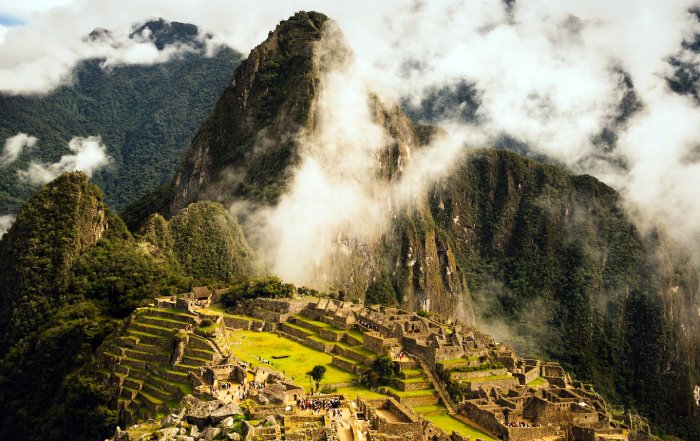
Aconcagua in Argentina, at nearly 7,000 meters, is the highest mountain outside Asia and attracts climbers from across the world. Peru’s Cordillera Blanca and Bolivia’s Cordillera Real are similarly iconic, offering both technical ascents and scenic high-altitude treks. Meanwhile, the Inca Trail leading to Machu Picchu blends physical endurance with cultural immersion, making it one of the most sought-after trekking experiences globally.

Skiing and Snowboarding

Winter adventure has also gained momentum, with ski resorts in Chile (Valle Nevado, Portillo) and Argentina (Las Leñas, Cerro Catedral) providing South America with a competitive position in global ski tourism. These destinations have become favorites for Europeans and North Americans seeking an off-season alternative.

Paragliding and Aerial Sports

The steep cliffs and thermal winds of the Andes provide ideal conditions for paragliding, particularly in Medellín, Colombia, and Lima, Peru. The bird’s-eye views of valleys, urban skylines, and oceanfronts redefine the experience of flight for tourists.

Readers interested in further exploration of sports and high-performance pursuits can find complementary insights on xdzee.com/sports.html and xdzee.com/performance.html.

Patagonia: A Frontier for Extreme Wilderness

Patagonia, stretching across southern Chile and Argentina, has become synonymous with adventure tourism. Its rugged landscapes and unpredictable climate create a testing ground for extreme adventurers.

Glacier Climbing and Ice Trekking

The Perito Moreno Glacier in Argentina and Chile’s Torres del Paine National Park are famous for ice climbing and multi-day glacier trekking expeditions. These experiences combine physical challenge with surreal scenery, attracting thousands of adventurers annually.

The Patagonian Expedition Race

Often described as the “world’s toughest race,” the Patagonian Expedition Race involves teams navigating through glaciers, rivers, forests, and mountains using only maps and compasses. The race has become a global benchmark for endurance and resilience, further cementing Patagonia’s reputation as a top-tier adventure region.

Wildlife and Eco-Adventure

Extreme tourism in Patagonia often blends with eco-tourism. Encounters with condors, guanacos, and even pumas are part of the appeal. Operators increasingly incorporate sustainability practices to ensure the fragile ecosystems remain intact.

For travel enthusiasts, Patagonia’s evolution as a frontier can be explored further at xdzee.com/travel.html and xdzee.com/destination.html.

South America Adventure Tourism Explorer

Discover extreme adventure destinations across the continent

🏔️

Aconcagua Climb

Argentina • 21 days

Scale South America's highest peak at 6,961m. Technical mountaineering with glacier traverses.

EXTREME$4,000
🧊

Patagonia Ice Trek

Chile • 14 days

Glacier climbing and ice trekking in Torres del Paine with crampons and ice axes.

EXTREME$3,500
🥾

Inca Trail Trek

Peru • 7 days

Classic high-altitude trek to Machu Picchu through ancient Incan pathways.

MODERATE$1,200
🪂

Medellín Paragliding

Colombia • 5 days

Soar over Andean valleys with thermal winds and stunning city views.

MODERATE$800
🌊

Amazon Survival

Brazil • 10 days

Multi-day jungle survival training with indigenous techniques and river navigation.

EXTREME$2,200
🏄

Atacama Sandboarding

Chile • 6 days

Desert extreme sports on massive dunes in the world's driest desert.

MODERATE$1,500

Adventure Tourism Market Stats

$450B
Global Market 2024
$350B
S. America Tourism GDP
15%
Peru Adventure Share
7,000km
Andes Mountain Range
💡 Adventure tourism generates high-value visitors spending $4,000+ per expedition compared to $1,000 for standard tours

The Amazon Basin: Extreme Adventures in the World’s Lungs

The Amazon Basin offers a completely different adventure profile compared to the Andes and Patagonia. Here, the emphasis lies on survival, navigation, and endurance in one of the most biodiverse ecosystems on Earth.

River Expeditions

Rafting, kayaking, and speedboat challenges along tributaries of the Amazon River test both skill and stamina. Multi-day journeys require participants to navigate wildlife, dense jungle, and unpredictable weather.

Jungle Survival Training

Companies in Brazil and Peru offer survival courses where travelers learn indigenous techniques to build shelters, identify edible plants, and fish in river systems. These programs cater to both extreme adventure seekers and corporate team-building groups.

Conservation-Oriented Adventure

Increasingly, eco-lodges and responsible tour operators promote a model where extreme adventure also contributes to conservation. Activities such as canopy walks and night safaris combine thrills with environmental education.

Readers can connect these themes with broader cultural and ethical reflections through xdzee.com/culture.html and xdzee.com/ethics.html.

The Atacama Desert: An Extreme Playground

In stark contrast to the jungle, Chile’s Atacama Desert offers one of the driest environments on Earth, making it ideal for endurance adventures.

Sandboarding: Athletes ride down massive dunes near San Pedro de Atacama, combining the thrill of snowboarding with desert heat.

Ultra-Marathons: Events like the Atacama Crossing, part of the 4 Deserts series, push participants to cover more than 250 kilometers in extreme conditions.

Astronomical Expeditions: While not a conventional extreme sport, night expeditions to Atacama’s observatories combine science and adventure under the clearest skies in the world.

The Atacama region underscores South America’s ability to diversify adventure offerings, catering to both physical endurance and intellectual exploration.

Economic Contribution of Extreme Adventure Tourism

Adventure activity tourism generates significant revenue streams across the continent. According to projections from the World Travel & Tourism Council (WTTC), South American tourism accounted for over $350 billion in direct and indirect GDP contributions by 2024, with extreme tourism playing an outsized role in certain markets.

High-Value Visitors

Unlike mass tourism, adventure tourists tend to spend more per capita. Their itineraries often include specialized guides, equipment rentals, multi-day packages, and boutique accommodations. For example, a trekking expedition to Torres del Paine National Park in Chile may cost upwards of $4,000 per person, compared to a standard sightseeing tour priced under $1,000.

Local Job Creation

Extreme adventure tourism supports thousands of jobs, especially in rural or underdeveloped regions where opportunities are limited. From mountain guides in the Andes to eco-lodge staff in the Amazon, locals benefit directly from the tourism economy. Importantly, these roles often include training and certification programs that raise skill levels across communities.

Spillover Effects

Adventure tourists purchase local handicrafts, dine in small-town restaurants, and contribute to transportation services. This spending creates ripple effects that benefit multiple sectors, from agriculture to retail. For instance, the growing popularity of sandboarding and ultra-marathons in the Atacama Desert has revitalized small businesses in San Pedro de Atacama, transforming a remote desert town into an international hub.

For broader insights on how industries evolve through such dynamics, readers can explore xdzee.com/business.html and xdzee.com/jobs.html.

Business Models Shaping the Industry

The extreme adventure tourism sector in South America thrives on diverse business models, ranging from small family-owned operators to multinational corporations.

Local Entrepreneurs and Niche Operators

Many of the most authentic experiences are delivered by small local operators who understand the terrain intimately. These entrepreneurs often rely on community knowledge passed down through generations, offering jungle survival courses, mountain expeditions, or cultural-immersion treks.

Luxury Adventure Providers

As demand grows among affluent travelers, luxury operators have entered the market, offering high-end services such as helicopter-assisted skiing in Chile or five-star eco-lodges in Ecuador’s Amazon region. These packages combine extreme sports with comfort, targeting professionals who want adventure without compromising on amenities.

Corporate Partnerships and Sponsorships

Extreme sports brands such as The North Face, Red Bull, and Patagonia sponsor major adventure races and expeditions across South America. These collaborations bring global visibility and media coverage, boosting the continent’s profile as an extreme destination.

Technology-Driven Platforms

Digital booking systems and mobile apps have revolutionized how tourists access extreme adventures. Platforms like Viator and GetYourGuide now list South American activities alongside European and Asian adventures, leveling the global playing field. In addition, AI-driven safety protocols and GPS-guided tours ensure higher security standards.

For more on innovation and business transformation, readers can visit xdzee.com/innovation.html.

Investment and Infrastructure Development

The expansion of extreme adventure tourism has attracted substantial infrastructure investment.

Air Connectivity: New international routes into hubs such as Santiago, Lima, and Bogotá have shortened travel times for global adventurers.

Road Networks: Countries like Peru and Colombia have improved rural roads leading to trekking and rafting sites, facilitating easier access to remote destinations.

Public-Private Partnerships: Governments often collaborate with private investors to build visitor centers, campsites, and safety infrastructure in national parks.

These investments are not only about tourism but also about boosting national brands. By showcasing well-developed adventure infrastructure, countries position themselves as modern, capable economies.

Sustainability Challenges

While economic growth is undeniable, the extreme adventure tourism boom has created sustainability challenges that require immediate attention.

Environmental Pressures

Overcrowding in sensitive ecosystems is one of the biggest threats. The Inca Trail once faced degradation from excessive foot traffic, leading the Peruvian government to impose daily caps and mandatory guide requirements. Similarly, coral reefs off Brazil’s coast have suffered from diving and boat tourism.

Climate Change

South America is particularly vulnerable to climate shifts. Melting glaciers in Patagonia reduce opportunities for ice climbing, while unpredictable weather patterns disrupt long-distance trekking schedules. Rising river levels in the Amazon also create risks for rafting and survival tours.

Cultural Integrity

Adventure tourism risks commodifying indigenous traditions. While cultural immersion can empower communities, poorly managed tourism can reduce sacred practices to mere performance, eroding authenticity.

Readers interested in the broader ethical implications can visit xdzee.com/ethics.html and xdzee.com/culture.html.

Sustainable Tourism Models Emerging in South America

Fortunately, innovative models are being implemented to ensure long-term sustainability.

Eco-Certification Programs

Organizations like the Adventure Travel Trade Association (ATTA) promote responsible tourism standards. Operators in Peru, Chile, and Colombia increasingly adopt certifications that require low-impact practices, waste management, and carbon offsetting.

Community-Based Tourism

In Bolivia and Ecuador, indigenous communities have developed their own adventure products, such as jungle treks and high-altitude hikes. These initiatives ensure profits stay within the community while preserving cultural integrity.

Carbon-Neutral Expeditions

Several adventure operators now offer carbon-neutral packages, where emissions from flights, accommodation, and transport are offset by reforestation or renewable energy projects. Chile’s Torres del Paine National Park is a leader in promoting this model.

For readers looking to connect sustainability with innovation, xdzee.com/safety.html and xdzee.com/innovation.html highlight how responsible practices are reshaping industries globally.

South America’s Global Positioning in Adventure Tourism

By 2025, South America is competing directly with global leaders such as New Zealand, Nepal, and Switzerland. Its comparative advantage lies in the variety of landscapes and affordability relative to Western Europe and North America.

New Zealand is famous for adventure infrastructure, but it cannot match the scale of the Andes.

Nepal has Everest, but South America offers dozens of high peaks and diverse ecosystems in a single continent.

Switzerland provides luxury alpine tourism, yet South America combines both rugged and luxury options at a more competitive price.

International campaigns, often funded by government agencies like ProChile and PromPerú, market South America as both safe and innovative. Digital marketing strategies highlight not just landscapes but also cultural experiences, sustainability credentials, and world-class safety standards.

For readers seeking the global context, xdzee.com/world.html and xdzee.com/news.html provide broader analyses of international positioning.

Case Studies of Emerging Leaders

Chile

Chile’s adventure tourism economy thrives on its diversity, from the Atacama Desert in the north to Patagonia in the south. The country has invested heavily in sustainability and safety, making it a model for others.

Peru

Peru continues to leverage the global appeal of Machu Picchu, but it is diversifying into whitewater rafting, paragliding, and Amazon survival tours. Adventure tourism now accounts for nearly 15% of Peru’s total tourism revenues.

Colombia

Once overlooked due to safety concerns, Colombia has reinvented itself as a paragliding, rafting, and trekking destination. Cities like Medellín are now synonymous with innovation and transformation.

Brazil

Brazil integrates extreme sports with cultural vibrancy. From surfing in Florianópolis to jungle adventures in Manaus, the country positions itself as both adrenaline-filled and lifestyle-rich.

Technology’s Impact on Extreme Adventure

Wearable Devices and Performance Tracking

Adventurers are increasingly using wearable devices such as Garmin, Suunto, and Apple Watch Ultra to track altitude, heart rate, hydration levels, and route navigation. These tools provide real-time data, improving safety and enhancing performance analysis. In South America, tour operators are integrating such technology into guided expeditions, offering clients detailed post-trip reports.

Virtual and Augmented Reality

Virtual reality (VR) and augmented reality (AR) platforms are transforming how travelers preview and relive their adventures. For instance, a trekker planning a trip to Torres del Paine can use VR to experience the trail beforehand, reducing uncertainty and boosting excitement. AR-enhanced tours in the Amazon provide real-time overlays identifying flora, fauna, and cultural landmarks.

Artificial Intelligence in Safety and Planning

AI-driven platforms are being deployed for route planning, weather predictions, and emergency response. Apps powered by AI can alert guides about potential landslides, storms, or medical risks based on health metrics. This is particularly vital in unpredictable environments like the Andes or Amazon Basin.

For readers exploring how technology reshapes industries, xdzee.com/innovation.html and xdzee.com/safety.html provide additional insights.

The Changing Demographics of Adventure Travelers

Millennials and Gen Z

These generations continue to dominate adventure travel, motivated by personal growth, fitness, and social media storytelling. Their willingness to share experiences online makes them both consumers and influencers, amplifying South America’s global visibility.

Women in Extreme Adventure

The participation of women in extreme adventure has surged. South America is witnessing the rise of women-led expeditions, mountaineering groups, and surf communities. This demographic shift not only diversifies the market but also fosters inclusivity in a space once dominated by male travelers.

Seniors and “Silver Adventurers”

As global lifespans increase and health awareness improves, older travelers are entering the adventure market. Many seek “soft extreme” options — such as guided treks, kayaking, or paragliding — tailored to physical capacity but still offering thrill and cultural immersion.

Readers can connect these lifestyle shifts with broader trends on xdzee.com/lifestyle.html and xdzee.com/performance.html.

Storytelling and Digital Marketing

The future of extreme adventure tourism is inseparable from the digital narratives that travelers share. Platforms such as YouTube, Instagram Reels, and TikTok amplify experiences, transforming them into aspirational content for millions worldwide.

Adventure Influencers

South American destinations now collaborate with adventure influencers who document activities ranging from kitesurfing in Brazil to ultramarathons in the Atacama Desert. Their videos often spark international interest, bringing in tourists who might not have considered South America otherwise.

Immersive Content

Adventure companies are investing in professional-grade media production. Drones capture sweeping shots of climbers scaling Aconcagua, while 360-degree cameras document kayaking expeditions through the Amazon. This high-quality content doubles as both marketing and customer mementos.

For further analysis on the business of media and branding, readers can explore xdzee.com/brands.html and xdzee.com/news.html.

Government Strategies and Regional Cooperation

Governments across South America are increasingly recognizing adventure tourism as a strategic economic sector.

Investment in Infrastructure

Countries are expanding airports, improving rural road networks, and upgrading national park facilities. These investments enhance both safety and accessibility, making extreme destinations attractive to a broader international audience.

Policy Harmonization

Efforts are underway to create regional policies that streamline visa processes, adventure safety standards, and insurance frameworks. For example, Chile, Argentina, and Brazil are exploring shared guidelines for mountain rescue operations and eco-certifications.

Promotion and Branding

National tourism boards such as PromPerú, ProChile, and Embratur (Brazil) are investing heavily in digital campaigns. They position their countries not only as natural adventure hubs but also as safe, sustainable, and innovation-driven destinations.

For global perspectives on these strategies, readers can refer to xdzee.com/world.html and xdzee.com/destination.html.

Adventure Tourism and Employment of the Future

The growth of adventure tourism creates not just seasonal or low-wage jobs but new career pathways.

Adventure Guides: Certification programs in mountaineering, diving, and survival ensure local guides meet international standards.

Eco-Lodge Managers: As sustainability becomes central, management roles in eco-lodges require expertise in hospitality and environmental science.

Adventure Technology Specialists: With AI, drones, and VR integrated into tourism, technical roles are increasingly in demand.

Brand Collaborators: Partnerships between adventure companies and global brands open careers in marketing, sponsorship management, and event planning.

Readers can explore how evolving job markets intersect with adventure through xdzee.com/jobs.html.

Safety, Regulation, and Risk Management

Extreme adventure inherently carries risks, but the future will see higher professionalization in safety standards.

International Certifications

Operators increasingly align with UIAA (International Climbing and Mountaineering Federation) and PADI (Professional Association of Diving Instructors) standards. These certifications reassure international visitors about safety protocols.

Insurance Evolution

Specialized adventure insurance products are being developed, covering activities such as high-altitude climbing, paragliding, or desert ultramarathons. Insurers are partnering with South American operators to build trust with global travelers.

Digital Safety Platforms

Apps and wearable devices now provide direct connections to emergency services. Satellite-based communication ensures that even in remote regions like Patagonia or the Amazon, help is only a click away.

For further exploration of these intersections, readers can check xdzee.com/safety.html.

South America in 2030: A Vision for the Future

Looking ahead, South America’s extreme adventure activity tourism is set to evolve into a more technology-enabled, inclusive, and sustainable industry. Several trends stand out:

Adventure as Lifestyle Integration: Extreme activities will not just be holidays but integrated into longer lifestyle journeys, such as digital nomads combining remote work with trekking expeditions.

Eco-Conscious Leadership: South America will market itself as a leader in sustainable adventure tourism, setting global examples in carbon neutrality and conservation-based experiences.

Hybrid Events: Adventure races will integrate both in-person and virtual components, allowing global participants to engage through VR or digital tracking.

Smart Destinations: National parks and adventure hubs will adopt IoT (Internet of Things) technologies for visitor management, ensuring safety and reducing environmental impact.

Cross-Continental Branding: By 2030, South America will not only compete but collaborate with regions like Africa and Asia, creating transcontinental adventure routes marketed under shared themes.

For business readers interested in long-term positioning, xdzee.com/business.html and xdzee.com/innovation.html highlight strategies relevant to South America’s future role.

Adventure Beyond Limits

The story of extreme adventure activity tourism in South America is one of transformation, resilience, and foresight. From mountaineering on the Andes to endurance racing in Patagonia, from jungle survival in the Amazon to ultramarathons across the Atacama Desert, the continent has evolved from a niche player into a global powerhouse.

Its economic value, sustainability initiatives, and technological innovations make it not only a destination for adrenaline seekers but also a case study in how industries evolve. As we look toward 2030, South America will continue to set the standard for experience-driven travel, balancing the thrill of adventure with the responsibility of stewardship.

For readers of xdzee.com/adventure.html, xdzee.com/sports.html, and xdzee.com/travel.html, this series highlights not just where South America has come from, but where it is heading — a continent where business, culture, and adventure converge, promising limitless possibilities for those daring enough to embrace them.

The Best Luxury Travel Activity Experiences in Asia

Last updated by Editorial team at xdzee.com on Wednesday 17 September 2025
The Best Luxury Travel Activity Experiences in Asia

Luxury travel in Asia has transformed dramatically over the past two decades, and it continues to set global benchmarks in exclusivity, innovation, and cultural immersion. Travelers with discerning tastes are no longer satisfied with just five-star hotels or premium flights. Instead, they seek authentic experiences that combine opulence with meaning, from private temple tours and wellness retreats rooted in ancient traditions to exclusive adventure holidays that blend adrenaline with comfort.

For readers of xdzee.com, which highlights global perspectives on sports, adventure, travel, and business, this exploration of Asia’s best luxury travel activity experiences underscores the region’s role in shaping how affluent explorers engage with the world. It is also a vital reminder of how luxury tourism fuels jobs, innovation, and cultural exchange, connecting lifestyle with global markets.

🏝️ Discover Your Perfect Asian Luxury Experience

1of6

The Rise of Experiential Luxury Travel in Asia

Luxury in Asia is increasingly defined by experiences rather than possessions. Today’s wealthy travelers prioritize immersive journeys, whether that means meditating with monks in Bhutan, sailing through Indonesia’s pristine Raja Ampat islands, or savoring a private omakase dinner with a master chef in Tokyo.

This experiential trend has been fueled by infrastructure growth across Asia, from private jet terminals to luxury rail services. The region’s celebrated hospitality brands—such as Aman Resorts, Six Senses, and Mandarin Oriental—have elevated standards worldwide. At the same time, the fusion of cultural authenticity with modern indulgence makes Asia’s offerings impossible to replicate elsewhere.

For insights into how these trends shape business, visit xdzee.com/business.html.

Luxury Wellness Retreats: Ancient Traditions Meet Modern Science

Wellness is one of the fastest-growing pillars of luxury tourism in Asia. Affluent travelers arrive seeking balance, restoration, and longevity, and Asia’s deep spiritual traditions offer the perfect foundation.

In India, Ananda in the Himalayas remains a global leader. Guests immerse themselves in yoga, Ayurveda, and meditation programs guided by experts, surrounded by the serene Himalayan landscape.

In Thailand, Chiva-Som continues to attract celebrities and entrepreneurs to its wellness haven in Hua Hin, blending Thai healing rituals with cutting-edge nutrition and detox therapies.

Japan redefines wellness through onsen culture, with resorts such as Hoshinoya Kyoto and Amanemu in Ise-Shima offering tranquil thermal baths and Zen-inspired architecture.

These retreats exemplify the convergence of ancient wisdom with modern science, a concept echoed in lifestyle trends on xdzee.com/lifestyle.html.

Gastronomic Journeys: Culinary Luxury Across Asia

Asia has emerged as a gourmet playground for the world’s most discerning travelers. Culinary experiences now extend beyond fine dining to include immersive journeys led by top chefs.

In Tokyo, travelers secure rare invitations to omakase sushi experiences with masters whose restaurants have only a handful of seats. Singapore dazzles with Michelin-starred venues like Odette, while Bangkok’s Gaggan Anand reinvents Asian dining through molecular gastronomy. Private culinary tours often include visits to hidden street-food stalls and farm-to-table experiences in rural regions.

China is also expanding luxury gastronomy through vineyard tours in Ningxia and bespoke tea ceremonies in Hangzhou. These experiences highlight the depth of Asia’s cultural heritage and its role in global food innovation. Readers can explore more cultural insights at xdzee.com/culture.html.

Adventure in Comfort: Redefining Luxury Expeditions

Affluent travelers increasingly demand adventure without compromising comfort. Asia’s landscapes provide the ideal backdrop for such exclusive expeditions.

In Nepal, private helicopter transfers to Mount Everest base camp are combined with luxury lodges along trekking routes. Bhutan’s Amankora lodges offer access to sacred monasteries, curated hikes, and cultural immersion with unmatched exclusivity.

For marine adventures, Indonesia’s Raja Ampat delivers extraordinary diving opportunities through private yachts equipped with gourmet dining and expert dive guides. Similarly, the Maldives has introduced private submarine expeditions, allowing guests to descend into pristine marine ecosystems in privacy.

Adventure and performance-driven luxury connect closely with themes covered at xdzee.com/sports.html and xdzee.com/performance.html.

Cultural Immersion Through Exclusivity

Asia’s cultural depth makes it a prime destination for exclusive immersion experiences.

In Cambodia, private sunrise tours of Angkor Wat with archaeologists offer behind-the-scenes access to temple ruins. India provides royal heritage stays, such as private palace dinners in Rajasthan through the Taj Palace Collection. Vietnam offers private cooking classes with celebrated chefs in Hanoi, paired with curated explorations of UNESCO heritage towns like Hoi An.

Such experiences create cultural connections that extend beyond travel, enhancing global appreciation for Asia’s traditions.

Exclusive Urban Luxury

Asia’s megacities have become hubs of urban luxury, combining modern sophistication with world-class hospitality.

Tokyo’s Aman Tokyo offers helicopter tours over Mount Fuji paired with luxury suites overlooking the skyline. Singapore’s Marina Bay Sands provides infinity pool exclusivity and curated city tours. Hong Kong dazzles with Ritz-Carlton Hong Kong suites, yacht charters through Victoria Harbour, and private art showings. Shanghai complements this with private culinary journeys and luxury shopping experiences.

These urban indulgences appeal to business travelers seeking to merge work and leisure, a theme often featured at xdzee.com/news.html.

Island Escapes: Asia’s Exclusive Paradises

Asia’s island escapes rank among the finest worldwide.

In the Maldives, Soneva Jani and The St. Regis Maldives Vommuli Resort set the standard with overwater villas, underwater dining, and holistic wellness programs.

In Indonesia, Nihi Sumba offers horseback riding on deserted beaches, exclusive surfing spots, and immersive cultural experiences.

Thailand’s Four Seasons Koh Samui blends seclusion with culinary and wellness luxury, while Phuket’s Trisara curates intimate island experiences.

For readers who prioritize destinations, xdzee.com/destination.html and xdzee.com/travel.html offer more travel inspiration.

Bhutan: High-Value, Low-Impact Luxury

Bhutan redefines exclusivity by regulating tourism under strict sustainability guidelines. Luxury travelers staying at Amankora lodges participate in cultural rituals, such as private blessings by monks, while enjoying treks through remote valleys. Bhutan’s model demonstrates that ethical travel can coexist with exclusivity, an idea echoed in xdzee.com/ethics.html.

China: Heritage Meets Futuristic Luxury

China combines ancient heritage with modern opulence. Exclusive helicopter tours over the Great Wall or private archaeological experiences at the Terracotta Army in Xi’an provide once-in-a-lifetime opportunities. Meanwhile, Shanghai and Beijing offer penthouse stays, private shopping tours, and curated culinary programs.

China also highlights its culinary heritage through luxury tea ceremonies and vineyard tours, blending culture with innovation.

Singapore, South Korea, and Emerging Luxury Leaders

Singapore epitomizes urban luxury through Michelin-starred dining, yacht charters, and iconic hotels such as Raffles Singapore. South Korea blends K-culture with exclusivity, offering private K-pop experiences, personalized beauty consultations, and luxury ski chalets in PyeongChang.

Emerging destinations like Vietnam, Malaysia, and the Philippines are also shaping Asia’s luxury map, with offerings that focus on island exclusivity, eco-lodges, and heritage immersion.

Sustainability and Ethical Luxury Travel

In 2025, sustainability has become central to luxury travel. Resorts like Six Senses integrate eco-practices such as plastic bans and coral reef rehabilitation. The Maldives and Bhutan lead in aligning exclusivity with responsibility, ensuring the future of luxury remains sustainable.

Travelers increasingly seek brands that align with their values, making ethics a central part of Asia’s luxury narrative. For further reading, visit xdzee.com/innovation.html and xdzee.com/safety.html.

Conclusion

Asia has established itself as the ultimate luxury playground, blending cultural authenticity, wellness, adventure, and sustainability. From Himalayan retreats at Ananda in the Himalayas to the overwater sanctuaries of Soneva Jani, the royal grandeur of Taj Palaces, and the island exclusivity of Nihi Sumba, luxury travel in Asia is unmatched in scope and creativity.

For readers of xdzee.com, these experiences highlight how Asia has become the global leader in redefining luxury travel in 2025. Whether it is cultural immersion in Cambodia, heli-skiing in Japan, or yacht charters in Indonesia, the region offers transformative journeys for the world’s most affluent explorers.

Top 20 Countries Emerging as New Sports Markets

Last updated by Editorial team at xdzee.com on Wednesday 17 September 2025
Top 20 Countries Emerging as New Sports Markets

The global sports industry continues to expand beyond its traditional powerhouses, with new countries rapidly emerging as major markets for fans, athletes, sponsors, and media networks. These developments are reshaping not only the way sports are consumed but also how businesses and investors approach opportunities in this multi-billion-dollar industry. Nations across Asia, Africa, Europe, South America, and North America are making significant investments in infrastructure, media rights, grassroots programs, and talent development, which is transforming their position in global sports rankings. For xdzee.com, this analysis presents a comprehensive exploration of the top 20 countries that are redefining the sports landscape and creating new avenues for growth in business, culture, and global influence.

Sports remain deeply tied to cultural identity, community pride, and economic development. As consumer expectations evolve and technological advancements redefine engagement, nations once considered secondary or peripheral to the sports economy are emerging as formidable players. The shift is not only about stadium attendance but also about digital streaming, sponsorship deals, cross-border competitions, and the global appetite for adventure and lifestyle experiences tied to sport. This article explores how these emerging markets are reshaping the future, while offering insights for stakeholders interested in business, branding, and strategic expansion in international arenas.

The Global Shift in Sports Markets

Over the past decade, the global sports economy has seen steady growth, with estimates valuing it at over $600 billion. Much of this growth is no longer dominated exclusively by traditional markets like the United States, the United Kingdom, or Australia. Instead, rising economies and strategically ambitious nations are investing heavily in facilities, media rights, and athlete development to increase their market share.

Streaming services, social media platforms, and global tournaments have allowed nations to leapfrog traditional barriers, connecting local sports directly to worldwide audiences. Partnerships with international organizations such as the International Olympic Committee, FIFA, and the National Basketball Association have provided many of these countries with the credibility and visibility to compete on equal footing with long-established markets. At the same time, the International Paralympic Committee has pushed accessibility and inclusion, broadening the scope of participation and creating new waves of fan engagement.

From Japan’s investment in esports and baseball expansion to Brazil’s dominance in football talent exports, each country on this list demonstrates how economic growth, cultural enthusiasm, and global connectivity converge to position them as rising sports powerhouses.

For readers interested in deepening their understanding of global business trends, more insights can be found at xdzee business, where the intersections between markets and culture are regularly analyzed.

United States: Reinforcing Leadership While Facing Global Competition

Although the United States is already a dominant force, its sports market is entering a new phase of globalization and competition. American sports leagues such as the NFL, NBA, and Major League Baseball (MLB) are expanding aggressively into international territories, staging games in London, Mexico City, and Asia. The NBA’s Basketball Africa League has helped connect the U.S. with new audiences across Africa, while the NFL International Series has cemented American football’s footprint in Europe.

Streaming partnerships with platforms like ESPN, NBC Sports, and global services such as DAZN have expanded viewership beyond U.S. borders. Furthermore, the United States hosting the 2026 FIFA World Cup alongside Mexico and Canada will further consolidate its reputation as a hub for major global events. At the same time, competition from rising nations challenges the U.S. to innovate, particularly in fields such as esports, women’s sports, and sustainability practices.

For lifestyle and cultural impacts linked to American sports, readers can explore xdzee lifestyle, which showcases how sports influence trends, fashion, and everyday culture worldwide.

United Kingdom: Heritage Meets Modern Expansion

The United Kingdom continues to be one of the most influential sports markets, with global institutions such as the Premier League, Wimbledon, and The Open Championship driving international prestige. The Premier League remains the most watched football competition worldwide, attracting billions of viewers and billions in broadcasting rights. The London Marathon and Six Nations Rugby Championship highlight the UK’s broad sporting appeal across endurance, rugby, and athletics.

The UK is also embracing sports innovation through investments in technology, sustainability, and fan engagement. British universities and startups are at the forefront of applying AI and data analytics to performance optimization, while also experimenting with augmented reality fan experiences. Organizations such as the BBC Sport and Sky Sports provide extensive global reach, allowing British sports to penetrate deeply into both European and Asian markets.

Readers who want to follow ongoing global news stories shaping the UK and beyond can visit xdzee news.

Germany: Precision and Power in Sports Development

Germany represents one of Europe’s most stable and fast-growing sports economies. Known globally for its football dominance through the Bundesliga and powerhouse clubs like Bayern Munich and Borussia Dortmund, the country has diversified into motorsports, basketball, and handball. The Bundesliga’s innovative ownership model (the 50+1 rule) has kept fan engagement high, while strong sponsorship deals with brands such as Adidas, Puma, and Mercedes-Benz highlight the close connection between sports and business.

Germany is also preparing to host major international events, including the UEFA Euro 2024, which will showcase its infrastructure and global appeal. The nation is investing in esports, making it one of the leading hubs in Europe. Furthermore, German companies are pioneers in sustainable stadium design, with venues such as the Allianz Arena setting international benchmarks.

For deeper coverage on brands driving the sports industry in Germany and globally, visit xdzee brands.

Canada: Hockey’s Kingdom Expands into Global Sports

Canada remains synonymous with ice hockey, with the NHL and global events like the Winter Olympics cementing its status as the sport’s global capital. Yet, in recent years, Canada has expanded beyond hockey into basketball, football (soccer), and baseball. The success of the Toronto Raptors in the NBA and Canada’s growing representation in Major League Soccer highlight how Canadian sports influence is diversifying.

The co-hosting of the 2026 FIFA World Cup will be transformative, boosting soccer infrastructure and grassroots participation. Canadian universities and sports organizations are also leaders in sports science research, advancing performance analytics and athlete wellness. Meanwhile, Canada’s strong multicultural base makes it a critical hub for global sports sponsorship and fan engagement across diverse communities.

Those passionate about sports performance analytics can explore further insights at xdzee performance.

Australia: Blending Tradition with Global Expansion

Australia has long been recognized for its strong sporting culture, from cricket and rugby to tennis and swimming. The Australian Open, part of tennis’s Grand Slam, remains one of the most prestigious global tournaments. Meanwhile, cricket leagues like the Big Bash League and rugby competitions continue to attract both local and international audiences.

Australia is increasingly positioning itself as a sports innovation hub, investing in high-tech performance centers, sustainable venue designs, and sports tourism. The nation’s geographic location makes it a gateway for global competitions in the Asia-Pacific region. With Brisbane hosting the 2032 Olympic Games, Australia’s sports market is expected to grow exponentially over the coming decade.

For readers interested in sports and adventure destinations, xdzee adventure provides detailed features on Australia’s sporting culture and beyond.

🌍 Global Sports Powerhouse Explorer

France: Tradition and Global Spectacle

France has a long tradition of blending elegance and competitive spirit in sport, with global icons such as the Tour de France, Roland-Garros, and football giants Paris Saint-Germain (PSG) making the nation a hub of athletic culture. The successful hosting of the 2024 Paris Olympics underscored France’s capability to manage large-scale international events while promoting sustainability and inclusivity in sports. Football remains the centerpiece of French sports culture, with Ligue 1 clubs producing and attracting global superstars, while rugby, basketball, and cycling hold equally important positions.

France’s focus on integrating sports into urban life, coupled with its leadership in sports fashion brands like Nike France and Lacoste, has further amplified its global reach. The French government continues to support grassroots programs and talent development initiatives, ensuring a steady pipeline of athletes for international competitions. More about how sports influence cultural identity can be found at xdzee culture.

Italy: A Legacy Market with Renewed Growth

Italy represents a blend of rich sporting legacy and modern revival. Football remains the heartbeat of Italian sport, with Serie A clubs such as Juventus, AC Milan, and Inter Milan continuing to be global brands. The success of the Italian national team in the UEFA Euro 2020 championship reinvigorated national enthusiasm. Beyond football, Italy’s cycling events like the Giro d’Italia, and motorsports through Ferrari’s Formula 1 dominance, ensure international recognition.

Italy’s sports economy benefits from a combination of historic venues, passionate fan bases, and luxury lifestyle integration. Italian regions are also developing niche adventure sports like skiing in the Dolomites and sailing along the Mediterranean, bridging sports with tourism. For those interested in how sporting destinations connect to lifestyle experiences, see xdzee destination.

Spain: Football Powerhouse and Tourism Integration

Spain is an undisputed global leader in football, with La Liga home to iconic clubs such as Real Madrid and FC Barcelona. These institutions not only dominate European competitions but also serve as cultural exports, influencing everything from merchandise to digital fan engagement worldwide. Beyond football, Spain is growing in basketball through the ACB League, tennis through legends like Rafael Nadal, and motorsports with MotoGP.

Tourism and sport are deeply connected in Spain, with millions of visitors traveling for football matches, tennis tournaments, and adventure sports in the Canary Islands and Pyrenees. Spain is also focusing on esports, positioning itself as a European hub for competitive gaming. Sports as a driver of travel and business growth are further explored at xdzee travel.

Netherlands: Innovation in Sports and Beyond

The Netherlands continues to excel in football, cycling, and speed skating, but its strength lies in innovation. Dutch cities such as Amsterdam and Eindhoven are investing in sports technology, smart stadiums, and athlete data analytics. Clubs like Ajax Amsterdam are renowned for their youth academies, which consistently produce world-class football talent.

The Netherlands is also a leader in water sports and adventure activities, thanks to its geography and strong infrastructure. Dutch universities and research centers contribute significantly to sports science, helping improve performance and athlete recovery. For a closer look at how innovation is transforming the sports industry globally, visit xdzee innovation.

Switzerland: Precision, Neutrality, and Global Governance

Switzerland may not have the population size of other leading sports nations, but it is one of the most influential globally. The country hosts the headquarters of organizations like the International Olympic Committee and FIFA, making it central to governance and regulation. Winter sports dominate its domestic scene, with skiing and ice hockey thriving in alpine regions, attracting international athletes and tourists alike.

Swiss precision and neutrality have also positioned the country as a hub for international sports arbitration, finance, and event hosting. The Lausanne-based Court of Arbitration for Sport continues to influence global disputes and regulations. For those interested in the ethical frameworks and governance shaping global sports, xdzee ethics offers valuable insights.

China: A Strategic Global Player

China has invested billions in sports infrastructure, athlete development, and international partnerships. Basketball, football, table tennis, and badminton remain national favorites, with the Chinese Basketball Association expanding its influence under partnerships with the NBA. China’s focus on esports has also propelled it into the global spotlight, with Chinese teams dominating tournaments and attracting huge digital audiences.

The country continues to leverage sports for soft power, as demonstrated by its hosting of the 2022 Beijing Winter Olympics. Chinese companies such as Tencent and Alibaba are deeply embedded in sports media and sponsorship, giving the country a powerful edge in shaping the future of digital sports consumption. Broader international business coverage tied to Chinese markets can be found at xdzee world.

Sweden: A Rising Hub for Talent and Innovation

Sweden punches above its weight in sports influence, with strengths in football, ice hockey, handball, and tennis. Clubs like Malmö FF and global stars such as Zlatan Ibrahimović have elevated Swedish football internationally. Sweden is also investing in sustainability in sports venues, aligning with its national environmental goals.

The country is home to successful tech-driven sports platforms, particularly in esports and streaming, which strengthen its position as a digital leader. Moreover, Swedish companies like IKEA and H&M use sports sponsorship to reinforce brand visibility globally.

Norway: Adventure Sports and Winter Dominance

Norway is globally recognized for its dominance in winter sports, particularly skiing and biathlon, consistently leading the Winter Olympics medal tables. The nation has embraced sports tourism, with fjords and mountains providing ideal environments for adventure sports like climbing, kayaking, and extreme skiing.

Norway is also investing in professional football, with clubs gaining international recognition and young players moving to elite European leagues. The country’s approach to grassroots development and equality in sports is often cited as a global model. For readers interested in safety standards and sports adventure practices, xdzee safety provides further resources.

Singapore: A Gateway to Asian Sports Business

Singapore has strategically positioned itself as a hub for international sports business and events. Hosting the Formula 1 Singapore Grand Prix has given it one of the most iconic urban races in the world. Its investments in esports, football academies, and high-performance training centers reinforce its ambition to become Asia’s sports business capital.

The city-state’s strength lies in combining financial expertise with event hosting, making it an attractive destination for global sports conferences and sponsorship deals. With its multicultural population, Singapore also embraces a wide range of sporting activities, creating a diverse and inclusive sports ecosystem.

Denmark: Small Nation, Big Sports Presence

Denmark consistently demonstrates how smaller nations can thrive globally in sports. Its national football team remains highly competitive, while Danish athletes excel in cycling, badminton, and handball. Denmark’s focus on youth training, equality in sports, and investment in women’s leagues highlight its progressive approach.

The country is also a leader in green stadium development, reflecting its broader sustainability goals. As part of Scandinavia, Denmark collaborates with its neighbors to strengthen its regional sports presence.

South Korea: Esports and Global Pop Culture Integration

South Korea has revolutionized the global perception of sports by elevating esports to mainstream status. Titles like League of Legends and StarCraft II are national obsessions, with Korean teams dominating global tournaments. South Korea is also strong in traditional sports such as archery, taekwondo, and baseball, exporting players to Major League Baseball in the U.S.

The integration of sports with K-pop and entertainment has amplified South Korea’s cultural exports, making it a unique global player. The country continues to invest in smart stadiums and high-speed connectivity to support fan engagement.

Japan: Tradition Meets High-Tech Expansion

Japan remains a global sports powerhouse, with baseball, football, and martial arts deeply rooted in its culture. Hosting the Tokyo 2020 Olympics (delayed to 2021) and its legacy of organization and technological integration continue to shape its global image. Japan is also a leader in robotics and AI integration in sports, from training simulations to automated refereeing systems.

Esports are also booming in Japan, supported by government recognition and corporate sponsorships. Japanese companies such as Sony and Nintendo continue to influence the intersection of technology, gaming, and sports.

Thailand: A Center for Combat Sports and Tourism

Thailand is synonymous with Muay Thai, a combat sport that has gained international popularity and recognition. The country is also expanding into football, with its domestic league attracting foreign investment and international talent. Adventure sports tourism is another growth area, with Thailand’s beaches and mountains serving as hotspots for diving, climbing, and extreme sports.

Thailand’s combination of cultural heritage and tourism makes it a unique destination for international sports enthusiasts.

Finland: Pioneering in Ice Sports and Equality

Finland is celebrated for ice hockey, with its national team competing at the highest level internationally. The country also excels in motorsports, producing Formula 1 legends like Kimi Räikkönen. Finland’s approach to gender equality in sports has gained international recognition, ensuring opportunities for women athletes across disciplines.

The nation’s emphasis on community participation and grassroots development has made sports a unifying element in Finnish culture.

South Africa: Africa’s Sporting Giant

South Africa is Africa’s leading sports nation, with rugby, cricket, and football at the core of its culture. The victory of the Springboks in the 2019 Rugby World Cup reinforced the nation’s global status. South Africa continues to attract international events, including the Cape Town Sevens and cricket tours, while investing in athletics and adventure sports tourism.

The country faces challenges in infrastructure and inequality, yet it remains one of the most influential sports markets in the Global South.

Brazil: Exporting Talent and Expanding Markets

Brazil remains one of the world’s most passionate sporting nations, known globally for football and producing legendary players such as Pelé, Ronaldinho, and Neymar. The Brasileirão league continues to grow, and Brazil’s hosting of the 2014 FIFA World Cup and 2016 Rio Olympics left behind both opportunities and challenges.

Beyond football, Brazil is investing in volleyball, basketball, and esports, while its beaches remain iconic for surfing and beach volleyball. Brazil is also a key exporter of football talent, with players populating leagues across Europe and Asia.

Malaysia: Southeast Asia’s Emerging Hub

Malaysia is building momentum as a sports destination, particularly in badminton, motorsports, and football. The Sepang International Circuit, host of Formula 1 and MotoGP races, has put Malaysia on the global motorsports map. The country’s government continues to invest in grassroots programs to promote health and participation in sports.

Malaysia’s central location in Southeast Asia makes it a valuable hub for regional competitions and events.

New Zealand: Adventure and Rugby Excellence

New Zealand is world-renowned for rugby, with the All Blacks being one of the most iconic teams in sports history. The nation also thrives in cricket, sailing, and adventure sports, attracting global visitors to its mountains, rivers, and coastlines.

Adventure tourism and sports are intertwined in New Zealand, making it a leader in extreme activities like bungee jumping, skydiving, and white-water rafting. Readers seeking adventure sports coverage can explore xdzee sports, which highlights global markets like New Zealand’s growing influence.

Conclusion: The New Map of Global Sports

The rise of these 20 nations underscores the transformation of global sports into a dynamic and interconnected ecosystem. From the United States’ dominance and China’s digital expansion, to Norway’s winter sports leadership and Brazil’s unmatched football culture, the sports industry is evolving faster than ever. Business opportunities abound for investors, brands, and media companies that understand the unique cultural, technological, and economic forces shaping these markets.

For readers of xdzee.com, the stories of these emerging sports markets demonstrate not only where athletic competition thrives, but also how sports serve as catalysts for business growth, cultural exchange, and global adventure.

Australian Football League: Key Teams that Shaped the Game

Last updated by Editorial team at xdzee.com on Wednesday 17 September 2025
Australian Football League Key Teams that Shaped the Game

Australian Rules Football, known locally as “footy,” has become one of the defining cultural and sporting identities of Australia. Overseen by the Australian Football League (AFL), the competition has grown from humble beginnings in Melbourne in the mid-19th century to a professional league that now attracts global attention. With fans across the United States, United Kingdom, Europe, and expanding reach in Asia, the AFL is no longer just a domestic competition but a sport that symbolizes resilience, community, and innovation in sports management. For the audience of xdzee.com, with its interest in sports, adventure, travel, and global business dimensions, the AFL offers an instructive case of how teams, traditions, and markets intersect to shape a dynamic industry.

The AFL is not only about players on the field but also about the institutions that have defined its growth. Certain teams have gone beyond sporting success to influence culture, economics, branding, and even international expansion. From the powerhouse clubs in Melbourne that laid the foundations, to modern franchises that brought fresh markets and fanbases, the key AFL teams embody the evolution of a game that continues to redefine Australian identity in 2025.

The Origins of the Game and the Birth of Clubs

Australian Rules Football was codified in 1859, making it one of the oldest football codes in the world. It was initially played in the parks of Melbourne, with Melbourne Football Club being the first organized club. The sport quickly spread through the colony, and by the late 19th century, several teams had emerged, each representing local communities with a fierce sense of identity.

The establishment of the Victorian Football League (VFL) in 1896 created a formal competition that would later evolve into the AFL. The early clubs were not just sports organizations but also community institutions, giving working-class Australians a sense of pride and unity. In this sense, the AFL has always been more than a game—it has been a social fabric tying together diverse regions of Australia.

Melbourne Football Club: The Pioneers

The Melbourne Demons, founded in 1858, hold the distinction of being the oldest professional football club in the world. As one of the founding clubs of the VFL, Melbourne played a crucial role in codifying the rules and establishing traditions that continue today. Known for their red and blue colors, the Demons have endured highs and lows but remain symbolic of the game’s history.

Their 2021 premiership after a 57-year drought was a defining moment for both the club and the AFL, showing how history and resilience intertwine in sports narratives. Melbourne’s influence extends into shaping youth development programs, promoting grassroots engagement, and building ties with international fans through digital platforms. The Demons demonstrate how legacy clubs can adapt to the modern demands of global sports.

Collingwood Football Club: The People’s Team

Few teams in Australian sport carry as much cultural significance as Collingwood Football Club. Known as the Magpies, Collingwood was established in 1892 in a working-class suburb of Melbourne. The team quickly became synonymous with grit, determination, and the identity of ordinary Australians. Their black and white stripes are iconic in Australian sport, instantly recognizable both within and outside the country.

Collingwood boasts one of the largest supporter bases in the AFL, regularly attracting massive crowds to the Melbourne Cricket Ground (MCG). Beyond their on-field performance, the Magpies have been pioneers in commercial growth, building sponsorship deals, community programs, and strong links with media. Their rivalry with Carlton remains one of the fiercest in Australian sport, illustrating how historic matchups can sustain long-term fan engagement.

For readers at xdzee.com/news, Collingwood’s model demonstrates the business of sport at scale, balancing tradition with brand modernization.

AFL Teams Explorer

Discover the legendary clubs that shaped Australian Football

Carlton Football Club: Tradition and Rivalries

Established in 1864, the Carlton Blues are another foundation club of the VFL and have a decorated history with multiple premierships. Known for their navy-blue colors, Carlton became a powerhouse through much of the 20th century, producing legendary players and dominating rivalries. Their rivalry with Collingwood has shaped the AFL narrative for generations, often drawing record crowds and national attention.

Carlton’s identity lies in tradition, leadership, and a relentless drive for success. In recent years, the club has also emphasized inclusivity and diversity programs, reflecting broader social changes within Australia. Carlton’s journey underscores how sporting institutions must evolve to stay relevant in a modern, multicultural world.

Essendon Football Club: Innovation and Resilience

The Essendon Bombers, founded in 1872, stand as one of the AFL’s most successful and innovative clubs. With 16 premierships, they are tied for the most in league history. Essendon’s contribution to shaping the game is marked by its ability to attract talent, build a strong supporter base, and maintain consistency across decades.

Essendon also represents resilience, having faced challenges such as the well-documented supplements scandal of the early 2010s. Rather than fading, the club has reemerged stronger, using modern governance, sports science, and cultural rebuilding to restore its reputation. Their commitment to youth development and integration of high-performance technology highlights how traditional clubs can adapt to new realities.

For global readers exploring performance in sports, Essendon illustrates the importance of innovation in overcoming adversity.

Richmond Football Club: The Modern Dynasty

The Richmond Tigers have come to define the modern AFL era, with a golden run of premierships between 2017 and 2020. With their yellow and black colors and an anthem that echoes through the MCG, Richmond has become one of the most celebrated and recognizable clubs worldwide. Their success has been attributed to strong leadership under coach Damien Hardwick, a unified playing group, and a loyal fanbase.

Richmond’s significance lies in its ability to reestablish itself after decades of underachievement. The Tigers have embraced a holistic approach, combining player wellbeing, fan engagement, and community outreach. They have also invested in digital media and international fan experiences, ensuring the brand resonates with audiences in Europe, Asia, and North America.

Their resurgence has provided valuable lessons in sports management for organizations worldwide, making Richmond a case study in resilience and strategic growth.

Hawthorn Football Club: The Powerhouse of Consistency

The Hawthorn Hawks represent sustained excellence in the AFL. From their emergence in the 1960s to their modern dominance in the 1980s, 1990s, and 2010s, Hawthorn has consistently reinvented itself to remain competitive. With 13 premierships, they are one of the most decorated clubs in AFL history.

Hawthorn’s strength lies in their professionalism, player development, and strong leadership structures. They have cultivated legends such as Leigh Matthews, Jason Dunstall, and Luke Hodge, whose influence continues to shape the sport. The Hawks have also been proactive in sustainability and community engagement, showcasing how AFL clubs can align with broader values of ethics and social responsibility, something readers at xdzee.com/ethics will recognize as vital in sports today.

Geelong Football Club: Regional Strength and National Impact

The Geelong Cats, based outside Melbourne, symbolize the success of regional clubs in a league dominated by metropolitan giants. Founded in 1859, Geelong is one of the oldest clubs and has enjoyed modern success with premierships in 2007, 2009, 2011, and 2022. Their fan base extends beyond Victoria, making them a national powerhouse.

Geelong’s strategy has been built on player loyalty, community ties, and financial sustainability. Their stadium, GMHBA Stadium, is an example of how regional infrastructure can support elite sport while maintaining accessibility for fans. Geelong’s balance of tradition and innovation makes them central to the AFL’s story of expansion and modernization.

Sydney Swans: Expanding Beyond Victoria

The Sydney Swans mark a turning point in the AFL’s history, representing the league’s push beyond Victoria into national territory. Originally the South Melbourne Football Club, the team relocated to Sydney in 1982, paving the way for the AFL to transform into a truly national competition.

The Swans’ success, including premierships in 2005 and 2012, showed that AFL could thrive outside its Victorian heartland. Their development of players like Adam Goodes, who became not only a football legend but also a voice for Indigenous rights, highlighted the role of AFL clubs in broader cultural and social debates. For audiences interested in culture, the Swans epitomize how sport intersects with identity, politics, and social change.

West Coast Eagles: Western Expansion and Success

The establishment of the West Coast Eagles in 1986 brought AFL to Western Australia, and the team quickly became a dominant force. With multiple premierships, including their triumph in 2018, West Coast has one of the largest supporter bases in the league. Their identity reflects the unique spirit of Western Australia, blending local pride with national ambition.

West Coast has also been innovative in corporate partnerships and stadium experiences, ensuring that fans receive world-class engagement. Their expansion strategy has influenced how the AFL continues to explore new markets both domestically and internationally. This aligns with themes at xdzee.com/business, where innovation in sports markets is a recurring theme.

Brisbane Lions: Mergers and New Frontiers

The Brisbane Lions were formed in 1996 through the merger of the Fitzroy Lions and Brisbane Bears, creating a unique identity that bridged tradition and new opportunity. Their dominance in the early 2000s, winning three consecutive premierships (2001–2003), demonstrated how mergers could create powerful legacies.

Brisbane’s continued success in building youth academies and promoting AFL in Queensland has expanded the game’s footprint. Their approach to branding and fan culture shows how clubs can thrive by blending heritage with innovation, making them vital to the AFL’s future growth in northern markets.

The Globalization of AFL and the Role of Key Clubs

As the AFL has matured, the vision for the sport has expanded beyond the borders of Australia. The globalization of sport in the 21st century, supported by advances in digital broadcasting and international marketing, has allowed AFL clubs to connect with fans across North America, Europe, and Asia. Clubs such as the Sydney Swans and West Coast Eagles have been at the forefront of this movement, organizing exhibition matches overseas and forming strategic partnerships with global brands. International audiences now have access to AFL games through streaming platforms, making the sport part of the global sports entertainment industry.

For readers of xdzee.com/world, this global expansion demonstrates how domestic sports can evolve into internationally recognized brands when tradition is combined with modern digital engagement strategies. The AFL’s presence in countries such as China and New Zealand reflects not only a desire to grow the fan base but also the potential for new sponsorship opportunities and cross-border cultural exchange.

Women’s AFL: A New Chapter in Inclusivity

The creation of the AFL Women’s (AFLW) league in 2017 marked one of the most significant milestones in the sport’s history. Leading clubs such as Adelaide Crows, Melbourne, and Collingwood invested early in women’s football, providing professional pathways and visibility for female athletes. The AFLW has grown rapidly, with new teams added almost every year, creating a national competition that mirrors the men’s league in passion and quality.

The AFLW has had profound social implications, particularly in inspiring young girls across Australia to take up the sport. It has also fostered a cultural shift, challenging stereotypes about gender and sport, and creating opportunities for leadership both on and off the field. With rising attendance figures and increasing broadcast deals, the AFLW is positioned as one of the fastest-growing women’s sporting competitions in the world.

For audiences interested in innovation and ethics, the rise of AFLW reflects a commitment to inclusivity and sustainability in professional sport.

Media, Broadcasting, and Fan Engagement

The AFL has always been closely tied to Australian media, but in the digital age, the role of broadcasting and fan engagement has reached unprecedented levels. Clubs like Collingwood and Richmond have developed sophisticated digital strategies, producing behind-the-scenes content, live interviews, and fan interaction opportunities on social platforms. The AFL’s billion-dollar broadcasting rights agreements with networks such as Channel Seven and Fox Sports have further elevated the sport’s reach.

At the same time, AFL clubs have begun to act like global entertainment brands. They sell lifestyle merchandise, collaborate with corporate sponsors, and create mobile apps to deliver exclusive experiences to their members. For readers at xdzee.com/brands, the AFL demonstrates how sports organizations are no longer just sporting entities but powerful brand ecosystems, capable of influencing markets and consumer behavior.

Technology and High-Performance Culture

Modern AFL clubs are at the forefront of applying technology to sport. Player tracking systems, performance analytics, and advanced medical programs are central to the way teams manage athlete health and optimize training. Clubs such as Essendon and Hawthorn have invested heavily in sports science facilities, integrating biomechanics, nutrition, and data analysis into their high-performance programs.

For global businesses examining safety and player welfare, these innovations highlight how elite sport has evolved into a highly technical enterprise. Injury prevention strategies, concussion management protocols, and advanced fitness monitoring tools reflect how clubs balance competitiveness with athlete wellbeing.

Economic and Business Dimensions of AFL Clubs

The AFL is not just a sporting competition—it is a billion-dollar industry. Clubs such as West Coast Eagles and Collingwood consistently rank among the wealthiest sporting organizations in Australia, thanks to their ability to attract sponsorships, corporate partnerships, and large memberships. The commercialization of AFL has turned clubs into significant employers, with ripple effects across industries like tourism, hospitality, and broadcasting.

Stadiums such as the Melbourne Cricket Ground (MCG) and Optus Stadium in Perth have become not just sporting venues but major tourism destinations, hosting concerts, international events, and cultural festivals. This makes AFL clubs an integral part of the national economy, aligning with the global focus of xdzee.com/business.

Rivalries that Defined the Sport

Rivalries are at the heart of sports culture, and the AFL is no exception. The clash between Collingwood and Carlton is among the oldest and fiercest, while the rivalry between Essendon and Hawthorn has produced some of the most intense matches in AFL history. Modern rivalries, such as the Western Derby between West Coast and Fremantle Dockers, or the Sydney Derby between the Swans and Greater Western Sydney Giants, have created new storylines that continue to attract fans.

Rivalries serve a broader purpose—they keep fans engaged, drive ticket sales, and sustain media narratives. For audiences exploring culture, these rivalries reveal how AFL is woven into the social identity of regions, suburbs, and even families.

AFL and Indigenous Influence

A critical element in the AFL’s identity is the contribution of Indigenous Australians. Players such as Adam Goodes, Michael Long, and Nicky Winmar have not only excelled on the field but also used their platform to address racism, equality, and cultural recognition. The AFL’s annual Sir Doug Nicholls Round celebrates Indigenous culture, emphasizing the importance of diversity and reconciliation in modern sport.

Clubs such as the Sydney Swans and Essendon Bombers have been leaders in promoting Indigenous programs, investing in youth academies and cultural education. These initiatives highlight how AFL clubs act as agents of social change, ensuring that the sport remains inclusive and representative of Australia’s diverse population.

International Players and Cultural Exchange

While AFL is distinctively Australian, the inclusion of international players has added a new dimension. Athletes from Ireland, the United States, and even China have joined AFL clubs, bringing different skills and perspectives to the game. Programs like the International Rookie List have encouraged cross-border talent identification, broadening the AFL’s reach.

The recruitment of international players also fosters cultural exchange, introducing new fan bases and reinforcing the AFL’s ambition to be a global sport. For readers interested in travel and international sport, these developments illustrate how AFL is building bridges with the wider sporting world.

The Future of AFL Clubs in 2025 and Beyond

As the AFL looks toward the future, clubs are navigating a balance between tradition and modernization. Expansion into new markets, the continued growth of AFLW, and the adoption of technology are all shaping the next era. Sustainability has also become a priority, with clubs investing in renewable energy at stadiums, eco-friendly merchandise, and green travel initiatives.

The AFL is expected to expand further in northern Australia and potentially overseas, with discussions about exhibition matches in Asia, North America, and Europe continuing to gain momentum. Clubs like Richmond, Collingwood, and West Coast are positioning themselves not only as sporting teams but as international brands capable of competing in the global sports marketplace.

For readers at xdzee.com/adventure and xdzee.com/destination, this signals that AFL will not only remain a national passion but also an international spectacle with opportunities for travel, cultural exploration, and global sporting engagement.

Closing Up

The Australian Football League has been shaped by its clubs, each contributing to the sport’s identity through history, rivalries, community programs, and modern innovations. From the pioneering Melbourne Demons to the dynastic Richmond Tigers, the expansionist Sydney Swans, and the globally minded West Coast Eagles, AFL teams have collectively built a sporting and cultural phenomenon.

As the league continues to evolve in 2025, it offers valuable lessons in leadership, branding, inclusivity, and resilience. The AFL story is not just about football—it is about community, culture, business, and the global reach of a sport that began in the parks of Melbourne and is now embraced worldwide.

For xdzee.com, with its dedication to sports, business, culture, and world perspectives, the AFL remains a perfect example of how tradition and innovation come together to shape a dynamic, influential industry.