

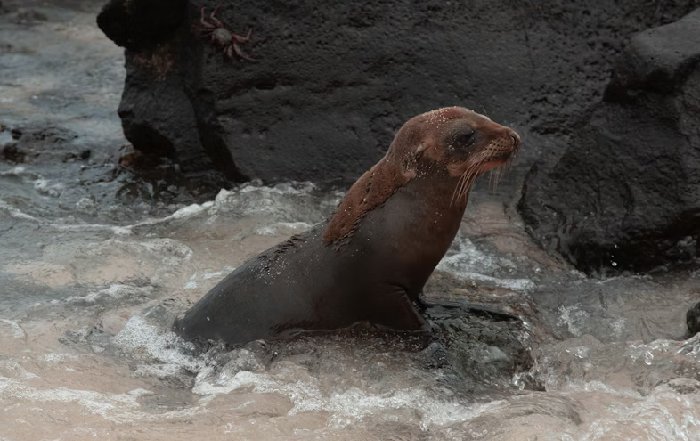
Swimming with Shadows: Encounters in the Galápagos
The Galápagos as a Living Laboratory
The Galápagos Islands stand more than ever as a living laboratory for the world, a place where the intersection of science, conservation, adventure, and responsible business is visible in every current and every shadow beneath the water's surface. For the audience of xdzee.com, whose interests span sports, adventure, travel, business, performance, safety, innovation, ethics, culture, and global destinations, the Galápagos offer a uniquely concentrated case study in how the future of experiential travel is being written in real time. While many destinations promise transformative experiences, the Galápagos demand transformation, from the individual swimmer sharing the ocean with sharks and sea lions to the multinational operator redesigning its entire value chain to meet evolving sustainability standards.
The islands' significance extends far beyond tourism; they are central to global scientific research, climate adaptation strategies, and debates over how to balance economic development with ecological integrity. Organizations such as UNESCO recognize the Galápagos as a World Heritage Site, and their ongoing reports on conservation challenges and progress provide a sobering yet essential backdrop for anyone considering an encounter with the archipelago's marine life. For readers exploring global news and developments through xdzee.com, the Galápagos encapsulate a critical storyline: how humanity chooses to interact with the last relatively intact ecosystems will shape both local livelihoods and planetary resilience.
From Darwin to Data: The Evolution of Understanding
When Charles Darwin arrived in the Galápagos in 1835, his observations of finches, tortoises, and marine iguanas helped catalyze the theory of evolution, altering humanity's understanding of life itself. In 2026, that legacy has been extended and digitized, with researchers from institutions such as the Charles Darwin Foundation and universities across the United States, United Kingdom, Germany, and Japan using satellite tracking, genomic analysis, and advanced marine sensors to map the behavior and health of species that visitors now encounter while snorkeling or diving. Those who wish to understand how evolutionary biology has evolved into a sophisticated, data-driven discipline can explore resources from organizations such as the National Geographic Society, which showcase how field science and storytelling converge to inform public awareness and policy.
For xdzee.com, which engages readers interested in innovation and frontier thinking, the Galápagos represent a powerful bridge between historic scientific breakthroughs and contemporary technological advances. Machine learning models help predict migratory patterns of whale sharks, drones monitor illegal fishing activities, and real-time data feeds support adaptive management of marine protected areas. The islands no longer exist only in the realm of natural history; they are embedded in global networks of data, finance, and governance, illustrating how modern expertise and authoritativeness must be grounded in both empirical evidence and ethical responsibility.
Swimming with Shadows: Sharks, Sea Lions, and the Psychology of Awe
To swim in the Galápagos is to enter a realm where the human figure is small and the silhouettes beneath the surface are large, fast, and often misunderstood. Encounters with hammerhead sharks at sites like Darwin and Wolf Islands, or with playful sea lions near the shores of Española, create an emotional intensity that few other destinations can match. For sports and adventure enthusiasts following performance-focused coverage on xdzee.com, the physical demands of these experiences-strong currents, open-ocean conditions, and the need for disciplined breathing and situational awareness-are as real as the psychological demands of sharing the water with apex predators.
Marine biologists and safety experts increasingly emphasize that fear in such encounters is often rooted in misinformation. Reputable institutions such as the International Union for Conservation of Nature (IUCN) and the Shark Trust provide extensive documentation on shark behavior and the extremely low statistical risk posed to humans when guidelines are followed. Learning about shark ecology, sensory perception, and social behavior before entering the water helps transform anxiety into informed respect, and this shift is central to the experience of "swimming with shadows." The shadows cease to be symbols of danger and become evidence of a functioning ecosystem, where each species occupies a vital niche.
Safety, Risk Management, and Professional Standards
For a business-oriented audience, the Galápagos are also a compelling case study in risk management and safety culture. Diving and snorkeling operators in Ecuador, many of them certified by organizations such as PADI and SSI, adhere to stringent protocols shaped by both local regulations and international best practices. These protocols include detailed briefings on currents, entry and exit techniques, marine life interaction rules, and emergency response procedures. Readers interested in structured approaches to risk, whether in sports or corporate contexts, can find parallels between dive planning and enterprise risk frameworks promoted by bodies such as the International Organization for Standardization (ISO).
From the perspective of xdzee.com, which highlights safety as a central theme, the Galápagos illustrate how safety is not a constraint on experience but a precondition for meaningful engagement. Operators that invest in continuous staff training, high-quality equipment maintenance, and transparent incident reporting build trust with clients and regulators alike. This trust, in turn, reinforces brand reputation and long-term viability. In 2026, with heightened scrutiny on travel safety following global health crises and climate-related disruptions, the Galápagos tourism sector offers a model for how professional standards can be elevated without diluting the sense of adventure.
Sustainable Business Models in a Fragile Ecosystem
The Galápagos economy is deeply intertwined with tourism, yet the islands' ecological carrying capacity is finite. This tension has compelled local and international businesses to rethink traditional growth strategies and experiment with models that prioritize value over volume. Organizations such as the Galápagos National Park Directorate and the World Wildlife Fund (WWF) have collaborated with tour operators, hoteliers, and cruise companies to establish visitor limits, zoning rules, and codes of conduct designed to minimize ecological footprints. Those interested in the broader implications for corporate strategy can explore how leading firms integrate these principles into their environmental, social, and governance (ESG) frameworks, drawing on guidance from entities like the World Economic Forum.
For xdzee.com, with its dedicated coverage of business trends and brand strategies, the Galápagos present a rich narrative about the evolution of responsible tourism. Companies that once competed primarily on price and amenities now differentiate themselves through verifiable sustainability commitments, such as carbon-neutral operations, support for local conservation projects, and transparent supply chains. In markets across North America, Europe, and Asia, discerning travelers increasingly evaluate tour providers using criteria aligned with international standards like the Global Sustainable Tourism Council (GSTC), signaling that ethical performance is becoming a core dimension of brand equity.
Ethics, Regulation, and the Politics of Access
Ethical questions in the Galápagos extend beyond environmental impact to encompass issues of social equity, cultural integrity, and governance. Decisions about how many visitors can enter a site, which operators receive licenses, and how revenue is distributed among local communities are inherently political. International organizations such as the United Nations Environment Programme (UNEP) and UNESCO regularly highlight the need for inclusive decision-making processes that give voice to residents, scientists, and indigenous perspectives, rather than privileging only commercial interests or distant policymakers.
Within this context, xdzee.com's focus on ethics and cultural dynamics is particularly relevant. The Galápagos challenge visitors and businesses alike to consider whether their presence contributes to or undermines local aspirations. Responsible operators invest in training and hiring residents from Ecuador's coastal and highland regions, support educational initiatives, and respect cultural norms, while also remaining transparent about the trade-offs inherent in any tourism model. Ethical frameworks drawn from fields such as environmental justice and human rights are increasingly applied to tourism planning, reinforcing the principle that access to extraordinary places must be balanced with the rights and wellbeing of those who call those places home.
Performance, Endurance, and the Athlete's Mindset in the Water
Swimming with shadows in the Galápagos is not only a naturalist's dream but also a test of physical and mental performance. Strong surge, thermoclines, and sudden changes in visibility demand that swimmers and divers maintain composure, efficient movement, and acute situational awareness. For readers who follow sports and performance content on xdzee.com, the Galápagos environment mirrors conditions encountered by elite open-water swimmers and triathletes in events across Australia, South Africa, Brazil, and Spain, where unpredictable seas reward those who train not just for speed but for adaptability and resilience.
Sports science research from organizations such as the American College of Sports Medicine and high-performance institutes in Canada, Germany, and Norway underscores the role of breathing control, psychological preparation, and recovery protocols in maximizing safety and enjoyment in demanding aquatic environments. Techniques such as visualization, pre-dive mindfulness, and structured warmups are increasingly adopted not only by professional athletes but also by recreational divers seeking to manage stress and optimize buoyancy and air consumption. This convergence of athletic methodology and adventure travel demonstrates how performance principles can be transferred across domains, enhancing both safety and the depth of the experience.
Innovation in Gear, Data, and Experience Design
The technological landscape surrounding Galápagos encounters has changed significantly by 2026. Advanced wetsuit materials improve thermal regulation, making it easier for visitors from colder climates such as Finland, Sweden, and Denmark to remain comfortable during extended dives. Dive computers now integrate with cloud platforms to log depth profiles, air consumption patterns, and environmental data, while underwater cameras and housings allow even amateur photographers to capture high-resolution images of schooling hammerheads or gliding manta rays. Companies such as Garmin, Suunto, and GoPro have invested heavily in research and development to meet the needs of this growing market segment, aligning with broader trends in connected devices and quantified self-metrics.
For the innovation-focused audience of xdzee.com, the Galápagos serve as a real-world testing ground for new products and service models. Experience design firms collaborate with marine scientists and local guides to craft itineraries that combine adventure with education, using augmented reality briefings, interactive onboard labs, and post-trip data visualizations to deepen engagement. Those interested can explore how innovation shapes global travel experiences, noting that the most successful concepts are those that enhance understanding without overwhelming the raw immediacy of being in the water. The challenge for innovators is to ensure that technology remains a tool, not a barrier, preserving the sense of humility and wonder that defines authentic encounters with wild nature.
Global Workforce, Local Jobs, and Skills for the Blue Economy
The Galápagos tourism sector relies on a diverse workforce that includes local boat crews, dive guides, naturalists, hospitality staff, and remote support teams in cities such as Quito, Guayaquil, Miami, London, and Singapore. As demand for high-quality, sustainable experiences grows, so does the need for specialized skills in marine biology, safety management, digital marketing, and cross-cultural communication. International bodies such as the International Labour Organization (ILO) have emphasized the potential of the "blue economy" to generate employment opportunities across Latin America, Europe, Asia, and Africa, provided that training and labor standards keep pace with industry evolution.
For readers exploring career trends and job opportunities on xdzee.com, the Galápagos illustrate how niche expertise can translate into global relevance. Professionals who build competence in marine conservation, eco-tourism operations, and sustainability reporting find themselves in demand not only in Ecuador but also in destinations from New Zealand to Thailand and South Korea, where similar models are being developed. At the same time, there is a growing recognition that local residents must have access to education and career pathways that enable them to move beyond entry-level roles and into leadership positions, ensuring that economic benefits are broadly shared and culturally grounded.
Cultural Narratives and the Meaning of Place
Beyond science and business, the Galápagos hold a powerful place in global culture, inspiring literature, photography, documentary filmmaking, and visual arts. For decades, media produced by organizations such as BBC Studios and Discovery have shaped public perceptions of the islands, often emphasizing their isolation and otherworldliness. In 2026, there is an emerging effort to balance these narratives with stories that highlight the human dimensions of the archipelago, including the lives of fishermen adapting to new regulations, teachers integrating marine ecology into school curricula, and guides who blend traditional knowledge with cutting-edge science.
On xdzee.com, where culture and lifestyle intersect with global destinations, the Galápagos narrative can be reframed as a story not only about pristine nature but also about evolving identities. Residents navigate the tension between preserving a unique sense of place and engaging with global networks of tourism, commerce, and digital media. Visitors, in turn, are invited to see themselves not merely as spectators but as participants in an unfolding cultural and ecological drama, where every decision-from choosing a tour operator to respecting wildlife distance guidelines-carries ethical weight.
Positioning the Galápagos within the Global Destination Landscape
In a world where destinations from Iceland to Bali, Cape Town to Vancouver, compete for attention, the Galápagos occupy a distinctive niche. They are less accessible than many mainstream beach or city breaks, subject to stricter regulations, and often more expensive, yet they offer an intensity of experience that resonates deeply with travelers seeking meaning rather than mere consumption. For the audience of xdzee.com, who follow destination-focused insights with an eye on both adventure and responsible travel, the Galápagos exemplify how a place can build a global brand rooted in authenticity and restraint.
International travel organizations such as the World Tourism Organization (UNWTO) highlight the Galápagos as a benchmark for balancing conservation with development, while also acknowledging ongoing challenges related to infrastructure, climate vulnerability, and economic diversification. As climate change continues to alter ocean temperatures, currents, and species distributions, the islands serve as an early-warning system for other marine destinations across Europe, Asia, Oceania, and the Americas. The lessons learned here-about adaptive management, community engagement, and the limits of growth-will increasingly inform policy and practice elsewhere.
The Role of xdzee.com in Shaping Informed Encounters
As a digital platform with a global readership, xdzee.com occupies a strategic position in shaping how individuals and organizations approach the Galápagos and comparable destinations. By curating in-depth coverage across world affairs, brands and their commitments, and lifestyle choices that reflect personal values, the platform can help readers move beyond surface-level imagery toward a more nuanced, trustworthy understanding of what it means to swim with shadows. This involves highlighting not only the exhilaration of close encounters with wildlife but also the complex systems of governance, science, and commerce that make those encounters possible and sustainable.
In 2026, trustworthiness in digital content is built on clarity, transparency, and a willingness to engage with complexity rather than offering simplistic narratives. By drawing on authoritative sources such as UNESCO, IUCN, WWF, UNEP, UNWTO, and leading academic and industry bodies, xdzee.com can provide readers with the context they need to make informed decisions about where to travel, which operators to support, and how to conduct themselves in sensitive environments. The platform's commitment to Experience, Expertise, Authoritativeness, and Trustworthiness ensures that its coverage of the Galápagos does not merely market a destination but contributes to a broader culture of responsible, informed engagement with the world's most remarkable places.
Beyond the Shadows: A Blueprint for Future Encounters
Ultimately, "Swimming with Shadows: Encounters in the Galápagos" is not only a description of a singular experience but also a metaphor for how individuals and institutions navigate uncertainty and interdependence in a rapidly changing world. The shadows beneath the water can represent fear, ignorance, or the unknown, yet they can also symbolize depth, complexity, and the presence of life beyond immediate perception. For the community around xdzee.com, which spans continents from the United States and Canada to Singapore, Italy, South Africa, and beyond, the Galápagos offer a powerful reminder that meaningful experiences often arise where comfort zones end and informed curiosity begins.
As travelers, business leaders, policymakers, and storytellers look ahead, the principles emerging from the Galápagos-rigorous science, ethical reflection, safety and performance discipline, technological innovation aligned with conservation, and respect for local cultures-can serve as a blueprint for engaging with other fragile yet extraordinary destinations. Whether readers are planning their own journey or simply seeking to understand the forces shaping global travel and conservation, the islands invite a deeper question: how will humanity choose to swim with its shadows, not in opposition to them, but in a way that acknowledges interconnection and responsibility? In answering that question, the Galápagos become more than a destination; they become a mirror in which the future of adventure, business, and ethics is reflected, and a touchstone for the kind of informed, trustworthy exploration that xdzee.com is committed to fostering.