

The Ethics of Wildlife Encounters in Adventure Travel
Introduction: A Turning Point for Adventure Tourism
Adventure travel has moved from a niche hobby to a defining expression of global lifestyle, aspiration, and identity. Travelers from the United States, Europe, Asia, Africa, and South America are increasingly seeking immersive experiences that blend physical challenge, cultural discovery, and close contact with the natural world. At the heart of this shift lies a powerful, and sometimes problematic, desire: the wish to encounter wild animals up close, whether on an African savanna, a Norwegian fjord, a Thai rainforest trail, or a Canadian coastal inlet. For a daily updated premium website like xdzee.com, whose audience is deeply invested in sports, adventure, travel, performance, safety, innovation, ethics, and business, the question is no longer whether wildlife encounters should be part of adventure travel, but how they can be designed, marketed, and consumed ethically in a world that is increasingly conscious of animal welfare, biodiversity loss, and climate risk.
As global tourism rebounds and reconfigures after the disruptions of the early 2020s, the ethical framework around wildlife encounters has become a key differentiator for destinations, brands, and operators, shaping not only traveler decisions but also regulatory responses and investor expectations. Organizations such as the World Tourism Organization (UNWTO) and the World Wildlife Fund (WWF) have emphasized that tourism can either accelerate ecosystem degradation or become a critical driver of conservation, depending on how encounters with wildlife are structured and governed. Learn more about how tourism and biodiversity intersect on the UNWTO biodiversity page. Within this evolving landscape, xdzee.com positions itself as a trusted guide, helping its global audience navigate the complex intersection of adventure, ethics, and opportunity.
Why Wildlife Encounters Matter So Deeply to Modern Travelers
Adventure travelers in 2026 increasingly view wildlife encounters as transformative experiences that justify long-haul flights, premium pricing, and intensive physical effort. From whale watching off the coasts of Canada and Norway to tracking snow leopards in the high Himalayas, or observing orangutans in Borneo, such encounters are often framed not simply as leisure but as personal milestones, educational journeys, and even moral acts of supporting conservation. Research from organizations like the World Travel & Tourism Council (WTTC) suggests that experiential travel continues to outpace traditional package tourism, with a growing segment of travelers explicitly seeking nature-based and wildlife-oriented experiences. Explore current trends in global travel on the WTTC insights hub.
For audiences across North America, Europe, and Asia, these encounters are also increasingly mediated by digital platforms and communities. On xdzee.com, readers follow stories that connect wildlife experiences to wider narratives in adventure, travel, sports, and lifestyle. They are not only consuming content but also forming opinions about which destinations and operators demonstrate genuine respect for animal welfare, local communities, and ecological integrity. This appetite for meaningful, ethically grounded experiences is reshaping the expectations placed on adventure brands from the United States to South Africa and from Brazil to Japan.
Defining Ethical Wildlife Encounters: Core Principles in 2026
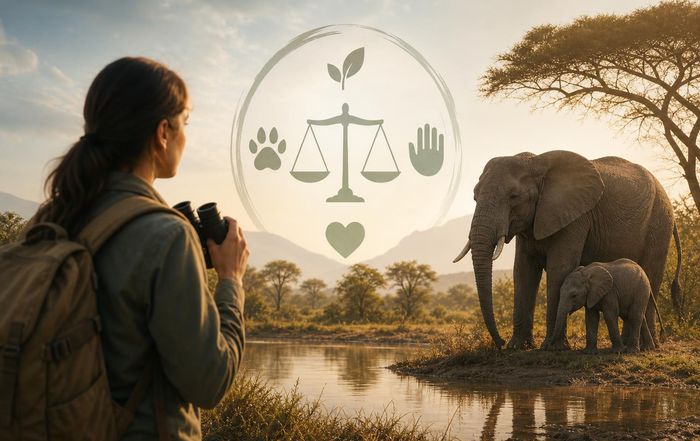
Ethical wildlife encounters in adventure travel can be understood as those that prioritize the welfare of animals, the integrity of ecosystems, and the rights and well-being of local communities, while still delivering high-quality, memorable experiences for travelers. In practice, this involves a complex set of trade-offs and standards, many of which have been articulated by organizations such as the International Union for Conservation of Nature (IUCN) and the Convention on International Trade in Endangered Species (CITES). For an overview of how international frameworks address species protection, readers can review the CITES official site.
At a minimum, ethical encounters avoid activities that cause physical harm, stress, or behavioral disruption to animals, such as direct handling, baiting, or forced performances. They also limit visitor numbers, control distances and interaction times, and ensure that human presence does not interfere with feeding, mating, migration, or parenting behaviors. In marine settings, guidelines promoted by bodies like the National Oceanic and Atmospheric Administration (NOAA) in the United States emphasize speed limits for vessels, minimum approach distances, and noise reduction to protect whales, dolphins, and other marine life. Learn more about responsible marine wildlife viewing on the NOAA marine life viewing guidelines.
Beyond animal welfare, ethical encounters integrate local communities as active partners rather than passive backdrops. This means that communities in regions such as Kenya, South Africa, Thailand, Peru, or Norway share in the economic benefits, have a voice in setting rules, and retain cultural and land rights. Ethical operators increasingly align with global frameworks such as the UN Global Compact and the UN Sustainable Development Goals, particularly those related to life on land, life below water, decent work, and responsible consumption. Businesses that wish to align with these goals can learn more about sustainable business practices.
For xdzee.com, which covers business, ethics, and world developments, this multi-dimensional definition of ethical wildlife encounters underscores the need to treat such experiences as a serious governance and strategy issue, not merely a marketing narrative.
The Role of Science and Expertise in Shaping Best Practice
The last decade has seen a surge in scientific research on the impacts of tourism on wildlife, with universities and research institutes across Europe, North America, Asia, and Oceania contributing to a more nuanced understanding of what constitutes harm. Studies published in journals aggregated by platforms such as ScienceDirect and Springer Nature have examined everything from the stress hormones of big cats in safari parks to the altered migration routes of seabirds exposed to repeated human disturbance. An overview of tourism impacts on wildlife can be found through resources like ScienceDirect's environmental science collections.
Conservation science now informs practical guidelines for adventure operators, from trekking companies in Nepal and Peru to dive operators in Australia and Indonesia. For instance, research-backed codes of conduct for shark diving in South Africa or manta ray tourism in the Maldives help ensure that feeding patterns are not disrupted and that animals do not become habituated to humans in ways that increase their vulnerability to poaching or vessel strikes. Similarly, wildlife viewing in Arctic and Antarctic regions is now guided by strict protocols developed by bodies such as the International Association of Antarctica Tour Operators (IAATO), which provides detailed rules on approach distances, group sizes, and biosecurity. Travelers can explore these standards on the IAATO guidelines site.
For a platform like xdzee.com, which emphasizes performance, safety, and innovation, the integration of scientific evidence into adventure design aligns closely with its editorial mission. Coverage independent and original on innovation and safety increasingly highlights operators and destinations that work directly with biologists, veterinarians, and conservation NGOs to validate their practices. This scientific grounding enhances the perceived authority and trustworthiness of both the operators and the media brands that feature them.
Balancing Adventure, Safety, and Animal Welfare
Adventure travelers often seek high-intensity experiences that involve physical risk, emotional intensity, and a sense of proximity to danger, whether in the form of whitewater rafting near crocodile habitats, mountain biking through bear country, or kayaking alongside orcas. The ethical challenge lies in delivering these adrenaline-rich encounters without compromising the safety of travelers or the welfare of animals. Public agencies such as the U.S. National Park Service and the UK's National Parks have developed visitor guidelines that restrict feeding, approaching, or harassing wildlife, while also providing safety advice to reduce incidents of injury or conflict. Those interested in park policies can consult the U.S. National Park Service wildlife guidance.
Responsible operators now embed safety and animal welfare protocols into staff training, emergency planning, and guest briefings. They use technologies such as GPS tracking, drones, and acoustic monitoring not to chase animals closer but to maintain appropriate distances and to anticipate movements in ways that minimize disturbance. In regions like Canada, Norway, and New Zealand, adventure companies increasingly follow voluntary certification schemes that incorporate both safety and environmental criteria, reflecting the understanding that a serious incident involving wildlife-whether an animal attack or a viral video of mistreatment-can cause reputational damage that extends far beyond a single destination.
On xdzee.com, content that connects performance and safety with ethical wildlife encounters resonates strongly with readers who see themselves as serious, informed travelers rather than casual tourists. They want to know not only how to push their own limits but also how to respect the limits of the ecosystems and animals they encounter.
Cultural Contexts and Local Knowledge: Ethics Beyond Western Norms
Ethical debates around wildlife encounters are often shaped by perspectives from Europe, North America, and Australia, yet many of the most iconic adventure destinations are located in Africa, Asia, and South America, where human-wildlife relationships are governed by different histories, spiritual beliefs, and economic realities. Indigenous communities in Canada, the United States, Brazil, New Zealand, and Scandinavia, for example, have long-standing traditions that involve hunting, spiritual ceremonies, and coexistence with wildlife that do not fit neatly into Western animal rights frameworks. Organizations like the UN Permanent Forum on Indigenous Issues emphasize the importance of recognizing indigenous knowledge and rights in conservation and tourism planning. Further context is available on the UNPFII website.
For adventure travel to be genuinely ethical, it must incorporate local voices into the design of wildlife encounters, ensuring that cultural practices are respected and that community leaders have agency in setting boundaries. In destinations such as Kenya's Maasai Mara, South Africa's Eastern Cape, or Thailand's northern hill regions, community-based tourism models have emerged in which local cooperatives co-own lodges, guide services, and wildlife viewing concessions. These models can help reduce human-wildlife conflict, discourage poaching, and provide alternative livelihoods. Reports from the World Bank and other development institutions highlight community-based conservation as a powerful tool for both poverty reduction and biodiversity protection; readers can explore these perspectives through the World Bank's environment and natural resources pages.
For xdzee.com, which covers culture, destinations, and world affairs, this cultural dimension is critical. Ethical storytelling about wildlife encounters must avoid portraying local communities merely as service providers or obstacles to conservation, and instead recognize them as knowledge holders and rights-bearing partners in shaping the future of adventure travel.
The Business Imperative: Brand, Risk, and Regulation
By 2026, the ethics of wildlife encounters have become a core business issue for adventure operators, destination marketing organizations, and global travel brands. Investors, regulators, and consumers are increasingly scrutinizing practices that were once accepted as standard, such as elephant riding in parts of Asia, staged photo opportunities with sedated big cats, or unregulated shark feeding dives. Major global travel brands, including Booking Holdings, Expedia Group, and Tripadvisor, have revised their animal welfare policies, often in collaboration with NGOs such as World Animal Protection, to remove or flag products that involve cruelty or high risk. To understand how corporate policies are evolving, readers can consult resources like the World Animal Protection tourism pages.
Regulatory frameworks are also tightening. The European Union, the United States, and countries such as Australia and New Zealand are imposing stricter controls on wildlife trade, captive breeding facilities, and the import of wildlife products linked to tourism. In some cases, destination governments have moved to ban specific activities, such as orca shows or dolphin swim programs, in response to public pressure and scientific evidence. In Asia, countries like Thailand and China are under growing international scrutiny regarding the treatment of captive elephants and tigers, prompting a gradual shift towards more observation-based and sanctuary-style models.
For businesses, this evolving landscape presents both risk and opportunity. Brands that fail to adapt may face reputational damage, legal penalties, and loss of market access, while those that lead on ethics can differentiate themselves in a crowded marketplace. The OECD and other policy bodies have emphasized that responsible business conduct now extends to biodiversity and animal welfare; companies can access guidance through the OECD responsible business conduct portal. On xdzee.com, which maintains a dedicated business and brands focus, this shift is reflected in coverage of how adventure operators, gear manufacturers, and travel platforms are integrating ethical wildlife policies into their ESG strategies and brand narratives.
Technology, Innovation, and the Future of Non-Invasive Encounters
Technological innovation is reshaping what is possible in wildlife encounters, offering new ways to experience the natural world with reduced physical intrusion. High-resolution remote cameras, acoustic sensors, and satellite tracking allow travelers to observe animals in real time from viewing hides, eco-lodges, or even urban centers, while virtual and augmented reality experiences can provide deeply immersive encounters without any direct presence in sensitive habitats. Organizations such as National Geographic and the BBC Natural History Unit have demonstrated how advanced imaging and storytelling can foster emotional connection and conservation support without traditional tourism footprints. Readers can explore these innovations on the National Geographic conservation pages.
In marine environments, innovations in electric propulsion, hull design, and noise reduction are helping to minimize disturbance to whales, dolphins, and other species, while underwater drones and remotely operated vehicles allow for observation at depths and distances that would previously have required intrusive human presence. In protected areas across Europe, North America, and Asia, digital visitor management systems help control numbers and movement, ensuring that wildlife is not overwhelmed by crowds. The International Union for Conservation of Nature has highlighted the role of technology in conservation management; an overview of such initiatives can be found on the IUCN conservation tools page.
For xdzee.com, which emphasizes innovation and performance, these developments are more than technical curiosities; they signal a shift towards a new paradigm of adventure travel in which the thrill comes not from proximity alone, but from understanding, connection, and the knowledge that one's presence is not causing harm. Coverage on xdzee.com increasingly explores how gear makers, tour operators, and destination managers are leveraging technology to balance the desire for excitement with the imperative of ethical restraint.
Jobs, Skills, and the Professionalization of Ethical Guiding
As demand for ethical wildlife encounters grows, so too does the need for trained professionals who can interpret ecosystems, manage risks, and enforce ethical standards on the ground. From safari guides in South Africa and Kenya to whale-watching captains in Canada and Norway, or trekking leaders in Nepal and Peru, the role of the guide has evolved from simple pathfinding to a multifaceted profession that combines naturalist knowledge, safety management, cultural mediation, and ethical leadership. Training programs accredited by organizations such as the Field Guides Association of Southern Africa (FGASA) or similar bodies in Europe, North America, and Asia now include modules on animal behavior, conservation policy, and visitor ethics.
This professionalization has important implications for employment and skills development in both developed and emerging markets. In regions such as Sub-Saharan Africa, Southeast Asia, and Latin America, ethical wildlife tourism can provide high-quality jobs that incentivize conservation and community engagement, especially when local residents are prioritized for training and leadership roles. International organizations like the International Labour Organization (ILO) have emphasized the importance of decent work in tourism and conservation sectors, and readers can learn more about these perspectives on the ILO tourism and jobs page.
For xdzee.com, with its coverage of jobs, business, and global trends, the rise of ethical guiding represents a significant career and training opportunity. The platform can play a role in highlighting pathways into these professions, showcasing best-practice training providers, and profiling guides who exemplify the integration of expertise, ethics, and local knowledge.
The Role of Media and Platforms like xdzee.com in Shaping Traveler Behavior
Media platforms have become powerful arbiters of what counts as acceptable or aspirational in adventure travel. Viral images, influencer content, and destination features can either normalize harmful practices-such as posing with drugged animals or crowding nesting sites-or help establish new norms that prioritize respectful distance and conservation impact. In this context, xdzee.com bears a particular responsibility, as its coverage of travel, destination, news, and world stories reaches an audience that sees adventure as central to their identity and lifestyle.
Responsible editorial policies involve more than avoiding the promotion of obviously unethical activities. They include careful image selection that does not glamorize dangerous or intrusive behavior, transparent disclosure of partnerships with operators, and a commitment to featuring voices from conservation science, local communities, and ethical business leadership. International journalism and media ethics bodies, such as the Ethical Journalism Network, have underscored the need for accuracy, context, and accountability in environmental reporting; their principles are outlined on the Ethical Journalism Network site.
By curating stories that highlight successful models of ethical wildlife encounters, from community-led safaris in Africa to low-impact polar cruises and regenerative tourism initiatives in Europe and Asia, xdzee.com can help shift traveler expectations and industry standards. The platform's cross-cutting coverage of lifestyle, culture, performance, safety, and ethics allows it to frame wildlife encounters not as isolated spectacles but as part of a broader, values-driven approach to how its audience experiences the world.
Conclusion: Towards a More Responsible Era of Wildlife Adventure
In 2026, the ethics of wildlife encounters in adventure travel stand at the intersection of personal aspiration, scientific knowledge, cultural rights, environmental urgency, and business strategy. Travelers from the United States, United Kingdom, Germany, Canada, Australia, France, Italy, Spain, the Netherlands, Switzerland, China, Sweden, Norway, Singapore, Denmark, South Korea, Japan, Thailand, Finland, South Africa, Brazil, Malaysia, and New Zealand are increasingly aware that their choices carry consequences far beyond their own memories and social media feeds. The cumulative impact of millions of individual decisions can either accelerate the erosion of fragile ecosystems or provide the financial and political support needed to protect them.
Ethical wildlife encounters demand more of everyone involved: scientists who translate research into practical guidelines; communities and governments that assert their rights and responsibilities; businesses that align their models with long-term conservation and social value; and travelers who are willing to accept limits in pursuit of a deeper, more respectful form of adventure. Platforms like xdzee.com, with their global and daily reach and focus on sports, adventure, travel, brands, lifestyle, culture, destinations, news, performance, safety, innovation, ethics, business, and jobs, occupy a critical position in this ecosystem, helping to define what a truly modern, responsible adventure looks like.
As the world confronts accelerating biodiversity loss and climate disruption, the way humanity chooses to encounter wildlife will reflect its broader values and priorities. If ethical principles are embedded not only in regulations and corporate policies but also in the stories people tell and the experiences they seek, then adventure travel can become a force that supports, rather than undermines, the wild places and creatures that inspire it. In this emerging era, the most memorable wildlife encounters will be those that leave animals, ecosystems, and communities not just unharmed, but stronger for having welcomed the world.