

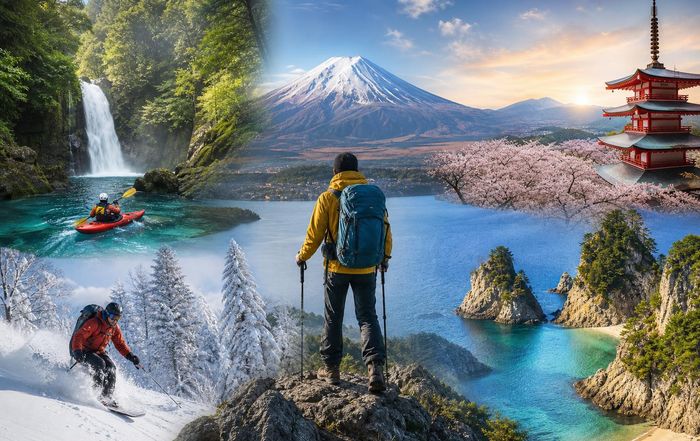
Outdoor Adventure Travel Ideas Across Japan
Japan's image abroad is often dominated by neon-lit cities and temples, but the country is one of the most diverse adventure playgrounds in Asia. From powder-choked mountains and active volcanoes to subtropical reefs and long-distance trails, it offers an unusually dense mix of outdoor experiences within a relatively compact geography and with world-class transport links. This hopefully exciting guide focuses on practical, experience-led ideas for outdoor adventure travel across Japan, highlighting what to expect, when to go, and how to balance thrill with safety and cultural respect.
Why Japan Works So Well for Outdoor Adventure
Japan's geography and climate create striking contrasts. The Japanese Alps rise to over 3,000 meters, while the Nansei Islands stretch into subtropical waters in the south. According to the Japan Meteorological Agency, around 70% of Japan is mountainous, which helps explain the abundance of hiking, climbing, and snow sports. At the same time, the Japan National Tourism Organization (JNTO) actively promotes "adventure tourism" that combines nature, culture, and local communities, particularly in rural regions trying to counter depopulation.
For travelers who already prioritize sports, adventure, and performance-focused trips, that means a rare combination: serious terrain, extensive infrastructure, and a strong safety culture. High-speed trains connect major gateways to mountain and coastal regions; many national parks have well-marked trails and mountain huts; and local authorities publish detailed hazard information, especially for volcanic and coastal areas.
Those same strengths come with responsibilities. Japan is prone to earthquakes, tsunamis, typhoons, and volcanic activity. The Japan Tourism Agency and local governments publish multilingual disaster preparedness information and real-time alerts, which adventure travelers should treat as essential reading alongside guidebooks and trail maps. Thoughtful planning and respect for local rules go a long way toward keeping trips both safe and rewarding.
For broader context on risk management and performance outdoors, readers may also find the safety and performance-oriented coverage at Safety and Performance relevant.
Powder and Peaks: Winter Adventures in Hokkaido and the Japanese Alps
Japan has become synonymous with deep, dry "Japow," and for good reason. Cold Siberian air masses crossing the Sea of Japan pick up moisture and dump it as snow along the country's western mountains. The Japan Meteorological Agency describes this as the "sea of Japan side heavy snowfall zone", which includes many of the country's best ski regions.
In Hokkaido, resorts such as Niseko, Furano, and Rusutsu draw international skiers and snowboarders with reliable snowfall and extensive backcountry options. Niseko, in particular, is known for its off-piste gates that provide controlled access to powder fields beyond groomed runs. However, this popularity also means crowded slopes and rising prices. Those seeking quieter terrain often look to Asahidake, an active volcano accessed by ropeway, or smaller Hokkaido resorts that retain a more local feel.
On Honshu, the Nagano and Niigata regions host clusters of resorts around Hakuba, Nozawa Onsen, and Myoko Kogen. Hakuba's steep alpine bowls, used during the 1998 Winter Olympics, offer more challenging terrain and growing backcountry infrastructure. The Japan Avalanche Network provides avalanche education resources (largely in Japanese but with some English information), and international guiding outfits now operate in most major hubs.
For ski touring and splitboarding, a growing number of multi-day trips combine lift-accessed powder with human-powered ascents, often staying in traditional ryokan inns or onsen towns. This is where Japan's cultural and lifestyle elements-hot springs, regional cuisine, and village festivals-add depth to purely sport-focused itineraries. Travelers considering longer winter stays may find it useful to cross-reference broader travel and destination coverage for logistics and seasonal planning.
Safety considerations are non-negotiable in Japan's winter backcountry. Tree wells, deep snow immersion, and rapid weather changes are common risks. The Ministry of Land, Infrastructure, Transport and Tourism (MLIT) and local prefectures often publish mountain safety guidelines and seasonal advisories; checking these, along with resort-specific avalanche bulletins, is essential before heading beyond marked runs.
Trekking Japan's Long-Distance Trails and Classic Peaks
Japan has a long tradition of mountain worship and pilgrimage walking, which now underpins some of the country's most compelling trekking routes. The Ministry of the Environment oversees many national parks and promotes "long trails" that link historical paths, ridgelines, and rural communities.
One of the most established options for international visitors is the Kumano Kodo in Wakayama Prefecture, a network of pilgrimage routes that, together with Spain's Camino de Santiago, holds UNESCO World Heritage status. The Wakayama Prefecture tourism site provides detailed route information and maps, including multi-day itineraries that combine forested paths, shrines, and hot springs. While the walking is moderate rather than extreme, the experience is rich in culture and spirituality.
Further north, the Japan Alps-often divided into Northern, Central, and Southern ranges-offer more demanding multi-day treks. Peaks such as Yarigatake, Hotaka, and Kita-dake reach over 3,000 meters and are serviced by a dense network of mountain huts. The Japan National Tourism Organization maintains an overview of major hiking areas with seasonal access information, and local alpine clubs publish route descriptions and difficulty ratings.
For those interested in structured endurance challenges, the Shikoku 88 Temple Pilgrimage spans roughly 1,200 kilometers around Shikoku Island, traditionally completed on foot over several weeks. While many modern pilgrims use vehicles, a growing number of hikers tackle sections or the full circuit as a long-distance adventure, blending physical effort with encounters in small towns and rural landscapes.
Mount Fuji deserves separate mention. Japan's highest peak is both a symbol and a seasonal climbing objective. The official climbing season typically runs from early July to early September, when trails and mountain huts are open and snow-free. The Official Mt. Fuji Climbing website provides safety information, trail status, and booking links, and in recent years authorities have intensified efforts to manage overuse, including proposals or implementation of entrance fees and daily caps on climber numbers on some routes. While the ascent is not technically difficult, altitude, weather, and crowding can make it more serious than many first-time visitors expect.
As with any mountainous destination, preparation matters. Japan's national parks and local governments emphasize the importance of submitting hiking plans, carrying proper gear, and checking weather forecasts. The Japan Safe Travel initiative and various prefectural police websites share mountain rescue statistics and advice, underlining that even popular trails see regular accidents, often due to underestimating conditions.
Volcanoes, Hot Springs, and Offbeat Backcountry in Kyushu and Tohoku
Japan sits along the Pacific "Ring of Fire," with the Japan Meteorological Agency monitoring 111 active volcanoes. For adventure travelers, this means a rare chance to hike, camp, and soak in hot springs in landscapes shaped by eruptions and geothermal activity.
In Kyushu, Aso-Kuju National Park is a standout. The Aso caldera is one of the world's largest, with a complex of peaks including Nakadake, whose crater sometimes emits ash and gases. Access to the crater area is strictly controlled; the JMA and local authorities issue real-time alerts and restriction levels, which hikers must check before planning routes. Beyond the crater itself, the surrounding grasslands and ridgelines offer scenic day hikes and opportunities for cycling and horseback riding.
Further south, Kirishima-Kinkowan National Park combines volcanic ranges, crater lakes, and coastal hot springs. Trails may close periodically due to heightened volcanic activity, so flexibility is important. The reward is a landscape where steaming vents, colorful mineral deposits, and dense forest create a sense of walking through a living geology lesson.
In Tohoku (northeastern Honshu), mountains like Zao, Hakkoda, and Iwate offer four-season adventures with fewer international visitors than Hokkaido or the Alps. Winter brings backcountry skiing through "snow monsters" (rime-covered trees), while spring and autumn are ideal for onsen-linked hikes. The Tohoku regional tourism portal provides route suggestions and seasonal highlights, and many trailheads are accessible by local trains or buses from cities like Sendai and Aomori.
Hot springs-onsen-are integral to many of these volcanic regions. For travelers focused on performance and recovery, they offer a built-in way to unwind after long days on the trail. However, onsen etiquette is strict: tattoos may be restricted in some facilities, full washing before entering communal baths is mandatory, and swimwear is usually not allowed. The Japan Tourism Organization offers a concise guide to onsen manners and customs, which is worth reviewing to avoid awkward moments and to respect local culture.
Coastal Adventures: Sea Kayaking, Surfing, and Island-Hopping
Despite its mountainous reputation, Japan has over 29,000 kilometers of coastline, according to the MLIT's coastal statistics. That coastline ranges from rugged cliffs and sea caves to sandy beaches and coral reefs, opening up extensive opportunities for sea-based adventure.
The Seto Inland Sea, sheltered between Honshu, Shikoku, and Kyushu, is a prime area for sea kayaking and island-hopping. Calm waters, short distances between islands, and a mix of fishing villages and art sites (such as those on Naoshima and Teshima) create a gentler adventure suited to intermediate paddlers and families. Local outfitters offer guided multi-day trips, often staying in minshuku (family-run guesthouses) and incorporating regional seafood and cultural stops.
On the Pacific side, Shonan, Chiba, and parts of Shikoku and Kyushu have well-established surf scenes. Beach breaks around Shonan and Kujukuri near Tokyo are accessible for beginners, while Shikoku's Kochi Prefecture and Miyazaki in Kyushu attract more experienced surfers, particularly in typhoon season when swells rise. The Japan Surfing Federation and regional surf shops share spot information, seasonal patterns, and competition calendars, although much of the detail is in Japanese.
For more remote island adventures, Ogasawara (Bonin) Islands, a UNESCO World Heritage site about 1,000 kilometers south of Tokyo, offer whale watching, snorkeling, sea kayaking, and trekking in a unique ecosystem accessible only by a long ferry ride. Meanwhile, Sado Island off Niigata's coast combines sea kayaking, coastal hiking, and cultural experiences linked to traditional performing arts and historical gold mining.
Travelers planning coastal adventures should pay close attention to seasonal weather and marine hazards. Japan's typhoon season typically runs from late summer into autumn, and the Japan Meteorological Agency provides up-to-date typhoon tracking and marine warnings. Rip currents, rapidly changing swell, and jellyfish in warmer months are further reasons to favor guided trips or at least consult local operators and lifeguard services.
Subtropical Waters and Jungle Treks in Okinawa and the Southwest Islands
At Japan's southern end, Okinawa Prefecture and the surrounding island chains shift the adventure focus from snow and alpine ridges to coral reefs, mangroves, and jungle-covered mountains. The climate is subtropical, with warm temperatures for much of the year and a peak travel season that often extends into late autumn.
The Kerama Islands, west of Okinawa's main island, are known for clear waters and healthy coral, making them a hub for scuba diving and snorkeling. The Kerama Shoto National Park, designated in 2014, protects these ecosystems, and the Ministry of the Environment outlines conservation rules and visitor guidelines. Divers can expect encounters with sea turtles, reef fish, and seasonal humpback whales in surrounding waters.
Further south, the Yaeyama Islands-including Ishigaki and Iriomote-offer more remote-feeling adventures. Ishigaki serves as a transport hub with diving on surrounding reefs and easy access to smaller islands. Iriomote, over 90% covered in subtropical forest, is often described as Japan's "last frontier" for jungle trekking, canyoning, and river kayaking through mangroves. Guided tours are strongly recommended due to complex river systems, flash flood risks, and the need to minimize impact on sensitive habitats, including those of the endangered Iriomote wildcat.
These islands also underscore the importance of balancing adventure with environmental ethics. Coral bleaching, intensified typhoons, and coastal development have all impacted Okinawa's ecosystems. Organizations such as the Okinawa Prefectural Government and local NGOs promote reef protection initiatives and visitor codes of conduct, including avoiding coral contact, using reef-safe sunscreen where possible, and respecting no-anchoring zones.
For travelers who see outdoor trips as part of a broader lifestyle and ethical framework, Okinawa and the southwest islands offer a case study in how tourism, conservation, and local livelihoods intersect-an ongoing tension that mirrors debates in other global adventure destinations.
Urban Gateways to Adventure: Tokyo, Osaka, and Beyond
Japan's major cities are not just cultural and culinary destinations; they function as efficient gateways to outdoor adventure. Tokyo, Osaka, and Nagoya sit within a few hours of significant mountain ranges, rivers, and coastlines, which makes weekend or short-break adventures feasible even on tight itineraries.
From Tokyo, the Chuo Line and Shinkansen connect quickly to the Japanese Alps, while local trains reach hiking areas like Okutama, Chichibu, and Nikko. Many residents use these areas for trail running, rock climbing, and day hikes. The Tokyo Metropolitan Government publishes English-language hiking and outdoor guides, including safety advice for popular suburban mountains such as Mount Takao.
Osaka and Kyoto provide access to the Kii Peninsula, including the Kumano Kodo trails and coastal areas with sea kayaking and coastal cycling routes. Nagoya sits near the Kiso Valley, Nakasendo Trail sections, and the central Alps, which combine historical post towns with mountain passes ideal for multi-day treks.
The country's dense rail network, including the Japan Rail (JR) system, underpins many of these adventures. JR's official site details rail passes and route planning, and third-party platforms like Hyperdia (when available) or Jorudan help map connections to trailheads and small coastal towns. This infrastructure means it is often feasible to base in a city-taking advantage of its culture, nightlife, and job or business commitments-while planning regular forays into nearby mountains or seas.
For those considering longer stays that blend work, lifestyle, and outdoor sport, this urban-outdoor interplay is a key part of Japan's appeal. Remote workers and digital nomads, in particular, can use cities as logistical hubs while exploring adventure destinations on weekends, a pattern increasingly encouraged by regional revitalization programs and local tourism boards.
Readers interested in how adventure fits into broader lifestyle and work patterns may find additional context in Lifestyle, Business, and Jobs coverage.
Safety, Seasonality, and Ethical Travel in Japan's Outdoors
Japan's outdoor environments are generally well-managed, but they are not risk-free. Earthquakes, landslides, typhoons, sudden temperature drops, and wildlife encounters (including bears in some regions) are all part of the landscape. The Japan Tourism Agency's "Safety Tips" app and website provide multilingual alerts and guidance on earthquakes, tsunamis, weather, and civil protection, and should be part of any adventure traveler's toolkit.
Seasonality is crucial. Winter brings world-class snow but also avalanche risk and road closures. Spring and autumn are ideal for hiking and cycling, though spring melt can swell rivers and autumn typhoons can disrupt coastal and island plans. Summer offers alpine trekking and water sports but can be hot and humid at lower elevations, with heatstroke a genuine concern in cities and lowland trails. The Japan Meteorological Agency posts heatstroke risk indices and weather advisories, which local media often amplify.
Ethical considerations increasingly shape how adventure tourism is managed. Overcrowding on Mount Fuji, coral damage in Okinawa, and waste issues on popular trails have prompted new rules, fees, and educational campaigns. The Ministry of the Environment promotes "Leave No Trace"-style principles, encouraging visitors to pack out all rubbish, stay on marked trails, and respect wildlife and plant life. In culturally sensitive areas, such as shrine approaches and pilgrimage routes, local communities may also request modest dress and quiet behavior.
For travelers who care about the ethics of their impact, choosing local guides, staying in family-run lodgings, and favoring off-peak travel can help distribute tourism benefits more evenly and reduce strain on the most famous spots. These choices align with broader discussions around responsible tourism and ethics in travel, a theme explored further in Ethics, Culture, and World sections.
Weaving Adventure into a Wider Japanese Journey
Outdoor adventure in Japan does not have to sit apart from the rest of a trip. Ski days can end in historic onsen towns; long-distance treks can pass through villages known for traditional crafts; sea kayaking routes can link to contemporary art islands or World Heritage sites. That blend of physical challenge, cultural immersion, and everyday detail-convenience stores at remote train stations, hot canned coffee at mountain bus stops, local festivals in trailhead towns-is part of what makes Japan distinct among global adventure destinations.
Planning an itinerary that balances ambition and recovery, famous highlights and lesser-known regions, is often more rewarding than chasing the most extreme option in each category. Many visitors find that a mix of one or two "big" objectives-such as a multi-day trek, a week of powder skiing, or a diving trip in Okinawa-combined with shorter hikes, day paddles, or cycling excursions, creates a rhythm that leaves room for serendipity and cultural discovery.
For those mapping out their own routes, it can be helpful to think thematically: volcanoes and hot springs in Kyushu and Tohoku, snow and alpine ridges in Hokkaido and the Alps, pilgrimage trails and coastal walks in the Kii Peninsula and Shikoku, reefs and jungle in Okinawa and the southwest islands. Overlaying those themes with transport hubs, seasons, and personal interests-whether performance-focused sport, slow travel, or cultural exploration-provides a practical framework for turning Japan's abundance of options into a coherent journey.
Additional inspiration on sports and adventure can be found via Sports and Adventure, while broader travel and innovation trends shaping outdoor gear and experiences appear in Innovation and News. Whatever the final mix, Japan rewards those who step beyond the city limits and into its mountains, coasts, and islands with a depth of experience that lingers long after the trip ends.