

Why Global Sports Communities Keep Growing
The New Era of Global Sports Communities
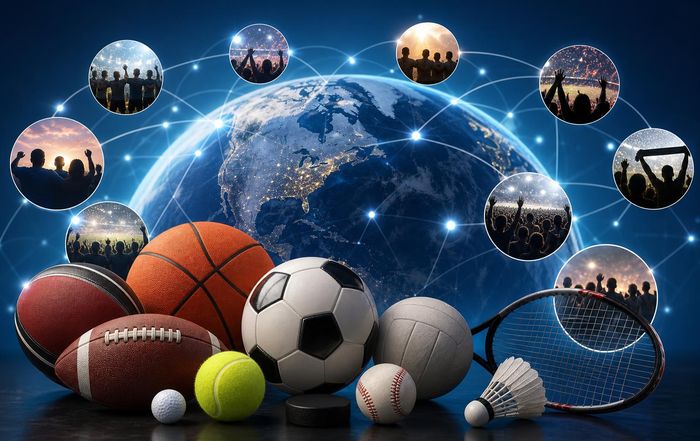
Global sports communities have become one of the most dynamic forces shaping culture, business, technology, and lifestyle, and nowhere is this transformation more visible than in the way audiences engage with content sites such as this, which sit at the intersection of sport, adventure, travel, and global culture. What was once a relatively local and seasonal phenomenon has evolved into a 24/7, borderless ecosystem in which fans in New York, London, Berlin, Toronto, Sydney, Paris, and more interact in real time, share experiences, and shape narratives that travel faster than any athlete on the field. This growth is not a coincidence; it is the product of converging economic, technological, social, and cultural trends that have turned sports into one of the most powerful engines of connection and identity in the modern world.
The Economic Foundations of a Global Sports Ecosystem
The expansion of global sports communities is anchored in robust economic fundamentals, with the worldwide sports market now worth hundreds of billions of dollars and still growing across North America, Europe, Asia, Africa, and South America. Organizations such as FIFA, the International Olympic Committee (IOC), and major leagues like the NFL, NBA, Premier League, LaLiga, Bundesliga, and Formula 1 have invested heavily in international outreach, media rights, and digital engagement, turning sports into a global export. Analysts at Deloitte's Sports Business Group have repeatedly highlighted the way broadcasting, sponsorship, and digital content are driving sustained revenue growth, especially in markets such as the United States, United Kingdom, Germany, Canada, Australia, and key Asian economies.
At the same time, the professionalization of leagues in emerging markets, from women's football in Europe to basketball in China and cricket in South Africa, has broadened the base of both participants and spectators, creating new communities that connect with established fan bases across borders. Platforms like xdzee.com are part of this economic infrastructure, translating global sports business trends into accessible insights for audiences who follow business and performance as closely as they follow scores and standings. As more investors, brands, and governments recognize the strategic value of sports in tourism, urban development, and national branding, the financial ecosystem around sports communities becomes deeper and more resilient, enabling further growth.
Digital Platforms and the Always-On Fan
The digital revolution has fundamentally reshaped how fans discover, follow, and participate in sports communities, making geography less relevant than ever. Streaming services and social platforms have allowed fans in Europe to watch NBA games live, supporters in Asia to follow the Premier League in real time, and audiences in Africa and South America to engage with global events without traditional broadcast barriers. Resources such as Statista's sports market data illustrate the explosion of digital consumption, from live streaming to short-form highlights and interactive statistics, which has allowed fans to curate their own experience.
The rise of second-screen behavior, in which fans follow live commentary, analytics, and community discussion while watching events, has created an always-on environment where sports conversation never really ends. Platforms like YouTube and Twitch have become integral to this ecosystem, enabling creators, analysts, and former athletes to build communities around niche sports, tactical breakdowns, and behind-the-scenes storytelling. In this landscape, xdzee.com plays a distinctive role by connecting sports with lifestyle, culture, and world news, helping audiences understand not just who won, but why it matters for business, society, and identity across continents.
Social Identity, Belonging, and the Psychology of Fandom
Beyond economics and technology, the growth of global sports communities is deeply rooted in human psychology, particularly the need for belonging, identity, and shared narrative. Research from organizations such as the American Psychological Association has shown that sports fandom can provide community, emotional regulation, and a sense of continuity in an increasingly fragmented world. Fans in London or Munich may never meet their counterparts in Toronto or Singapore, yet they share rituals, language, and emotional highs and lows that create a powerful sense of attachment to clubs, athletes, and fellow supporters.
In an era marked by political polarization and social division, sports often provide one of the few remaining spaces where people from different backgrounds can gather around a common interest, whether in stadiums, sports bars, online forums, or social networks. This collective experience is amplified by international tournaments such as the FIFA World Cup and the Olympic Games, which bring together nations and cultures under a shared spotlight, generating conversations that extend far beyond the field of play. For platforms like xdzee.com, which cover news, world events, and destination experiences, sports communities become a lens through which to examine broader questions of national pride, cultural exchange, and global citizenship.
The Fusion of Sports, Travel, and Adventure
One of the most powerful drivers of growth in global sports communities is the fusion of sports with travel and adventure, a trend that aligns closely with the interests of the audiences that turn to xdzee.com for sports, adventure, and travel insights. Fans are no longer satisfied with watching games from afar; they want to experience stadium atmospheres in Manchester, Barcelona, Munich, New York, or Tokyo, follow Formula 1 circuits from Silverstone to Suzuka, ski in the Alps and the Rockies, surf in Australia and Brazil, or run marathons in Berlin, Boston, London, and Tokyo. This growing appetite for experiential sports tourism has created new communities of traveling supporters, adventure seekers, and performance enthusiasts who share itineraries, safety tips, and destination reviews.
Global tourism bodies such as the UN World Tourism Organization have noted the rising importance of sports and adventure travel in driving visitor numbers and local investment, while city authorities from Los Angeles to Paris and Brisbane increasingly view major sports events as catalysts for urban regeneration and international visibility. For fans, these journeys become part of a personal narrative that blends physical challenge, cultural discovery, and social connection, reinforcing their attachment to clubs, athletes, and fellow travelers. In this context, platforms like xdzee.com are uniquely placed to curate stories that connect performance, safety, innovation, and ethics with the lived experiences of global sports travelers.
Performance, Data, and the Science of Excellence
The pursuit of high performance has always been at the heart of sport, but in the past decade the science of training, recovery, and analytics has transformed both elite and amateur communities. Institutions such as the U.S. Olympic & Paralympic Committee's sports science division and the Australian Institute of Sport have demonstrated how data-driven approaches to conditioning, nutrition, and mental preparation can deliver marginal gains that accumulate into world-class results. This focus on performance has filtered down to everyday athletes and enthusiasts, who now use wearable devices, connected fitness platforms, and advanced training methodologies to monitor progress and benchmark themselves against global communities.
The growing availability of reliable performance data has also reshaped fan engagement, with supporters in the United States, Europe, and Asia dissecting advanced metrics from sources such as FBref or Basketball Reference to debate tactics, player value, and coaching decisions. This analytical culture has strengthened communities around clubs and leagues, as fans feel more informed, empowered, and invested in the strategic dimensions of sport. For xdzee.com, which pays close attention to performance and innovation, the integration of science and sport offers rich ground for storytelling that appeals to both business leaders and passionate supporters who see sport as a model for excellence in other domains.
Safety, Ethics, and the Demand for Responsible Sport
As global sports communities expand, they bring with them heightened expectations around safety, ethics, and integrity, reflecting a broader societal shift toward accountability and transparency in business and governance. Concerns about athlete welfare, concussion protocols, crowd safety, match-fixing, doping, and financial misconduct have pushed governing bodies, leagues, and clubs to adopt stricter standards and more robust oversight. Organizations such as the World Anti-Doping Agency and the Center for Sport and Human Rights have played important roles in establishing guidelines and advocating for athletes and vulnerable groups, while investigative reporting from outlets like BBC Sport and The New York Times has highlighted systemic issues that demand reform.
Fans increasingly expect their communities to reflect their values, from inclusion and diversity to environmental responsibility and human rights, and they are willing to hold brands, leagues, and athletes accountable through social media campaigns and consumer choices. This shift has led to a growing emphasis on ethics and safety in the way sports are organized, financed, and presented, creating new conversations about what responsible sport should look like in the 2020s. For xdzee.com, aligning coverage with ethical considerations and safety standards is not only a matter of credibility but also a way to build trust with readers who expect nuanced, principled analysis of controversies and reforms shaping their favorite sports.
Innovation at the Intersection of Sport and Technology
Innovation has been a decisive factor in the expansion of global sports communities, with advances in broadcast technology, virtual and augmented reality, data analytics, and fan engagement tools creating new modes of participation. The deployment of 5G networks, cloud infrastructure, and edge computing, described in resources from GSMA and leading technology firms, has significantly reduced latency and improved the quality of live streaming, making it possible for fans in Singapore, Seoul, Tokyo, or Stockholm to watch ultra-high-definition content on mobile devices while interacting with others in real time. Meanwhile, virtual reality experiences allow supporters to feel as if they are inside stadiums in London, Munich, or New York, even if they are physically in Toronto or Johannesburg.
Esports and competitive gaming, championed by organizations such as Riot Games and Valve, have further blurred the lines between traditional sport and digital competition, creating new communities that share many characteristics with established fan bases, including loyalty, ritual, and cross-border identity. These developments have turned innovation itself into a focal point of sports discourse, as fans and executives alike look to understand how emerging technologies will reshape training, officiating, broadcasting, and fan experience. By exploring these themes through its dedicated innovation coverage, xdzee.com positions itself as a trusted guide for readers who want to understand not just what is new, but what is strategically important for the future of global sports ecosystems.
Brands, Sponsorship, and the Business of Belonging
The commercial landscape of sport has transformed dramatically as global brands recognize the unique power of sports communities to generate emotional connection and long-term loyalty. Leading companies such as Nike, Adidas, Puma, Under Armour, Red Bull, and Coca-Cola have built sophisticated global strategies that align their products and messaging with the values and aspirations of specific fan bases, from running and cycling communities in Europe and North America to football and basketball fans in Asia and Africa. Industry analyses from sources like McKinsey & Company show how sponsorship, branded content, and experiential marketing have become central to how brands engage with sports audiences across platforms and regions.
This evolution has also created new opportunities and risks for athletes, clubs, and leagues, which must balance commercial interests with authenticity, fan expectations, and ethical considerations. The rise of athlete-driven brands and direct-to-fan platforms has shifted bargaining power, allowing top performers in football, basketball, tennis, motorsport, and athletics to cultivate their own global communities independent of traditional media gatekeepers. For xdzee.com, which covers brands and business trends, examining how sponsorship, licensing, and storytelling intersect with fan identity is central to explaining why global sports communities continue to grow and how they are monetized in ways that resonate with both consumers and investors.
Jobs, Skills, and the Professionalization of Sports Careers
Another dimension of growth in global sports communities is the rapid expansion and professionalization of careers connected to sport, from coaching, sports science, and event management to digital marketing, data analytics, and athlete representation. Universities and training institutions across the United States, United Kingdom, Germany, Canada, Australia, and Asia have developed specialized programs in sports management and sports technology, while organizations such as SportBusiness and the European Association for Sport Management track the evolution of skills and roles required in this fast-changing industry. As a result, sports communities increasingly include not only fans and athletes but also a growing global workforce of professionals who see sport as a long-term career path.
This professionalization has created demand for reliable information about job markets, emerging roles, and cross-border mobility, particularly as leagues and events expand into new territories and digital platforms create remote and hybrid opportunities. For platforms like xdzee.com, integrating coverage of jobs and careers into broader sports, business, and innovation reporting helps readers understand how their passion for sport can translate into meaningful professional opportunities, whether in Europe, North America, Asia, or beyond. This alignment between personal interest and career development further strengthens the bonds that tie individuals to global sports communities.
Culture, Lifestyle, and the Soft Power of Sport
Sport has always been intertwined with culture and lifestyle, but in recent years this relationship has become more explicit and influential, especially among younger generations in major urban centers worldwide. From football-inspired streetwear in London and Paris to basketball-influenced fashion in New York and Shanghai, sports aesthetics shape what people wear, how they move, and how they express identity in both physical and digital spaces. Cultural institutions such as the Victoria and Albert Museum and the Design Museum in London have hosted exhibitions exploring the relationship between sport, design, and society, underscoring the extent to which sports communities have become cultural communities.
Music, film, and social media amplify this effect, with athletes collaborating with artists, appearing in streaming series, and building personal brands that resonate far beyond their performance on the field or court. This convergence of sport, culture, and lifestyle is central to the editorial perspective of xdzee.com, which treats culture and lifestyle as integral parts of the sports narrative rather than separate domains. By highlighting how sports influence travel choices, fashion trends, social rituals, and even ethical debates, the platform reflects the lived reality of audiences in Europe, North America, Asia, Africa, and South America who experience sport as part of a broader cultural ecosystem.
The Role of Key Sites in a Fragmented Media Landscape
In a media environment characterized by information overload, algorithm-driven feeds, and sometimes unreliable sources, the growth of global sports communities depends increasingly on platforms that can deliver trustworthy, context-rich, and ethically grounded coverage. International bodies like UNESCO and organizations such as the Reuters Institute for the Study of Journalism have emphasized the importance of media literacy and responsible reporting in maintaining informed public discourse, and these principles apply equally to sports journalism and analysis. Fans and professionals alike seek outlets that combine expertise, data, and on-the-ground insight with a clear understanding of the broader social, cultural, and economic implications of sports stories.
Xdzee positions itself within this landscape as a platform that integrates sports with business, innovation, ethics, travel, lifestyle, and world affairs, providing a holistic perspective that resonates with globally minded readers. By drawing connections between a Champions League match and tourism patterns, between an Olympic bid and urban development, or between an athlete's endorsement deal and shifting consumer expectations, the platform helps audiences navigate the complexity of modern sports ecosystems. This commitment to experience, expertise, authoritativeness, and trustworthiness is central to why readers return and why the communities around sport continue to deepen and expand.
Why Growth Will Continue?
As time rolls on, the factors that have driven the growth of global sports communities-economic investment, digital innovation, psychological need for belonging, cultural convergence, and professional opportunity-show no sign of weakening. On the contrary, emerging technologies such as generative AI, immersive media, and advanced analytics are likely to make sports experiences even more personalized and interactive, while demographic shifts in regions such as Asia, Africa, and South America will bring new generations of fans into the global conversation. At the same time, ongoing debates about ethics, sustainability, and inclusion will challenge institutions and communities to evolve, ensuring that growth is not only quantitative but also qualitative.
In this evolving landscape, sites like this will play a crucial role in connecting fans, professionals, and curious observers across continents, providing analysis that links sports to business strategy, cultural identity, travel aspirations, and ethical reflection. By serving audiences interested in sports, adventure, travel, brands, lifestyle, culture, destinations, news, world affairs, performance, safety, innovation, ethics, business, and jobs, the platform mirrors the multidimensional reality of modern sports communities. The continued expansion of these communities is not merely a trend; it is a defining feature of a world in which sport has become one of the most powerful and trusted languages for understanding connection, competition, and collaboration on a truly global scale.