

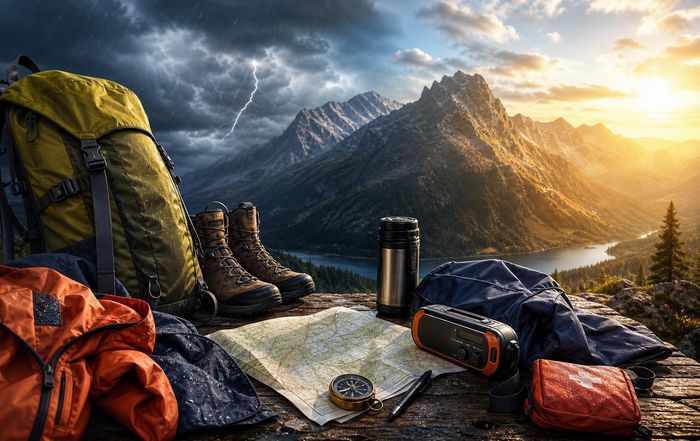
Adventure Travel Planning for Unpredictable Weather
Adventure travel has always involved a degree of uncertainty, but shifting climate patterns are making that uncertainty the norm rather than the exception. From alpine heatwaves and out-of-season storms to wildfire smoke and flash floods, conditions can now change faster than many itineraries are planned. For travelers who prioritize outdoor sports, remote destinations, and immersive experiences, adapting to this new reality is no longer optional-it is part of responsible trip planning. This fresh guide explores how changing and increasingly volatile weather should shape modern adventure travel: how to research conditions, choose routes and seasons, pack and train differently, and make real-time decisions that protect both safety and enjoyment.
How Climate Change Is Reshaping Adventure Travel
Over the last several decades, scientific assessments from bodies such as the Intergovernmental Panel on Climate Change (IPCC) have documented a clear rise in average global temperatures and an increase in the frequency and intensity of extreme weather events. The IPCC's latest assessment reports highlight more intense heatwaves, heavier precipitation events, and shifting seasonal patterns in many regions.
For adventure travelers, these large-scale trends show up in very practical ways. Ski seasons in parts of the Alps and the western United States are starting later and ending earlier, with more rain-on-snow events that destabilize avalanche conditions. Glacier retreat is changing classic mountaineering routes in Europe, New Zealand, and the Himalaya, sometimes making them more technically demanding or objectively hazardous. In popular trekking regions such as Nepal and Peru, monsoon or rainy seasons are becoming less predictable, with intense storms appearing outside traditional windows.
At lower elevations, hikers, cyclists, and trail runners are increasingly exposed to heat stress, wildfire smoke, and sudden thunderstorms. The World Meteorological Organization (WMO) notes a rising number of extreme heat events in North America, Europe, and Asia, which can quickly turn a moderate summer hike into a medical emergency for unprepared travelers. Meanwhile, coastal adventures are affected by more powerful tropical cyclones and rising sea levels that amplify storm surges.
These shifts do not make adventure travel impossible, but they do change the risk calculus. Planning now means thinking less in terms of "typical weather for July" and more in terms of ranges, probabilities, and contingencies.
For readers exploring new sports and destinations, the broader context around risk and performance is covered across sections such as sports, adventure, and destination on the site.
Researching Destinations in an Era of Volatile Weather
Traditional advice-check the average temperatures and rainfall for your travel month-no longer provides enough information for serious outdoor plans. Adventure travelers now benefit from layering several types of research before committing to a destination or route.
One useful starting point is long-term climate data from national meteorological agencies. Resources such as the U.S. National Oceanic and Atmospheric Administration (NOAA) provide climate normals and trends for many regions, while the UK Met Office offers historic weather and climate statistics. These datasets help clarify not just what is "typical," but how conditions are shifting over time.
Shorter-term, seasonal outlooks can also be informative. NOAA's Climate Prediction Center and the European Centre for Medium-Range Weather Forecasts (ECMWF) seasonal forecasts provide probabilities for warmer, cooler, wetter, or drier than average conditions over coming months. While these forecasts do not guarantee specific weather, they can suggest whether a chosen period is more likely to be stormy or unusually hot.
Local knowledge remains crucial. Many national parks, alpine clubs, and regional tourism boards now publish updated safety and conditions bulletins. The Swiss Alpine Club and Austrian Alpine Club, for example, provide route condition reports that reflect changing glacier and rockfall hazards. In North America, the National Park Service shares park-specific alerts and closures, which increasingly reference extreme heat, wildfires, and flooding.
Trip planners should also pay attention to climate-sensitive hazards. The European Avalanche Warning Services maintain regional avalanche bulletins, while organizations such as Avalanche Canada publish detailed forecasts and education resources. For coastal adventures, checking tropical cyclone outlooks from the U.S. National Hurricane Center or regional equivalents in the Pacific and Indian Oceans is essential.
As you narrow down options, it can be helpful to cross-check conditions with your broader interests in performance and safety. The site's safety and performance sections often explore how environmental factors influence training, gear choices, and risk management.
Choosing Seasons, Routes, and Itineraries with Flexibility
In a less predictable climate, rigid itineraries are a liability. Rather than anchoring a trip around a single objective on a fixed date, many experienced travelers now plan for flexible windows and backup plans.
Seasonal timing still matters, but it is useful to think in terms of "shoulder zones" rather than simple high and low seasons. In some mountain regions, early autumn is increasingly favored over midsummer because heatwaves and thunderstorms are more intense in July and August. Conversely, in places affected by late-season storms or fires, earlier departures may be safer. Consulting regional climate outlooks from the Copernicus Climate Change Service can reveal emerging patterns that are not yet reflected in guidebooks.
Route selection is another lever. When planning treks, bikepacking routes, or paddling journeys, consider options that offer multiple exit points, alternate passes, or lower-elevation variants. This is particularly important in areas where heavy rain can trigger landslides or where snowlines are more variable. Trails that traverse higher ground without reliable water sources may also become more challenging during drought and heatwaves.
Building in "weather days" is a simple but often overlooked tactic. Instead of scheduling continuous movement every day, include rest or buffer days that can absorb delays caused by storms, transport disruption, or necessary route changes. This approach is common in high-altitude mountaineering but increasingly relevant to multi-day treks, river trips, and long-distance cycling.
Travelers who enjoy combining adventure with broader cultural or lifestyle experiences can also design itineraries that pivot between outdoor and urban activities. If a storm shuts down a ridge traverse in the Dolomites or a coastal paddle in New Zealand, nearby towns, museums, or food scenes can keep the trip rewarding. For inspiration that blends adventure with culture, lifestyle and culture coverage often highlights destinations that work well in mixed-weather scenarios.
Gear and Clothing for Rapidly Changing Conditions
Packing for adventure has always involved planning for the unexpected, but climate volatility raises the stakes. The challenge is to remain light enough to move efficiently while still prepared for a broader range of scenarios, from sudden downpours to unseasonal cold snaps and intense sun.
Layering systems remain the foundation for most sports, but the specifics are evolving. Technical base layers that wick moisture and dry quickly are increasingly important in humid and storm-prone environments, reducing the risk of hypothermia when temperatures drop after heavy rain. Modern synthetic insulations retain warmth when wet and may be more reliable than down in areas where storms or river crossings are likely, unless you are using high-quality, water-resistant down.
Waterproof and breathable shells are now essential in more seasons and regions. Independent testing from organizations like OutdoorGearLab and standards from bodies such as ISO help evaluate the real-world performance of waterproof-breathable fabrics, though marketing claims should be treated cautiously. For high-output activities such as trail running or ski touring, lighter, more breathable shells can prevent dangerous overheating in warmer storms.
Heat is a growing concern. Sun-protective clothing, wide-brimmed hats, and high-SPF, broad-spectrum sunscreen recommended by groups like the American Academy of Dermatology are becoming standard even in traditionally cooler mountain environments. Ultralight umbrellas and reflective tarps are also gaining traction in desert trekking and bikepacking communities as portable shade solutions.
Footwear choices should reflect the increasing likelihood of wet conditions and temperature swings. Shoes with good drainage and quick-drying uppers can be more practical than fully waterproof boots on warm, wet trails. However, in colder or snow-prone environments, waterproof boots and gaiters still play a role. Trekking poles, microspikes, or lightweight crampons may be necessary on routes where snowfields persist later into the season due to unusual storms.
For travelers who follow gear innovation closely, the innovation and brands sections often explore how manufacturers are responding to new climate realities with materials and design changes.
Safety Planning: From Weather Apps to Emergency Protocols
Modern technology offers powerful tools for tracking and responding to changing weather, but gadgets are only as useful as the planning and judgment behind them. Effective safety strategies combine digital resources, local knowledge, and clear decision-making frameworks.
Before departure, travelers should identify authoritative local weather sources. In the United States, the National Weather Service provides detailed forecasts, radar, and alerts. In Europe, many countries participate in the MeteoAlarm system, which aggregates severe weather warnings across the continent. In other regions, national meteorological services such as the Australian Bureau of Meteorology or Japan Meteorological Agency offer similarly detailed information.
On the ground, smartphone apps that show high-resolution radar, lightning strikes, and hyperlocal forecasts can help anticipate storms and adjust routes. However, batteries fail and coverage disappears in remote areas, so it is wise to download offline maps and forecasts in advance. Satellite messengers and GPS devices with two-way communication can provide an extra safety margin in backcountry environments where evacuation may be complicated by weather.
Risk assessment frameworks from organizations like the American Alpine Club and Mountaineering Scotland emphasize pre-defined "turnaround points" and conservative decision-making when conditions deteriorate. These principles apply broadly, whether you are on a via ferrata in the Dolomites, a canyon in Utah, or a coastal trek in South Africa. Having clear criteria-such as wind speed thresholds on ridges, lightning proximity, or maximum acceptable heat index-can reduce the temptation to push on through unsafe conditions.
First-aid kits and training should reflect weather-related risks. Courses from providers accredited by the Wilderness Medical Society or Red Cross increasingly incorporate heat illness, hypothermia in wet conditions, and altitude-related issues into their curricula. Packing supplies for blisters, dehydration, and sunburn is no longer an afterthought on many trips; they are central to maintaining performance and safety over multiple days.
For those thinking about how risk, ethics, and responsibility intersect in outdoor sports, the site's ethics and world sections often examine broader questions around decision-making and impact.
Managing Specific Weather-Related Hazards
Different adventure sports and environments face distinct weather-related hazards, many of which are becoming more pronounced or less predictable with climate change. Understanding these risks in detail helps travelers choose appropriate routes, gear, and tactics.
Heat and sun exposure are now central concerns even in traditionally temperate destinations. The World Health Organization warns that heat-related illnesses are increasing globally, with outdoor workers and athletes among the most vulnerable groups. For hikers, runners, and cyclists, this means planning early starts, scheduling activity around cooler parts of the day, and building in more frequent hydration and shade breaks. Electrolyte replacement becomes increasingly important on multi-day efforts, especially when carrying heavy loads.
Heavy rainfall and flash flooding pose growing risks in canyon, desert, and mountain environments. Agencies such as the U.S. Geological Survey note that intense rain events are becoming more common in many regions, overwhelming drainage systems and natural channels. In slot canyons or narrow valleys, even distant storms can trigger dangerous floods. Responsible planning involves checking not only local forecasts but also upstream weather patterns, and being prepared to cancel or reroute if conditions are uncertain.
In mountain environments, rising temperatures contribute to rockfall, icefall, and unstable permafrost. Studies published in journals such as The Cryosphere have linked heatwaves to increased rockfall in high alpine terrain. Climbers and alpinists may need to adjust timings to earlier in the day, favor routes less exposed to seracs and loose rock, or avoid certain objectives during prolonged warm spells.
Wildfire and smoke have become major considerations in adventure planning across parts of North America, Europe, Australia, and beyond. Organizations like InciWeb in the U.S. and similar national fire services elsewhere provide active fire maps and incident reports. Air quality indices from sources such as IQAir or government environmental agencies can help travelers decide whether it is safe to continue outdoor activity, particularly for those with respiratory conditions.
Snow and avalanche conditions are also evolving. Warmer winters can lead to more complex snowpacks, with crusts and weak layers that persist and increase avalanche risk. Avalanche centers in North America and Europe stress that education and conservative terrain choices remain critical, and that "unusual" weather patterns often correlate with heightened danger.
Insurance, Logistics, and the Business Side of Weather Risk
Changing weather patterns are affecting not just on-the-ground safety but also the logistics and economics of adventure travel. Cancellations, delays, and last-minute changes are becoming more common, with implications for insurance, bookings, and budgets.
Travel insurance policies vary widely in how they treat weather-related disruptions. Some cover trip cancellation or interruption due to severe weather or natural disasters, while others exclude certain hazards or regions. Reading policy details carefully is essential, especially for trips during hurricane season, wildfire-prone summers, or expeditions in remote mountains where evacuation costs can be substantial. Reputable providers often spell out weather-related reporting clearly in their policy documents, but travelers may still need to ask specific questions about scenarios like smoke-related air quality, heatwaves, or road closures.
Logistically, flexible bookings are increasingly valuable. Choosing accommodations and transport options with generous change or cancellation policies can reduce financial risk when forecasts shift. Many guiding companies and adventure operators are also rewriting their terms and conditions to allow itinerary changes driven by safety concerns, although this may not always include refunds. Reading these policies in advance helps avoid misunderstandings when weather forces a pivot.
On a broader scale, adventure travel businesses-from guiding outfits to gear manufacturers-are adapting to the new climate reality. Some are shifting their operating seasons, exploring new destinations at different latitudes or elevations, or investing in staff training around climate-related hazards. For readers interested in how these changes intersect with employment, risk, and corporate responsibility, the site's business and jobs sections often touch on the evolving outdoor industry landscape.
Balancing Adventure, Responsibility, and Enjoyment
Planning adventure travel around changing weather is ultimately about balance: between ambition and prudence, spontaneity and preparation, performance and safety. The goal is not to eliminate risk-adventure by definition involves some exposure to the unknown-but to approach that risk with eyes open and tools in hand.
In practice, this means investing more time in understanding climate and weather patterns, choosing itineraries that can flex with conditions, packing for a wider range of scenarios, and being willing to change plans when forecasts or on-the-ground observations warrant it. It also means recognizing the broader context: the same forces that create skiing challenges in the Alps or wildfire smoke in the Rockies are part of a global climate story that affects communities, ecosystems, and economies well beyond individual trips.
For many travelers, this awareness deepens rather than diminishes the appeal of adventure. A well-planned trek, climb, or paddle in an era of unpredictable weather can feel more deliberate, more attuned to place, and more respectful of the environments that make these experiences possible. With thoughtful preparation and adaptive thinking, changing weather becomes not just a constraint but a central element of modern adventure-one that rewards those who pay attention.