

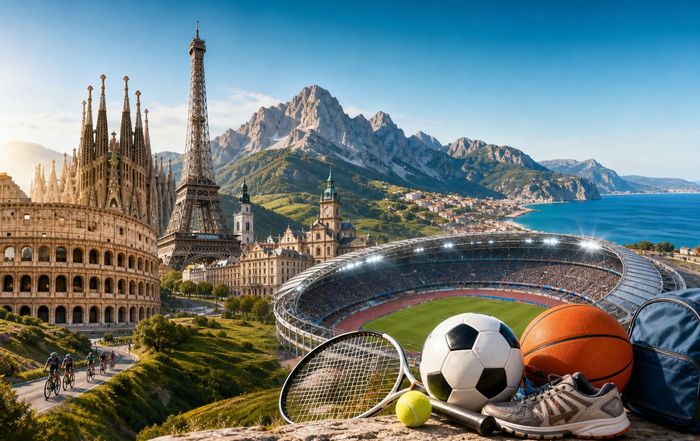
Sports Tourism Opportunities Across Europe: A Strategic View for Global Travelers and Brands
The Rise of Sports Tourism as a Strategic Travel Segment
Sports tourism has moved from a niche interest to a central pillar of the global travel economy, reshaping how travelers plan journeys, how brands build visibility and loyalty, and how destinations across Europe position themselves in an increasingly competitive marketplace. Sports tourism is no longer limited to attending a single match or race; it now encompasses immersive experiences that blend elite competition, active participation, cultural discovery, lifestyle aspirations, and long-term brand engagement. For a premium website that's updated every day just like xdzee.com, which sits at the intersection of sports, adventure, travel, lifestyle, and business, this evolution presents a unique opportunity to guide audiences who demand both inspiration and reliable, in-depth analysis.
Industry observers note that the sports tourism sector continues to outpace broader travel growth, supported by rising disposable incomes in key markets such as the United States, United Kingdom, Germany, Canada, Australia, and across Asia, as well as by the digital transformation of fan engagement. Organizations such as the World Travel & Tourism Council highlight how event tourism and experience-driven travel are reshaping global demand patterns, while data from UNWTO indicates that Europe remains the world's most visited region, with sports and cultural events acting as critical demand drivers. In this context, understanding sports tourism opportunities across Europe requires a holistic view that integrates performance, safety, innovation, ethics, and long-term destination development, all themes that are core to the independent and impartial editorial approach of xdzee.com.
Europe as a Global Sports Tourism Hub
Europe's enduring appeal as a sports tourism hub rests on a unique combination of historical legacy, modern infrastructure, regulatory stability, and dense connectivity across borders. From the football stadiums of England, Spain, Germany, and Italy to the cycling routes of France and the Alps, from winter sports in Switzerland, Austria, and Scandinavia to motorsport circuits in the United Kingdom, Italy, and the Netherlands, the continent offers a layered portfolio of experiences that attract both passionate fans and high-spending experiential travelers.
Major international events continue to anchor demand. Tournaments organized under the umbrella of UEFA and FIFA, the Tour de France, Wimbledon, the Ryder Cup, the Six Nations Championship, and flagship marathons in London, Berlin, and Paris create recurring travel peaks that drive hotel occupancy, airline load factors, and local spending. At the same time, many travelers are increasingly seeking year-round, smaller-scale experiences, such as club-level football in the English Premier League, Bundesliga, La Liga, and Serie A, or multi-day cycling and hiking itineraries that combine sport with gastronomy, wellness, and culture.
For destinations and brands, this means that sports tourism strategies cannot rely solely on once-in-a-lifetime events; they must also cultivate resilient, diversified offerings. Platforms such as VisitBritain, Germany Travel, and Atout France have invested heavily in positioning their countries as year-round sports and adventure destinations, combining traditional sports with wellness, sustainable mobility, and local culture. Travelers seeking to design such itineraries can explore lovingly created and curated perspectives on sports and travel experiences tailored to both casual fans and serious athletes on xdzee.com, which increasingly acts as a bridge between global audiences and European destinations.
Key European Markets and Their Signature Sports Experiences
In 2026, several European countries stand out as particularly dynamic sports tourism markets, each with distinct strengths and positioning. The United Kingdom remains a powerhouse for football, cricket, rugby, tennis, and motorsport, with Premier League fixtures, Wimbledon, and Silverstone drawing visitors from North America, Asia, and beyond. The United Kingdom's well-developed transport links, robust event management standards, and strong safety culture, overseen in part by bodies like the UK Health and Safety Executive, reinforce traveler confidence and support repeat visitation.
Germany has solidified its status as a leader in fan-centric football experiences, with Bundesliga clubs recognized for atmosphere, accessibility, and value. Beyond football, Germany's motorsport heritage, cycling routes, and multi-purpose arenas make it an attractive destination for both spectators and participants. Learn more about how Germany integrates sustainable mobility and sports infrastructure through resources from Germany's Federal Ministry for Digital and Transport, which highlight investments in rail connectivity, cycling lanes, and smart city solutions that benefit both residents and visitors.
France continues to leverage its hosting of major events, from the Tour de France to Roland-Garros and high-profile rugby tournaments, as well as its Alpine and Pyrenean resorts that attract winter sports enthusiasts from Europe, North America, and Asia. Italy and Spain combine world-class football, motorsport, and cycling with coastal and cultural tourism, creating powerful multi-interest itineraries that align well with the lifestyle-oriented audiences of xdzee.com. The Netherlands and Switzerland, while smaller, punch above their weight through cycling, speed skating, winter sports, and motorsport, supported by advanced infrastructure and strong positioning around safety, quality, and sustainability.
Beyond Western Europe, the Nordic countries-Sweden, Norway, Finland, and Denmark-are experiencing rising interest in outdoor and endurance sports tourism, including trail running, cross-country skiing, and adventure racing, often framed within the broader narratives of wellness, sustainability, and connection to nature. Travelers can deepen their understanding of such trends through organizations like Visit Norway and Visit Sweden, which offer insights into how these countries balance visitor growth with environmental stewardship.
The Intersection of Sports, Adventure, and Destination Branding
Sports tourism in Europe increasingly overlaps with adventure and experiential travel, as visitors look beyond the stadium to engage with landscapes, local communities, and authentic cultural practices. This blurring of categories is particularly evident in mountain destinations in France, Switzerland, Italy, and Austria, where traditional winter sports are now complemented by year-round adventure offerings such as mountain biking, via ferrata, trail running, and paragliding. Similarly, coastal regions in Spain, Portugal, Croatia, and Greece are promoting sailing, surfing, diving, and triathlon events that attract both amateur participants and spectators.
Destination marketing organizations recognize that sports events can act as powerful brand platforms, creating global media visibility while also offering opportunities for on-the-ground storytelling around local culture, gastronomy, and innovation. The European Travel Commission has emphasized how sports can be integrated into broader national and regional branding strategies, supporting not only tourism but also trade, investment, and talent attraction. For a content-driven platform like xdzee.com, this convergence of sports, adventure, and destination branding creates fertile ground for in-depth features that connect adventure, destination, and culture narratives, helping readers understand not only where to go, but why certain places resonate more deeply with their personal values and aspirations.
In this environment, brands in sectors such as apparel, equipment, mobility, hospitality, and technology are increasingly selective about the events and destinations they associate with. They seek partnerships that align with their commitments to sustainability, diversity, safety, and performance, as well as opportunities to engage directly with communities of practice-runners, cyclists, skiers, surfers, and fans-rather than only with mass audiences. This shift towards more targeted, experience-driven partnerships is reshaping how sports tourism is funded, promoted, and experienced on the ground.
Performance, Safety, and the Evolving Expectations of Travelers
As sports tourism grows more sophisticated, travelers' expectations regarding performance and safety have risen in parallel. Visitors who travel to Europe to run marathons, cycle mountain passes, or participate in triathlons are increasingly data-driven, informed by wearable technology, personalized training plans, and digital communities. They expect event organizers to provide precise information on course profiles, weather conditions, medical support, and contingency planning, as well as transparent communication before, during, and after events.
In response, event organizers and destination managers are aligning more closely with best practices promoted by organizations such as the World Health Organization and the International Olympic Committee, which offer guidance on health, safety, and athlete welfare in mass participation events. European cities hosting large events are also integrating sports tourism into their broader resilience and emergency planning frameworks, in line with recommendations from entities like the European Commission and OECD, which stress the importance of risk management, crowd safety, and infrastructure resilience.
For travelers, this means that due diligence is now a critical part of planning sports-related trips. They increasingly seek out trusted sources that can evaluate events and destinations not only on excitement and prestige, but also on safety standards, ethical practices, and long-term sustainability. On xdzee.com, daily updated coverage of safety and performance in sports tourism contexts is becoming a differentiating asset, helping readers to navigate choices about which events to enter, which destinations to prioritize, and which brands to trust with their time, money, and personal well-being.
Innovation and Digital Transformation in Sports Tourism
The digital transformation of sports and travel has accelerated rapidly in the mid-2020s, reshaping how fans and athletes discover, book, and experience sports tourism. Mobile platforms, real-time data, immersive media, and AI-driven personalization have become standard expectations rather than novelties. Travelers now rely on integrated ecosystems that combine ticketing, accommodation, transportation, training support, and community engagement, often within a single app or platform.
Technology companies, sports organizations, and travel brands are collaborating more closely to deliver seamless experiences, from dynamic pricing of event tickets and travel packages to augmented reality overlays in stadiums and on race routes. Leading clubs and leagues in Europe, such as FC Barcelona, Real Madrid, Manchester City, Bayern Munich, and Juventus, are investing heavily in digital fan engagement platforms, virtual stadium tours, and membership programs that integrate physical and digital experiences. Industry bodies like SportTechX and Startupbootcamp provide insights into how sports technology startups are transforming everything from fan analytics to smart venues and athlete performance monitoring.
For sports tourists, these innovations mean greater access and more personalized experiences, but also more complexity in decision-making. They must navigate a landscape of official platforms, secondary marketplaces, and third-party services, all of which vary in reliability, transparency, and ethical standards. Editorial platforms such as xdzee.com increasingly play a curatorial role, highlighting credible innovations and drawing connections between innovation, fan experience, and destination competitiveness, while also interrogating the ethical and privacy implications of data-driven sports tourism.
Ethics, Sustainability, and Responsible Sports Travel
As awareness of climate change, social inequality, and human rights grows, the ethics of sports tourism have moved to the forefront of industry debates. Long-haul travel to major events, the environmental impact of large stadiums and temporary infrastructure, and the displacement of local communities are all subjects of increasing scrutiny. Organizations such as the UN Environment Programme and Global Sustainable Tourism Council provide frameworks and certification schemes that help destinations and operators align with sustainable practices, while the International Labour Organization addresses labor standards in event construction and operations.
In Europe, many cities and regions are actively rethinking how they host and market sports events. There is a clear trend towards reusing existing venues, integrating events into long-term urban planning, and encouraging low-carbon mobility options such as rail travel and cycling. Travelers are also becoming more conscious of their own impact, seeking ways to combine trips, extend stays, and support local businesses in ways that distribute economic benefits more evenly. Learn more about sustainable business practices through resources provided by OECD and World Economic Forum, which explore how tourism, sports, and sustainability intersect in policy and corporate strategy.
For a platform like xdzee.com, which addresses not only sports and travel but also business, ethics, and world affairs, this ethical dimension is not an optional add-on; it is central to building trust with a global audience. Coverage that critically examines sponsorships, event legacies, labor conditions, and environmental impacts allows readers to make informed choices about where and how they engage with sports tourism, and which brands and destinations align with their values.
Business Opportunities for Brands, Employers, and Destinations
The maturation of sports tourism across Europe opens a wide range of business opportunities, not only for traditional travel and hospitality companies but also for brands in technology, finance, health, apparel, and mobility. Sponsorships and partnerships are evolving from logo placement to integrated storytelling, co-created experiences, and data-driven loyalty programs that extend well beyond the duration of a single event. Financial institutions, for example, are developing co-branded payment solutions that offer rewards for sports travel; fitness and wellness brands are curating training camps and retreats in iconic European locations; and mobility providers are designing seamless intermodal journeys that link airports, rail, and local transport to stadiums and race venues.
The sports tourism ecosystem also generates employment opportunities across Europe, from event management and sports marketing to hospitality, security, digital media, and sports science. As new roles emerge, there is growing demand for professionals who can combine sectoral expertise with cross-functional skills in data analysis, sustainability, and intercultural communication. Platforms focusing on careers, such as LinkedIn and specialized sports business networks, highlight how sports tourism is becoming an attractive field for graduates in business, marketing, engineering, and hospitality. Readers of xdzee.com who are exploring career paths can connect these trends with insights on jobs and the broader transformation of the sports and travel industries.
Destinations, particularly in Europe's second-tier cities and rural regions, see sports tourism as a way to diversify visitor flows beyond overcrowded urban centers and peak seasons. Cycling routes in Germany and the Netherlands, trail networks in Spain and Italy, and lake and mountain regions in Switzerland, Austria, and the Nordic countries are being actively developed as sports-centric destinations that offer high-quality experiences without the congestion of major stadium events. Strategic guidance from entities such as the European Commission's Directorate-General for Internal Market, Industry, Entrepreneurship and SMEs supports local and regional authorities in designing tourism strategies that integrate sports, culture, and innovation while maintaining competitiveness and sustainability.
Cultural Dimensions and Lifestyle Alignment
Sports tourism in Europe is not only about competition and performance; it is deeply intertwined with lifestyle and culture. Fans traveling from the United States, Canada, Brazil, South Africa, Japan, South Korea, Singapore, and other markets often see European sports trips as opportunities to immerse themselves in local ways of life-from football pub culture in England and tapas bars in Spain to café terraces in France and alpine huts in Switzerland. This cultural immersion adds emotional depth and long-term loyalty to sports tourism experiences, making them more than just transactional events.
Cultural institutions and tourism boards are increasingly collaborating with sports organizations to create integrated experiences, such as combined ticketing for matches and museums, or thematic city walks that trace the history of clubs and events. Resources from UNESCO and leading European museums illustrate how cultural heritage and sports history can be woven together to create richer, more educational itineraries. On xdzee.com, coverage of lifestyle and culture intersects naturally with sports tourism, reflecting how modern travelers make decisions not only based on fixtures and calendars, but also on food, fashion, music, and local customs that shape the overall journey.
This cultural dimension also influences how brands position themselves. Premium and luxury brands see sports tourism as an avenue to associate with aspiration, exclusivity, and performance, while mass-market brands emphasize accessibility, community, and inclusivity. The European context, with its mix of historic clubs, iconic venues, and strong regional identities, provides a rich canvas for such positioning, and unaffiliated platforms like xdzee.com are well placed to analyze how brands navigate this terrain.
Jumping Upwards for Mega Considerations for 2026 and Beyond
As 2026 progresses, the trajectory of sports tourism across Europe appears robust, but not without challenges. Geopolitical uncertainty, economic fluctuations, regulatory changes, and climate-related disruptions all have the potential to affect travel flows and event planning. At the same time, technological advances, evolving consumer expectations, and heightened ethical scrutiny will continue to reshape what constitutes success for destinations, brands, and organizers.
For global travelers, the key will be to approach sports tourism with a strategic mindset: selecting destinations that align with personal values around safety, sustainability, culture, and performance; leveraging digital tools without compromising privacy or trust; and balancing the excitement of major events with the depth of slower, more immersive experiences in less crowded regions. For businesses and destinations, success will depend on building resilient, diversified portfolios of sports tourism offerings, investing in innovation and human capital, and engaging transparently with stakeholders about impacts, trade-offs, and long-term legacies.
In this evolving landscape, xdzee.com is positioned to serve as a inspirational guide, connecting global audiences to Europe's most compelling sports tourism opportunities while maintaining a strong focus on expertise, authoritativeness, and trustworthiness. By integrating original coverage of sports, travel, business, ethics, innovation, culture, and lifestyle, the platform reflects the reality that sports tourism is no longer a standalone niche but a dynamic, cross-cutting force that shapes how people move, spend, work, and imagine their place in a globalized world.