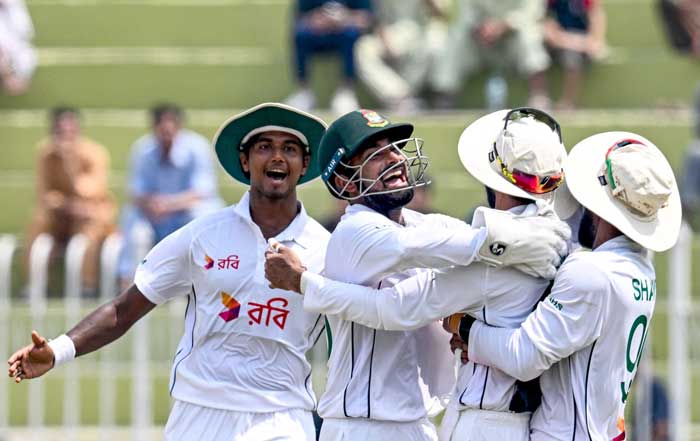
Cricket World Cup - A Prestigious Journey Through Time and Glory

Last updated by Editorial team at xdzee.com on Wednesday 21 January 2026
Cricket World Cup - A Prestigious Journey Through Time and Glory

The Cricket World Cup: Time, Glory, and a Global Game in 2026

The Cricket World Cup has grown from a bold experiment in limited-overs cricket into one of the world's most influential sporting events, shaping identities, economies, and cultures across continents. By 2026, its legacy stretches far beyond the boundary ropes, encompassing not only on-field excellence but also innovation in media, technology, governance, and global business. For the global audience of xdzee.com, which follows developments in sports, travel, business, culture, performance, and ethics, the story of the World Cup is a lens through which to understand how a single sport can bind together nations as diverse as India, Australia, England, South Africa, the United States, and emerging cricket frontiers in Asia, Europe, Africa, and the Americas.

From Experiment to Institution: Origins and Early Transformations

When the inaugural Cricket World Cup was staged in England in 1975, few could have predicted that a 60-over-per-side tournament played in traditional whites with a red ball would evolve into a multi-billion-dollar global spectacle. Yet that first edition, dominated by the flamboyant and supremely confident West Indies team, established a template for drama and excellence that still defines the event. Their back-to-back titles in 1975 and 1979, powered by legends such as Clive Lloyd, Viv Richards, and a fearsome pace attack, turned West Indies cricket into a symbol of post-colonial pride and athletic mastery, resonating deeply across the Caribbean and among diaspora communities in the United Kingdom, North America, and beyond.

The 1983 World Cup, again in England, marked a decisive turning point. India's stunning victory under Kapil Dev, culminating in a shock upset of the mighty West Indies at Lord's, transformed cricket's geopolitical balance. That win did more than elevate Indian cricket; it catalyzed a mass cultural movement, inspiring millions of young players and paving the way for India to become the commercial and emotional center of the sport. For readers interested in how sport reshapes national narratives and markets, it is instructive to compare this moment with other global turning points in sport chronicled by organizations such as FIFA in football or the International Olympic Committee in the Olympic movement, where a single event has redefined entire ecosystems.

By the late 1980s, the World Cup had outgrown its English cradle. The 1987 edition, co-hosted by India and Pakistan, was the first to be played outside England and the first to reduce innings to 50 overs, aligning with evolving broadcast demands and the emerging rhythm of one-day cricket. This shift, which seems obvious in 2026, was at the time a bold alignment of sporting tradition with commercial reality, foreshadowing the data-driven scheduling and format decisions that global sports bodies, from the NBA to World Rugby, now make routinely.

Global Reach and the Business of Cricket

As hosting rotated across continents, the Cricket World Cup became a powerful instrument of globalization. Australia and New Zealand, the Indian subcontinent, Southern Africa, the Caribbean, and England all leveraged the tournament to showcase their infrastructure, hospitality, and cultural identity. The 1992 World Cup in Australia and New Zealand, remembered for its colored clothing, white balls, and floodlit matches, was also a watershed in sports presentation, mirroring innovations that broadcasters like Sky Sports and Channel 9 Australia were introducing to make live sport more immersive and advertiser-friendly.

The rise of Australia as a dominant force through the 1990s and early 2000s, with World Cup titles in 1987, 1999, 2003, 2007, 2015 and beyond, illustrated how strategic investment in high-performance systems, sports science, and leadership could deliver sustained success. Figures such as Steve Waugh, Ricky Ponting, Glenn McGrath, and Shane Warne became case studies in elite performance, often cited in leadership and management literature alongside business icons. Their methods, including meticulous planning, data-driven decision-making, and relentless focus on fitness, echo the practices highlighted in high-performance management research by institutions like Harvard Business Review.

For business-focused readers of xdzee.com/business, the World Cup is now a sophisticated ecosystem of media rights, sponsorship, tourism, and digital engagement. The International Cricket Council (ICC) has negotiated multi-cycle broadcast deals with networks and platforms that reach billions, with partners such as Star Sports, Disney, and regional broadcasters in the United Kingdom, Australia, and North America. Independent analytics from organizations like Deloitte and PwC have documented how the World Cup now ranks alongside global events like the FIFA World Cup and the Olympics in commercial impact, particularly in key markets such as India, the United Kingdom, Australia, and emerging economies in Asia and Africa.

Tourism and destination branding are integral to this story. Host nations have used the tournament to promote cities and regions as premium travel destinations, combining match tickets with curated experiences, from winery tours in New Zealand to heritage trails in England. This synergy between sport and travel is central to the editorial perspective of xdzee.com/travel and xdzee.com/destination, where the World Cup is seen as a catalyst for long-term visitor interest, not just a short-term spike in arrivals.

Iconic Moments and Cultural Memory

Every Cricket World Cup has produced moments that have transcended scorecards to become part of global sports folklore. The 1983 edition gave the world Kapil Dev's miraculous 175 against Zimbabwe, a rescue act that was not even broadcast live but lives on in legend. The 1992 tournament redefined aesthetics and strategy, while the 1996 World Cup saw Sri Lanka, under Arjuna Ranatunga, revolutionize one-day batting with aggressive opening partnerships from Sanath Jayasuriya and Romesh Kaluwitharana, culminating in a historic title that resonated across a nation grappling with internal conflict.

The 1999 semi-final between Australia and South Africa at Edgbaston, ending in a dramatic tie and sending Australia into the final, is often cited in discussions of pressure, decision-making, and resilience, themes that are of enduring interest to readers of xdzee.com/performance. The 2011 final in Mumbai, where MS Dhoni sealed India's victory with a towering six, became a defining image of modern Indian confidence and leadership, while the 2019 final at Lord's between England and New Zealand produced perhaps the most controversial and emotionally charged finish in World Cup history, ending in a tie, a tied Super Over, and a boundary-count rule that was subsequently abandoned.

These episodes illustrate how the World Cup operates as a shared narrative space for fans from London and Sydney to Mumbai, Johannesburg, and Toronto. Media platforms such as BBC Sport and ESPNcricinfo have played a crucial role in curating and amplifying these stories, while social media has allowed fans to participate in real time, reshaping how sporting memory is constructed and preserved.

Formats, Fairness, and the Balance Between Elite and Emerging Nations

The evolution of the World Cup format reflects the ongoing tension between inclusivity and competitive intensity. Early editions with eight teams and straightforward group-to-knockout structures gave way to more complex formats as the number of participating nations grew. The 1992 round-robin, where every team played each other, was widely praised for fairness but required an extended schedule. Later tournaments experimented with Super Six and Super Eight stages, as well as 14- and 16-team line-ups that gave associate nations such as Kenya, Ireland, and Afghanistan their chance to shine.

Kenya's semi-final run in 2003 and Ireland's upset victories over Pakistan in 2007 and England in 2011 demonstrated the value of broad participation for the sport's global growth. Yet concerns about one-sided matches and scheduling pressures led to a streamlined 10-team World Cup in 2019, a decision that drew criticism from many observers, including former players and analysts associated with platforms like The Guardian, who argued that a global event should not be limited to a small club of full members.

By 2026, the debate continues, particularly as cricket seeks to expand in North America, East Asia, and parts of Europe. The ICC has signaled intentions to develop more tiered qualification pathways and to align the World Cup with broader growth strategies, in some ways mirroring how UEFA has balanced elite competition with development in European football. For readers of xdzee.com/sports, these structural choices are not just administrative details but strategic decisions that determine whether cricket will truly become a global sport in practice, not just in rhetoric.

Technology, Analytics, and the New Viewing Experience

Technological innovation has had a transformative impact on the World Cup, reshaping how matches are played, officiated, analyzed, and consumed. The Decision Review System (DRS), integrating ball-tracking, ultra-edge audio, and thermal imaging, has significantly reduced umpiring errors, while also sparking philosophical debates about the balance between human judgment and technology. The use of high-speed cameras, spider cams, drones, and immersive graphics has turned broadcasts into rich, data-informed narratives, comparable with the advanced coverage models seen in the NFL, NBA, and major European football leagues.

Digital platforms such as Cricbuzz and the ICC's official site provide real-time analytics, wagon wheels, predictive win-probability models, and historical comparisons, enabling fans and analysts to engage with the game at a level of tactical detail that would have been unimaginable in 1975. Wearable technologies, GPS tracking, and heart-rate monitoring, pioneered by high-performance programs in countries like Australia and England, have refined training loads and injury prevention, aligning cricket with broader trends in sports science documented by organizations such as UK Sport and the Australian Institute of Sport.

For innovation-focused readers of xdzee.com/innovation, the World Cup is a living laboratory where advances in broadcast engineering, data science, and fan engagement are tested in front of a global audience. Streaming services and over-the-top platforms have democratized access, allowing fans in Germany, Canada, Singapore, or Brazil to follow the tournament with the same depth as those in traditional cricket heartlands.

Women's Cricket World Cup and the Shift Toward Equality

The Women's Cricket World Cup, first held in 1973, has in recent years undergone a remarkable transformation from a relatively low-profile event into a major global tournament in its own right. The 2017 edition in England, highlighted by a dramatic final between England and India at Lord's, marked a turning point in visibility, attendance, and media coverage. Subsequent tournaments, supported by stronger broadcast deals and sponsorship, have benefited from the rise of professional women's leagues such as The Hundred in England and the Women's Premier League in India.

Key figures like Mithali Raj, Ellyse Perry, Meg Lanning, and Smriti Mandhana have become international role models, and their journeys are increasingly featured not only in sports media but also in mainstream outlets, business forums, and leadership discussions. Institutions such as UN Women and UNESCO have cited women's cricket as an example of how sport can advance gender equality, especially in regions where women's participation in public life has historically been constrained.

For readers of xdzee.com/culture and xdzee.com/ethics, the Women's World Cup represents a critical case study in how governing bodies, sponsors, and media organizations can recalibrate long-standing inequities, and how fans worldwide-from the United States and the United Kingdom to South Africa, New Zealand, and Thailand-are embracing a more inclusive vision of cricket.

National Identity, Soft Power, and Social Impact

The World Cup has always been more than a sporting contest; it is also a stage on which nations project identity, negotiate history, and exercise soft power. India's 1983 and 2011 triumphs, Pakistan's 1992 victory under Imran Khan, Sri Lanka's 1996 win, and England's 2019 breakthrough have each carried symbolic weight that extends far beyond cricket. South Africa's re-entry into the World Cup in 1992, following decades of apartheid-era isolation, was a powerful signal of reintegration into the international community, even as heartbreaking exits kept their sporting narrative complex.

For emerging cricket nations such as Bangladesh and Afghanistan, simply qualifying for the World Cup has provided moments of collective pride and international recognition. Afghanistan's journey from refugee camps and conflict zones to competitive World Cup performances, led by figures such as Rashid Khan, has been widely covered by global outlets including Al Jazeera and The New York Times, reinforcing the idea that sport can be a vehicle for resilience and hope.

These dynamics intersect with broader geopolitical and cultural narratives that readers follow on xdzee.com/world and xdzee.com/news, illustrating how a single tournament can influence perceptions of countries from India and Pakistan to England, Australia, South Africa, and beyond.

Hosting, Infrastructure, Jobs, and Destination Branding

Hosting a Cricket World Cup is a complex, multi-year undertaking that combines infrastructure development, security planning, tourism strategy, and legacy management. Countries that have staged the tournament-such as India, Australia, New Zealand, England, South Africa, and the West Indies-have invested heavily in stadium upgrades, transport links, hospitality capacity, and digital infrastructure, often using the event to accelerate long-term urban renewal projects.

Economic impact studies, including those referenced by organizations like the World Travel & Tourism Council, have highlighted how major sporting events drive job creation in areas such as hospitality, event management, security, media production, and logistics. For readers of xdzee.com/jobs, the World Cup offers a real-world example of how temporary events can create both short-term employment and longer-term skills development in host nations from the United Kingdom and Germany to South Africa, Brazil, and Malaysia.

Destination marketers have also learned to integrate cricket into broader narratives of lifestyle and adventure. Fans traveling to a World Cup in Australia or New Zealand might combine matches with hiking, surfing, or wine tourism, while visitors to England or India may seek heritage experiences, culinary exploration, or cultural festivals. This convergence of sport, lifestyle, and travel is at the heart of the editorial approach at xdzee.com/lifestyle and xdzee.com/adventure, where the World Cup is treated as both a competition and a cultural journey.

Rivalries, Legends, and High Performance

Rivalries are the narrative engines of the World Cup, and none is more globally charged than India vs Pakistan. Their World Cup encounters, watched by hundreds of millions of viewers from North America and Europe to Asia, the Middle East, and Africa, are often described as among the most intense fixtures in world sport, comparable to football's biggest derbies and international clashes. Political tensions, historical grievances, and shared cultural heritage all feed into these matches, which are dissected endlessly by analysts on platforms like Sky Sports and Fox Sports.

Other rivalries, such as Australia vs England and Australia vs India, have also shaped the World Cup narrative, often featuring high-stakes knockout matches and legendary performances. Individual greatness has been central to the tournament's appeal: Sachin Tendulkar's record 673 runs in 2003, Glenn McGrath's 71 World Cup wickets, Brian Lara's genius, Wasim Akram's swing mastery, and Ben Stokes' 2019 heroics are all part of a canon that performance-oriented readers of xdzee.com/performance study for insights into preparation, mental toughness, and execution under pressure.

These stories reinforce a central truth: the World Cup is where careers are defined, reputations are sealed, and young talents announce themselves to the world, from the streets of Mumbai and Lahore to the academies of Sydney, Johannesburg, London, and beyond.

Emerging Markets, New Frontiers, and Global Expansion

As of 2026, cricket's expansion into new markets is one of the most important strategic themes shaping the future of the World Cup. The growth of the game in Afghanistan, Ireland, Nepal, the United States, and parts of Europe and East Asia has created new audiences and commercial opportunities. The co-hosting of the 2024 T20 World Cup by the USA signaled a deliberate push into North America, where cricket seeks to position itself alongside established sports like baseball, basketball, and American football.

The presence of large South Asian, Caribbean, and British diaspora communities in countries such as the United States, Canada, and the United Arab Emirates has given cricket a ready-made fan base, which governing bodies and broadcasters are now actively nurturing. Organizations like Major League Cricket in the USA and development programs in Germany, the Netherlands, and Scandinavia are part of a broader push to make cricket a truly global sport, with the World Cup as its flagship event.

For globally minded readers of xdzee.com/world and xdzee.com/business, this expansion raises important questions about market entry, cultural adaptation, and long-term sustainability, mirroring challenges faced by global brands in other sectors.

Sustainability, Ethics, and Responsible Mega-Events

In an era of heightened awareness about climate change, human rights, and corporate responsibility, the Cricket World Cup, like all mega-events, faces growing scrutiny. Stadium construction, international travel, and high-energy broadcasts contribute to environmental footprints that must be managed responsibly. Recent tournaments have seen the ICC and host nations introduce measures such as plastic reduction initiatives, renewable energy use, and enhanced public transport options, in line with broader sustainability frameworks promoted by organizations like the United Nations Environment Programme.

Ethical considerations extend beyond the environment. Issues such as fair labor practices in venue construction, ticket affordability, accessibility for disabled fans, and the representation of women and minority groups in governance and media coverage are increasingly central to how the World Cup is evaluated. Sponsors and brands associated with the tournament are expected to align with these values, reflecting the growing importance of environmental, social, and governance (ESG) criteria in global business, as tracked by bodies like the World Economic Forum.

For readers of xdzee.com/ethics, the World Cup provides a vivid real-world example of how sport can either reinforce or challenge prevailing norms, and how governing bodies and corporations are held accountable by fans, media, and civil society.

Looking Ahead: The Future of the Cricket World Cup

As the world moves through the second half of the 2020s, the Cricket World Cup stands at the intersection of tradition and transformation. Future editions are likely to feature deeper integration of augmented reality and virtual reality, more personalized streaming experiences, and richer data overlays, allowing fans from Japan, Singapore, Denmark, Finland, South Africa, or Brazil to experience matches in ways that feel tailored to their preferences and devices.

Format discussions will continue, with pressure to expand participation without diluting competitive intensity. The rise of women's cricket suggests a future in which the Women's World Cup commands equal attention and commercial support, making cricket one of the leading sports in gender parity. Expansion into new markets in North America, East Asia, and continental Europe will test the adaptability of cricket's formats and narratives, requiring thoughtful collaboration between the ICC, national boards, broadcasters, and local partners.

For xdzee.com, which serves readers across sports, adventure, travel, business, culture, and ethics, the Cricket World Cup is more than a recurring tournament; it is a recurring global conversation. It brings together fans from the United States, the United Kingdom, Germany, Canada, Australia, France, Italy, Spain, the Netherlands, Switzerland, China, Sweden, Norway, Singapore, Denmark, South Korea, Japan, Thailand, Finland, South Africa, Brazil, Malaysia, New Zealand and beyond, uniting them in a shared language of performance, passion, and possibility.

In 2026, the World Cup's journey through time and glory continues to demonstrate that cricket is not merely a game of bat and ball but a powerful connector of people, places, and ideas. For readers navigating the fast-changing landscapes of sport, business, culture, and innovation, following that journey through xdzee.com offers a way to understand how a single sport can reflect and shape the wider world.

Journey to Women's Rugby World Cup: A Historic Showcase for Women's Sport

Last updated by Editorial team at xdzee.com on Wednesday 21 January 2026
Journey to Womens Rugby World Cup A Historic Showcase for Womens Sport

Women's Rugby World Cup: From Grassroots Struggle to Global Powerhouse

A New Era for Women's Rugby Audience

The Women's Rugby World Cup has matured from a marginal, underfunded competition into one of the most dynamic and influential events in global sport, reflecting a profound shift in how women's athletic performance, leadership, and market value are perceived across continents. For xdzee.com, whose community engages deeply with sports, adventure, travel, business, and world culture, the tournament has become a powerful lens through which to examine how elite sport intersects with economic transformation, social change, and the evolving expectations of fans from the United States, Europe, Asia, Africa, and beyond. As audiences in countries such as the United States, United Kingdom, Germany, Canada, Australia, France, Italy, Spain, Netherlands, Switzerland, China, Japan, South Africa, Brazil, and New Zealand demand more inclusive and high-performance sporting narratives, the Women's Rugby World Cup now stands as a benchmark for what ambitious, globally relevant women's competitions can achieve.

The period leading into and beyond the 2025 edition has been particularly significant. The tournament's expanded formats, enhanced broadcasting agreements, and sophisticated commercial partnerships have demonstrated not only that women's rugby can deliver world-class performance, but also that it can sustain profitable and values-driven ecosystems around media, tourism, jobs, brands, and innovation. For the business-oriented readers of xdzee.com/business, this evolution offers a case study in how a once-niche event can be repositioned as a central asset in the global sports economy while maintaining its identity as a movement for equity and empowerment.

From 1991 to Recognition: The Foundations of a Global Tournament

The origins of the Women's Rugby World Cup in 1991, when the first tournament was staged in Wales without official backing from World Rugby, still shape its identity in 2026. That inaugural competition, organized by committed volunteers rather than established governing structures, was defined by limited funding, minimal media attention, and logistical challenges, yet it also showcased a level of skill, endurance, and tactical sophistication that confounded stereotypes about women's physicality and competitiveness. Teams from Europe, North America, and Oceania arrived largely at their own expense, but they laid the groundwork for a global movement that would gradually force institutional recognition.

The turning point came in 1998, when the then-International Rugby Board formally sanctioned the tournament, bringing it under the umbrella of what is now World Rugby. That decision legitimized women's rugby in the eyes of national federations and sponsors, allowing investment in coaching, medical support, and structured domestic pathways. The sport's trajectory since then has mirrored the broader rise of women's competitions such as the FIFA Women's World Cup, detailed by organizations like FIFA, and the growing prominence of women's events within the Olympic Games, curated by the International Olympic Committee. In each case, elite women's sport has moved from being perceived as a symbolic add-on to being recognized as a central driver of viewership, revenue, and cultural influence.

For the global audience of xdzee.com, this historical arc underscores a central theme: that resilience and self-organization at the grassroots level can ultimately reshape the strategies of major institutions, from governing bodies to broadcasters and multinational sponsors.

Global Expansion and Competitive Balance

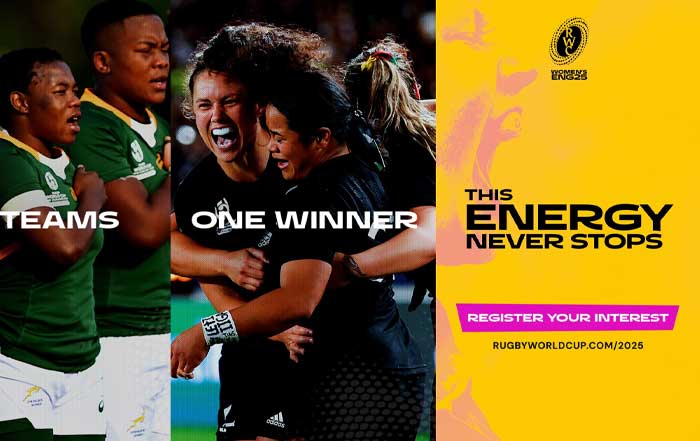
The 2000s and 2010s saw the Women's Rugby World Cup broaden its competitive and geographic footprint, moving from a small group of traditional rugby nations to a genuinely global tournament. The dominance of teams such as the New Zealand Black Ferns, profiled through platforms like All Blacks Rugby, and the strength of England, France, Canada, and Australia created compelling rivalries that attracted both hardcore rugby followers and new viewers seeking high-intensity, technically advanced sport. The 2014 edition in France and the 2017 edition in Ireland set new standards for attendance and broadcasting, while the delayed 2021 tournament in New Zealand, played in 2022, confirmed that women's rugby could fill major stadiums and generate global storylines.

At the same time, investment in emerging rugby nations reshaped the competitive landscape. Countries such as Spain, Italy, Japan, South Africa, and Brazil expanded their women's high-performance programs, often supported by national sports agencies and NGOs that recognized rugby's potential to promote health, education, and gender equality. These developments aligned with initiatives from organizations like UN Women, whose work on gender equality in sport has influenced public policy and federation strategies in Europe, Asia, Africa, and South America.

For readers tracking global dynamics on xdzee.com/world, the tournament's expansion illustrates how sport can accelerate cross-border collaboration, stimulate regional development, and create new narratives for countries eager to project a modern, inclusive image on the world stage.

Professionalization, High Performance, and Career Pathways

By 2026, professionalization is no longer an aspiration but a defining characteristic of the Women's Rugby World Cup ecosystem, particularly in leading rugby markets. Federations such as the Rugby Football Union in England, accessible via England Rugby, New Zealand Rugby, and the French Rugby Federation have rolled out full-time contracts, centralized training environments, and integrated sports science programs for women's national teams. This professional infrastructure has dramatically improved the quality of play, with matches now characterized by higher speeds, more complex attacking structures, and advanced defensive systems that mirror or surpass the tactical depth seen in many men's fixtures.

The shift has also transformed player livelihoods. Where previous generations of athletes juggled full-time employment or study with international commitments, current and emerging stars can now plan multi-year careers in rugby, with clear pathways into coaching, refereeing, performance analysis, and administration once their playing days end. Universities and performance institutes in countries like the United States, United Kingdom, Australia, and South Africa have introduced specialized programs in rugby performance, sports science, and leadership, often drawing on frameworks developed by organizations such as the World Academy of Sport and the International Council for Coaching Excellence.

For the performance-focused community at xdzee.com/performance, the Women's Rugby World Cup has become a reference point for how integrated high-performance systems, data analytics, and long-term athlete development models can elevate a sport's global standard while opening sustainable career routes in both established and emerging rugby regions.

Cultural Impact, Representation, and Storytelling

The Women's Rugby World Cup now functions as a cultural touchstone, where discussions about gender, identity, and representation converge with the spectacle of elite competition. The stories of players balancing motherhood and professional sport, athletes from conflict-affected regions using rugby as a platform for peace-building, and pioneers who played in the unsanctioned early editions now mentoring the next generation all resonate deeply with fans who see in these narratives reflections of their own struggles and aspirations.

Streaming platforms and documentary producers have recognized this rich storytelling potential. Companies such as Netflix and Amazon Prime Video have invested in behind-the-scenes series that follow teams through qualification, training camps, and the emotional highs and lows of tournament play, similar in spirit to other high-profile sports documentaries highlighted by outlets like The Guardian. These productions have broadened the tournament's reach beyond traditional rugby audiences, attracting viewers interested in human drama, leadership, and resilience, rather than just technical aspects of the game.

Within this cultural context, the tournament has become a venue for broader debates about pay equity, maternity policies, and media representation in sport, echoing the advocacy seen from the US Women's National Soccer Team and other high-profile women's squads. For readers of xdzee.com/culture, the Women's Rugby World Cup exemplifies how sport can be both a mirror and a catalyst for changing social norms across North America, Europe, Asia, Africa, and South America.

Economic Value, Tourism, and the Business of Hosting

The economic footprint of the Women's Rugby World Cup has expanded significantly, turning it into a strategic asset for host nations and cities competing in the global sports tourism market. Economic impact assessments following tournaments in Ireland, France, and New Zealand have shown substantial contributions to hospitality, transportation, and retail sectors, with visitors often extending their stays to explore the host country's cultural and natural attractions. Institutions like the OECD and the World Travel & Tourism Council have documented how major events can catalyze infrastructure investment, job creation, and long-term destination branding.

The 2025 edition reinforced this trend, as fans from the United States, Canada, the United Kingdom, Germany, Japan, South Africa, and Brazil used the tournament as a focal point for wider itineraries, combining match attendance with visits to heritage sites, wine regions, and adventure destinations. National tourism boards and city authorities increasingly design integrated campaigns around the Women's Rugby World Cup, offering curated experiences that highlight local gastronomy, arts, and outdoor activities, in line with the interests of the adventurous and travel-oriented audience of xdzee.com/destination.

From a business strategy perspective, hosting the tournament now involves long-term planning around infrastructure, sustainability, and legacy programs, with governments and private investors collaborating to ensure that stadium upgrades, transport improvements, and community facilities continue to deliver value well beyond the final whistle.

Innovation in Fan Engagement

The transformation of media and fan engagement around the Women's Rugby World Cup is particularly relevant to the innovation-focused readers of xdzee.com/innovation. Traditional broadcasters such as BBC, France Télévisions, Sky Sports, and ESPN have expanded live coverage, studio analysis, and magazine programming dedicated to women's rugby, recognizing its growing ratings potential in markets from the United Kingdom and France to Australia and New Zealand. At the same time, digital-first platforms like DAZN and RugbyPass TV have leveraged streaming technology to deliver matches to viewers in Asia, Africa, South America, and North America who previously lacked access to consistent coverage.

Enhanced data visualization, augmented reality overlays, and interactive second-screen experiences now allow fans to engage with live statistics, tactical breakdowns, and personalized commentary in real time, building on trends documented by organizations such as Deloitte in their sports business forecasts. Social media has further democratized coverage, enabling players to become direct storytellers and influencers, and allowing fans in countries like Sweden, Norway, Singapore, and South Korea to participate in global conversations around matches, controversies, and standout performances.

The result is a more decentralized, participatory media ecosystem in which fans not only consume content but also create and share it, contributing to a sense of global community that aligns closely with the cross-border, multi-interest readership of xdzee.com.

Adventure, Lifestyle, and the Rugby Travel Experience

For many supporters, the Women's Rugby World Cup is as much an adventure as it is a sporting event, blending the thrill of high-impact matches with the excitement of discovering new destinations. Host nations have increasingly recognized that rugby fans often pursue active, outdoor-oriented lifestyles, and they have responded by designing itineraries that combine fixtures with hiking, cycling, watersports, and cultural immersion. New Zealand's positioning as an adventure hub, for example, encouraged visitors to integrate trips to Queenstown, Rotorua, and Fiordland into their tournament plans, while France and Italy have highlighted cycling routes, alpine experiences, and coastal escapes.

This alignment between rugby and adventure tourism speaks directly to the interests of the xdzee.com/adventure and xdzee.com/lifestyle communities, who see travel not merely as passive sightseeing but as an opportunity to test personal limits, experience local culture authentically, and build connections with fellow fans from around the world. The tournament's schedule, often spread across multiple cities and regions, encourages itinerant patterns of travel that distribute economic benefits and expose visitors to diverse regional identities within a single host country.

As sports tourism continues to grow in markets such as the United States, Canada, Germany, Japan, and Brazil, the Women's Rugby World Cup is increasingly viewed by travel planners and lifestyle brands as a cornerstone event around which to design premium, experience-led offerings.

Safety, Ethics, and Trust in Women's Sport

The rapid expansion of the Women's Rugby World Cup has heightened the importance of safety, ethics, and trust, themes that are central to the values of xdzee.com and its readers. On the field, World Rugby has invested heavily in player welfare, with advanced concussion protocols, independent match-day doctors, and research partnerships with institutions such as the World Health Organization and leading sports medicine centers helping to refine guidelines around contact, recovery, and long-term health. Off the field, host nations are expected to provide secure, inclusive environments in stadiums and fan zones, with particular attention to safeguarding women and families.

Ethical considerations also extend to governance, anti-doping measures, and the integrity of officiating, reflecting standards promoted by bodies such as the World Anti-Doping Agency and the Centre for Sport and Human Rights. For readers of xdzee.com/safety and xdzee.com/ethics, the Women's Rugby World Cup offers an instructive example of how a growing tournament can embed robust ethical frameworks into its expansion strategy, reinforcing trust among players, fans, sponsors, and regulators.

This focus on safety and ethics is not merely procedural; it is a core component of the tournament's brand, signaling that high performance and commercial success are being pursued alongside, rather than at the expense of, athlete welfare and social responsibility.

Jobs, Skills, and New Professional Horizons

Beyond the pitch, the Women's Rugby World Cup has become a generator of employment and skills development across multiple sectors, from event operations and security to media production, data analytics, and sports marketing. Host countries recruit thousands of staff and volunteers, many of whom gain valuable experience in logistics, customer service, and cross-cultural communication that can be transferred to careers in tourism, hospitality, and international business. Studies highlighted by organizations such as the International Labour Organization have underscored the potential of major sports events to create both direct and indirect jobs, particularly for young people and underrepresented groups.

Within rugby-specific pathways, the expansion of women's professional leagues and national team programs has opened roles for coaches, strength and conditioning specialists, performance analysts, psychologists, and administrators, with growing demand in established rugby nations and emerging markets alike. Media organizations, from global broadcasters to digital start-ups, are also recruiting more women as commentators, producers, and journalists, diversifying perspectives and content.

For those exploring global careers through xdzee.com/jobs, the Women's Rugby World Cup ecosystem illustrates how a single tournament can anchor a broad constellation of professional opportunities, not only in sport but across the wider creative, tourism, and technology industries.

Brands, Identity, and Long-Term Partnerships

The identity of the Women's Rugby World Cup in 2026 is closely tied to the brands that have chosen to invest in its growth. Companies such as Heineken, Mastercard, Capgemini, Adidas, Nike, and Canterbury have recognized that women's rugby offers a distinctive platform for authentic storytelling around values like resilience, teamwork, and equality. Rather than relying solely on logo placement, many of these brands have co-created campaigns that highlight player journeys, grassroots participation, and community impact, aligning with the expectations of increasingly discerning consumers in markets from the United States and Canada to Germany, Sweden, and Singapore.

Financial and technology partners have also used the tournament to showcase innovation, from frictionless payment systems in stadiums to data-driven fan experiences and sustainability initiatives. Mastercard, for example, has integrated its sponsorship with programs promoting financial literacy and inclusion for women in sport, as detailed on Mastercard's official site, while technology companies have leveraged the event to demonstrate cloud, AI, and analytics solutions in real time.

For the brand-conscious audience of xdzee.com/brands, the Women's Rugby World Cup offers a clear illustration of how long-term, values-aligned partnerships can enhance both commercial outcomes and the perceived integrity of an event, helping to build a loyal, global fan base that extends far beyond tournament windows.

Looking Toward 2030: Sustainability, Innovation, and Global Reach

As the Women's Rugby World Cup looks toward 2030 and beyond, several strategic themes are shaping its trajectory. Sustainability has moved to the forefront, with organizers committing to reduced carbon footprints through renewable energy usage, public transport incentives, circular economy principles for merchandise, and digital ticketing, echoing best practices promoted by organizations like the United Nations Environment Programme. These efforts position the tournament as a leader in responsible event management, resonating with younger fans and environmentally conscious stakeholders worldwide.

Technological innovation is expected to deepen, with artificial intelligence, biometric monitoring, and virtual reality training becoming standard components of elite preparation, while immersive VR and AR experiences offer new ways for fans in regions like Asia, Africa, and South America to engage with matches and teams. The integration of advanced analytics into coaching and broadcasting will likely continue to refine tactical sophistication and enhance viewer understanding, further elevating the sport's profile among performance-minded audiences.

Perhaps most importantly, the tournament's global reach is set to expand as nations such as China, South Korea, and emerging European and African rugby markets increase investment in women's programs, potentially challenging the traditional dominance of New Zealand, England, and France. For the globally oriented readership of xdzee.com, this evolution promises a decade of compelling narratives at the intersection of sport, culture, business, and innovation.

Conclusion: Why the Women's Rugby World Cup Matters to xdzee.com in 2026

In 2026, the Women's Rugby World Cup stands as a powerful example of how a sport, once marginalized and underfunded, can evolve into a global institution that shapes conversations about business, culture, ethics, and opportunity across continents. Its journey from unsanctioned beginnings in 1991 to a premier international competition reflects a broader realignment in how women's athletic excellence is valued, not only on the field but also in boardrooms, media organizations, and public policy debates.

For the community that gathers around xdzee.com-drawn to sports, world events, business, lifestyle, innovation, and travel-the Women's Rugby World Cup encapsulates the themes that define this era: the pursuit of performance at the highest level, the courage to challenge entrenched norms, the power of sport to drive economic and social change, and the enduring appeal of shared experiences that cross borders and cultures. As the tournament moves toward 2030, it will continue to offer a living case study in experience, expertise, authoritativeness, and trustworthiness-qualities that align closely with the editorial vision of xdzee.com and the expectations of its global, forward-looking audience.

NFL Best Players Ever

Last updated by Editorial team at xdzee.com on Wednesday 21 January 2026
NFL Best Players Ever

The Greatest NFL Players Ever: How Gridiron Legends Became Global Icons

Why NFL Greatness Matters to a Global Audience in 2026

By 2026, the National Football League (NFL) has evolved from a distinctly American spectacle into a global entertainment and business powerhouse, drawing audiences not only from the United States and Canada but also from the United Kingdom, Germany, Australia, France, Italy, Spain, the Netherlands, Switzerland, China, Japan, South Korea, Brazil, South Africa, and far beyond. For xdzee.com, which lives at the intersection of sports, adventure, travel, culture, and business, the story of the NFL's greatest players is not merely a historical recap; it is a lens through which to understand performance, leadership, innovation, and brand power in a world where sports increasingly shape global culture and commerce.

The league's most iconic figures have transcended their statistics to become symbols of resilience, ambition, and identity. Their journeys echo themes that resonate with xdzee.com's audience: the pursuit of excellence, the thrill of high performance, the challenge of risk and safety, the ethics of leadership, and the cultural narratives that bind fans from New York to London, Berlin, Singapore, and Tokyo. As global fans follow NFL coverage through platforms like xdzee sports, they are not only consuming highlights and scores; they are engaging with stories of human potential that mirror the pressures and possibilities of modern business, travel, and lifestyle.

In this context, revisiting the greatest NFL players ever is a way of mapping how individual brilliance and character can create enduring brands, shift cultural norms, and open new destinations for fans and businesses alike, from London's Wembley Stadium to Munich's Allianz Arena and beyond.

Foundations of Greatness: Early Icons Who Shaped the League

The NFL's early decades, from the 1920s through the 1950s, were defined by rugged conditions, modest commercial structures, and a regional fan base, yet they produced foundational figures whose reputations still inform how greatness is measured. Bronko Nagurski, a dominant force in the 1930s, personified the toughness and versatility of the era, playing both fullback and defensive line for the Chicago Bears. In a period when players routinely took snaps on both offense and defense, Nagurski's relentless style and competitive intensity helped establish professional football as a serious, physically demanding pursuit rather than a sideshow to college athletics. His legend endures as a symbol of the sport's raw origins, a reminder that the league's current global scale was built on the backs of multi-role pioneers.

The post-war period brought a new kind of star in Jim Brown, whose career with the Cleveland Browns from 1957 to 1965 redefined what a running back could be. Brown's combination of size, speed, and vision allowed him to dominate statistically, but his impact extended beyond the field. At a time of profound social change in the United States, his visibility as a Black superstar, coupled with his later activism and work in film, helped bridge sports, culture, and civil rights. For modern readers who follow contemporary debates on athlete activism and ethics, Brown's legacy provides a historical anchor; understanding his role offers perspective when examining current conversations about social responsibility and leadership in sport. Those seeking to connect this history to broader cultural movements can explore related themes through xdzee culture coverage.

These early icons demonstrated that excellence in football could influence public life, shape community identity, and set standards of professionalism. In business terms, they were the first proof that the NFL could generate enduring personal brands, long before branding became a formal discipline in sport.

The 1970s Golden Era: Dynasties, Identity, and Emerging Brands

The 1970s are frequently described by historians at organizations such as the Pro Football Hall of Fame and analysts at outlets like NFL.com as the NFL's golden era, when the league consolidated its popularity through televised games, Super Bowl spectacles, and emerging dynasties. Teams such as the Pittsburgh Steelers, Dallas Cowboys, and Miami Dolphins became household names, and their stars set new benchmarks for leadership, performance, and marketability.

For the Pittsburgh Steelers, quarterback Terry Bradshaw became the face of a franchise that would win four Super Bowls in six seasons. Though his raw statistics do not always match those of later pass-heavy eras, Bradshaw's ability to perform in high-pressure situations, particularly in Super Bowls IX, X, XIII, and XIV, established a template for clutch quarterback play. His rapport with receivers Lynn Swann and John Stallworth, combined with the intimidating "Steel Curtain" defense led by Mean Joe Greene, showed how complementary excellence on offense and defense could solidify a team's long-term identity. That defensive unit, in particular, reminded fans and executives alike that performance and safety are forever intertwined; dominant defenses must balance aggression with evolving rules designed to protect players, a theme still central to modern debates about player welfare and league policy, as covered in xdzee safety features.

Simultaneously, Roger Staubach of the Dallas Cowboys embodied a different kind of leadership. A former U.S. Navy officer, Staubach brought discipline, poise, and athleticism to the quarterback position, guiding the Cowboys to multiple Super Bowl appearances and earning the nickname "Captain America." Under owner Tex Schramm and coach Tom Landry, Dallas cultivated a distinctive brand as "America's Team," leveraging national television exposure and star personalities to build a global fan base. This fusion of performance and marketing foresaw the modern era, where franchises are as much lifestyle and media brands as they are sports teams, a pattern mirrored today by global clubs in soccer and basketball.

The decade also marked the emergence of Walter Payton with the Chicago Bears, whose nickname "Sweetness" belied his punishing running style and relentless work ethic. Payton's eventual status as the league's all-time rushing leader, combined with his charitable legacy and the enduring Walter Payton Man of the Year Award, illustrates how the NFL's greatest players often become pillars of community engagement and ethical leadership, themes that align closely with the values highlighted in xdzee ethics content.

The 1980s: Quarterback Mastery and Strategic Innovation

The 1980s ushered in a new emphasis on the passing game, driven by tactical innovation and a growing appreciation for aerial offense as a driver of entertainment value and television ratings. At the center of this shift was Joe Montana of the San Francisco 49ers, whose calm under pressure and precision passing made him a benchmark for quarterback excellence. Working with visionary head coach Bill Walsh, Montana executed the "West Coast Offense," a system built on timing routes, short passes, and yards after the catch, which reshaped offensive strategy across the league. Analysts at platforms such as ESPN and The Athletic still reference this system when evaluating contemporary offensive schemes.

Montana's partnership with wide receiver Jerry Rice elevated both players to legendary status. Rice, whose career totals in receptions, receiving yards, and touchdowns still tower over the field in 2026, exemplified the fusion of natural talent with extreme discipline. His training regimen, from hill sprints to offseason conditioning, anticipated the performance science now common in elite sport. As business leaders and professionals look for analogies in high performance, Rice's approach offers a compelling case study in sustained excellence, echoed in xdzee performance analysis.

On defense, Lawrence Taylor of the New York Giants revolutionized the role of the outside linebacker. His explosive speed and aggression off the edge forced offensive coordinators to redesign protection schemes and contributed to the rise of left tackles as premium positions, later dramatized in popular culture and business conversations about risk management. Taylor's dominance-culminating in an NFL MVP award in 1986-demonstrated that defensive players could not only anchor championship teams but also become central to the league's marketing and storytelling. For readers interested in how tactical disruption and innovation reshape industries, his career parallels the role of disruptive technologies in modern business, a theme that resonates with xdzee innovation coverage.

The 1990s: Balance, Consistency, and the Rise of the Modern Brand

The 1990s offered a more balanced landscape between offense and defense, with multiple franchises and star players sharing the spotlight. Quarterback Brett Favre, first with the Green Bay Packers, became synonymous with durability and risk-taking, starting an unprecedented streak of consecutive games while playing with an improvisational style that thrilled fans and frustrated coaches in equal measure. His three consecutive MVP awards underscored the league's growing appreciation for high-volume passing and creative playmaking.

Running back Emmitt Smith anchored the Dallas Cowboys dynasty of the decade, ultimately surpassing Walter Payton as the NFL's all-time rushing leader. Together with quarterback Troy Aikman and wide receiver Michael Irvin, Smith formed the core of a team that won three Super Bowls and solidified Dallas as a global sports brand. Their success illustrated how on-field performance, combined with savvy business strategy and media partnerships, could create a franchise identity with international reach-a blueprint that continues to influence how modern clubs in Europe and Asia approach brand building. Readers interested in these intersections of sport and commerce can explore the business of sports through xdzee's dedicated coverage.

On defense, Reggie White, known as the "Minister of Defense," set new standards for pass-rushing excellence. His ability to dominate offensive linemen for both the Philadelphia Eagles and Green Bay Packers made him a central figure in the evolution of defensive line play, while his leadership and faith-based public persona reinforced the idea that character and competitive fire can coexist. His role in the Packers' Super Bowl XXXI victory highlighted how free agency and player mobility-relatively new dynamics at the time-could reshape competitive balance and brand perception across the league.

The New Millennium: Tom Brady, Peyton Manning, and the Era of Precision

The 2000s and early 2010s marked an era of unprecedented quarterback dominance, headlined by Tom Brady and Peyton Manning, whose performances and rivalries helped propel the NFL to new heights of global visibility. Brady, drafted in the sixth round by the New England Patriots, built a career that redefined what long-term excellence looks like in a collision sport. With seven Super Bowl titles and a reputation for obsessive preparation, Brady became an emblem of marginal gains, sports science adoption, and mental resilience. His career longevity into his mid-40s paralleled broader societal trends toward longevity, wellness, and continuous improvement, themes frequently explored in high-performance and lifestyle analysis on xdzee lifestyle pages.

Manning, meanwhile, became the archetype of the cerebral quarterback. His mastery of pre-snap reads, audibles, and game management with the Indianapolis Colts and later the Denver Broncos turned him into a case study in strategic thinking under pressure. Business schools and leadership programs frequently reference his approach to preparation, communication, and in-game adjustment, much as they draw lessons from CEOs and military leaders. His extensive commercial partnerships also illustrated how a player's off-field brand can magnify the reach of the league itself, influencing advertising trends and cross-industry collaborations.

Defensively, Ray Lewis and Ed Reed of the Baltimore Ravens symbolized a different dimension of greatness. Lewis's intensity and vocal leadership, combined with Reed's instinctive ball-hawking at safety, underscored how defensive identity can galvanize a franchise and its fan base. Their success, including a Super Bowl victory under head coach John Harbaugh, reinforced the idea that leadership in sport is as much about culture-building and accountability as it is about individual statistics.

The 2010s and 2020s: Global Expansion and New-Generation Icons

As the NFL expanded its international footprint through regular-season games in London, Mexico City, and, more recently, Germany, a new generation of stars emerged whose appeal extended far beyond North America. Quarterbacks such as Aaron Rodgers and Drew Brees broke passing records while becoming community anchors in Green Bay and New Orleans, respectively. Brees's role in lifting New Orleans' spirits after Hurricane Katrina showed how elite athletes can become symbols of resilience and recovery for entire cities, mirroring the way cultural and business leaders help communities navigate crises.

Wide receivers like Larry Fitzgerald, known for his professionalism and longevity with the Arizona Cardinals, and defensive linemen such as J.J. Watt, celebrated for both on-field dominance and philanthropic work in Houston and beyond, reinforced the notion that the most revered NFL figures increasingly blend performance with visible social impact. Their public initiatives in education, disaster relief, and health have helped shape expectations of what responsibility looks like for high-profile athletes, echoing broader trends in corporate social responsibility and ethical leadership that are central to discussions on xdzee ethics.

Into the 2020s, Patrick Mahomes of the Kansas City Chiefs has emerged as the emblem of the modern NFL superstar. His dynamic style-combining arm strength, creativity, and mobility-aligns with an era of highlight-driven digital consumption, while his presence in international marketing campaigns and games in Europe underscores the league's commitment to positioning its top talents as global ambassadors. Mahomes's early career, already decorated with multiple Super Bowl appearances and victories by mid-decade, has placed him firmly in conversations about all-time greatness, even as his journey continues to unfold.

Cultural Influence: From the Gridiron to Global Lifestyle and Business

The cultural influence of the NFL's greatest players extends far beyond stadiums. Figures such as Colin Kaepernick have shaped global discussions about race, free expression, and corporate positioning, forcing brands, leagues, and media organizations to confront complex ethical questions. Others, including Odell Beckham Jr., have blurred the lines between sport, fashion, and entertainment, collaborating with major apparel and lifestyle brands and influencing trends far from the field. These dynamics reflect a broader reality: modern athletes function as multidimensional influencers, whose decisions and partnerships can affect industries from media to travel and tourism.

For international fans tracking these developments through xdzee news coverage and global perspectives, the NFL's biggest names are touchpoints in a wider conversation about how sports intersect with identity, politics, business strategy, and cultural innovation. Whether it is the growth of NFL-branded experiences in European capitals, the emergence of fan communities in Asia and Africa, or the integration of American football themes into global advertising campaigns, the league's icons are central to a complex ecosystem of narratives and opportunities.

Travel, Destinations, and the Global NFL Experience

For many fans, especially those outside North America, engagement with the NFL has increasingly become a travel and destination experience. Games in London, Frankfurt, and other European cities have turned into multi-day events, drawing visitors from across the continent and beyond. These trips often blend sport with broader cultural exploration, as fans combine game attendance with visits to museums, culinary experiences, and adventure tourism, mirroring the kind of integrated travel narratives that xdzee.com highlights in its travel and destination content and global travel insights.

At the same time, iconic U.S. stadiums-from Lambeau Field in Green Bay to SoFi Stadium in Los Angeles-have become pilgrimage sites for international visitors, much like historic soccer venues in Europe. The stories of the NFL's greatest players are woven into these places: statues, museum exhibits, and guided tours frame their achievements as part of a broader cultural heritage. For business travelers and executives, hosting clients or partners at high-profile NFL games has also become a sophisticated form of relationship-building, leveraging the league's spectacle and hospitality offerings to create memorable shared experiences.

Jobs, Brands, and the Business Ecosystem Around NFL Legends

The impact of NFL legends is also evident in the jobs and industries that have grown around the sport. From sports marketing and data analytics to performance science, facility management, content creation, and global event logistics, the careers connected to American football have multiplied, creating opportunities that reach far beyond the United States. Professionals seeking to align their careers with this expanding ecosystem often track developments through resources like xdzee jobs and business sections and brand-focused coverage, where the strategies of teams, sponsors, and athletes are analyzed through a global business lens.

The personal brands of players like Tom Brady, Peyton Manning, Patrick Mahomes, and others have become case studies in long-term value creation, diversification, and risk management. Their ventures into production companies, wellness brands, technology startups, and media platforms demonstrate how athletic fame, if managed strategically and ethically, can be converted into sustainable enterprises that outlive playing careers. This mirrors broader trends in entrepreneurship, where credibility, authenticity, and trustworthiness are crucial assets, and where missteps in ethics or communication can quickly erode stakeholder confidence.

An Enduring Legacy for a Global, Connected Era

From Bronko Nagurski and Jim Brown to Jerry Rice, Lawrence Taylor, Walter Payton, Tom Brady, Peyton Manning, Emmitt Smith, Reggie White, and the emerging icons of the 2020s, the greatest NFL players have shaped far more than scoreboards and record books. They have influenced how performance is measured, how leadership is understood, how brands are built, and how cultures around the world engage with sport as a shared language of ambition, risk, and reward.

For the global audience of xdzee.com, spread across North America, Europe, Asia, Africa, and South America, these stories resonate because they reflect universal themes: striving for excellence under pressure, balancing innovation with safety, aligning success with ethics, and finding meaning in high-stakes environments. As the NFL continues to expand its international presence and digital footprint, the legacies of its greatest players will serve as touchstones for new generations of fans, professionals, and travelers seeking inspiration at the crossroads of sports, adventure, business, and culture.

In that sense, the best NFL players ever are not only legends of American football; they are enduring symbols of what is possible when talent, discipline, and vision converge-on the field, in the boardroom, and across the global stage that platforms like xdzee.com help illuminate.

Greatest Moments in NBA History

Last updated by Editorial team at xdzee.com on Wednesday 21 January 2026
Greatest Moments in NBA History

The NBA's Greatest Moments: How A Global Game Redefined Performance, Culture, and Business

The NBA As A Global Story For 2026

By 2026, the NBA has fully transcended its origins as a North American sports league and emerged as one of the most influential cultural, commercial, and entertainment platforms in the world, shaping conversations not only about athletic excellence but also about branding, innovation, ethics, and global identity. For the international audience of xdzee.com, spanning regions from the United States and Europe to Asia, Africa, and South America, the league's greatest moments are best understood not simply as spectacular plays or championship banners, but as pivotal turning points that illuminate how sport can drive business transformation, inspire personal performance, and reflect the values and tensions of modern societies.

The evolution of the NBA from its modest beginnings to its current status as a global powerhouse mirrors broader trends in globalization, media, and technology, offering a rich case study in how a single sport can influence lifestyles, shape careers, and create new destinations for travel and adventure. The league's history is, in many ways, a living archive of how performance under pressure, strategic innovation, and authentic storytelling can build trust and loyalty among fans and partners worldwide, themes that resonate deeply with the editorial mission and global outlook of xdzee.com.

Foundations of Greatness: From Local League to National Institution

When the National Basketball Association was officially formed in 1949 through the merger of the Basketball Association of America (BAA) and the National Basketball League (NBL), basketball occupied a distant position behind baseball and American football in the North American sports hierarchy. Yet even in those early years, the league showcased the seeds of what would become its defining strengths: iconic personalities, tactical innovation, and the ability to adapt quickly to changing expectations from fans and broadcasters. The dominance of George Mikan with the Minneapolis Lakers in the 1950s forced the league to rethink its rules, including widening the lane to reduce his overwhelming advantage, a reminder that high performance often compels systems to evolve. Those formative years laid the groundwork for the NBA's later global expansion, demonstrating how star power and competitive drama could attract new audiences and sponsors, a dynamic that modern sports executives and investors continue to analyze through platforms such as Harvard Business Review when they study the business of entertainment.

As the league gained stability, it began to forge a distinct identity rooted in speed, creativity, and a uniquely urban flavor that differentiated it from other sports. The emergence of Bill Russell and the Boston Celtics dynasty in the late 1950s and 1960s-delivering 11 championships in 13 seasons-solidified the NBA as a serious competitive enterprise, while simultaneously positioning it at the intersection of sport and social change. Russell's leadership on the court and his activism off it, during the height of the U.S. civil rights movement, illustrated how athletes could wield influence far beyond the arena, a theme that continues to shape modern discussions about sports and society. Those interested in how culture and sport intersect across regions from the United States to Europe and Africa can find deeper perspectives on xdzee.com's culture coverage, which frequently examines how iconic figures redefine norms and expectations.

The mythology of the early NBA is also inseparable from Wilt Chamberlain, whose 100-point game in 1962 remains one of the most staggering individual performances in sports history. In an era before social media and ubiquitous live broadcasting, the legend of that night in Hershey, Pennsylvania spread through newspapers, radio, and word-of-mouth, reinforcing the power of narrative in building a brand. The fact that such a monumental achievement exists largely through box scores and archived reporting, including coverage from outlets like The New York Times, underscores how scarcity and mystery can sometimes amplify the aura of greatness, a lesson that continues to inform modern sports marketing and content strategies.

For readers of xdzee.com sports insights, these foundational decades demonstrate that even in its earliest years, the NBA was already a laboratory for performance, leadership, and storytelling, long before it became a global entertainment engine.

Rivalries That Reshaped the League and Its Business

By the late 1970s, the NBA faced serious challenges, including declining television ratings and concerns about its broader public image. The arrival of Magic Johnson and Larry Bird in 1979 fundamentally changed that trajectory. Their rivalry, carried from the NCAA championship game into the Los Angeles Lakers-Boston Celtics duels of the 1980s, revitalized the league's commercial and cultural standing. Their contrasting styles and markets-Hollywood flair in Los Angeles versus blue-collar tradition in Boston-created a compelling narrative that appealed to broadcasters, sponsors, and fans across the United States and Europe, and eventually in markets such as Germany, the United Kingdom, and Canada.

The 1984, 1985, and 1987 NBA Finals between the Lakers and Celtics set new standards for sports broadcasting, helping networks like CBS refine their storytelling techniques and production values, while also laying the foundation for the later partnership between the NBA and Turner Sports, which would shape how global audiences consumed basketball. Business leaders examining the commercial impact of that era often turn to resources such as Sports Business Journal to understand how rivalries can drive rights fees, sponsorship value, and international expansion. On xdzee.com's business section, the Magic-Bird era frequently appears as a case study in how strategic storytelling and consistent high-level competition can rescue and reposition a struggling brand.

If Magic and Bird rescued the NBA domestically, Michael Jordan elevated it to an unprecedented global platform. Jordan's rise with the Chicago Bulls in the late 1980s and 1990s coincided with the growth of cable television, the expansion of ESPN, and the emergence of global marketing campaigns by brands such as Nike. The launch of the Air Jordan line turned Jordan into an archetype of the modern athlete-entrepreneur, influencing how players, agents, and executives worldwide thought about personal branding and licensing. Jordan's performances, from the 63-point playoff game in Boston to the iconic "Flu Game" and the 1998 Finals winner in Utah, delivered not only competitive drama but also cinematic moments perfectly suited for replay, merchandise, and international syndication.

The NBA's partnership with USA Basketball and the introduction of the 1992 Dream Team at the Barcelona Olympics further accelerated the league's global reach, exposing fans from Spain, France, Italy, and beyond to the sport's brightest stars. Analysts at platforms like FIBA have often cited that tournament as a tipping point in global basketball participation and viewership. For readers of xdzee.com lifestyle and brands coverage, Jordan's era demonstrates how sport, fashion, and entertainment merged into a cohesive global lifestyle, influencing everything from streetwear in New York and Paris to playground courts in Brazil and China.

Defining Individual Performances and the Psychology of Excellence

The early 2000s and 2010s produced individual performances that not only redefined statistical ceilings but also offered profound insights into mindset, resilience, and preparation, themes that resonate with professionals in business, technology, and performance-focused roles worldwide. Kobe Bryant's 81-point game in 2006 against the Toronto Raptors remains one of the most revered examples of concentrated scoring brilliance, but it is the philosophy behind it-the so-called Mamba Mentality-that has had lasting impact across industries. Bryant's relentless approach to training, film study, and skill development has been analyzed in leadership circles, with outlets such as Forbes and McKinsey & Company drawing parallels between elite athletic preparation and executive performance.

Similarly, LeBron James's leadership in the 2016 NBA Finals, guiding the Cleveland Cavaliers back from a 3-1 deficit against the record-setting Golden State Warriors, stands as a landmark in modern sports psychology and team dynamics. His famous chase-down block on Andre Iguodala in Game 7 has been replayed millions of times, but the deeper story lies in the sustained belief, tactical adjustments, and emotional resilience that enabled a small-market franchise to overturn seemingly insurmountable odds. For readers of xdzee.com performance analysis, that series exemplifies how data, preparation, and mental toughness can combine to rewrite expectations, whether on the court or in the boardroom.

These individual achievements also highlight how the NBA's media ecosystem evolved. With platforms like YouTube and later global streaming services, iconic games and moments quickly reached audiences in Australia, South Africa, Singapore, and beyond, turning late-night heroics in North America into next-morning talking points in Europe and Asia. This 24/7 visibility has reshaped how athletes manage their personal brands, how teams handle narratives, and how fans engage with highlights, analysis, and behind-the-scenes storytelling.

The Globalization of Talent and Markets

The 21st century has seen the NBA's transformation into a genuinely global league, not only in its fan base but also in its talent pipeline and business operations. The arrival of Yao Ming in 2002 as the first overall pick by the Houston Rockets symbolized a new era in which the league actively cultivated and benefited from international markets. Yao's presence dramatically increased the NBA's visibility in China, with millions tuning in through broadcasters such as CCTV and later digital platforms like Tencent, making the league a central part of China's sports and entertainment landscape. Yao's continued role as President of the Chinese Basketball Association underscores how former players can become influential stewards of the sport's development and governance.

Parallel to Yao's impact in Asia, Dirk Nowitzki's success with the Dallas Mavericks represented a breakthrough for European players. His 2011 championship run against the heavily favored Miami Heat superteam, led by LeBron James, Dwyane Wade, and Chris Bosh, resonated strongly in Germany and across Europe, reinforcing the message that international stars could not only compete but also lead teams to titles. That achievement helped pave the way for the rise of subsequent European and global talents, including Tony Parker from France, Pau Gasol from Spain, and later Luka Dončić from Slovenia.

Today, the NBA's international reach is reflected in its investment in academies and youth programs across Africa, Asia, and Latin America, as well as in the establishment of the Basketball Africa League in partnership with FIBA, an initiative covered in depth by organizations like BBC Sport. For readers of xdzee.com's world coverage, this global strategy illustrates how sport can drive cross-border collaboration, create new job opportunities, and foster cultural exchange between cities from Johannesburg and Lagos to Paris and Tokyo.

On xdzee.com's destination features, the rise of global basketball has also been explored through the lens of travel and adventure, as fans increasingly plan trips around marquee events such as preseason games in Europe, exhibition tours in Asia, or NBA-affiliated camps in Africa and South America, turning sport into a catalyst for international exploration.

Innovation, Analytics, and the Modern Dynasty

The mid-2010s ushered in a new era of strategic innovation, with the Golden State Warriors at the forefront of a revolution built on three-point shooting, advanced analytics, and a collaborative culture. Led by Stephen Curry, Klay Thompson, and Draymond Green, and guided by executives such as Bob Myers and coach Steve Kerr, the Warriors leveraged data-driven decision-making and modern training methodologies to reimagine offensive spacing and shot selection. Their embrace of the three-point shot at an unprecedented volume was informed by analytics similar to those discussed by platforms such as FiveThirtyEight, which have shown the efficiency advantages of perimeter shooting.

The Warriors' four championships between 2015 and 2022, combined with their 73-win season in 2015-16, turned them into a benchmark for high-performance organizations, frequently cited in business seminars and leadership courses as an example of how culture, innovation, and talent alignment can produce sustained excellence. On xdzee.com innovation coverage, the Warriors' approach is often examined alongside disruptive strategies in technology and finance, illustrating how the same principles-smart data use, clear roles, and a shared vision-can drive success in both sport and business.

The decision by Kevin Durant to join the Warriors in 2016 intensified debates about competitive balance and the ethics of "superteams," raising questions about how leagues should balance player mobility with the desire for parity. Commentators on platforms like The Athletic and ESPN have explored the implications of such moves for fan trust, league integrity, and long-term brand strength. For readers of xdzee.com's ethics section, the Durant era provides a nuanced case study in how freedom of choice, ambition, and fairness intersect in elite competition.

The 2020s: International MVPs and New Leadership Models

As the NBA entered the 2020s, a notable shift occurred: the league's most dominant individual performers increasingly came from outside the United States, signaling a new phase in the globalization of talent. Giannis Antetokounmpo, born in Greece to Nigerian parents, delivered a historic 50-point performance in Game 6 of the 2021 Finals to secure the Milwaukee Bucks' first title in 50 years. His journey from selling items on the streets of Athens to becoming a two-time MVP and Finals MVP has been widely documented by outlets such as The Guardian, and it resonates with global audiences from Europe to Africa and North America as a powerful narrative of resilience, migration, and opportunity.

Similarly, Nikola Jokić, the Serbian center for the Denver Nuggets, led his team to their first championship in 2023, showcasing a playstyle defined by exceptional passing, vision, and efficiency rather than traditional athletic explosiveness. His success challenges conventional assumptions about what an NBA superstar must look like, emphasizing intelligence, timing, and unselfishness. Analysts at Basketball-Reference and other advanced metrics platforms have highlighted Jokić's statistical impact as one of the most significant in modern history, reinforcing the idea that diverse skill sets can redefine roles and expectations.

For the global readership of xdzee.com performance features, the rise of Giannis and Jokić underscores how different pathways, body types, and playing styles can all lead to elite outcomes when supported by strong team structures, effective coaching, and a clear organizational vision. Their stories also highlight the importance of trust-between players and franchises, between leagues and international partners, and between brands and consumers-as the NBA continues to expand in markets from Japan and South Korea to Brazil and New Zealand.

Culture, Brands, and Lifestyle: The NBA Beyond the Court

By 2026, the NBA's influence extends deeply into fashion, music, technology, and urban culture, making it a central subject for xdzee.com's lifestyle and brands coverage. Collaborations between players and global companies such as Nike, Adidas, Puma, and Louis Vuitton have turned pre-game tunnel walks into de facto fashion runways, while partnerships with media giants like Disney through ESPN and Hulu have produced documentaries and series that offer unprecedented access to players' lives and decision-making.

Events such as NBA All-Star Weekend have become multi-day cultural festivals, blending concerts, community events, and brand activations, drawing visitors from across North America, Europe, and Asia. Cities such as Toronto, Chicago, and Paris have leveraged hosting duties to promote tourism and investment, aligning with broader city-branding strategies often analyzed by organizations like OECD Tourism. On xdzee.com travel and adventure features, fans can explore how major sports events increasingly shape travel decisions, with supporters planning trips to experience the atmosphere of iconic arenas like Madison Square Garden, Crypto.com Arena, or international preseason showcases.

The NBA's digital strategy, including its direct-to-consumer NBA League Pass platform and partnerships with streaming services and social networks, has made it easier than ever for fans in regions such as Scandinavia, Southeast Asia, and the Middle East to follow their favorite teams and players in real time. Meanwhile, the league's engagement with issues such as social justice, mental health, and player safety-frequently discussed on platforms like The Players' Tribune-has reinforced its positioning as a forward-looking organization that understands the ethical and cultural dimensions of modern sport, aligning closely with the themes explored on xdzee.com safety and ethics coverage.

Jobs, Innovation, and the NBA's Broader Economic Footprint

The NBA's greatest moments have also had tangible economic consequences, generating jobs and business opportunities across broadcasting, technology, analytics, sports medicine, venue management, and tourism. From data scientists working on player tracking systems to content creators producing multilingual coverage for fans in Spain, India, and South Africa, the league's ecosystem illustrates how a single sport can support a wide array of careers and entrepreneurial ventures. Platforms like LinkedIn regularly highlight the growth of sports-related roles, while educational institutions in the United States, the United Kingdom, and Australia have expanded programs in sports management and analytics to meet rising demand.

For readers exploring career pathways and emerging roles in this space, xdzee.com jobs coverage often features insights into how skills in data, storytelling, design, and strategy can be applied within the sports industry, whether at franchises, global brands, or technology partners. The NBA's willingness to experiment with new technologies-from advanced camera systems to virtual reality experiences and AI-driven fan engagement-has made it a reference point for innovation, frequently discussed by tech-focused outlets such as Wired.

Looking Ahead: New Stars, New Markets, and New Narratives

As of 2026, the NBA stands at a pivotal moment, with a new generation of stars including Luka Dončić, Jayson Tatum, Victor Wembanyama, and others poised to shape the next decade of storylines. Dončić, with his blend of European flair and American showmanship, has become a symbol of basketball's cross-continental fusion, while Wembanyama, the French phenom with unprecedented height and skill, represents the cutting edge of player development and scouting. Their careers will unfold in an environment where fans in the United States, the United Kingdom, Germany, China, and beyond can follow every step through global media and social platforms.

The league's continued push into new markets in Africa, Southeast Asia, and Latin America, its exploration of in-season tournaments and expanded international scheduling, and its deepening engagement with digital communities suggest that the next wave of great NBA moments will be even more interconnected with global business, culture, and technology. For xdzee.com, which covers sports, adventure, travel, news, business, and culture from a global perspective, the NBA will remain a central narrative thread, offering ongoing lessons in leadership, innovation, resilience, and the power of shared experiences.

Ultimately, the NBA's greatest moments-from Russell's championships and Jordan's dominance to LeBron's comebacks, Giannis's loyalty, and Jokić's unselfish mastery-form a living archive of how human ambition, creativity, and collaboration can transform not only a league, but also the way people across continents think about performance, identity, and possibility. For readers navigating their own journeys in business, sport, or personal development, these stories, curated and contextualized on xdzee.com, offer both inspiration and practical insight into what it means to pursue excellence in a complex, interconnected world.

FIFA World Cup History and International Football World Cup Records

Last updated by Editorial team at xdzee.com on Wednesday 21 January 2026
FIFA World Cup History and International Football World Cup Records

The FIFA World Cup: Sport, Power, and Global Culture Through our Lens

A Tournament That Defines an Era

The FIFA World Cup has firmly established itself not only as the pinnacle of international football but also as one of the most influential recurring events in global culture, business, and politics. For the global audience that turns to XDZEE for insight into sports, travel, business, lifestyle, and world affairs, the World Cup is a natural focal point: it sits at the intersection of competition and commerce, adventure and destination, innovation and ethics, and it shapes narratives across continents from North America and Europe to Asia, Africa, and South America. What began in 1930 as a bold experiment in Uruguay has evolved into a planetary ritual that touches nearly every country, from the United States and the United Kingdom to Brazil, Germany, Japan, South Africa, and beyond, while influencing how nations project soft power, how brands build identity, and how fans experience sport in a hyper-connected digital age.

The World Cup's enduring appeal lies in its unique blend of simplicity and complexity: a straightforward game played over 90 minutes becomes a canvas for national pride, geopolitical symbolism, technological experimentation, and massive economic stakes. It is this layered reality that makes the tournament central to the editorial vision of XDZEE, where sport is never isolated from business strategy, travel behavior, cultural trends, or ethical debate, and where readers expect to understand not just who won, but why it matters to the way the world works.

Origins and Early Growth of a Global Phenomenon

The World Cup's story begins with Jules Rimet, then president of FIFA, who believed that football could serve as a bridge between nations in a world still struggling with the aftershocks of World War I. Inspired by the growth of international club competitions and the limitations of the Olympic football tournament, Rimet championed a standalone global championship under FIFA's authority, culminating in the inaugural World Cup in Uruguay in 1930. Thirteen teams made the journey, largely from Europe and the Americas, in an era when transatlantic travel was arduous and political tensions often overshadowed sport, yet the event demonstrated that football could command international attention and create a shared cultural experience that transcended borders.

As the tournament progressed through the 1930s and post-war decades, it mirrored the geopolitical realities of its time. Some nations were absent due to conflict or political isolation, while others used participation as a statement of legitimacy on the world stage. Early editions showcased the tactical evolution of football and the growing enthusiasm of fans, but they also exposed the logistical challenges of organizing a truly global event. Over time, better aviation, enhanced communication networks, and the gradual expansion of FIFA membership turned the World Cup into a more inclusive and representative competition, laying the groundwork for the vast, interconnected spectacle that captivates billions today. Those interested in the governance and evolution of international football can explore the official structures and regulations that emerged during this period on the FIFA website.

Expansion, 48 Teams, and the 2026 Turning Point

One of the most significant structural changes in World Cup history has been its gradual expansion. From the original 13 teams, the tournament moved to 16, then 24, and eventually 32 teams in 1998, reflecting the spread of professional football across continents and the increasing demand for representation from Asia, Africa, and North and Central America. By the time the 2026 World Cup arrives, co-hosted by the United States, Canada, and Mexico, the field has expanded to 48 teams, creating the largest and most geographically diverse edition in history.

This expansion carries profound implications for competitive balance, commercial reach, and global development. Emerging football nations in Africa, Asia, and the Middle East gain more realistic pathways to qualification, which encourages investment in youth academies, domestic leagues, and coaching infrastructure. Established powers in Europe and South America face a broader field of challengers, increasing the unpredictability that makes major tournaments compelling. For readers following XDZEE Sports, this is more than a change in format; it is a reconfiguration of the global competitive landscape, with new rivalries, new heroes, and new markets.

From a business and policy perspective, the 48-team format also amplifies the World Cup's role as a mega-event. More matches across more cities in North America mean greater tourism flows, more complex security and logistics, and a wider distribution of economic benefits and risks. Cities like Los Angeles, New York, Toronto, and Mexico City are expected to leverage the World Cup as a catalyst for infrastructure upgrades, hospitality expansion, and long-term destination branding, trends that align closely with the themes explored at XDZEE Destination and XDZEE Business. Analyses from organizations such as the World Bank and OECD offer further context on how large-scale events influence urban development and national economies.

Icons, Legacies, and the Human Story of Greatness

The World Cup's power is inseparable from the legends who have defined it. Pelé, who burst onto the scene as a teenager in 1958 and ultimately won three titles with Brazil, transformed the tournament into a global showcase of individual brilliance, athletic creativity, and joyful expression. Diego Maradona's 1986 campaign, with its blend of genius and controversy, encapsulated the emotional volatility of football, while his "Hand of God" and "Goal of the Century" against England symbolized how a single match can carry layers of sporting, political, and cultural meaning.

In the modern era, Zinedine Zidane embodied France's multicultural identity and tactical sophistication in 1998, while the long-running duality between Lionel Messi and Cristiano Ronaldo reshaped global fandom. Messi's coronation with Argentina in Qatar 2022, after years of near misses, gave the tournament one of its most emotionally resonant storylines and reinforced the World Cup as the ultimate test of legacy, even for players who dominate club football. For readers of XDZEE Performance, these careers highlight how physical preparation, mental resilience, tactical intelligence, and leadership intersect under the most intense pressure imaginable.

The World Cup has also elevated stars from across the regions that matter deeply to the XDZEE audience: European stalwarts from Germany, Italy, France, Spain, and the Netherlands; South American icons from Brazil, Argentina, and Uruguay; African trailblazers from Cameroon, Senegal, and Nigeria; and Asian pioneers from South Korea and Japan. In each case, the tournament has provided a stage where individual excellence becomes inseparable from national identity, inspiring young athletes from Toronto to Tokyo and from London to Lagos. Biographical and statistical profiles on platforms like WorldFootball.net and Transfermarkt further document how these careers intersect with World Cup milestones.

Memorable Matches and Shared Global Memory

Some World Cup matches have become part of global memory, referenced not only by football fans but by anyone interested in how shared experiences shape culture. The 1950 "Maracanazo", when Uruguay stunned Brazil in Rio de Janeiro, remains a defining trauma in Brazilian sporting history and a symbol of how expectations can collapse under the weight of home advantage. The 1970 semifinal between Italy and West Germany, often called the "Game of the Century," showcased tactical drama and physical endurance, while the 1982 clashes involving Brazil, Italy, and France demonstrated how stylistic contrasts can produce enduring narratives.

In the 21st century, the 2014 semifinal in Belo Horizonte, where Germany defeated Brazil 7-1, became a case study in psychological shock and tactical ruthlessness, illustrating how preparation, data-driven analysis, and mental composure can overturn home-field advantage. The 2022 final in Qatar, in which Argentina and France produced a dramatic 3-3 draw before penalties, is now widely regarded as one of the greatest matches in history, combining individual brilliance from Messi and Kylian Mbappé with relentless shifts in momentum. For readers of XDZEE Culture, these games are not just sporting events; they are cultural reference points, comparable to landmark films, political events, or technological breakthroughs in the way they are remembered and reinterpreted over time. Historical match analyses from outlets like BBC Sport and The Guardian offer deeper tactical and narrative context for these iconic contests.

Broadcasting, Digital Platforms, and the Attention Economy

The World Cup's transformation into the most-watched event on the planet has been driven by the evolution of media and broadcasting. From radio commentary in the early decades to color television in the 1970s and 1980s, and then to global satellite distribution in the 1990s, each technological leap has expanded the tournament's reach. By 2018 in Russia, the World Cup attracted more than 3.5 billion viewers worldwide, and by 2022 in Qatar, digital streaming and mobile consumption had become central to how fans engaged with matches, highlights, and analysis. Major broadcasters such as BBC, ITV, ESPN, and Fox Sports built comprehensive cross-platform ecosystems combining live coverage, on-demand content, and data-driven graphics.

In 2026, the tournament's presence across streaming platforms, social networks, and direct-to-consumer apps will be even more pronounced. Fans in the United States, Canada, the United Kingdom, Germany, Australia, and across Asia and Africa will consume matches via subscription services, free-to-air channels, and official apps, often second-screening with live statistics, betting interfaces, and social commentary. For XDZEE readers, this shift is part of a broader transformation of the attention economy, where sport competes with gaming, short-form video, and other digital entertainment, yet still manages to command rare moments of synchronized, real-time global focus. Industry reports from organizations such as Deloitte Sports Business Group offer data-driven perspectives on how this convergence reshapes revenue models and fan behavior.

Economics, Sponsorship, and the Business of Mega-Events

The financial scale of the World Cup has grown in parallel with its audience. FIFA's revenue model is anchored in broadcasting rights, global sponsorships, ticketing, hospitality, and licensing, with each four-year cycle generating billions of dollars. In recent cycles, media rights alone have surpassed $3 billion, while corporate partnerships with companies such as Coca-Cola, Adidas, Visa, Hyundai, and Qatar Airways have contributed another substantial share. For readers of XDZEE Business, the World Cup offers a clear illustration of how a single sporting property can sustain a complex, multi-layered commercial ecosystem that spans finance, technology, retail, tourism, and media.

Sponsorships function as both marketing investments and strategic positioning tools. Long-term partners like Adidas derive value from exclusive rights to supply match balls and official kits, reinforcing their status in the global football market, while competitors such as Nike leverage individual player endorsements and national team deals to maintain visibility even without official tournament designation. New entrants from Asia, including Wanda Group and technology brands from China and South Korea, reflect shifting economic power and the importance of connecting with younger, digitally native audiences. Research from institutions such as the Harvard Business School and London Business School offers case studies on sponsorship effectiveness and brand equity in mega-events.

Host countries, meanwhile, face complex cost-benefit calculations. Investments in stadiums, transport networks, security systems, and urban renewal can run into tens of billions of dollars, as seen in Germany 2006, Brazil 2014, Russia 2018, and Qatar 2022. Some of these projects yield long-term benefits in tourism, infrastructure, and national branding; others risk becoming underused "white elephants." For the XDZEE audience, particularly those interested in jobs, investment, and urban policy, the World Cup serves as a real-world laboratory in project management, risk assessment, and destination strategy, themes that align closely with the coverage at XDZEE Jobs and XDZEE Destination. Organizations such as the World Economic Forum and UNCTAD provide further analysis on how such events fit into broader development and trade agendas.

Innovation, Technology, and the Future of Football

The World Cup has increasingly become a showcase for technological innovation, both on and off the pitch. The introduction of goal-line technology in 2014 and Video Assistant Referee (VAR) in 2018 marked a decisive shift toward data-supported officiating, reducing the incidence of clear errors while sparking debate about the balance between flow and fairness. Qatar 2022 advanced this trend with semi-automated offside technology, combining sensors in the ball with AI-driven camera systems to assist referees with complex decisions in real time.

Beyond officiating, innovation extends to player performance analytics, wearable devices, and training methodologies that integrate sports science, biomechanics, and machine learning. Elite national teams now rely on extensive backroom staffs specializing in data analysis, psychology, nutrition, and recovery, reflecting a holistic approach to high performance that resonates with readers of XDZEE Innovation and XDZEE Performance. Stadium design has also become a frontier for innovation, with advanced cooling systems, retractable pitches, and multi-use configurations that aim to balance fan comfort, environmental sustainability, and long-term economic viability. Those interested in the broader landscape of sports technology can explore developments highlighted by organizations such as MIT Sloan Sports Analytics Conference and SportTechie.

Safety, Security, and Risk Management at Scale

With millions of visitors and global visibility, the World Cup presents unique challenges in safety and security. Organizing committees must coordinate with international agencies to manage crowd control, counter-terrorism, cyber threats, health risks, and emergency response. The experience of tournaments from Germany 2006 to Qatar 2022 has driven continuous improvement in stadium safety standards, transport planning, and digital security, often setting benchmarks adopted by other major events. For readers of XDZEE Safety, the World Cup is a case study in large-scale risk management, where technology, training, and international cooperation converge to protect fans and participants.

Modern host nations deploy sophisticated surveillance systems, AI-assisted crowd analytics, and integrated command centers that coordinate police, medical, and logistical responses. Cybersecurity has become equally critical, with organizers working to defend against attacks on ticketing platforms, broadcasting infrastructure, and critical national systems. Organizations such as INTERPOL and Europol often play advisory roles, while football governing bodies like UEFA share best practices developed through the Champions League and European Championship. These measures underline how safety considerations are now embedded in the planning and legacy of any World Cup, influencing everything from stadium architecture to fan mobility.

Tourism, Lifestyle, and the World Cup as a Global Journey

For millions of supporters, the World Cup is as much a travel and lifestyle experience as it is a sporting one. Fans from Europe, North America, Asia, and Africa often treat the tournament as an opportunity for extended journeys, combining match attendance with exploration of host cities, regional attractions, and cultural landmarks. Germany 2006 rebranded the country as open and welcoming, South Africa 2010 invited visitors to engage with African heritage and wildlife, Brazil 2014 blended football with beaches and carnival energy, and Russia 2018 introduced many travelers to cities beyond Moscow and St. Petersburg.

In 2026, the tri-nation hosting model across the United States, Canada, and Mexico will create new patterns of cross-border tourism, with supporters potentially combining matches in cities like Los Angeles, Vancouver, and Mexico City with broader itineraries that reflect the adventure-oriented mindset of the XDZEE Travel and XDZEE Adventure audience. The World Cup increasingly shapes how destinations market themselves, how airlines and hospitality providers design packages, and how local communities prepare to welcome diverse visitors. Global institutions such as the UN World Tourism Organization document how mega-events drive visitor flows, spending patterns, and long-term perception shifts, highlighting both opportunities and pressures on local infrastructure and culture.

Lifestyle dimensions extend beyond travel to include fashion, food, and social rituals. From replica jerseys and limited-edition sneakers to fan zones and themed restaurants, the World Cup influences consumer behavior in ways that align closely with the coverage at XDZEE Lifestyle. Brands use the tournament as a platform to launch new products, while local communities adapt menus, events, and nightlife to accommodate international visitors, reinforcing the World Cup's status as both a sporting and cultural festival.

Ethics, Governance, and the Debate Over Mega-Events

Alongside its triumphs, the World Cup has consistently raised ethical questions that resonate strongly with readers attuned to governance, human rights, and sustainability. Controversies surrounding labor conditions, displacement of local communities, political interference, and alleged corruption in bidding processes have prompted scrutiny from NGOs, media organizations, and fans. The debates around Qatar 2022, including concerns over migrant worker welfare and freedom of expression, exemplified how the tournament can become a focal point for broader discussions about values and accountability.

For the XDZEE Ethics audience, these issues are not peripheral but central to understanding the World Cup's role in the modern world. Governing bodies like FIFA have responded with reforms aimed at enhancing transparency, human rights due diligence, and environmental standards, yet the effectiveness of these measures remains a subject of ongoing analysis. Organizations such as Human Rights Watch and Transparency International continue to monitor how mega-events intersect with governance practices, while academic research explores whether hosting a World Cup can catalyze positive institutional change or simply amplify existing inequalities.

Sustainability and the Road Ahead

As climate change and resource constraints move to the forefront of global policy, the sustainability of mega-events like the World Cup has become a defining concern. Stadium construction, international air travel, and large-scale infrastructure projects all carry significant environmental footprints. Qatar 2022's commitment to a "carbon-neutral" tournament, through energy-efficient stadiums, public transport investments, and offset programs, marked a notable shift in rhetoric and ambition, even as independent assessments questioned the full accuracy of the claims.

Looking toward 2026 and beyond, environmental performance is expected to become a core criterion in host selection and event planning. Multi-country hosting models can, in theory, leverage existing infrastructure and reduce the need for new construction, while advances in renewable energy, smart-city technologies, and circular design offer pathways to lower-impact tournaments. For readers of XDZEE, especially those engaged with global business, innovation, and ethics, the World Cup's sustainability journey reflects broader corporate and policy trends documented by organizations such as the UN Environment Programme and CDP. The challenge will be to reconcile the inherently global, travel-intensive nature of the tournament with the urgency of climate goals, without losing the sense of shared human experience that defines the World Cup.

Why the World Cup Still Matters to XDZEE Readers in 2026

In 2026, as the World Cup expands, diversifies, and digitizes, its relevance to the XDZEE community only deepens. For sports enthusiasts, it remains the ultimate test of performance, tactics, and mental strength. For business leaders and professionals, it is a case study in brand strategy, media economics, sponsorship, and large-scale project execution. For travelers and adventurers, it offers a unique way to experience cities and cultures across North America, Europe, Asia, Africa, and South America. For those concerned with ethics, innovation, safety, and cultural identity, it is a living laboratory where global trends play out in real time.

The tournament's enduring power lies in its ability to condense complex global dynamics into 90-minute narratives that are accessible, emotional, and universally understood. Whether a reader is following the fortunes of the United States and Canada on home soil, analyzing the tactical evolution of European powers, tracking the rise of African and Asian contenders, or exploring how brands and destinations position themselves on the world stage, the World Cup offers a coherent thread that ties together many of the themes covered across XDZEE World, XDZEE News, and the broader XDZEE platform.

As the 2026 edition unfolds across the United States, Canada, and Mexico, and as preparations begin for the centennial celebrations of 2030, the World Cup will continue to serve as both a mirror and a catalyst for global change. For the audience of XDZEE, it remains not just a tournament to watch, but a phenomenon to understand, analyze, and experience in all its sporting, economic, cultural, and ethical dimensions.

Sports Industry Outlook Today

Last updated by Editorial team at xdzee.com on Wednesday 21 January 2026
Sports Industry Outlook Today

The Global Sports Industry: Business, Culture, and Innovation at a New Peak

The sports industry in 2026 stands as one of the clearest mirrors of global economic, cultural, and technological transformation, and for the international audience of xdzee.com, it has become far more than a source of entertainment; it is now a strategic arena where business models are tested, lifestyles are shaped, and national identities are projected. What was once confined to stadiums, courts, and tracks has evolved into a complex global ecosystem that spans media, technology, travel, fashion, wellness, sustainability, and geopolitics, with every major region-from North America and Europe to Asia, Africa, and South America-contributing its own dynamics and ambitions.

As of 2026, this ecosystem is defined by rapid digitalization, the maturing of eSports, the rise of women's sports, the integration of data and AI into performance and fan engagement, and a growing insistence on ethical governance and environmental responsibility. For business leaders, investors, policymakers, and enthusiasts who follow global sports and business trends on xdzee.com, understanding these shifts is now a prerequisite for making informed decisions across sectors as diverse as media, tourism, apparel, and technology.

A Half-Trillion-Dollar Industry at a Strategic Inflection Point

The global sports market continues to exceed the half-trillion-dollar threshold, with projections from organizations such as PwC and Deloitte indicating steady growth driven by media rights, sponsorships, and adjacent revenue streams like sports tourism and wellness. In the United States, major leagues including the NFL, NBA, MLB, and NHL remain financial powerhouses, commanding record-breaking domestic and international broadcast agreements and increasingly experimenting with direct-to-consumer streaming models. In Europe, football retains its status as the world's most influential sport, with competitions like the UEFA Champions League and the leading domestic leagues drawing global audiences and driving lucrative partnerships with broadcasters and brands.

Meanwhile, Asia has cemented its position as the fastest-growing region in sports, with China, India, Japan, and South Korea investing heavily in both traditional sports and eSports ecosystems, while Africa and South America are moving from being primarily talent exporters to building more robust local leagues, commercial structures, and sports tourism propositions. For readers tracking these developments, the regional and global perspectives available on xdzee.com/world highlight how sports are increasingly intertwined with macroeconomic strategy and soft power competition.

Streaming, Fragmentation, and the New Battle for Fan Attention

The media landscape around sports has undergone a decisive shift from linear broadcasting to digital and hybrid models, with 2026 marking a period where streaming is no longer an experiment but an established core of distribution. Global platforms such as Disney's ESPN, Amazon Prime Video, and Apple TV+ have secured landmark rights packages across American football, European football, tennis, and other properties, challenging the long-standing dominance of traditional broadcasters and forcing leagues to rethink how they package and price content.

In the United Kingdom and wider Europe, the Premier League, La Liga, Bundesliga, and Serie A have continued to command intense bidding wars, while in North America, services like YouTube TV, Peacock from NBCUniversal, and regional sports networks integrated into digital bundles have become primary access points for live games. This fragmentation of rights has made fan attention more contested than ever, as audiences in the United States, Canada, Germany, and beyond weigh subscription fatigue against the desire for live, high-quality coverage. At the same time, new forms of engagement-multi-angle viewing, real-time statistics overlays, interactive polls, and watch parties-are being powered by technologies such as augmented reality (AR) and virtual reality (VR), with companies featured by outlets like The Verge and TechCrunch showcasing increasingly immersive solutions.

For the xdzee.com community, which follows innovation in fan engagement and digital experience, the next phase of competition will be defined not only by who owns the rights, but by who can deliver the most personalized, data-rich, and socially connected viewing environment across devices and geographies.

Sponsorship, Brands, and the Globalization of Sports Marketing

Sponsorship remains one of the most resilient pillars of the sports economy, even amid economic uncertainty and shifting consumer behavior. Global corporations such as Nike, Adidas, Puma, Coca-Cola, Visa, and Mastercard continue to use major events and elite clubs as platforms for global brand storytelling, while technology players like Microsoft, Google, and Meta have deepened their involvement through data partnerships, cloud infrastructure, and immersive fan experiences. The sponsorship landscape has also been reshaped by digital-native brands and platforms, with companies like Spotify, TikTok, and global streaming services using jersey sponsorships, naming rights, and content collaborations to access younger demographics.

The Paris 2024 Olympic Games and the build-up to the 2026 FIFA World Cup across the United States, Canada, and Mexico have demonstrated how global tournaments act as marketing supernodes, attracting brands from Europe, Asia, and North America that seek to align with narratives of performance, inclusion, and sustainability. At the same time, athlete-driven brands have become a major force: figures such as LeBron James, Lionel Messi, Serena Williams, and Naomi Osaka have built investment portfolios, media companies, and lifestyle labels that blur the line between sports, fashion, and venture capital, often highlighted by business outlets like the Financial Times and Bloomberg.

For professionals and enthusiasts following brand strategy and athlete entrepreneurship on xdzee.com, these developments underscore how sponsorship is shifting from logo exposure to multi-layered partnerships built around content, social impact, and long-term equity.

Sustainability and the Green Transformation of Sports

Environmental sustainability has moved from the periphery to the center of strategic planning in sports, driven by regulatory pressures, stakeholder expectations, and the visible impact of climate change on outdoor events. Governing bodies such as FIFA, World Athletics, Formula 1, and the International Olympic Committee (IOC) have all adopted more stringent climate and sustainability frameworks, committing to carbon reduction, responsible sourcing, and legacy planning for host cities.

In Germany, Sweden, Denmark, and the Netherlands, clubs and venues have emerged as case studies in sustainable design, with stadiums incorporating solar panels, rainwater harvesting, advanced waste management, and public-transport-first access models that align with guidance from organizations like the UN Environment Programme and the International Energy Agency. In North America, franchises in the NBA, NFL, and MLS are rolling out green initiatives, while in Asia and Australia, new infrastructure projects are increasingly evaluated through the lens of environmental impact and community benefit.

Sports tourism adds another layer of complexity, as fans from the United Kingdom, France, Italy, Spain, Japan, and beyond travel long distances to attend events, raising questions about carbon footprints and responsible travel. For readers planning sports-focused journeys, the destination coverage on xdzee.com emphasizes how venues, events, and host cities are integrating sustainability into design, operations, and visitor experiences, aligning with broader movements toward sustainable business practices.

Adventure Sports and the Experience-Driven Lifestyle Economy

Adventure sports have become an integral part of the global lifestyle and tourism economy, reflecting deeper shifts in consumer preferences toward experiences, wellness, and personal challenge. Activities such as surfing, kitesurfing, trail running, mountaineering, ultra-endurance events, and snow sports attract enthusiasts from Australia, New Zealand, Canada, Switzerland, Norway, and Japan, as well as emerging adventure hubs in Thailand, South Africa, Brazil, and Chile.

This growth is intertwined with the rise of social media storytelling, wearable fitness technology, and the wellness movement, as individuals seek to combine travel, physical performance, and mental resilience into cohesive lifestyle narratives. Destination resorts, adventure tour operators, and outdoor equipment brands are responding with integrated offerings that blend coaching, safety training, sustainability education, and digital content, often drawing on best-practice guidelines from organizations such as the International Mountaineering and Climbing Federation and the World Tourism Organization.

For the xdzee.com audience, which actively follows adventure and sports lifestyle trends, adventure sports represent both a personal pursuit and a growing business category, with opportunities for investment, innovation in safety and equipment, and destination development across continents.

Careers, Skills, and the Expanding Sports Jobs Market

The sports industry in 2026 is not only an entertainment juggernaut but also a major employer with a rapidly diversifying talent landscape. Beyond athletes and coaches, the sector now demands professionals in sports management, data analytics, biomechanics, sports medicine, digital marketing, content production, event operations, legal and compliance, sustainability, and eSports management.

Universities and business schools in the United States, United Kingdom, Germany, Canada, Australia, and Singapore have expanded their sports management and analytics programs, often in collaboration with leagues and clubs, while specialized institutes in Japan, South Korea, and India are building curricula around eSports, performance science, and sports technology. Platforms like LinkedIn and Indeed reflect a steady rise in sports-related roles, particularly in data science, fan engagement, and commercial partnerships, as organizations seek to capitalize on digital transformation and global expansion.

For individuals exploring career paths or transitions, xdzee.com/jobs provides an entry point into the evolving employment landscape across sports, highlighting how skills in analytics, storytelling, technology, and ethics are becoming as valuable as on-field experience.

Data, Technology, and Performance Intelligence

The integration of data and technology into sports performance and operations has accelerated dramatically, moving from experimental use cases to standard practice across elite and increasingly amateur levels. Wearable devices from companies such as Garmin, Whoop, and Polar capture real-time biometric and performance data, while clubs and federations rely on AI-driven analytics platforms to optimize training loads, reduce injury risk, and refine tactical decision-making.

In Major League Baseball, Statcast and related systems have transformed scouting and strategy; in the NBA, player tracking and shot analytics inform coaching and roster construction; in European football, advanced metrics on expected goals, pressing intensity, and positional play have become essential tools for recruitment and match preparation. These developments are frequently profiled by outlets like ESPN and The Athletic, and they extend into sports betting, sponsorship valuation, and ticket pricing, where predictive models and fan behavior analysis drive commercial decisions.

Technology also plays a crucial role in safety and integrity, from concussion detection tools and heat-stress monitoring to anti-doping analytics supported by organizations such as the World Anti-Doping Agency. For the xdzee.com audience, the intersection of performance innovation and safety illustrates how data is reshaping not only how athletes compete, but how the entire ecosystem operates with greater precision and accountability.

Sports Tourism and Destination Strategies

Sports tourism has evolved into a strategic pillar for cities and countries seeking to diversify their economies, enhance global visibility, and drive infrastructure investment. Mega-events like the FIFA World Cup, Olympic Games, Rugby World Cup, and Cricket World Cup generate billions in direct and indirect economic impact, while recurring events such as Formula 1 Grands Prix, tennis Grand Slams, and major marathons sustain annual visitor flows to cities including London, New York, Melbourne, Tokyo, Singapore, and Doha.

In the United States, destinations like Los Angeles, Miami, Las Vegas, and Dallas have positioned themselves as multi-sport and entertainment hubs, combining stadium developments with broader hospitality and convention strategies. In Europe, cities such as Paris, Munich, Barcelona, and Amsterdam leverage iconic clubs and venues to attract both fans and business travelers, often integrating cultural programming and sustainable mobility initiatives promoted by organizations like OECD Tourism. Emerging markets, including Qatar, Saudi Arabia, South Africa, and Mexico, are using sports events to rebrand internationally and catalyze infrastructure modernization.

For travelers and executives who use xdzee.com/travel and xdzee.com/destination, sports tourism represents a convergence of leisure, networking, and strategic opportunity, as cities compete to host events that can redefine their global standing.

Regional Dynamics: North America, Europe, Asia, Africa, and South America

North America remains the most commercially advanced sports market, with US leagues at the forefront of monetization, franchising, and media innovation. The NFL maintains unparalleled domestic revenue, while the NBA and MLS continue to expand internationally, staging games in Europe, Mexico, and Asia. Canada's deep ice hockey culture and growing enthusiasm for basketball and soccer underscore a more diversified sports portfolio, supported by advanced infrastructure and strong grassroots participation.

Europe's landscape is anchored by football but is increasingly shaped by issues of financial regulation, sustainability, and competitive balance, with UEFA's financial controls and debates over new competition formats frequently covered by outlets like BBC Sport and The Guardian. Clubs in Germany, Spain, Italy, France, and the United Kingdom continue to globalize their brands, invest in academies abroad, and experiment with digital membership and fan token models.

Asia's rise is multifaceted: China continues to invest in football and winter sports; India's Indian Premier League (IPL) remains one of the world's most valuable sports properties; Japan and South Korea excel in baseball, football, and eSports; and Singapore positions itself as a regional hub for events and sports business. Africa is building on its reputation as a talent source by enhancing domestic leagues and facilities in countries such as South Africa, Nigeria, Kenya, and Morocco, while South America's deep-rooted football culture in Brazil, Argentina, Chile, and Colombia continues to generate both emotional intensity and commercial opportunity.

For readers seeking a broader geopolitical and economic lens on these developments, xdzee.com/world and xdzee.com/news provide context on how regional sports strategies intersect with national branding, investment flows, and cultural diplomacy.

Women's Sports, Inclusion, and Cultural Transformation

One of the most significant shifts of the past decade has been the rise of women's sports from the margins to the mainstream, with 2026 marking a period of sustained growth in visibility, investment, and cultural impact. The FIFA Women's World Cup 2023 set new benchmarks for attendance and global viewership, and subsequent seasons have seen the Women's Super League (WSL) in the UK, the NWSL in the US, and top European women's clubs secure larger broadcast deals and sponsorships.

Major brands such as Nike, Adidas, Visa, Barclays, and Unilever have increased their commitments to women's teams and athletes, recognizing both commercial potential and the reputational value of supporting gender equity, a trend often highlighted by organizations like Women in Sport and UN Women. High-profile athletes including Megan Rapinoe, Alexia Putellas, Iga Świątek, and Ashleigh Barty have used their platforms to advocate for equal pay, representation, and inclusive governance, influencing corporate policies and public discourse across Europe, North America, and Asia.

For readers exploring the cultural dimensions of sport on xdzee.com/culture, the growth of women's sports exemplifies how the industry is becoming a stage for broader conversations about equity, identity, and social progress, with implications that extend well beyond stadium walls.

Ethics, Governance, and Trust in the Sports Ecosystem

Amid rapid growth and commercialization, the sports industry continues to grapple with ethical and governance challenges that directly affect its legitimacy. High-profile corruption cases, such as those involving FIFA in previous years, ongoing debates around the governance of the IOC, and recurring doping scandals in athletics and cycling have underscored the need for stronger oversight, transparency, and accountability. Organizations like the International Centre for Sport Security and Transparency International have called for more robust frameworks to address match-fixing, money laundering, and conflicts of interest.

Athlete welfare has also emerged as a central ethical concern, encompassing concussion protocols in contact sports, mental health support, safeguarding in youth academies, and fair compensation structures. The rise of legalized sports betting across North America, Europe, and parts of Asia has created new revenue streams but also heightened risks related to integrity and addiction, prompting regulators and leagues to develop stricter monitoring and education programs.

For the xdzee.com readership, the issues explored on xdzee.com/ethics are critical to understanding how the industry can balance commercial ambition with long-term trust, ensuring that growth is underpinned by responsible governance and respect for all stakeholders.

Looking Ahead: Sports as a Strategic Lens on the Future

As the world moves toward 2030, sports will continue to serve as a powerful lens on broader trends in technology, sustainability, geopolitics, and culture. The integration of artificial intelligence, blockchain, and advanced wearable technology will deepen, enabling hyper-personalized fan journeys, new ticketing and loyalty models, and more precise performance optimization. Climate considerations will shape decisions about event locations, scheduling, and infrastructure, while the continued rise of women's sports and the expansion of markets in Asia and Africa will rebalance the global map of influence.

For the global community engaging with sports, business, innovation, and lifestyle on xdzee.com, the sports industry in 2026 is more than a collection of games and tournaments; it is an evolving ecosystem where performance, technology, ethics, and culture intersect. In a world marked by volatility and rapid change, sport remains one of the few universally recognized languages, capable of uniting fans from, while simultaneously offering a rich laboratory for innovation and a barometer of societal values.

As stakeholders across continents shape the next chapter of this industry, the insights, analysis, and perspectives shared through platforms like xdzee.com will be essential for understanding not only where sports are headed, but what that journey reveals about the future of business and society itself.

The Future of Sports News and Journalism

Last updated by Editorial team at xdzee.com on Wednesday 21 January 2026
The Future of Sports News and Journalism

The Future of Sports Journalism: Innovation, Integrity, and Global Reach

Sports as a Mirror of a Connected World

Sports journalism stands at a pivotal moment where technology, global markets, and cultural expectations intersect, and nowhere is this more evident than in the way readers of xdzee.com now experience sports, adventure, travel, and the business of performance. Sport has always mirrored society, from the rise of mass media in the 20th century to today's hyper-connected digital ecosystems, but the current transformation is deeper and more structural than any previous shift, as newsrooms, leagues, brands, and athletes adapt to an environment in which information travels instantly, audiences participate directly, and trust has become a core competitive advantage. For a global audience spanning the United States, Europe, Asia, Africa, and beyond, the evolution of sports news is no longer a side story to the games themselves; it is a central part of how fans understand identity, opportunity, risk, and innovation in a world where sport is both a cultural language and a global business.

From Back Pages to Real-Time Ecosystems

For most of the last century, a small number of powerful outlets controlled the sports narrative, with organizations such as BBC Sport, The New York Times, and ESPN shaping how fans in London, New York, Sydney, and Singapore understood great matches, historic rivalries, and iconic athletes. Reports arrived through newspaper back pages and scheduled television broadcasts, and although those brands remain influential today, the shift from one-way communication to real-time, multi-platform ecosystems has changed the role of sports journalism fundamentally. The emergence of 24/7 digital coverage in the 2000s, followed by the explosion of smartphones and social platforms like X (Twitter), Instagram, and YouTube, turned sports news into a continuous conversation in which fans, athletes, clubs, leagues, and independent creators all publish, react, and compete for attention.

By 2026, this has matured into an era defined by AI-assisted reporting, interactive data, and immersive media, where the audience of xdzee.com/sports.html expects not just scores and summaries but deep analysis, behind-the-scenes context, and personalized experiences that match their interests in football, basketball, motorsport, extreme adventure, and emerging sports across continents. The traditional distinction between "journalist" and "fan" has blurred, yet the need for rigorous, independent reporting has grown stronger as misinformation, hype, and commercial agendas proliferate across digital channels.

Technology as the Backbone of Modern Sports News

Artificial Intelligence, Automation, and Augmented Expertise

Artificial intelligence has moved from experimental novelty to operational backbone in leading sports newsrooms. AI systems now generate routine match reports, live statistical summaries, and automated alerts within seconds of an event, enabling outlets to cover multiple leagues and time zones simultaneously. Companies such as Stats Perform, Opta, and Sportradar provide advanced data feeds and predictive models that underpin coverage by broadcasters including Sky Sports, CBS Sports, and DAZN, allowing journalists to move beyond basic recaps toward tactical breakdowns and performance insights that would have been impossible to produce at scale a decade ago. Readers who want to explore how data shapes modern sport can follow resources from organizations like MIT Sloan Sports Analytics Conference to see how analytics is redefining decision-making in clubs and coverage in media.

Yet, in this AI-enhanced ecosystem, human expertise remains central. Editors and reporters at trusted outlets are increasingly acting as curators and interpreters of machine-generated content, validating facts, adding historical perspective, and identifying the human stories behind the numbers. For xdzee.com, which emphasizes experience, expertise, authoritativeness, and trustworthiness across its sports and business coverage, the challenge is to use AI as an amplifier of editorial judgment rather than a replacement for it, ensuring that automation supports depth, nuance, and ethical rigor.

Immersive Storytelling Through AR, VR, and Mixed Reality

Virtual reality, augmented reality, and mixed reality technologies have moved from pilot experiments to mainstream fan experiences, particularly in key markets such as the United States, the United Kingdom, Germany, and Japan. Major leagues including the NBA, NFL, and Premier League now offer virtual stadium experiences, multi-angle replay environments, and interactive companion apps that allow fans to explore real-time statistics, positional tracking, and tactical overlays while watching live games. Media organizations like The Guardian and The Washington Post have experimented with immersive storytelling formats that place viewers "inside" historical moments or training environments, combining 3D visualization, spatial audio, and documentary reporting.

For readers of xdzee.com/performance.html, this evolution is particularly relevant, since performance analytics and immersive visuals increasingly go hand in hand, allowing fans, coaches, and even aspiring athletes to see how micro-decisions, biomechanics, and strategy shape outcomes in elite competition. As 5G networks and edge computing expand across Europe, Asia, and North America, immersive sports journalism will become more accessible, but it will also demand new editorial standards on accuracy, context, and user safety in virtual environments.

Blockchain, Ownership, and Verification

Blockchain technology has begun to influence sports media in more subtle but important ways, beyond the initial hype around NFTs. Distributed ledgers now underpin certain video rights, highlight distribution, and content verification systems designed to combat manipulation and piracy. Some experimental platforms are testing token-based governance models that allow fans to influence which stories get funded or prioritized, raising questions about editorial independence and the potential for popularity-driven echo chambers. Organizations such as FIFA, UEFA, and major North American leagues are also exploring blockchain-based ticketing and rights management, which has downstream effects on how journalists access, embed, and reference official footage.

At the same time, initiatives from groups like the Content Authenticity Initiative are aiming to embed provenance metadata into images and videos, which is increasingly important as generative AI makes it easier to fabricate sports scenes or manipulate athlete statements. For an outlet dedicated to trust like xdzee.com, adopting and explaining such verification tools will be a key part of reassuring readers that what they see and read reflects reality, not synthetic fabrication.

Globalization, Localization, and Cultural Context

Sports journalism in 2026 is inherently global, with fans consuming the same matches, highlights, and debates in real time, yet the most resonant coverage is often deeply local, rooted in the culture, history, and social dynamics of specific regions. Streaming platforms such as Amazon Prime Video, Apple TV+, and YouTube TV have expanded access to top-tier competitions, from the UEFA Champions League to the NBA Finals, enabling supporters in Thailand, Brazil, or South Africa to follow teams and athletes that once had limited international exposure. At the same time, regional leagues and niche sports-from women's football in Europe to cricket in South Asia and surfing in Australia-are increasingly reaching global audiences through targeted digital storytelling and social media amplification.

For readers of xdzee.com/world.html, this tension between global reach and local authenticity is central. International coverage that focuses exclusively on global superstars such as Lionel Messi, LeBron James, or Novak Djokovic risks flattening the diversity of sporting cultures, while hyper-local reporting that ignores cross-border narratives can miss the economic, political, and cultural forces that shape modern sport. High-quality sports journalism in this environment must move fluidly between perspectives, explaining how a grassroots club in Germany is affected by global investment trends, or how a women's league in Canada influences gender equity debates worldwide, drawing on resources such as UNESCO's work on sport and development to frame sport within broader social agendas.

Business Models Under Pressure and Reinvention

Beyond Traditional Advertising and Cable Bundles

The collapse of the traditional advertising-plus-cable-bundle model has forced both legacy broadcasters and digital-native outlets to rethink how they fund sports journalism. Cable giants in North America and Europe have seen subscriber erosion as younger audiences shift to streaming, while print and online publishers face intense competition for digital ad revenue from global platforms. Organizations such as ESPN, Fox Sports, and BT Sport have responded with direct-to-consumer streaming services, tiered subscriptions, and premium content bundles, often integrating betting partnerships and interactive features to drive engagement.

At the same time, subscription-based editorial platforms, exemplified by The Athletic under The New York Times Company, have demonstrated that fans are willing to pay for in-depth, team-specific coverage and sophisticated analysis when it is clearly differentiated from free, commoditized content. For a business-focused readership at xdzee.com/business.html, the lesson is clear: sustainable sports journalism in 2026 depends on diversified revenue streams, including memberships, events, branded content with strict transparency, and data-driven services, coupled with strong editorial brands that audiences trust.

Streaming Rights, Original Productions, and Competitive Narratives

Streaming platforms have become not only distributors but also producers of sports narratives, investing heavily in original docuseries and behind-the-scenes formats that blur the line between journalism, entertainment, and promotion. Netflix, through series such as "Drive to Survive" and "Break Point", has reshaped global interest in Formula 1 and professional tennis, while Amazon and Disney+ have launched their own documentary franchises covering football clubs, national teams, and individual stars. These productions influence storylines throughout the sports ecosystem, affecting sponsorship valuations, fan demographics, and even competitive dynamics as teams recognize the marketing power of media exposure.

For independent outlets and platforms like xdzee.com, this environment creates both opportunities and challenges. On one hand, there is growing appetite for complementary coverage that provides critical perspective on league-produced narratives, examines the business and ethical implications of these docuseries, and connects them to broader themes in lifestyle and culture. On the other hand, journalists must navigate access agreements and potential conflicts of interest as leagues and clubs increasingly act as their own media companies.

Branded Content, Sponsorship, and Ethical Boundaries

The blending of editorial and commercial content has accelerated, with brands in sectors such as sportswear, finance, automotive, and technology partnering with media outlets to produce stories that highlight athlete journeys, training innovations, or social impact initiatives. Companies like Nike, Adidas, Red Bull, and Rolex have become sophisticated content producers in their own right, commissioning features, mini-documentaries, and interactive experiences that often rival traditional journalism in production quality. However, the rise of branded storytelling also raises critical questions about independence, disclosure, and the potential for subtle bias.

Ethical frameworks from organizations such as the Society of Professional Journalists and the Reuters Handbook of Journalism underscore the importance of clear labeling, editorial control, and transparency in sponsored content. For readers exploring xdzee.com/ethics.html, this is a central theme: trust is built when audiences understand who is funding a story, what interests may be involved, and how editorial decisions are made.

Athletes, Influencers, and the Redistribution of Voice

Direct-to-Fan Media and the Reframing of Access

In 2026, many of the world's most prominent athletes operate as media channels in their own right, communicating directly with millions of followers through Instagram, X, TikTok, and personal platforms. Figures such as Cristiano Ronaldo, LeBron James, Naomi Osaka can announce injuries, transfers, social causes, or commercial partnerships without relying on traditional intermediaries, often setting the agenda for subsequent coverage by news outlets. Platforms such as The Players' Tribune and Uninterrupted further empower athletes to tell their stories in first person, emphasizing authenticity and emotional depth.

This shift has reduced the gatekeeping power of legacy media but has also increased the importance of independent verification, contextual analysis, and long-form investigation. For the audience of xdzee.com/news.html, the most valuable journalism is often that which goes beyond the initial social media post to examine contractual details, legal implications, performance data, or broader social context, drawing on resources like Court of Arbitration for Sport decisions or World Anti-Doping Agency regulations when relevant.

Influencers, Streamers, and Alternative Commentary

Sports influencers, podcasters, and live streamers have become prominent voices in markets from the United States and the United Kingdom to Brazil, South Korea, and Spain, often building communities that rival or exceed those of traditional outlets. Shows like The Pat McAfee Show, YouTube channels featuring tactical analysts, and Twitch streams where creators watch and comment on games in real time all contribute to a more participatory, personality-driven media environment. These creators offer immediacy and relatability, but they are not always bound by established journalistic norms, which can lead to speculation, rumor-mongering, or unverified claims gaining traction quickly.

For platforms committed to trust such as xdzee.com, this landscape reinforces the value of clearly articulated editorial standards and fact-checking processes, even while embracing fresh formats like live Q&A sessions, interactive explainers, or crossovers with respected independent analysts. Guidance from organizations like the European Journalism Centre and the Poynter Institute on digital ethics and verification provides useful benchmarks for maintaining credibility in a noisy environment.

Ethics, Safety, and the Fight Against Misinformation

Speed, Accuracy, and the Cost of Getting It Wrong

The demand for instantaneous updates, particularly around transfers, injuries, disciplinary cases, and off-field controversies, creates constant pressure on sports journalists to publish quickly, sometimes before facts are fully verified. Misreporting can damage reputations, influence betting markets, and erode trust in both individuals and institutions, especially in regions where sport is closely tied to political or social tensions. To counter this, leading organizations such as the Associated Press and Reuters have invested in AI-assisted verification tools, structured sourcing protocols, and real-time corrections systems, while leagues and governing bodies have strengthened their own communications infrastructure to issue prompt clarifications.

For readers of xdzee.com/safety.html, the concept of safety extends beyond physical venues to information ecosystems: safe sports journalism is accurate, contextualized, and transparent about uncertainty. Drawing on best practices promoted by the International Fact-Checking Network, responsible outlets are increasingly explicit about what is confirmed, what is speculative, and how information has been sourced.

Privacy, Biometric Data, and Human Dignity

The proliferation of cameras, sensors, and data analytics has raised complex ethical questions about athlete privacy, particularly concerning biometric data such as heart rate, fatigue levels, or injury risk scores. Wearable technologies from companies like Catapult Sports and WHOOP have become common in elite environments, and some leagues allow aggregated insights to be shared with broadcasters and media partners, adding depth to coverage on player workload, recovery, and performance trends. However, the line between informative transparency and intrusive exposure is not always clear.

Regulatory frameworks such as the EU's General Data Protection Regulation and evolving national laws in markets from Canada to Australia influence what data can be collected, how it can be used, and what rights athletes retain over their personal information. For an outlet like xdzee.com, which covers both performance and lifestyle, responsibly reporting on biometric data means prioritizing consent, context, and human dignity, avoiding sensationalism, and acknowledging the limits of predictive metrics when it comes to complex human beings.

Skills, Careers, and the Future Sports Newsroom

Hybrid Roles and Cross-Disciplinary Teams

The sports newsroom of 2026 bears little resemblance to the siloed structures of previous decades. Today's teams combine traditional reporters, editors, photographers, and videographers with data scientists, product managers, audience strategists, and AR/VR designers, often working in agile, cross-functional groups. New roles such as AI editors, data visualization specialists, and interactive experience producers are emerging, while existing roles demand fluency in analytics, multimedia production, and platform-specific storytelling.

For professionals and students exploring xdzee.com/jobs.html, the implication is that successful careers in sports journalism now require both domain expertise and technical literacy. Training resources from institutions like the Knight Center for Journalism in the Americas and Google News Initiative are increasingly oriented toward data journalism, verification, and digital product thinking, reflecting the evolving expectations of employers and audiences alike.

Soft Skills, Global Awareness, and Ethical Judgment

Beyond technical capabilities, the most valued sports journalists in 2026 demonstrate cultural sensitivity, cross-border awareness, and strong ethical judgment. As coverage expands to include women's sports, para-sport, and competitions in emerging markets such as Southeast Asia and Africa, reporters must be adept at navigating linguistic differences, social norms, and political contexts, avoiding stereotypes and ensuring that underrepresented voices are heard. This is particularly important for a global platform like xdzee.com, whose readers follow travel, adventure, and destination stories that intertwine sport with local culture, environment, and community life.

Ethical decision-making, from handling off-the-record information to reporting on sensitive topics such as mental health, abuse, or discrimination, is increasingly guided by frameworks from organizations like Amnesty International's sport and human rights initiatives and the Centre for Sport and Human Rights. Journalists who can integrate these perspectives into their coverage will play a crucial role in ensuring that sports journalism contributes positively to global debates on fairness, inclusion, and accountability.

Innovation in Formats and Storytelling

Interactive, Data-Rich, and Gamified Coverage

Interactive dashboards, live win-probability models, and predictive tools have become standard features on leading sports platforms, reflecting an audience that wants to explore "what if" scenarios and understand the mechanics behind results. Inspired in part by the pioneering work of outlets like FiveThirtyEight and The Athletic, many news organizations now offer customizable views where users can filter statistics, compare eras, or simulate outcomes. For innovation-focused readers of xdzee.com/innovation.html, the next frontier lies in gamified news experiences that reward engagement with badges, leaderboards, and community recognition, while maintaining clear boundaries between editorial content and fantasy or betting products.

Long-Form Narratives, Documentaries, and Cultural Insight

Despite the dominance of short-form clips on platforms like TikTok and Instagram Reels, there is a sustained and even growing appetite for long-form sports storytelling that explores not only what happened but why it matters. Documentaries such as ESPN's 30 for 30, Netflix's "The Last Dance", and Amazon's "All or Nothing" series have demonstrated that deep, character-driven narratives can attract global audiences and shape public memory of events and eras. High-quality written features, podcasts, and multimedia essays continue to thrive when they provide unique access, rigorous research, and emotional resonance.

For readers of xdzee.com/culture.html, these formats are particularly valuable because they connect sport to broader themes such as migration, identity, politics, climate change, and technological disruption. Organizations like The Olympic Studies Centre and FIFA's research initiatives provide rich background materials that can help journalists frame stories within historical and sociological contexts, moving beyond highlight reels to deeper understanding.

Sport, Business, and Global Markets: A Converging Narrative

Sports journalism in 2026 is inseparable from the business and geopolitical dimensions of global sport, whether covering media rights auctions in Europe, private equity investments in football clubs, or the expansion of major events into new markets in Asia, Africa, and the Middle East. Media coverage influences sponsorship decisions, fan engagement, and even government policy, as seen in debates around mega-events, stadium financing, and human rights. Readers of xdzee.com/world.html and xdzee.com/business.html are increasingly looking for analysis that connects on-field performance with off-field strategy, regulation, and innovation, drawing on sources such as Deloitte's Annual Review of Football Finance or PwC's Sports Outlook to understand market trends.

In this environment, sports journalists act not only as narrators of competition but also as interpreters of complex systems involving technology providers, betting companies, broadcasters, regulators, and global brands. For xdzee.com, which spans sports, brands, performance, and lifestyle, this convergence offers a unique opportunity to provide integrated coverage that speaks to fans, executives, and curious travelers alike.

Looking Ahead: Trust, Experience, and the Role of xdzee.com

As sports journalism moves toward 2030, the core forces reshaping the industry-digital innovation, global connectivity, commercial complexity, and ethical scrutiny-will only intensify. Hyper-personalized news feeds powered by AI, immersive experiences delivered through lightweight AR devices, and increasingly sophisticated performance analytics will redefine how fans in the United States, United Kingdom, Germany, Canada, Australia, Singapore, South Africa, Brazil, and beyond follow their favorite sports and athletes. At the same time, the risks of misinformation, polarization, and commercial capture will remain ever-present, making trust and independence more valuable than ever.

For the global community that gathers around xdzee.com, the path forward lies in combining cutting-edge storytelling with unwavering commitment to accuracy, fairness, and human-centered reporting. By integrating insights from sports, adventure, travel, performance, ethics, and innovation, the platform can offer a distinctive perspective on how sport shapes and is shaped by the wider world. In doing so, it will not only report on the future of sports journalism but actively help define it, providing readers with experiences and insights that are as reliable as they are inspiring, wherever they are and whichever game, league, or adventure they choose to follow.

How Global Sports Events Influence Local News Stories

Last updated by Editorial team at xdzee.com on Wednesday 21 January 2026
How Global Sports Events Influence Local News Stories

How Global Sports Events Reshape Local Economies, Cultures, and Stories

Global sports events in 2026 are no longer merely a sequence of matches, races, or medal ceremonies; they have evolved into complex economic, cultural, and political forces that reverberate from the world's largest financial centers to the smallest local communities. When France, Japan, the United States, Qatar, or Australia host a global tournament, the consequences extend well beyond the stadiums and fan zones, influencing business investment, job creation, media narratives, tourism flows, and even ethical debates about safety and human rights. For xdzee.com, whose audience is deeply engaged with sports, adventure, travel, business, world affairs, performance, safety, innovation, ethics, culture, and destinations across continents, examining how global sports intersect with local realities has become a core part of understanding the modern world.

Global Events as Local Catalysts

Every time a nation hosts a mega-event such as the Olympics, FIFA World Cup, Rugby World Cup, or a continental championship, the global spotlight converges on that country, yet the most meaningful stories often emerge at the local level. When London staged the 2012 Olympics, national and regional media did not simply reproduce the global feed; they localized the narrative, highlighting athletes from Manchester, Birmingham, Glasgow, or Cardiff, profiling volunteers, and documenting how small businesses adapted to new waves of visitors. A similar pattern emerged in Japan during the delayed Tokyo 2020 Olympics, where regional outlets in prefectures such as Hokkaido or Fukuoka emphasized the journeys of local athletes, the role of community training centers, and the pride felt by residents who saw their hometowns represented on the world stage.

In Brazil, the 2014 FIFA World Cup and the 2016 Rio Olympics generated both celebration and contention. While global broadcasters focused on iconic images from the Maracanã and Copacabana, local Brazilian media explored the lived experiences of residents near new stadiums and transport corridors, documenting both economic opportunities and social dislocation. This dynamic-where global competitions are reframed through regional identity-has become central to contemporary sports journalism, and it underpins the editorial approach at xdzee.com, where international stories are consistently connected back to local realities, whether that means grassroots clubs in Europe, community fields in Africa, or urban fan zones in North America.

Readers who follow sports coverage on xdzee.com increasingly expect this dual perspective: the drama of elite competition combined with an understanding of how those events resonate in cities, towns, and neighborhoods across the world.

Economic Ripples, Jobs, and Long-Term Local Impact

The economic impact of global sports events is both immediate and long-term, and local newsrooms are often the first to scrutinize who truly benefits. When Russia hosted the 2018 FIFA World Cup, media in Moscow, Saint Petersburg, and regional cities reported on surging hotel occupancy, restaurant revenues, and transport usage, while also asking whether smaller businesses and peripheral regions were receiving their fair share of the gains. In South Africa, the 2010 World Cup was initially framed as a triumph of national organization and hospitality, but over time local outlets in Cape Town and Johannesburg began to investigate which infrastructure projects delivered lasting value and which stadiums risked becoming underused monuments.

The legacy debate has become more sophisticated since the early 2000s. Economists, urban planners, and journalists now draw systematic comparisons between cases such as London 2012, where the Queen Elizabeth Olympic Park and surrounding districts have been redeveloped into mixed-use communities, and Athens 2004, where abandoned venues and maintenance costs became symbols of misallocated capital. Analysts at institutions such as the International Olympic Committee and World Bank increasingly emphasize sustainable legacy planning, while independent research from organizations like the Brookings Institution and London School of Economics has sharpened public scrutiny of projected versus actual returns.

Local business desks now cover global sports as serious economic stories, examining land values, public-private partnerships, and job creation. On xdzee.com, readers of business and jobs content encounter in-depth analysis of how events like the 2026 FIFA World Cup across the United States, Canada, and Mexico, or the build-up to Brisbane 2032, influence labor markets, construction booms, and the gig economy. From hospitality workers in New York and Toronto to tech contractors in Los Angeles and Dallas, global sports increasingly function as catalysts for new forms of employment, while also raising concerns about precarious work, wage levels, and the displacement of long-term residents.

Tourism, Travel, and Destination Branding

Mega-events are powerful tourism accelerators and destination branding tools. Governments and tourism boards in France, Germany, Japan, Australia, and Qatar invest heavily in campaigns that present their countries as welcoming, safe, and culturally rich. However, the most revealing stories about tourism's impact are often told by local journalists, hoteliers, and residents rather than by official marketing.

When South Africa hosted the 2010 World Cup, local media tracked how visitor flows extended beyond major stadium cities to smaller towns, safari regions, and coastal communities, bringing revenue to family-run guesthouses and adventure operators. In Brazil, the influx of tourists to Rio de Janeiro in 2016 was accompanied by rising accommodation costs and concerns over gentrification in neighborhoods close to Olympic venues, issues that were extensively covered in local outlets and later analyzed by organizations such as the World Tourism Organization.

As the United States, Canada, and Mexico prepare for the 2026 World Cup, travel and urban planning reporters from Los Angeles, Atlanta, Vancouver, and Mexico City are already exploring how airport expansions, public transit upgrades, and security measures will alter everyday mobility. For global travelers, resources such as Lonely Planet and National Geographic Travel offer inspirational perspectives, but local voices remain indispensable in assessing whether tourism growth enhances quality of life or strains housing, infrastructure, and the environment.

For the xdzee.com audience, which frequently seeks both adventure and cultural immersion, coverage on travel and destination experiences emphasizes this duality: global sports events can open new trails in Norway, Switzerland, or New Zealand, promote culinary tourism in Spain and Italy, and elevate lesser-known cities in Asia, Africa, and South America, yet they also require careful management to avoid overtourism and social tension.

Cultural Identity, Lifestyle, and Local Color

Sport remains one of the most powerful expressions of cultural identity, and in 2026 this is as true in Spain, Canada, Kenya, Japan, and Brazil as it is in the United States or United Kingdom. When Spain dominated international football between 2008 and 2012, local and national media framed victories not only as tactical successes but as stories of collective resilience during a period of economic austerity. In Canada, the Toronto Raptors' 2019 NBA championship provided a narrative of multicultural unity, with local outlets emphasizing how fans from diverse backgrounds filled the streets in celebration, reinforcing an image of Canada as open, inclusive, and globally connected.

In Kenya and Ethiopia, the continuing success of distance runners at Olympics and World Championships is often interpreted through the lens of rural communities, altitude training, and cultural discipline. Local newspapers and radio stations describe athletes as ambassadors of national character, while international coverage from platforms such as BBC Sport or World Athletics amplifies those achievements on a global stage. These intertwined narratives of culture and performance are central to the editorial focus of xdzee.com, especially within lifestyle, performance, and culture content, where sport is explored as a way of life rather than a standalone spectacle.

Fashion, branding, and everyday lifestyle trends are also reshaped by mega-events. Global brands such as Nike, Adidas, and Puma tailor their campaigns to local sensibilities in France, Germany, Italy, Brazil, South Korea, and Japan, while local designers in London, Berlin, or Seoul leverage global tournaments to showcase streetwear, sustainable materials, and national motifs. Business media, including outlets like the Financial Times and Harvard Business Review, increasingly analyze how sports sponsorships influence consumer behavior and brand equity, themes that align closely with xdzee.com's coverage of brands and lifestyle economies.

Politics on the Playing Field

The intersection of sport and politics has become more visible and more contested over the last decade. The Qatar 2022 FIFA World Cup and the Beijing 2022 Winter Olympics exemplified this trend, as global scrutiny focused on labor conditions, human rights, environmental sustainability, and geopolitical rivalries. Western outlets such as The Guardian, The New York Times, and Der Spiegel foregrounded criticism of host-country policies, while local and regional media in Qatar and China emphasized national pride, infrastructure achievements, and hospitality.

This divergence illustrates how media ecosystems reflect political structures and cultural priorities. In liberal democracies, local sports coverage often doubles as a platform for debate about public spending, minority representation, and protest movements. The Colin Kaepernick controversy in the United States, for example, quickly transcended the NFL and influenced athlete activism at global events, with local newspapers and broadcasters linking American racial justice debates to gestures of solidarity seen at the Olympics, World Cups, and European Championships. Organizations such as Amnesty International and Human Rights Watch have become regular reference points in sports reporting, as journalists assess whether host nations meet international norms on labor, freedom of expression, and equality.

For readers of world news on xdzee.com and those interested in ethics and governance, understanding these political undercurrents is essential. Global sports events now function as stages where states project soft power, where activists seek visibility, and where citizens negotiate their own sense of identity in relation to both national narratives and global opinion.

Innovation, Media Technology, and Local Journalism

By 2026, advances in digital media, data analytics, and immersive technologies have transformed the way local outlets cover global sports. Artificial intelligence, computer vision, and real-time analytics power sophisticated match analysis once limited to major broadcasters. During Euro 2024 in Germany, regional newsrooms experimented with augmented reality overlays that allowed readers to visualize heat maps, shot trajectories, and tactical shifts via mobile devices while following live blogs. In Japan, broadcasters extended the innovations pioneered at Tokyo 2020, offering virtual reality experiences that brought remote audiences into reconstructed stadium environments, while universities and research labs in South Korea and Singapore pushed the boundaries of 5G-enabled streaming and interactive fan engagement.

Social media continues to democratize sports storytelling. Local reporters and citizen journalists in India, Nigeria, Brazil, and Mexico use platforms like X, Instagram, and YouTube to broadcast real-time impressions from fan zones, training grounds, and community celebrations, often capturing perspectives missed by traditional networks. Investigative journalists in Norway, Denmark, and Sweden have deployed open-source intelligence tools and satellite imagery, similar to those documented by Bellingcat, to examine stadium construction, migrant labor conditions, and environmental impacts around mega-events.

For xdzee.com, which places innovation at the heart of its editorial strategy, these developments are more than technological curiosities. Coverage in the innovation section explores how AI-generated insights, biometric wearables, and performance analytics are reshaping training regimes in elite sports, adventure pursuits in extreme environments, and safety protocols for mass gatherings. At the same time, there is a growing recognition that technology must be deployed responsibly, with transparency about data usage and respect for fan and athlete privacy.

Ethics, Safety, and Accountability

The scale and intensity of contemporary sports events inevitably raise questions about ethics, safety, and accountability. Crowd management failures, stadium design flaws, and inadequate emergency planning can turn celebration into tragedy, as seen in incidents from Indonesia to Africa and Europe over the past decade. Local journalists, often the first on the scene, play a critical role in documenting what went wrong and pressing authorities to implement reforms. International bodies such as FIFA and the International Association of Chiefs of Police have issued increasingly detailed guidelines on stadium safety and crowd control, but enforcement and adaptation at local level remain uneven.

Health and biosecurity concerns, amplified by the COVID-19 pandemic, have permanently altered expectations for event organizers. The decision to hold the Tokyo Olympics under strict health protocols in 2021 triggered intense debate within Japanese society, with local newspapers and medical associations questioning risk assessments and transparency. Since then, public health agencies like the World Health Organization and national centers for disease control have become regular interlocutors in planning major events, and local media now routinely scrutinize ventilation standards, testing regimes, and contingency plans.

Ethical issues extend to doping, match-fixing, athlete welfare, and the environmental footprint of mega-events. Investigations into state-sponsored doping in Russia, corruption scandals within FIFA, and exploitation of migrant workers in Qatar have reinforced the need for independent oversight and whistleblower protections. Readers of safety and ethics content on xdzee.com encounter these stories not as isolated scandals, but as systemic challenges that test the integrity of global sport and the credibility of governing institutions.

Local Heroes, Performance, and Inspiration

Amid the complexity of economics, politics, and technology, the human stories of athletes remain at the heart of global sports. When Emma Raducanu won the US Open in 2021, British and international media portrayed her as an embodiment of modern, multicultural Britain, while local outlets in her hometown communities documented the impact on young players and school programs. Usain Bolt's rise from local tracks in Jamaica to global superstardom reshaped not only sprinting but also national identity, tourism marketing, and youth participation in athletics.

Smaller nations such as Iceland, Croatia, or New Zealand demonstrate how a single tournament run can galvanize national pride and leave a lasting cultural imprint. Local reporters capture scenes of families gathering in public squares, improvised fan zones in rural towns, and spontaneous celebrations that become part of national memory. Performance analysis has become more sophisticated, drawing on sports science research from institutions like the Australian Institute of Sport and MIT Sports Lab, yet the emotional core of these stories remains deeply personal.

For xdzee.com, performance is not just about podiums and statistics; it is about the pathways that carry athletes from school fields in South Africa, ice rinks in Canada, dojos in Japan, or football pitches in Germany to the world's largest arenas. Coverage of performance and adventure highlights how individuals push physical and mental limits, while also reflecting on the support systems-families, coaches, clubs, and communities-that make such journeys possible.

Regional Perspectives: United States, United Kingdom, Germany, China, South Africa, Brazil, Japan, and Australia

In the United States, local media increasingly view global sports through intertwined lenses of business, politics, and social justice. The build-up to the 2026 FIFA World Cup and the 2028 Los Angeles Olympics has prompted city-level debates about housing affordability, environmental impact, and the use of public funds, echoing earlier discussions around the 1994 World Cup and 1996 Atlanta Olympics. American outlets also connect domestic controversies-such as athlete protests or college athlete compensation-to global conversations about power and fairness in sport, reinforcing the country's outsized influence on sports discourse.

The United Kingdom, with its deep tradition of sports journalism, continues to balance celebration and scrutiny. The legacy of London 2012 is still examined in terms of regeneration, participation rates, and national identity, while coverage of the Premier League and UEFA competitions reflects regional loyalties in cities like Liverpool, Manchester, and London. British media also play a leading role in investigative sports reporting, working alongside international partners to expose corruption, financial mismanagement, and human rights abuses.

In Germany, the experience of hosting the 2006 World Cup and Euro 2024 has reinforced a reputation for efficient organization and fan-friendly atmospheres, while also spurring ongoing discussions about integration, diversity, and sustainability. German outlets regularly analyze how infrastructure investments align with broader national climate goals, referencing frameworks developed by organizations such as the United Nations Environment Programme.

China's sports coverage remains heavily shaped by state priorities, with mega-events such as the 2008 and 2022 Olympics framed as milestones in national rejuvenation. Local outlets emphasize achievement, discipline, and technological prowess, while critical perspectives are more likely to appear in foreign media or academic journals. Yet even within these constraints, Chinese audiences increasingly engage with global sports culture through social media and streaming platforms, creating new spaces for discussion and fandom.

In South Africa and Brazil, the legacies of their respective World Cups and Olympics are still contested. Local journalists continue to revisit promises made about urban renewal, social inclusion, and economic uplift, comparing them against current realities in Johannesburg, Cape Town, Rio de Janeiro. These countries illustrate how mega-events can simultaneously serve as sources of pride and as focal points for long-term critique.

Japan's management of Tokyo 2020 amid a pandemic has entered cultural memory as a story of resilience, ambivalence, and technological ingenuity. Local media track the repurposing of venues and the integration of sustainability principles into urban planning, while also reflecting on the emotional complexity of holding "Games without crowds."

In Australia, anticipation for Brisbane 2032 is reshaping conversations about regional development in Queensland, environmental stewardship of coastal and riverfront zones, and the role of sport in national branding. Australian outlets, drawing lessons from both successful and problematic legacies abroad, emphasize transparency, long-term planning, and community consultation.

Connected Sports Ecosystem

In this evolving landscape, xdzee.com positions itself as a bridge between global events and local experiences, curating stories that speak to readers in the United States, United Kingdom, Germany, Canada, Australia, France, Italy, Spain, Netherlands, Switzerland, China, Sweden, Norway, Singapore, Denmark, South Korea, Japan, Thailand, Finland, South Africa, Brazil, Malaysia, New Zealand, and beyond. By weaving together insights from news, sports, business, world affairs, lifestyle, and brands, the platform offers a holistic view of how mega-events influence economies, cultures, and individual lives.

Every article, whether focused on a new stadium in Europe, a sustainability initiative in Asia, a safety protocol in Africa, or an emerging adventure destination in South America, is shaped by a commitment to experience, expertise, authoritativeness, and trustworthiness. This means grounding analysis in credible research, listening to local voices, and maintaining a clear-eyed view of both the opportunities and risks that global sports bring to host communities.

As the world moves through 2026 and looks ahead to tournaments in North America, Europe, Asia, and Oceania, one constant remains: the same match, race, or ceremony will be experienced differently in every city and village that tunes in. The role of platforms like xdzee.com is to honor those differences, to connect them, and to help readers understand that global sports are not just fleeting spectacles, but enduring forces that shape how societies work, play, travel, and imagine their futures.